Walls of snow – Japan’s famous Alpine route – Toyama
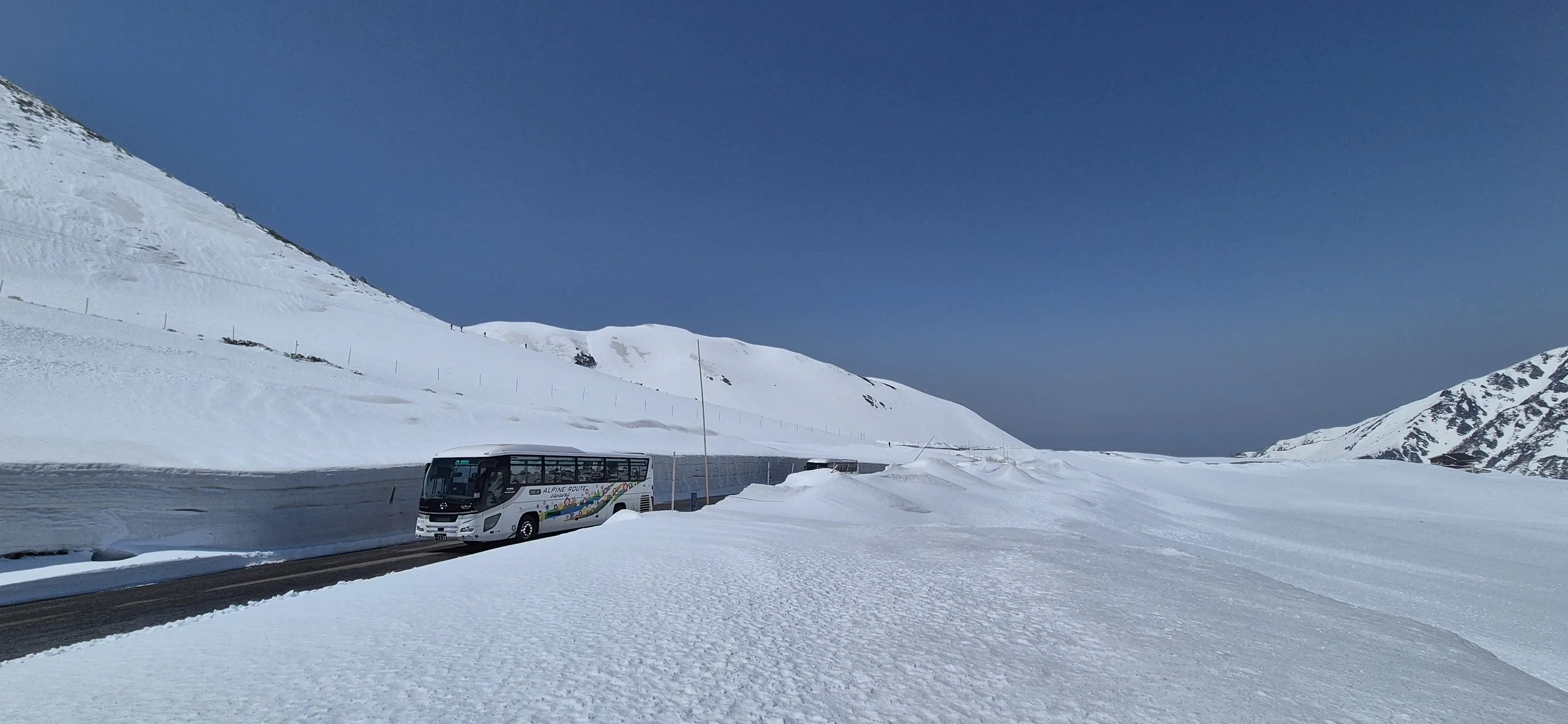
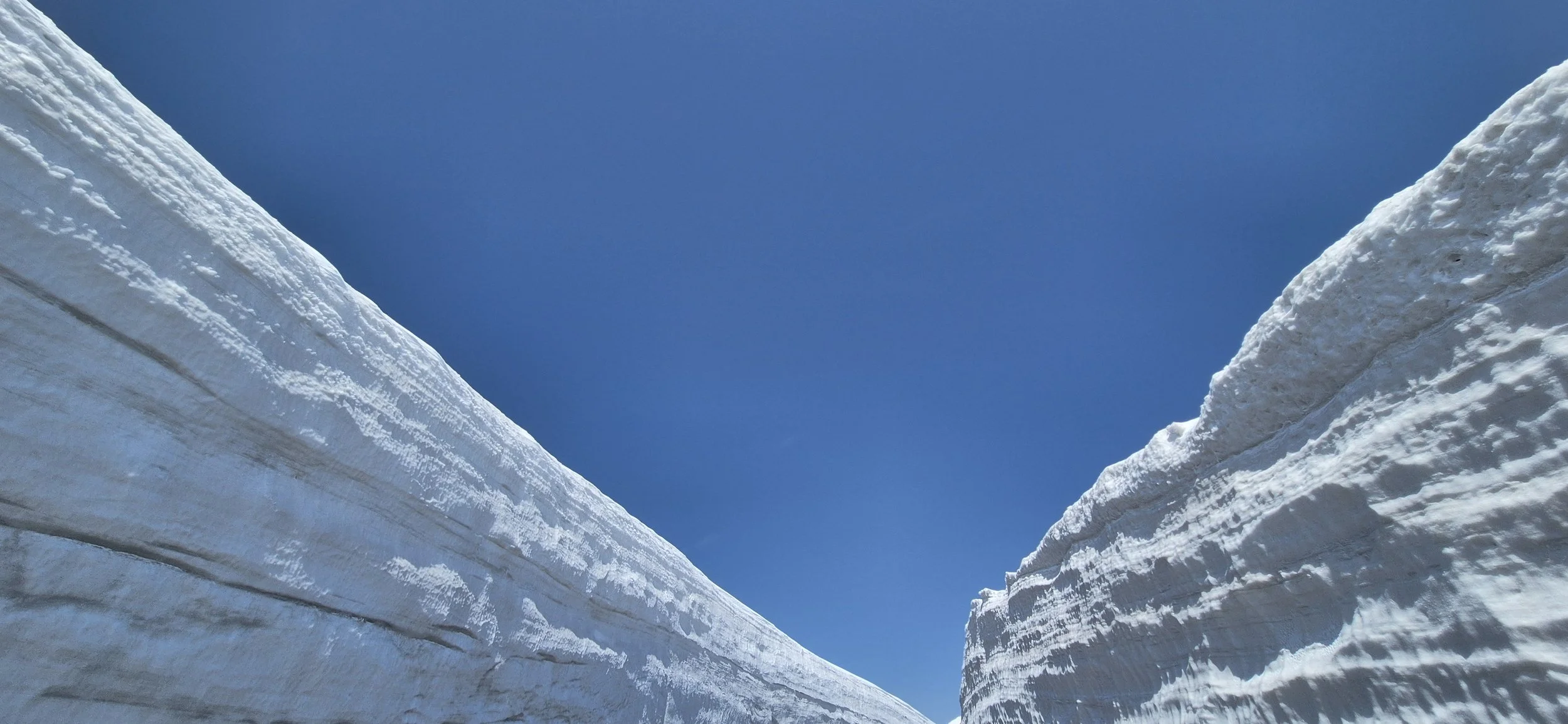
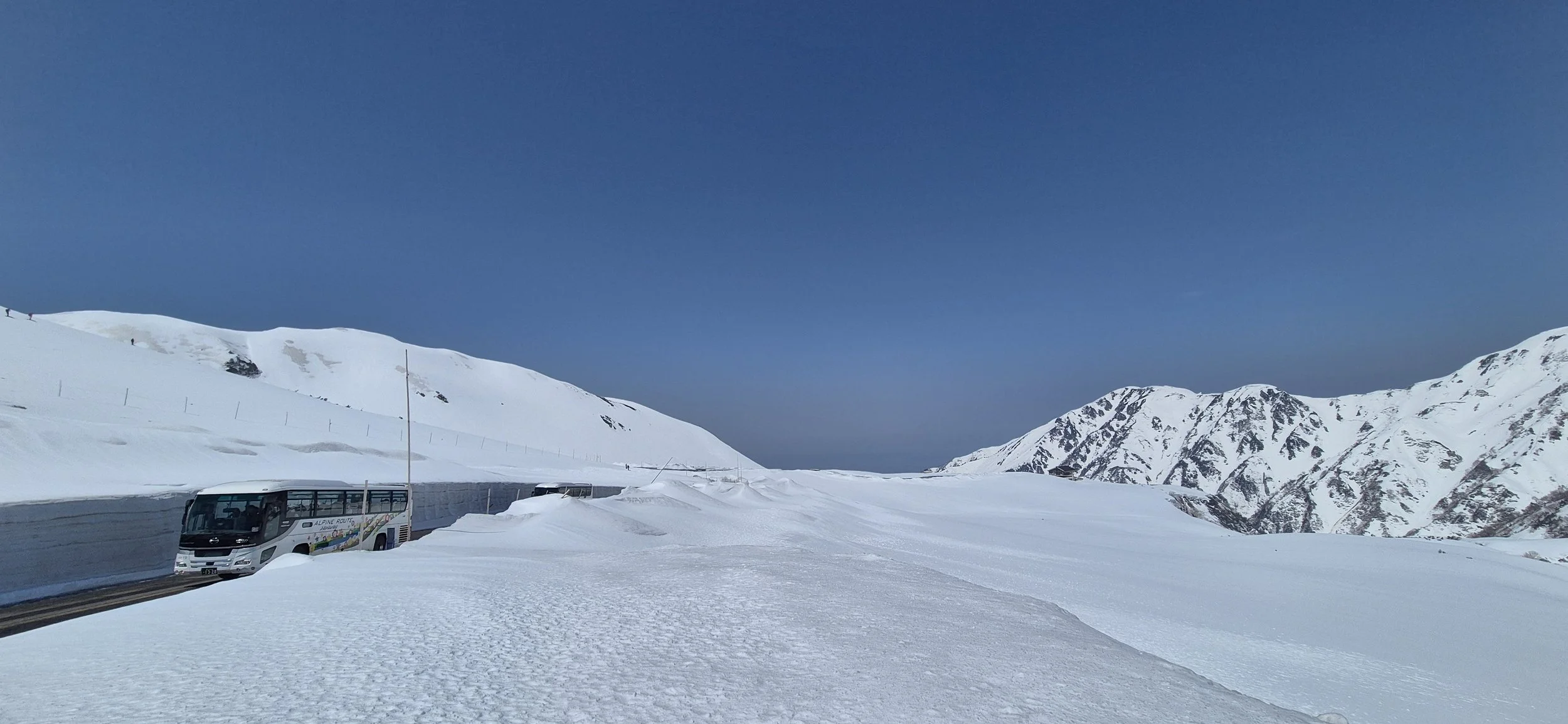
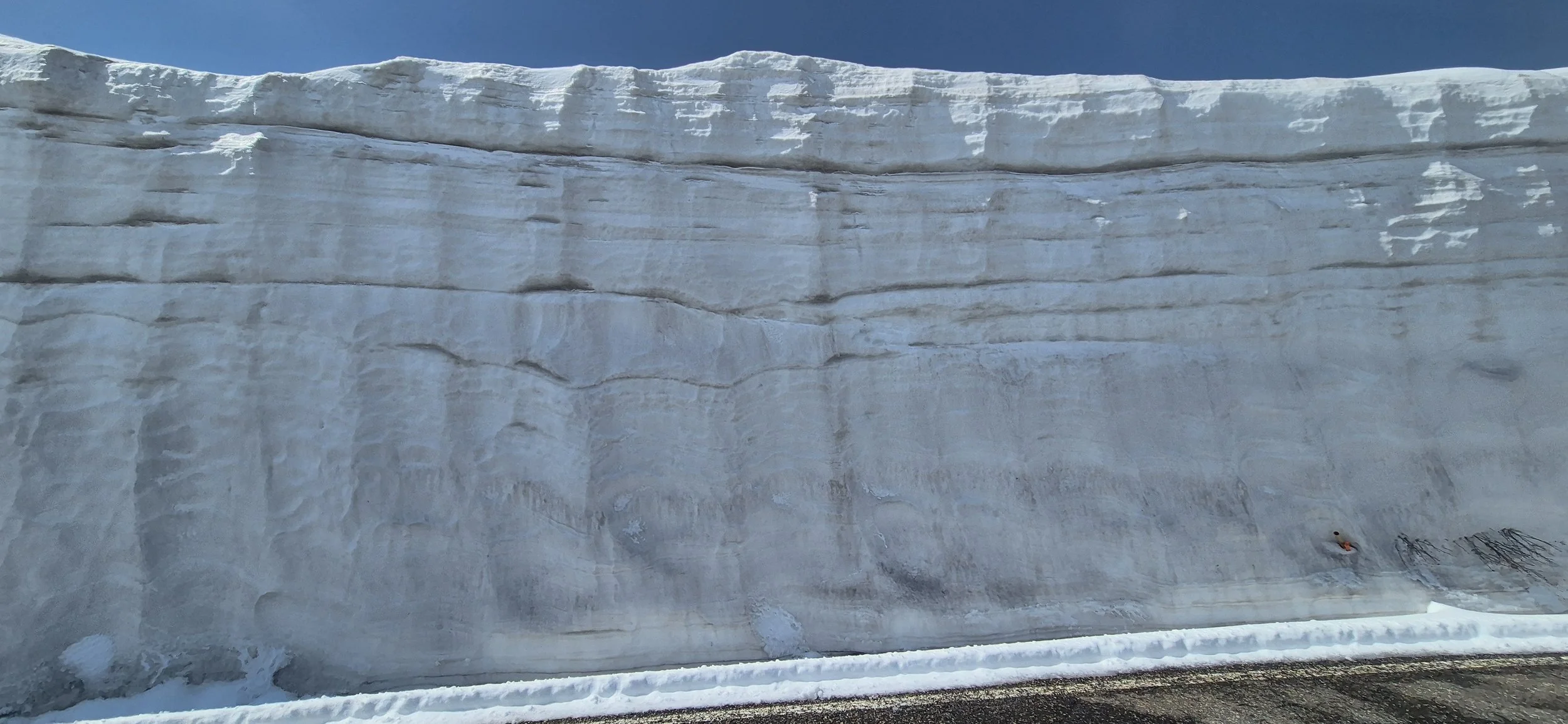
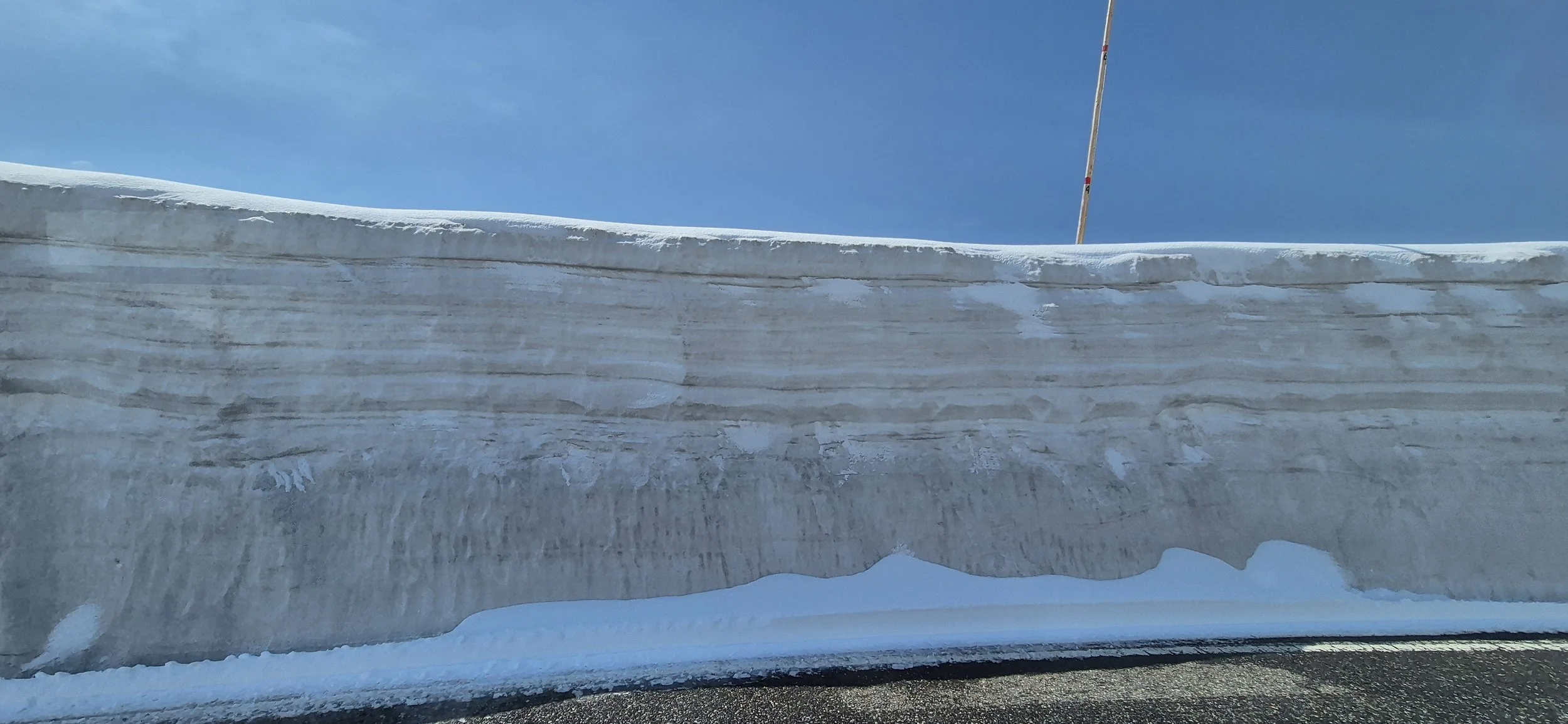
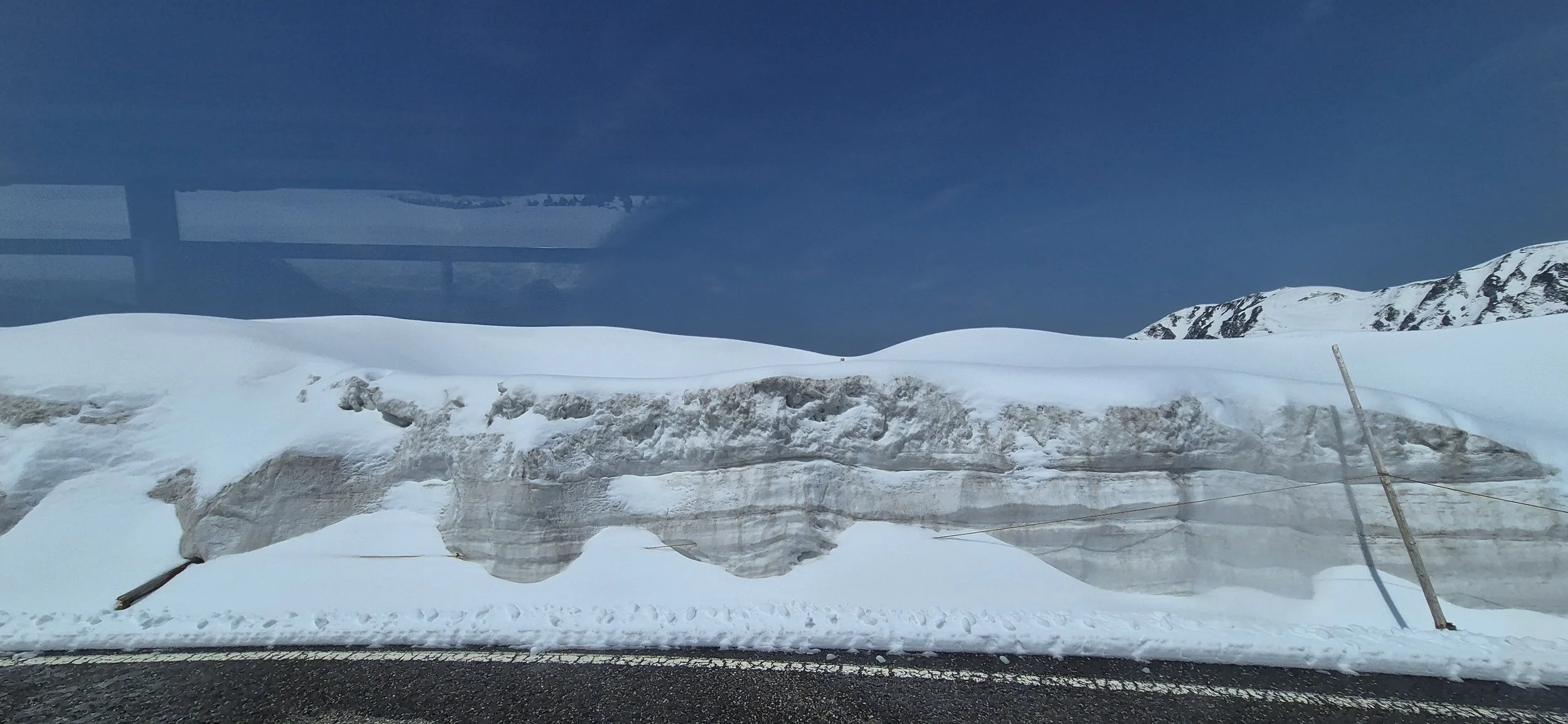
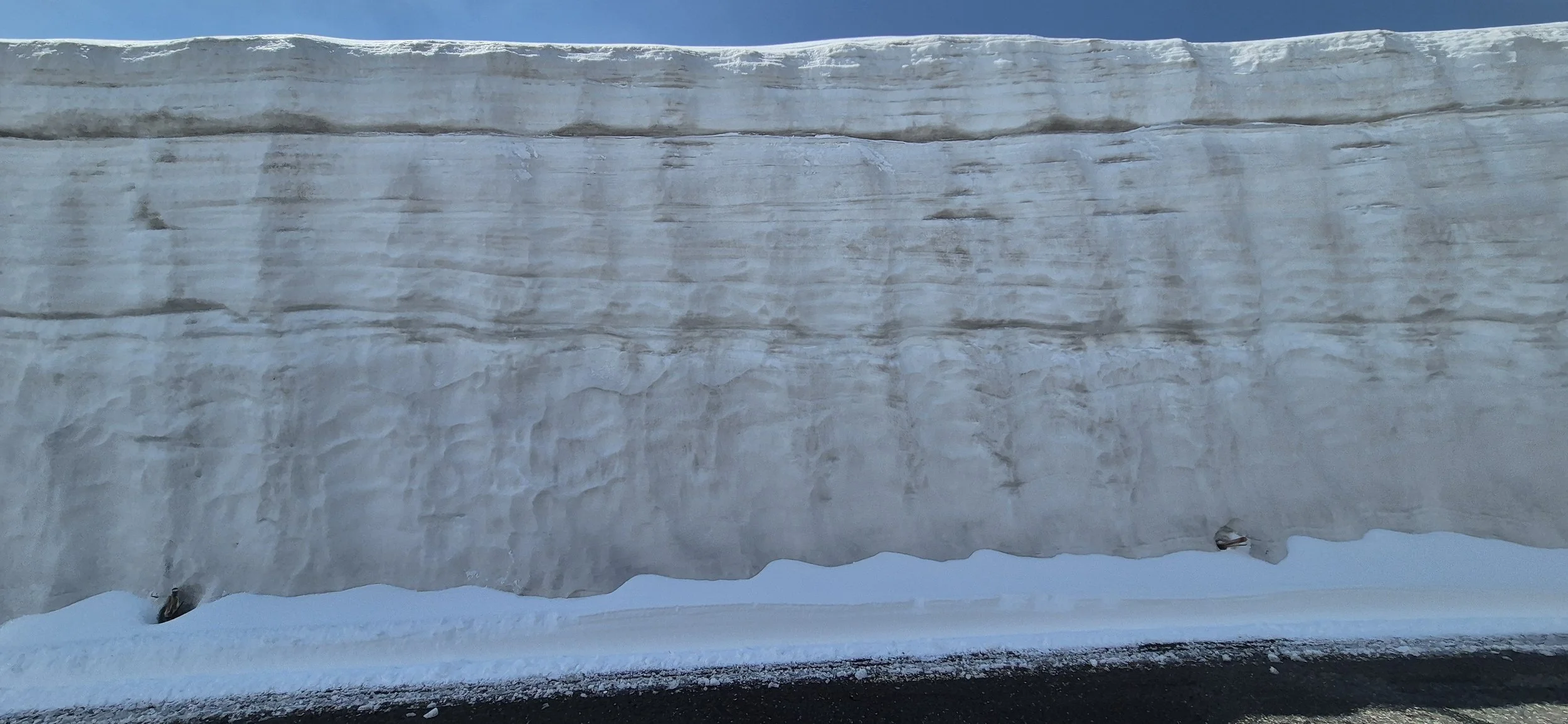
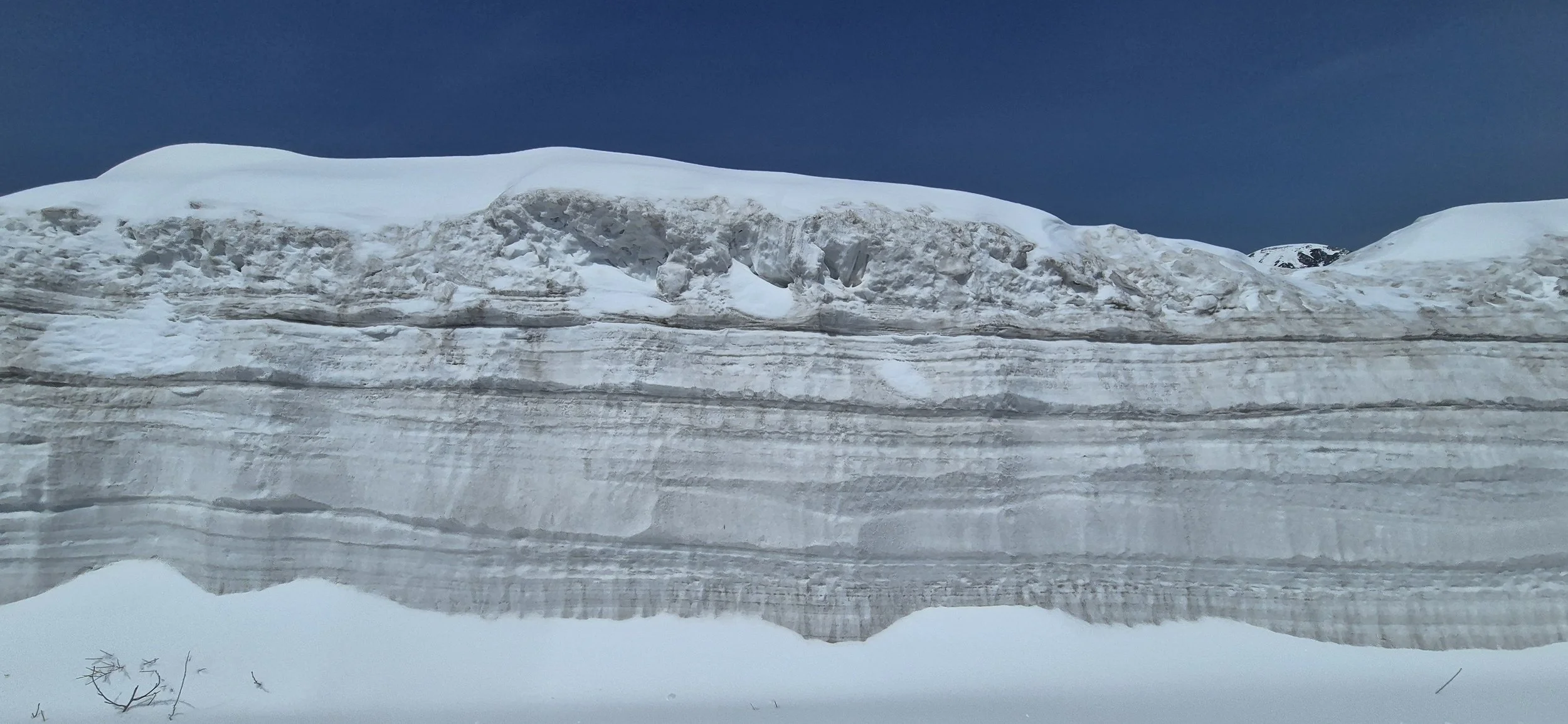
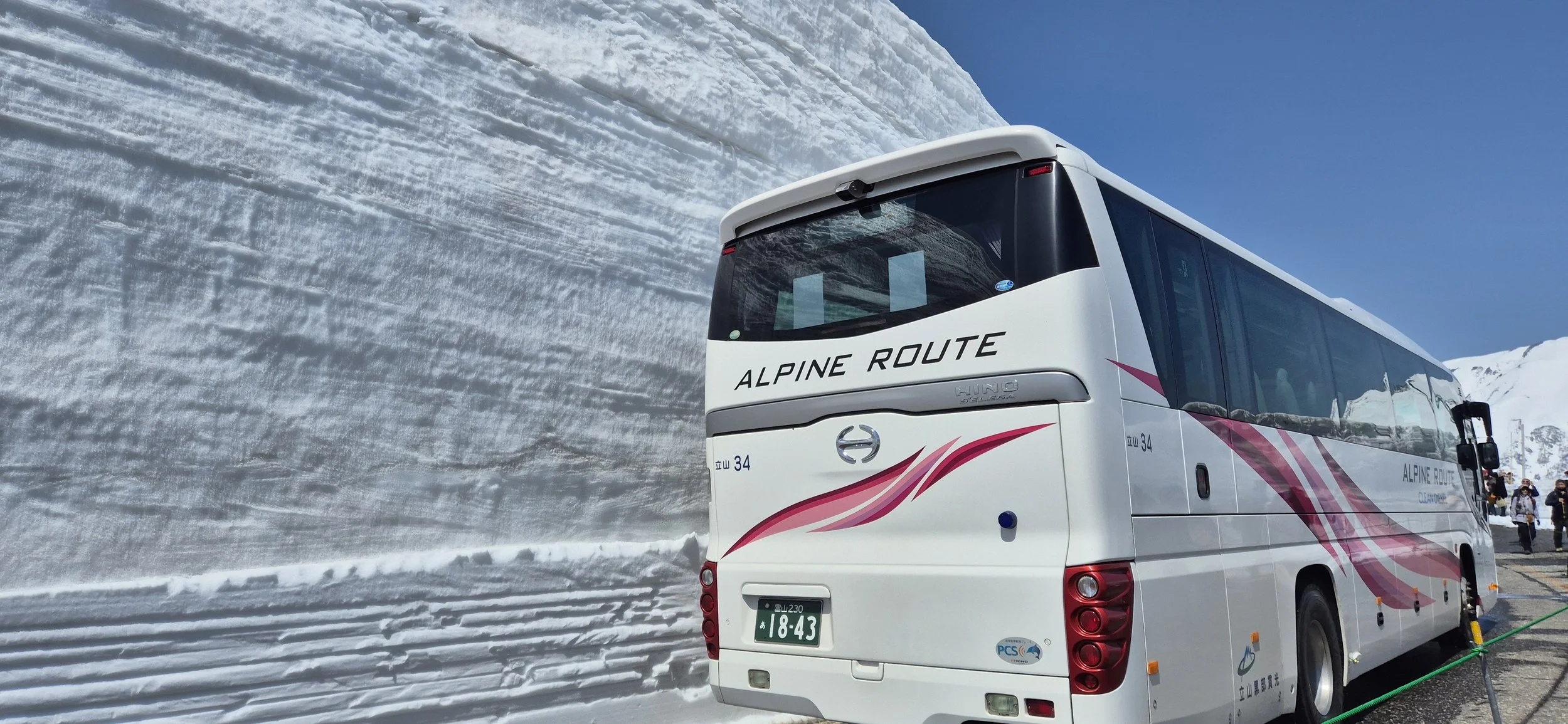
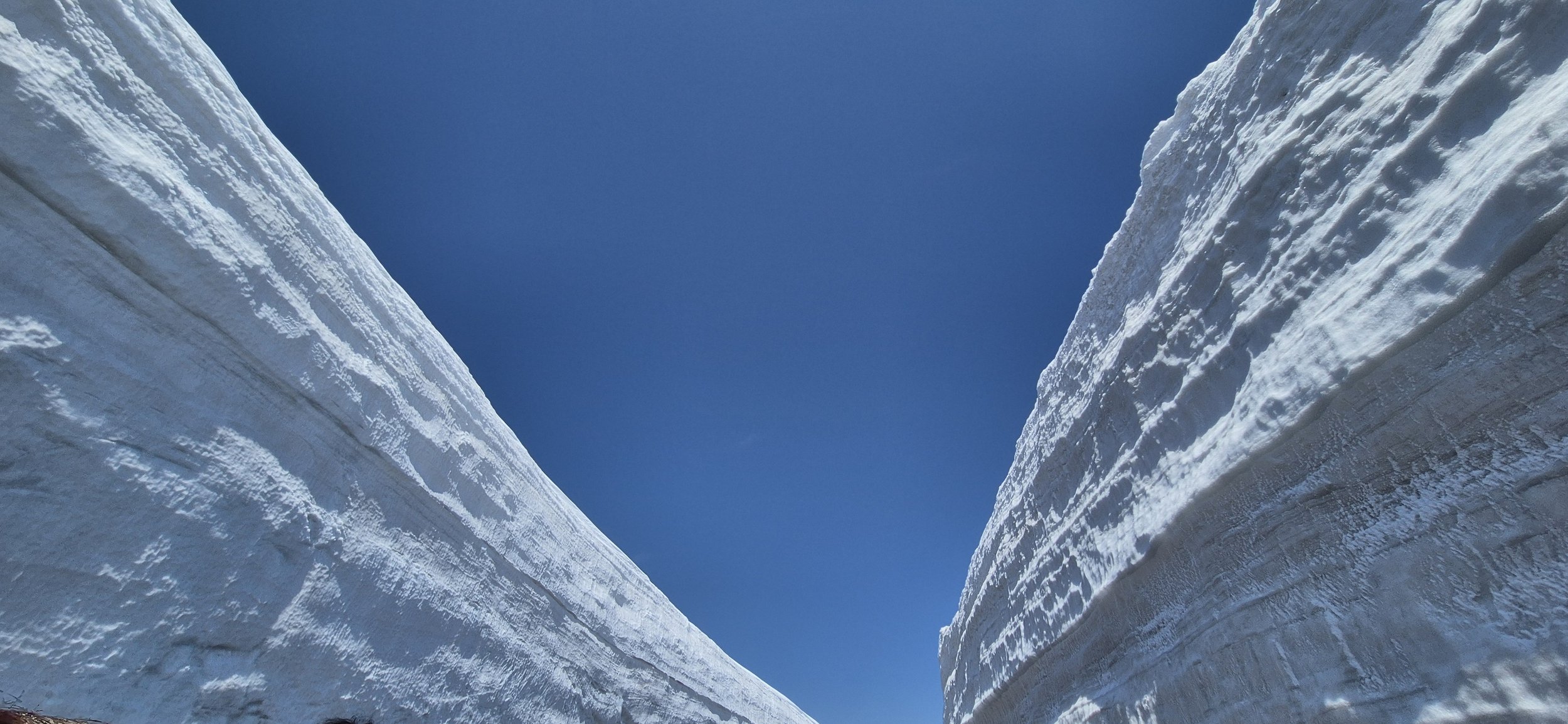
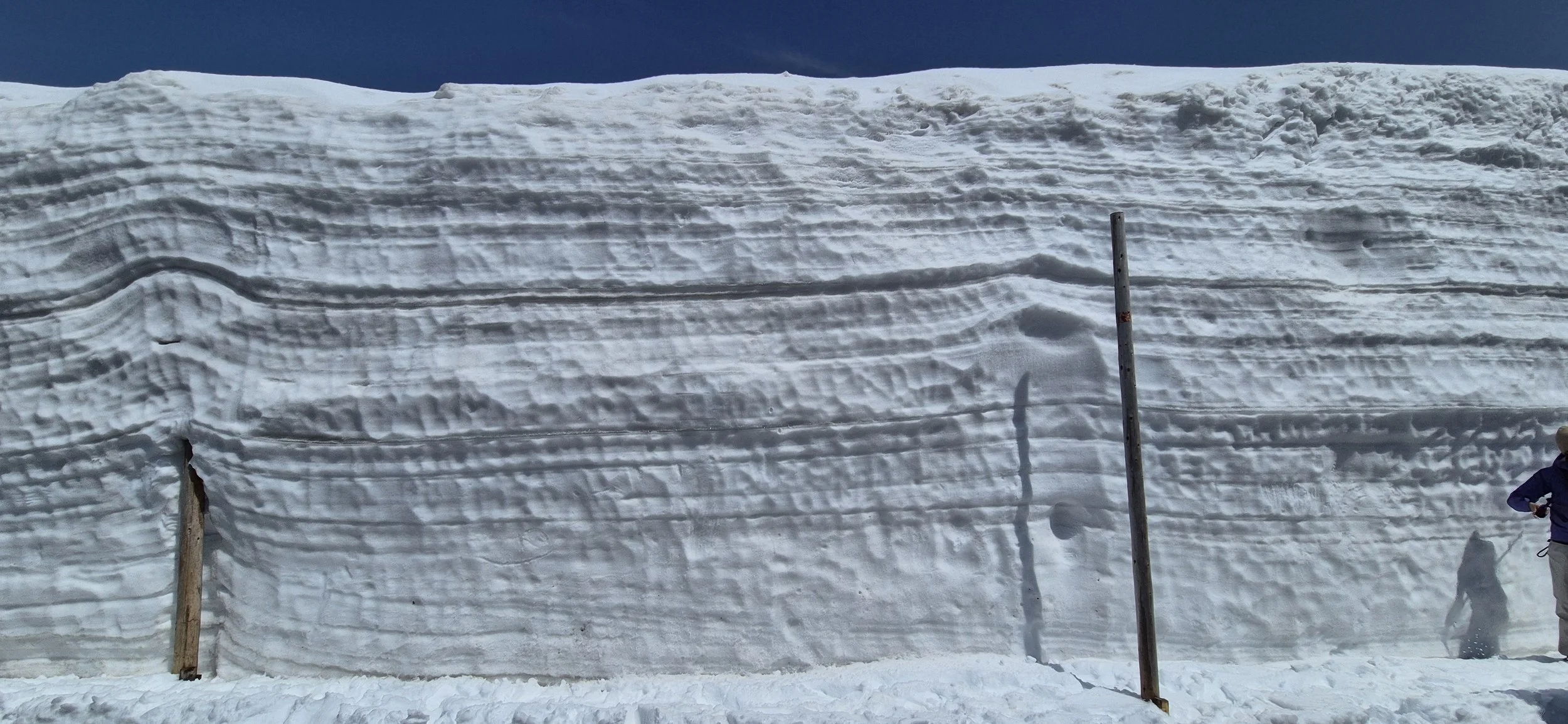
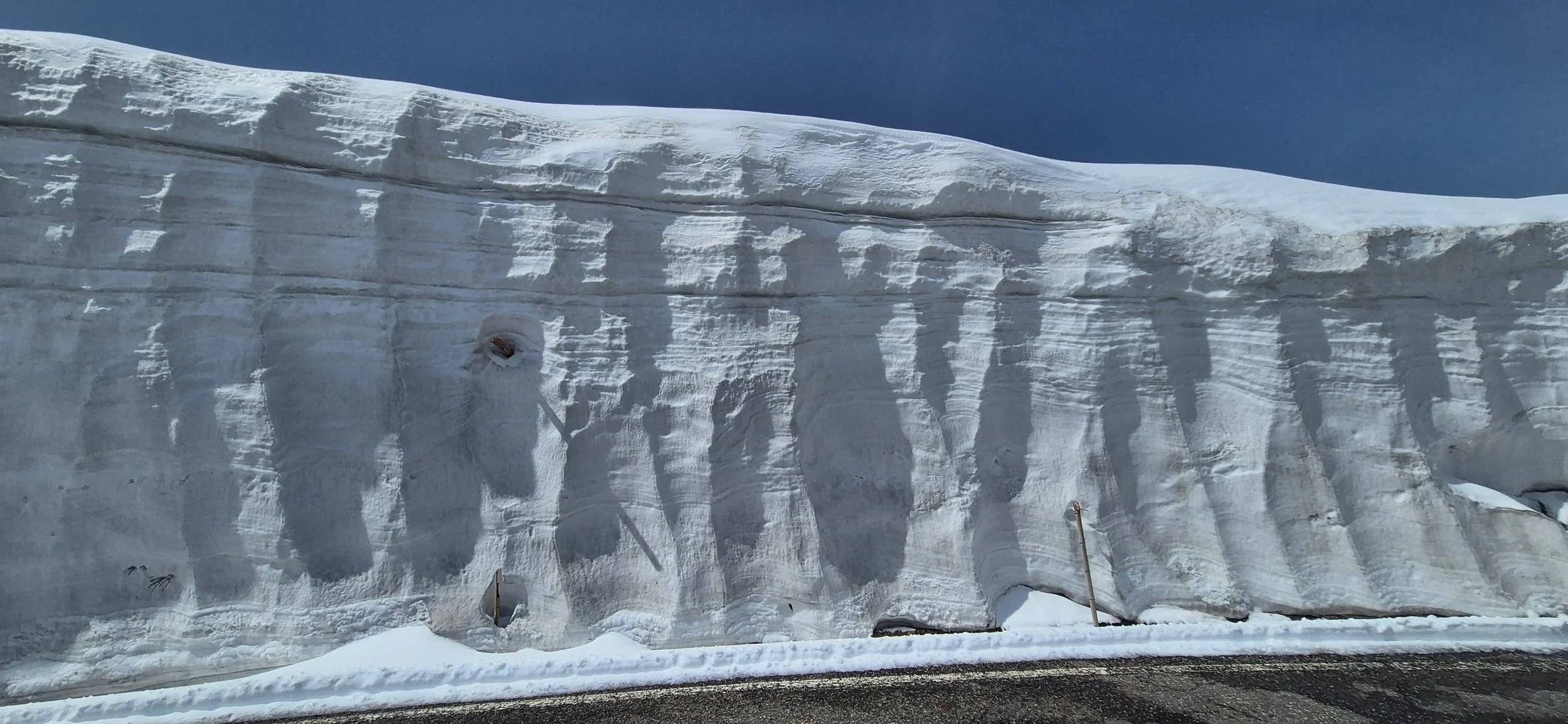
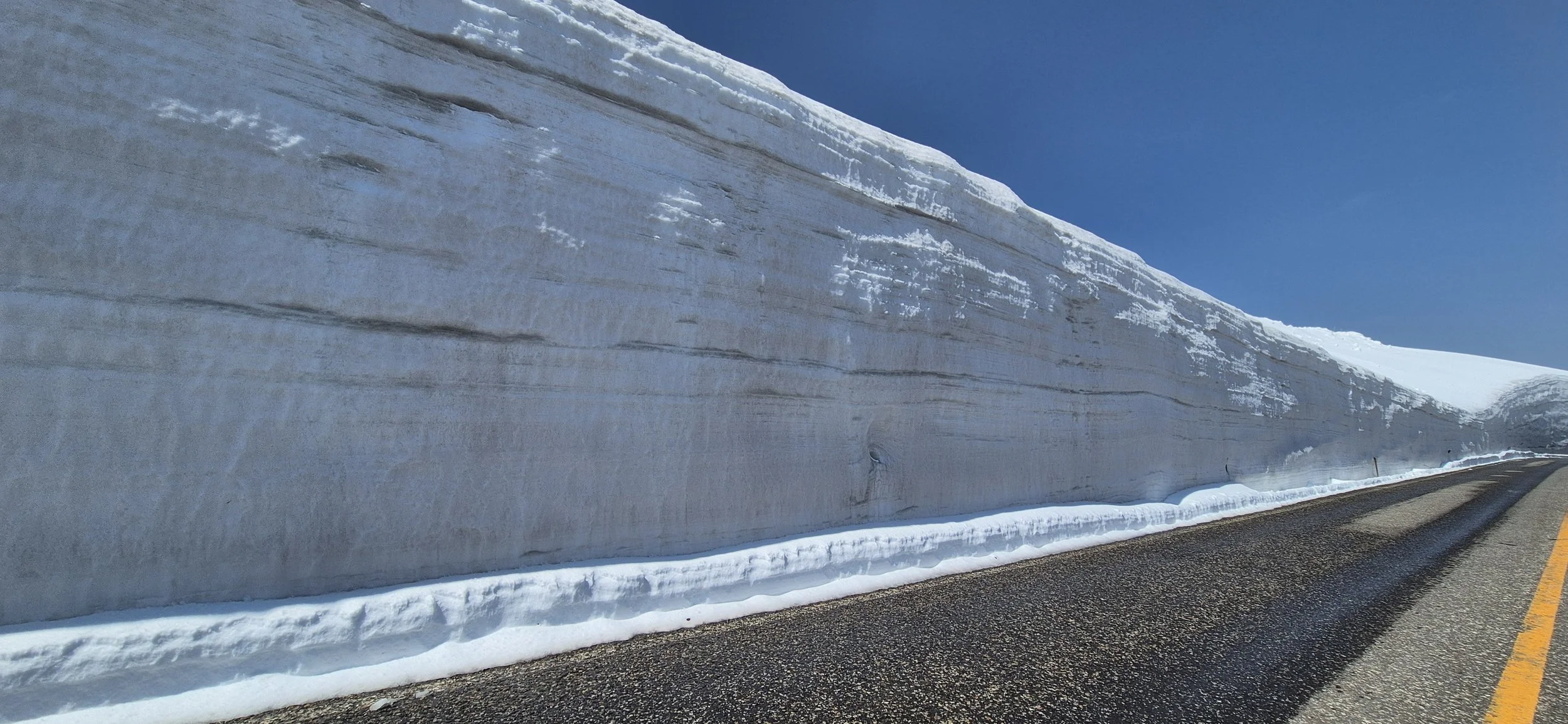
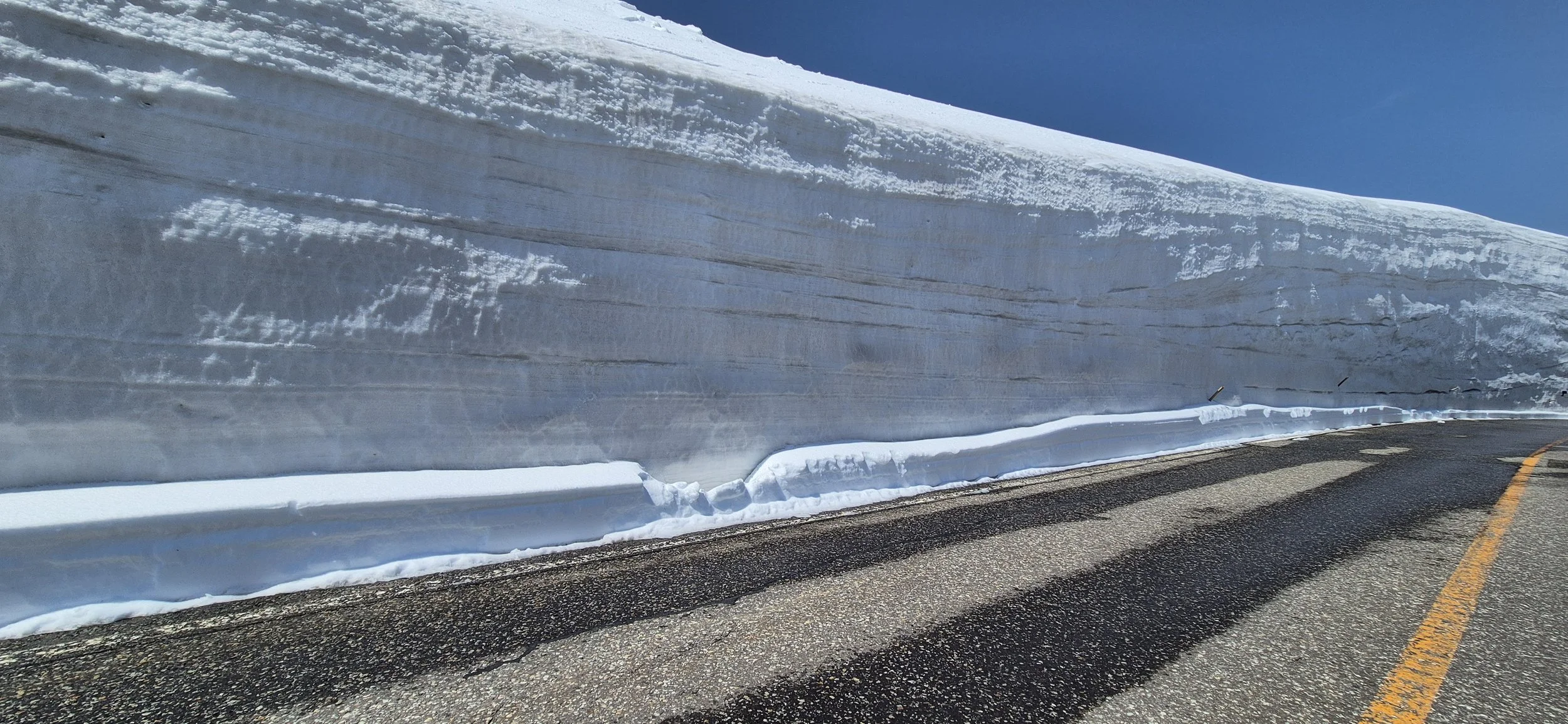
If you have ever fallen down an internet rabbit hole searching for the world’s most breathtaking destinations or magical winter escapes, chances are the Alpine route in Toyama prefecture has caught your eye. Every winter, this route explodes across social media, only to fade from the spotlight once the snow disappears. You might have seen those mesmerising photos: a narrow road flanked by towering ice walls, so high they dwarf even the largest charter buses. When I first arrived in Japan, visiting these snow walls shot straight to the top of my bucket list. In my first year, I chose the snow festival in Hokkaido instead, but this year I finally stood face to face with the legendary Alpine route.
The route welcomes visitors from April 15th to November 30th. When the snow finally recedes, the pass transforms into a summer playground full of flowers waiting to be discovered. If you dream of walking between towering snow walls, be ready, tickets vanish in a flash, so set your alarm and get online early. Tickets are released in batches covering several days, and during my trip, which coincided with the start of Golden Week, demand was so intense that the website crashed. I managed to snag an early slot, but within seconds, the entire week was booked solidly. Once you secure your cable car reservation, the rest of the journey unfolds at your own rhythm. The Alpine Pass adventure weaves together cable cars, buses, and trains. If you rush through without stopping, the route takes just two hours, but I highly recommend pausing at each stop to soak in the breathtaking scenery and explore the unique spots along the way.
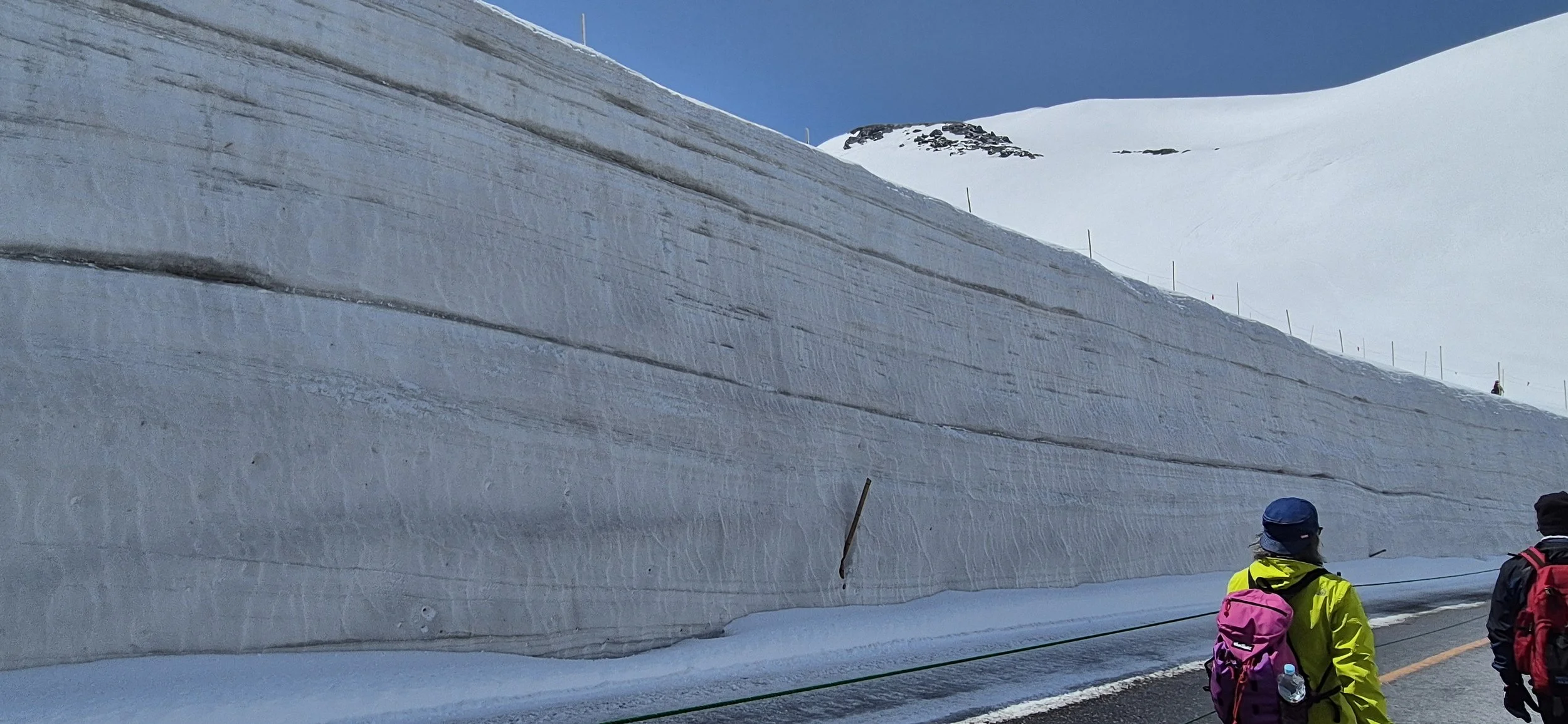
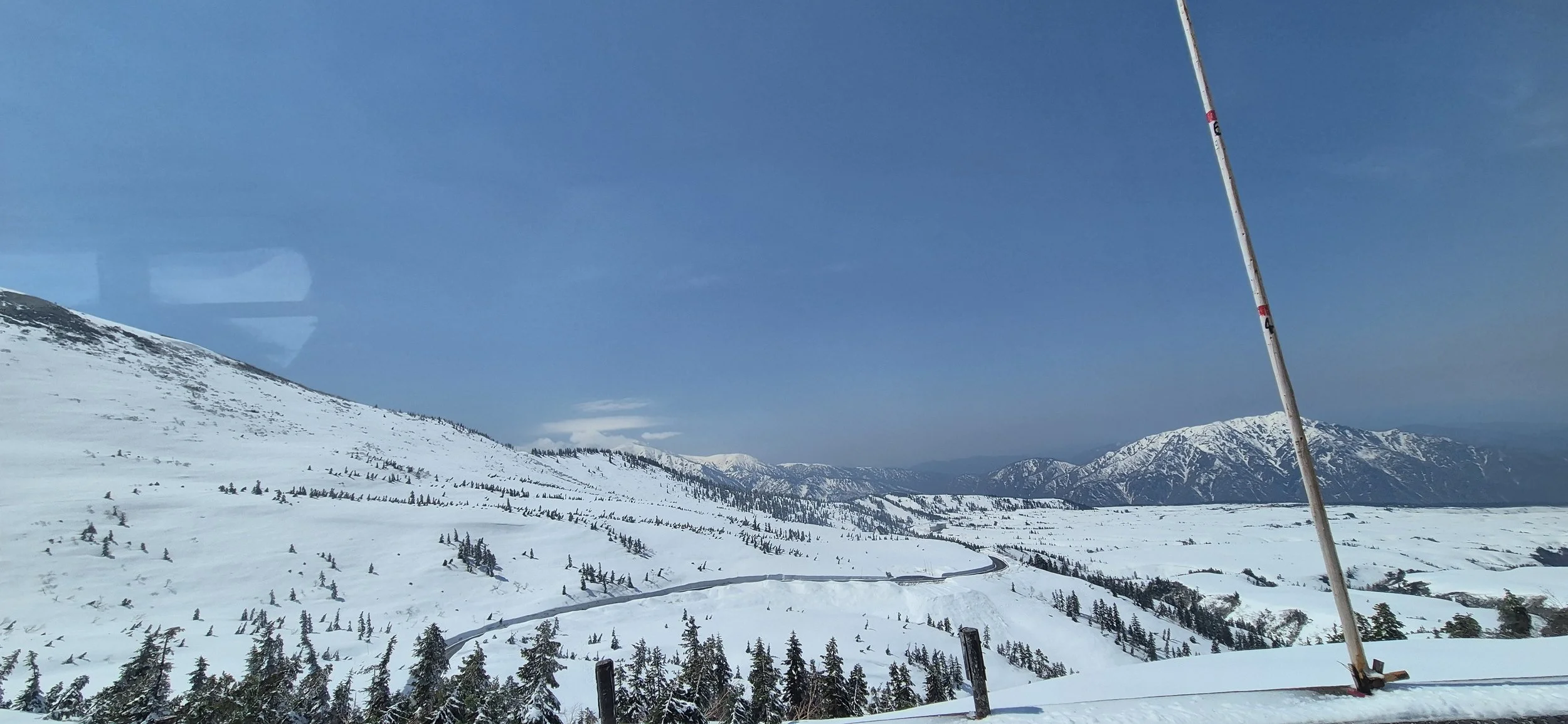
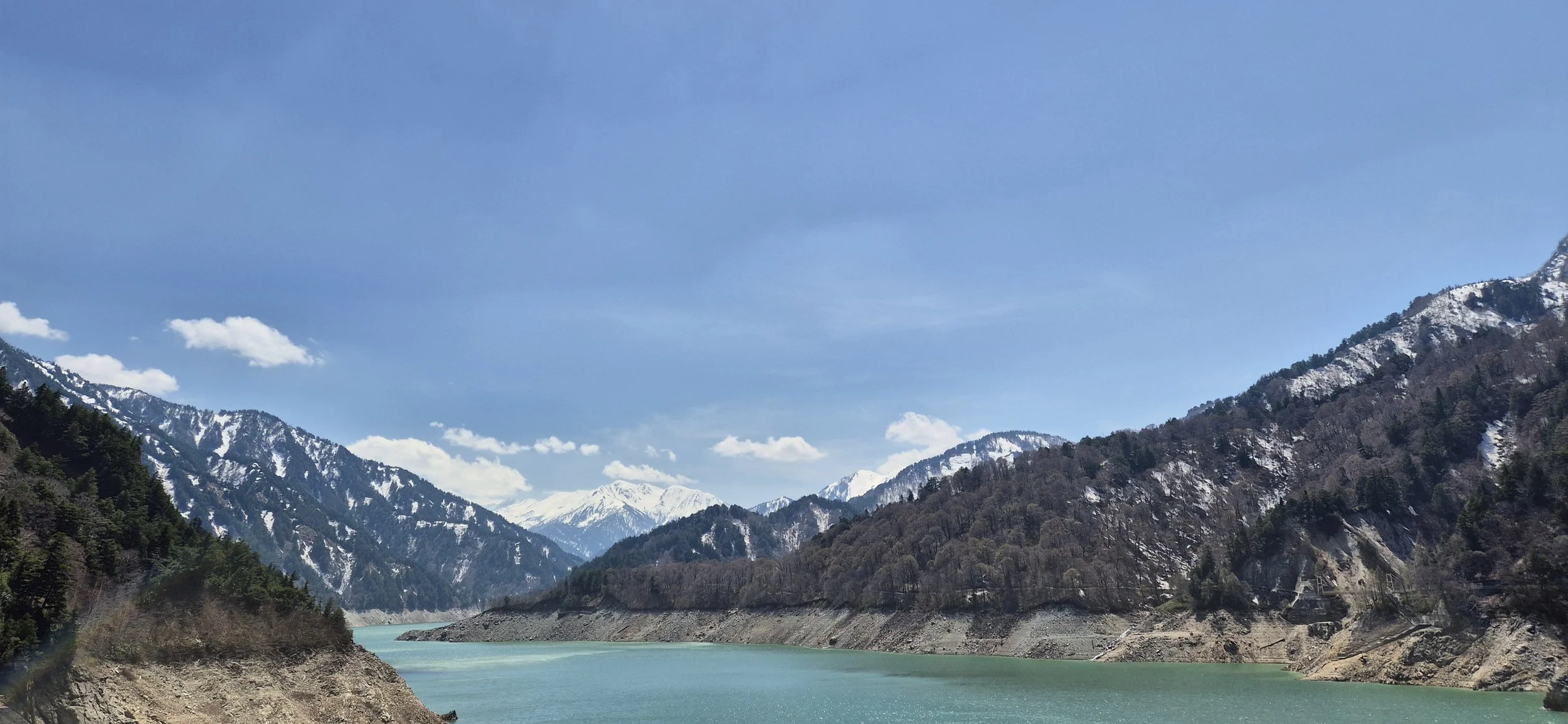
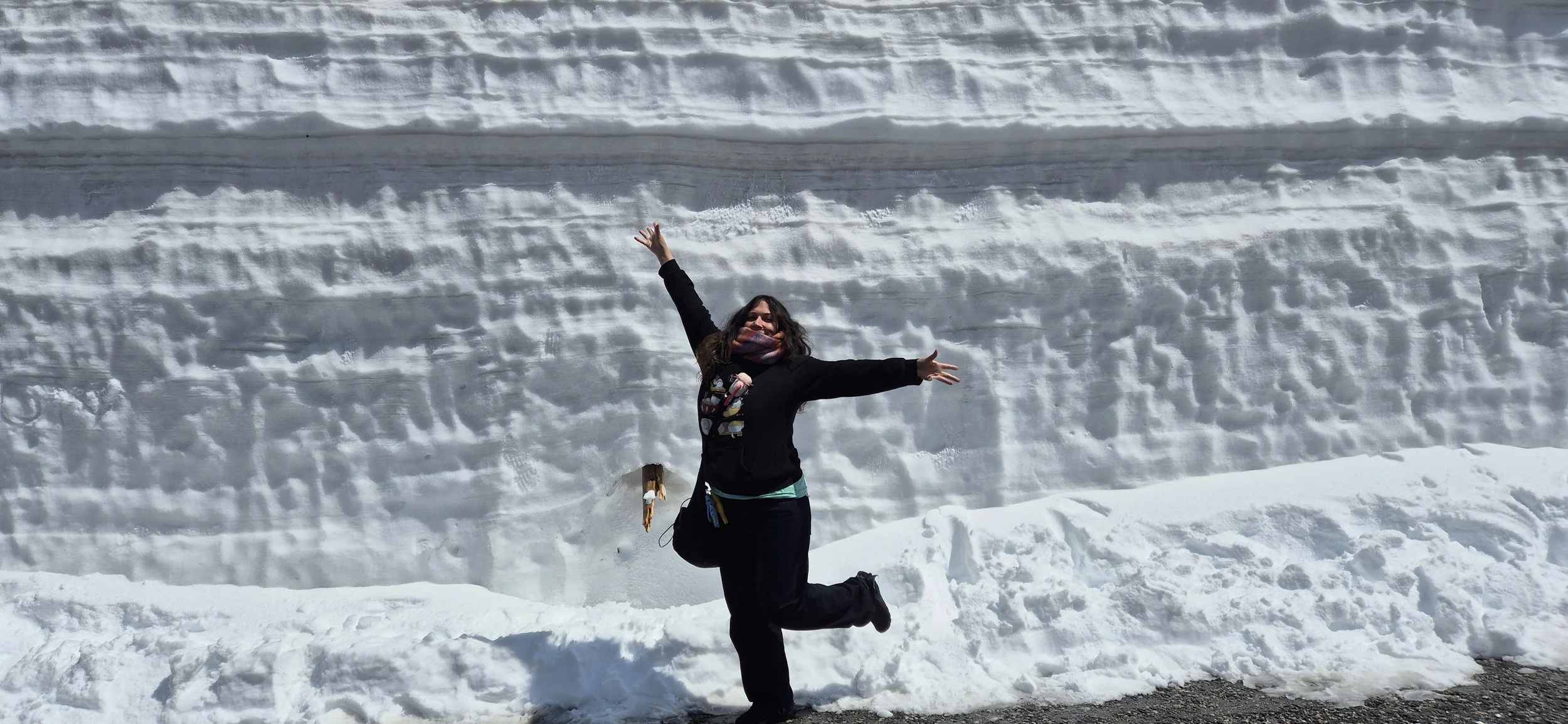
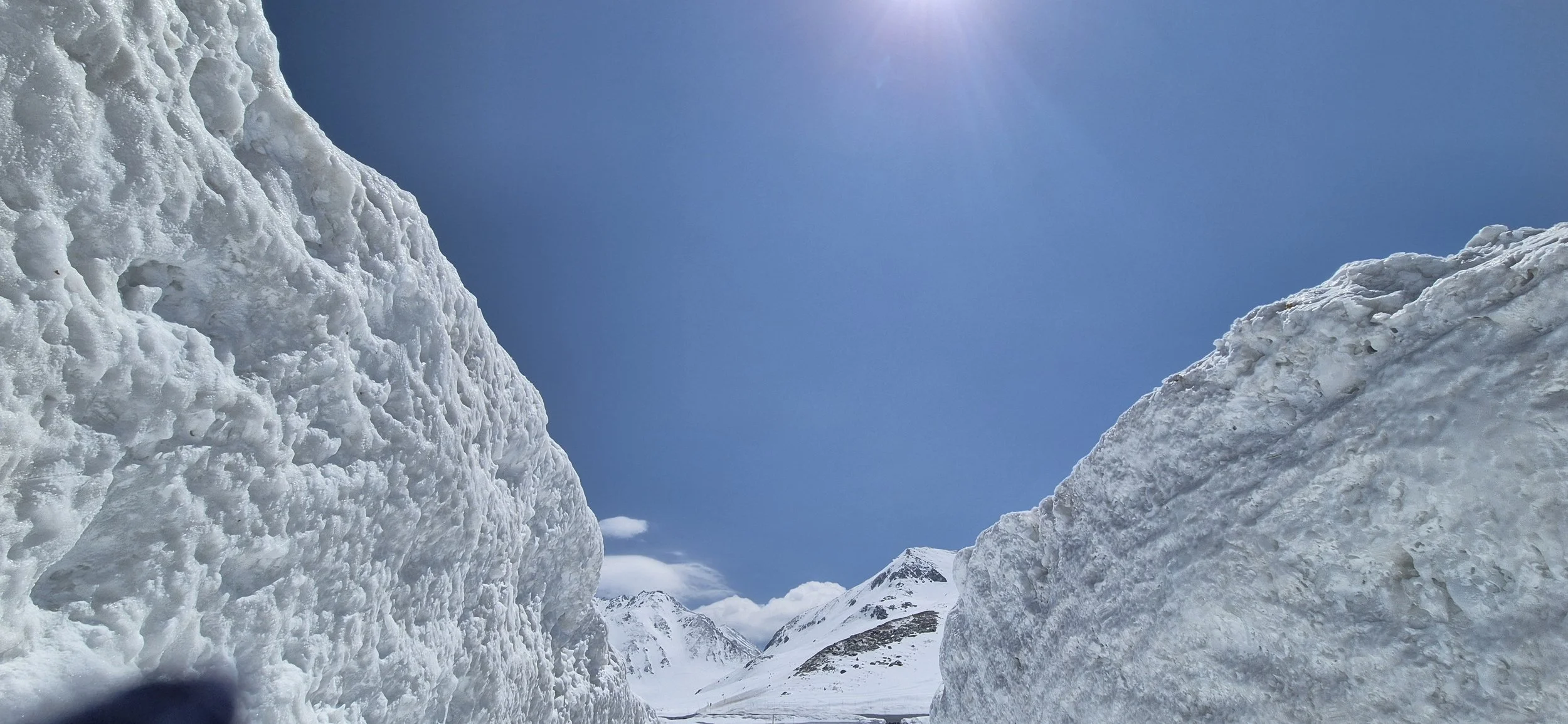
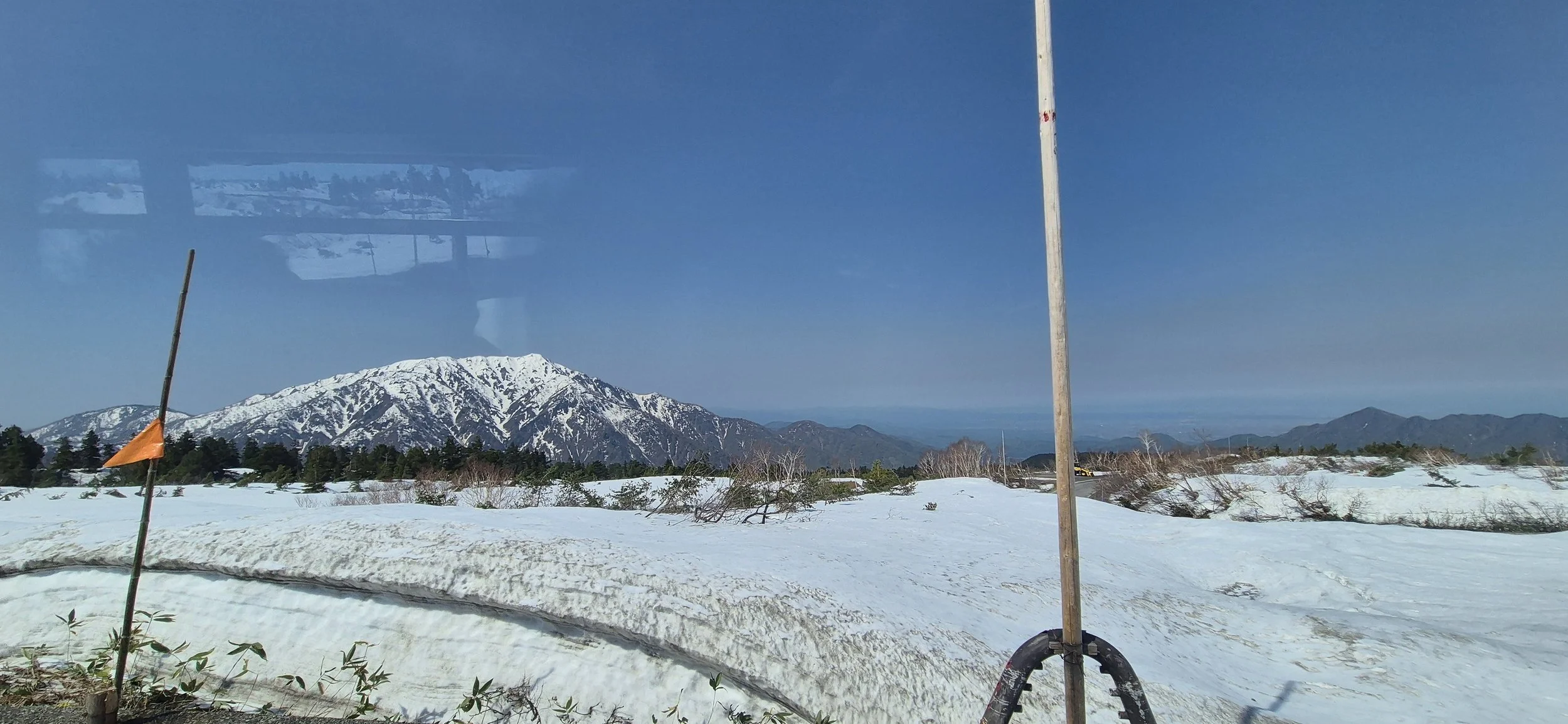
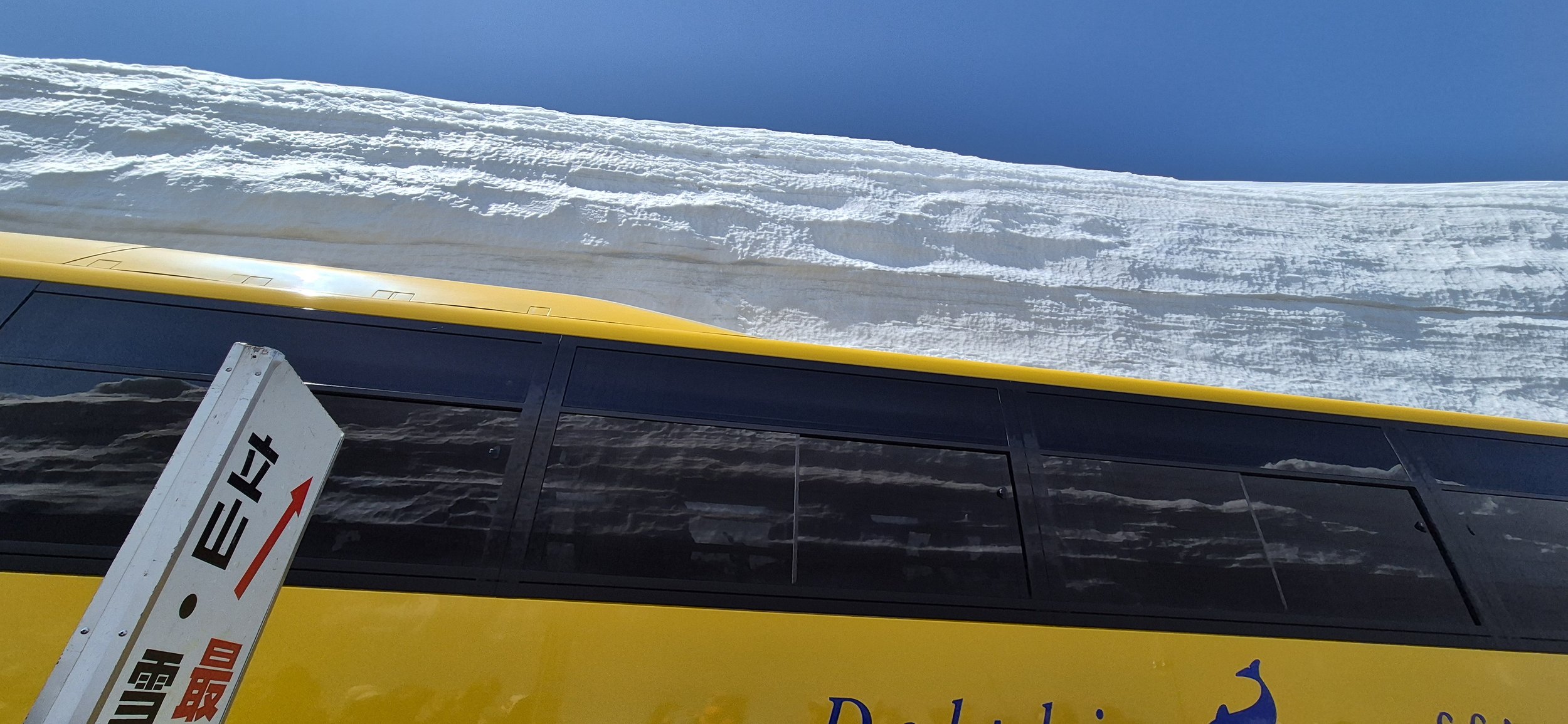
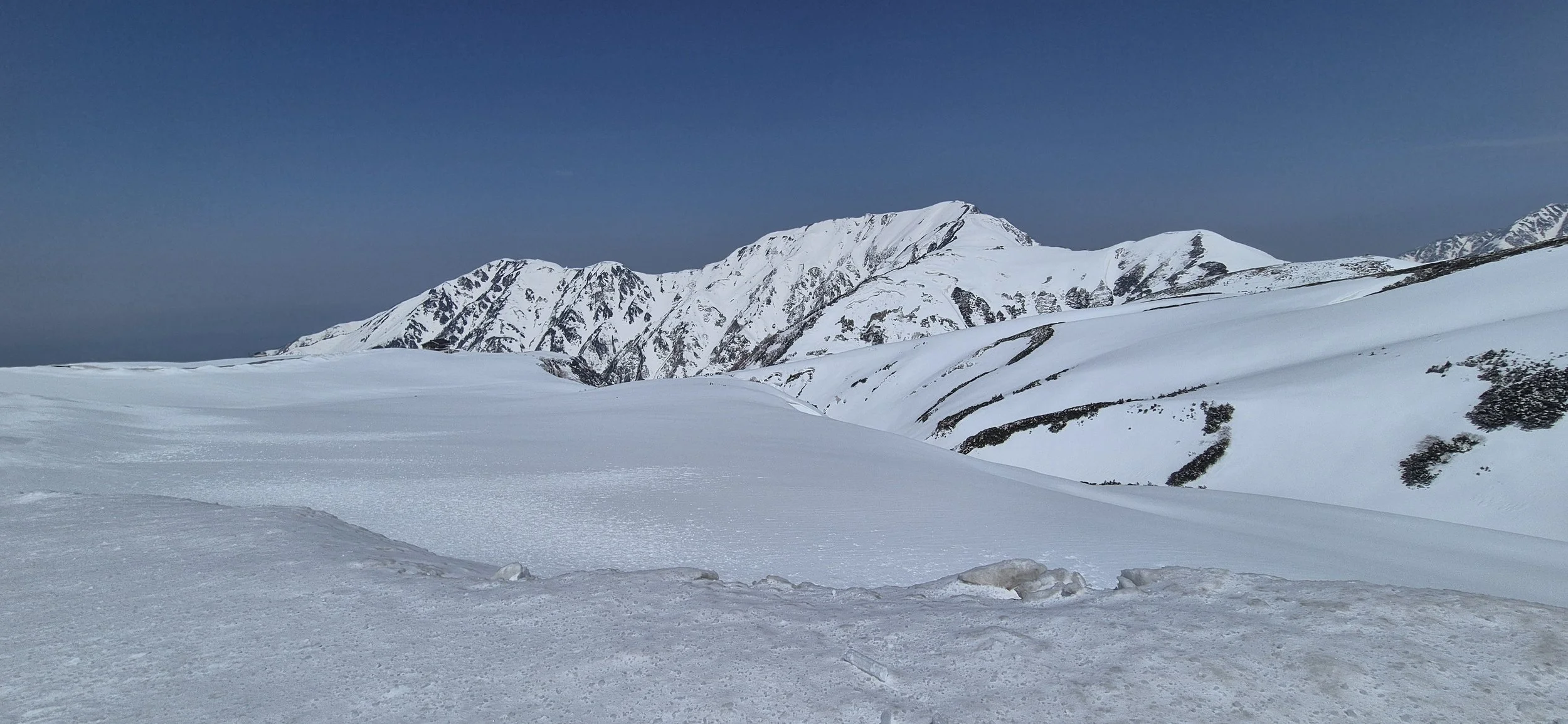
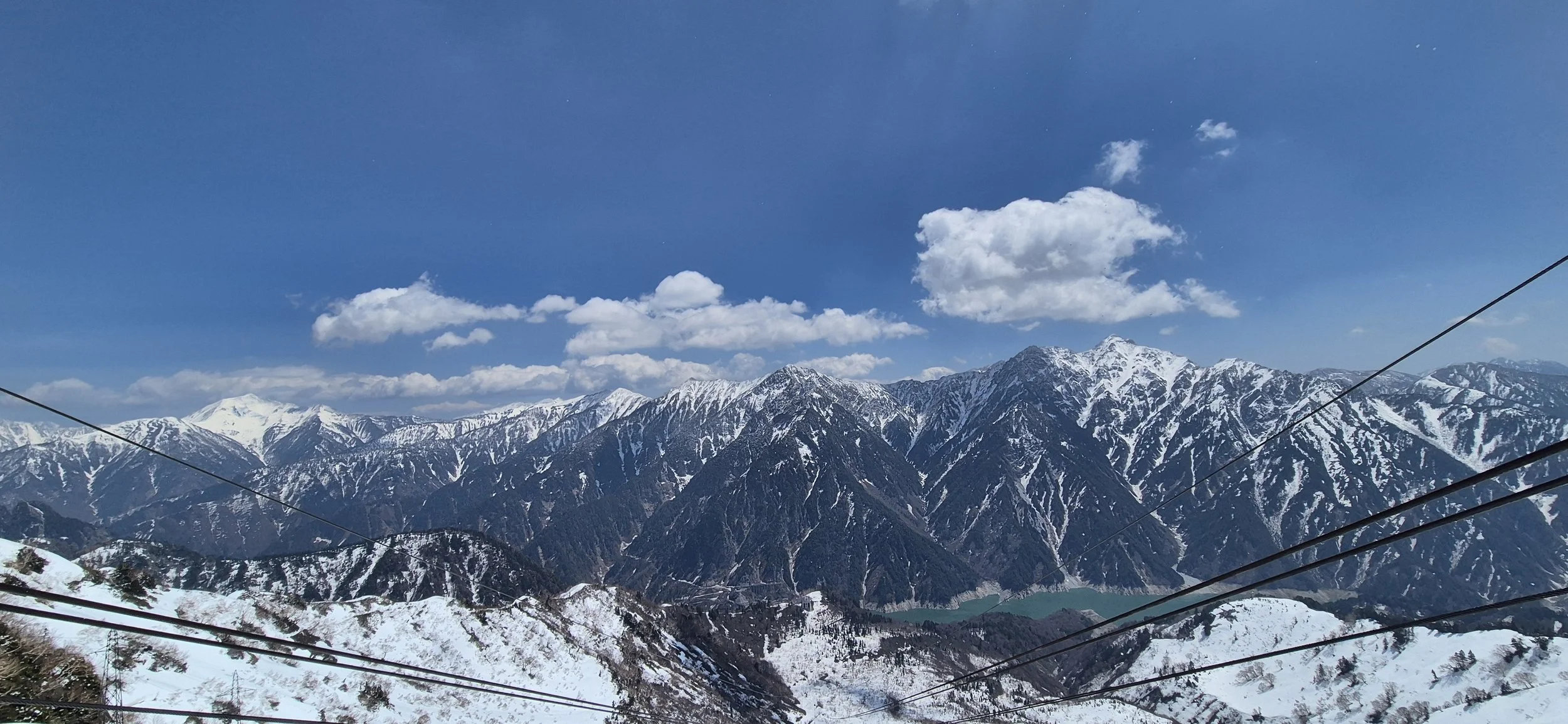
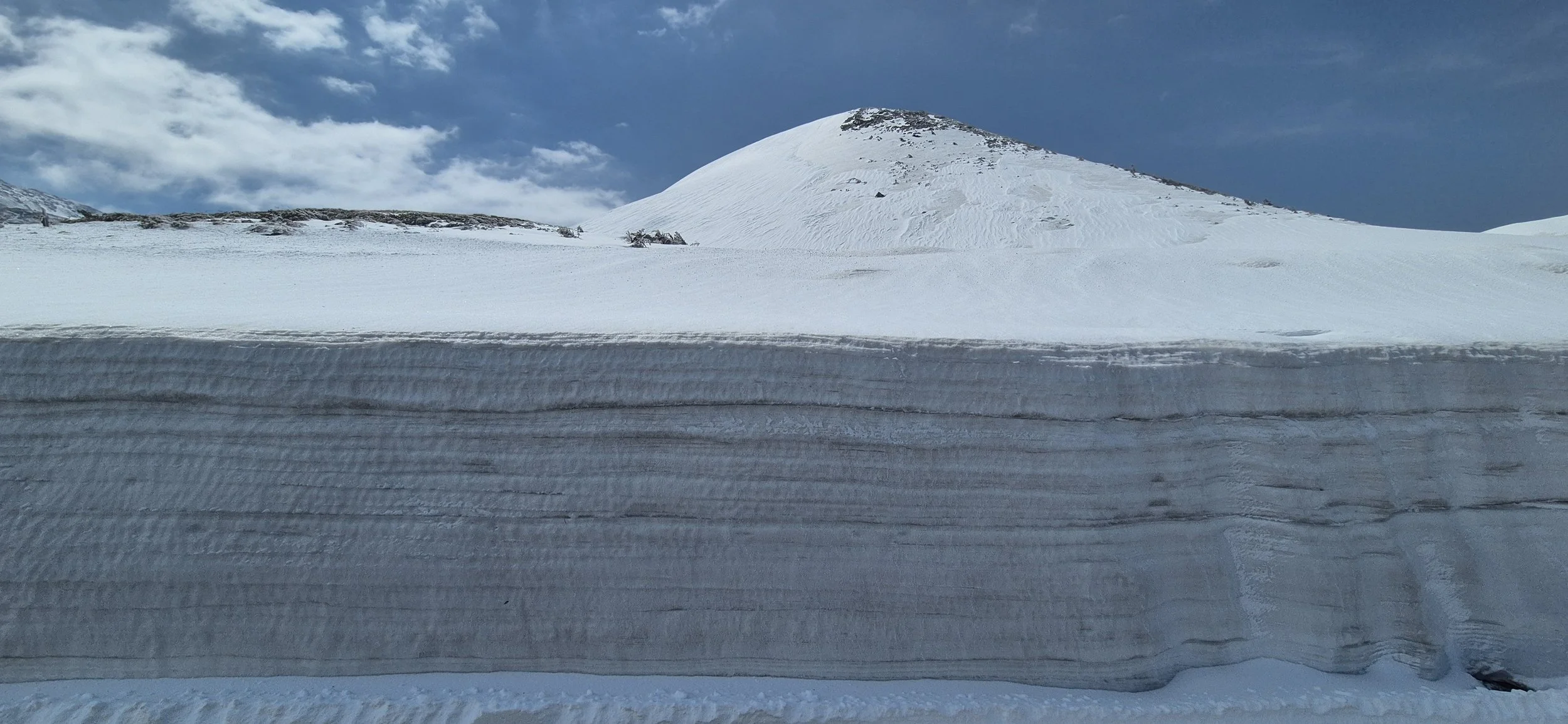
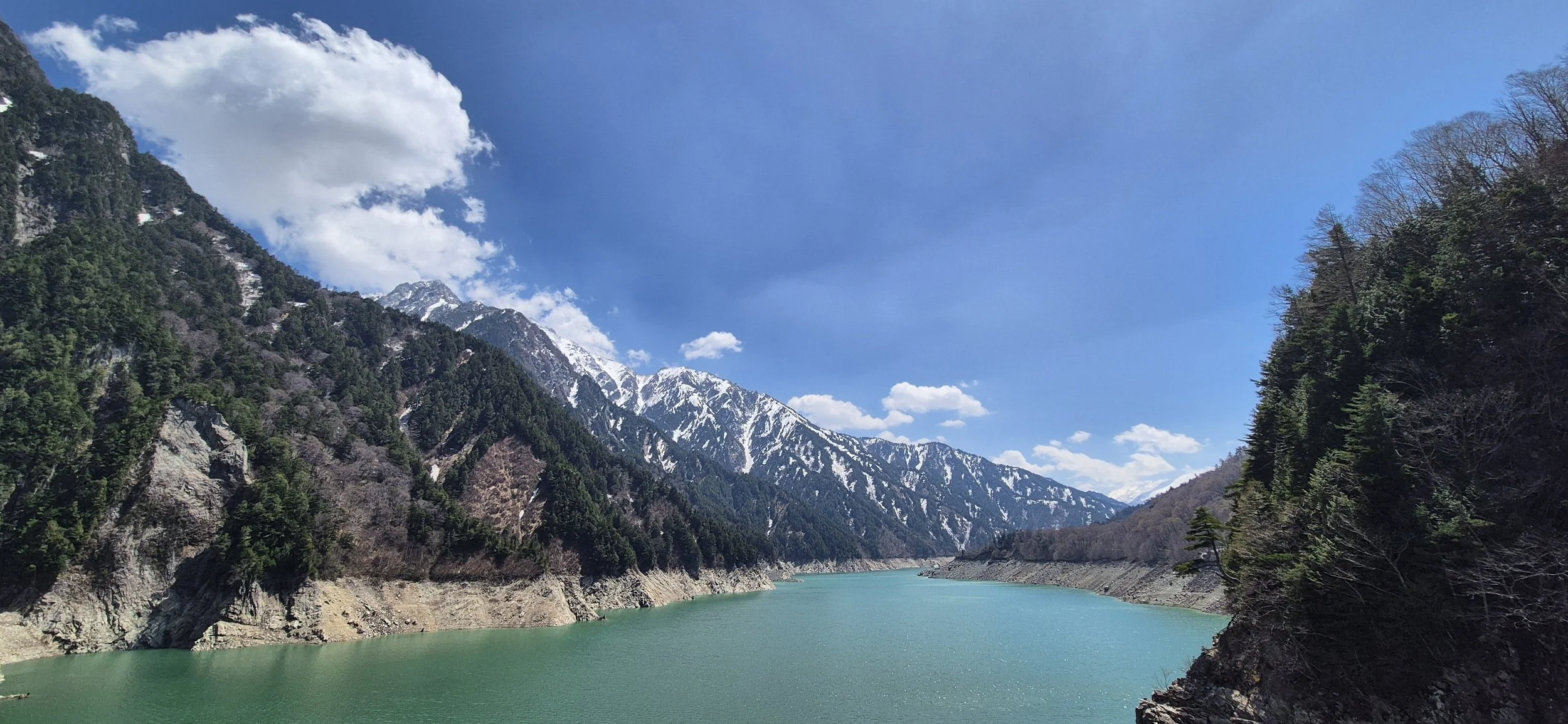
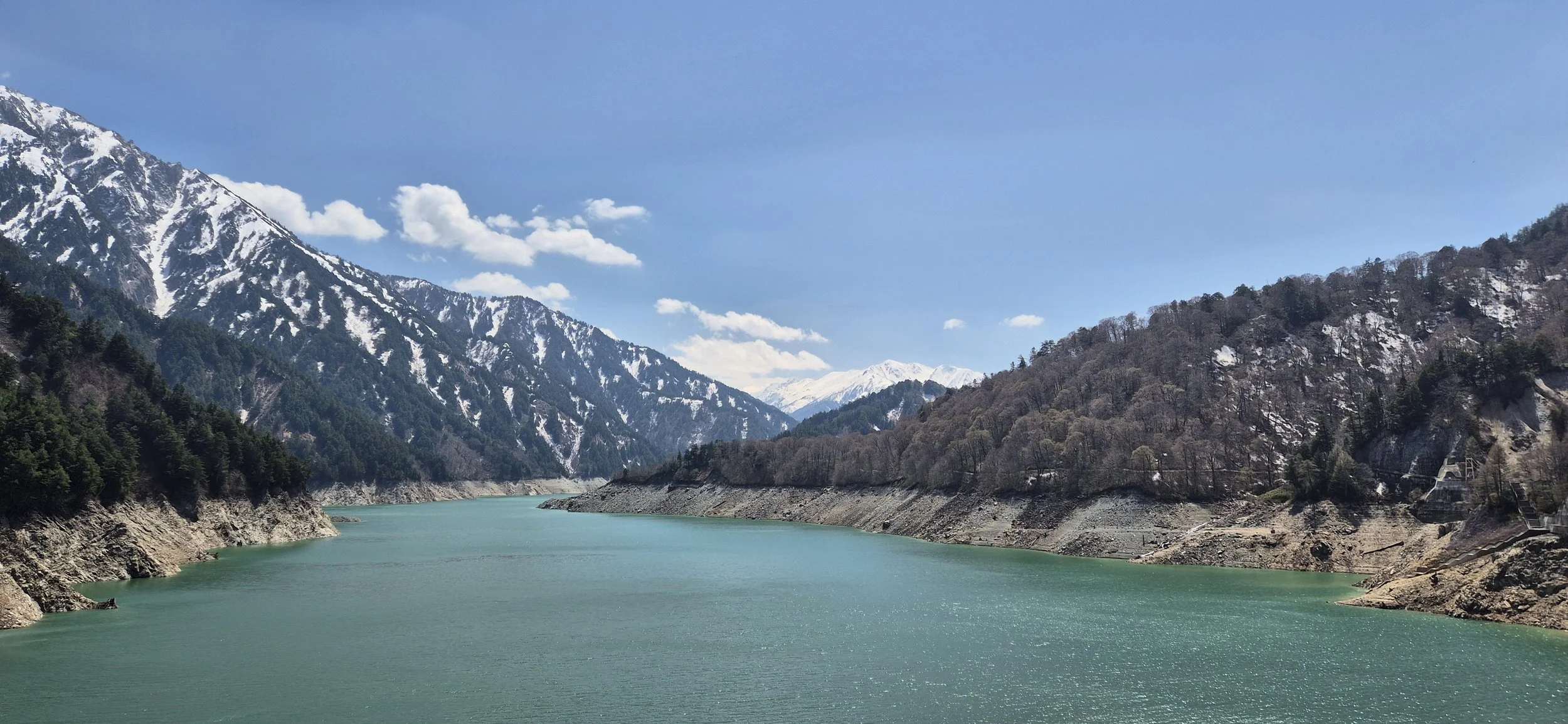
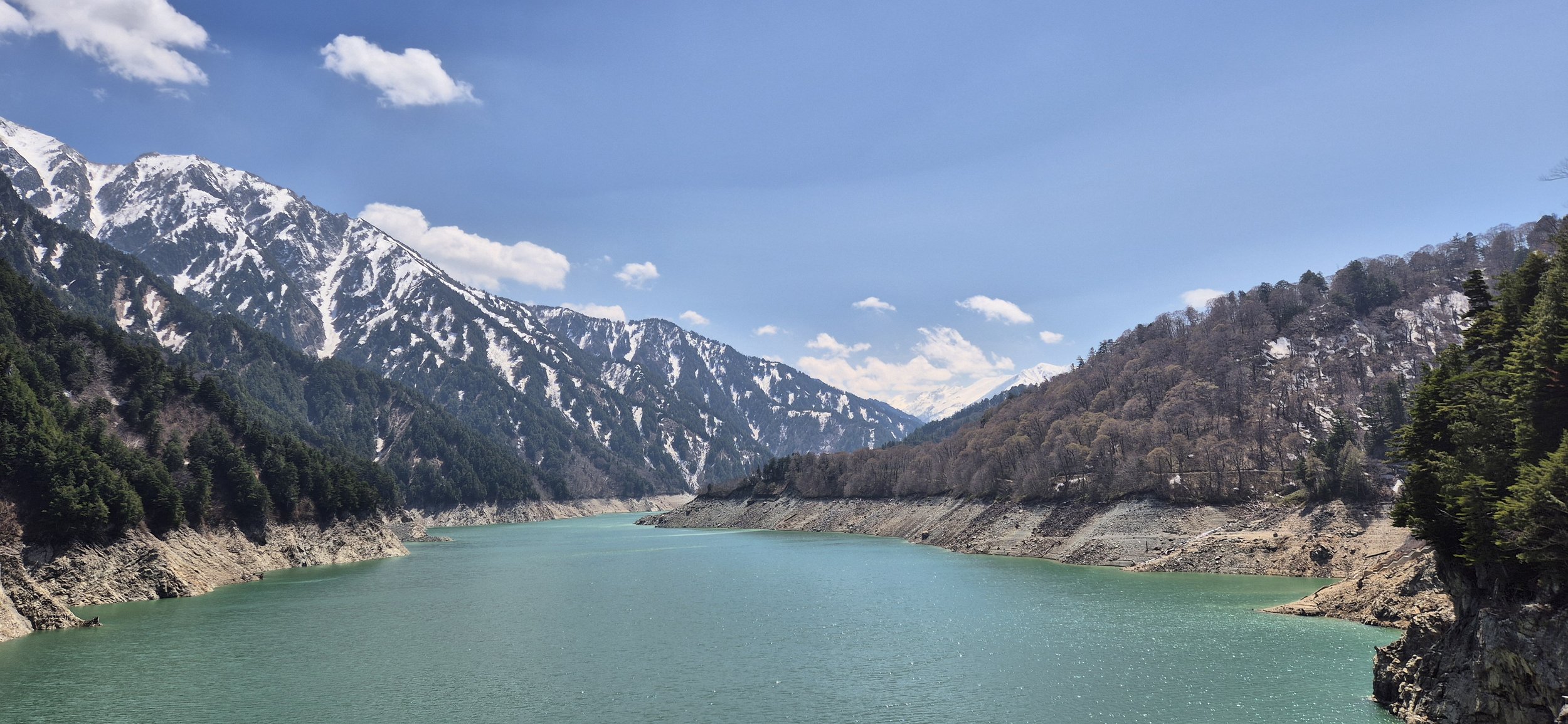
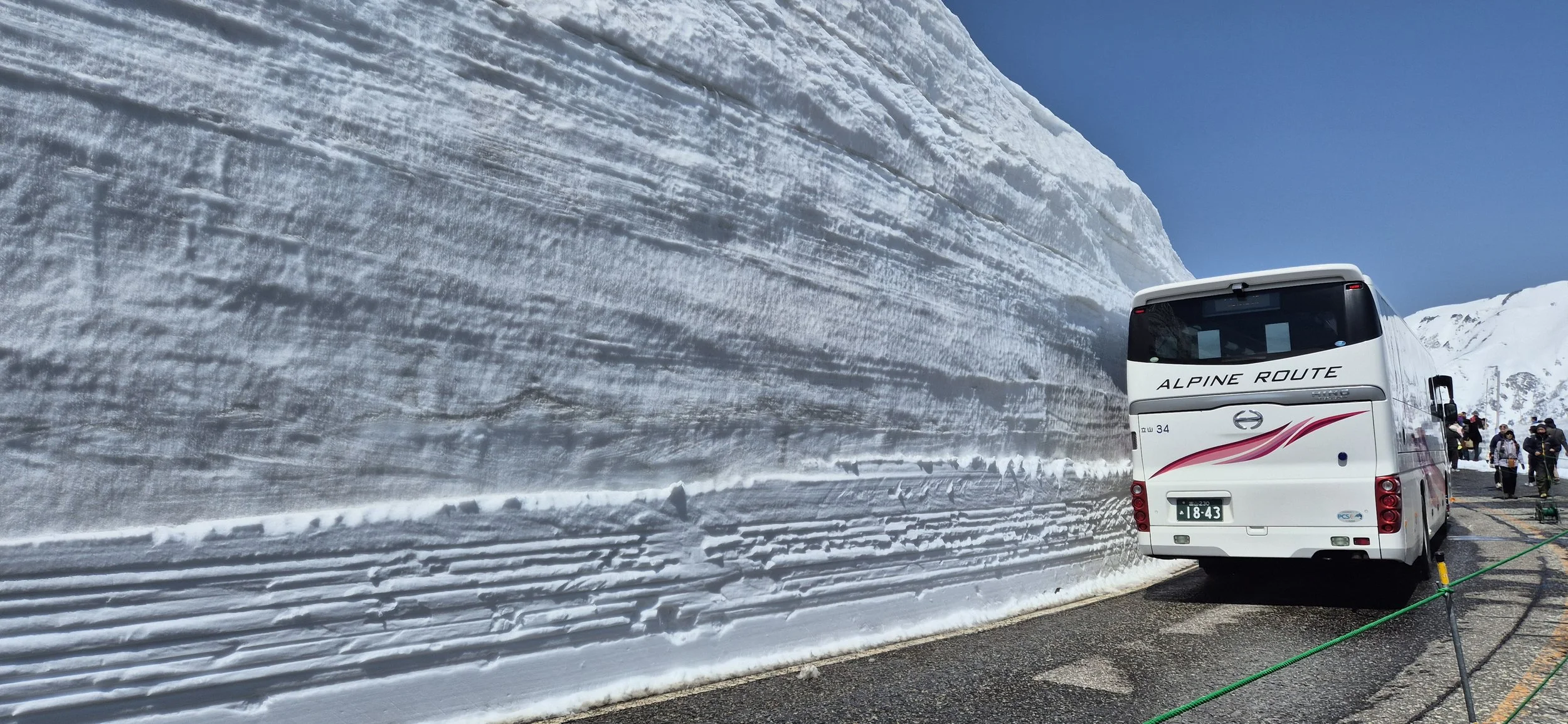
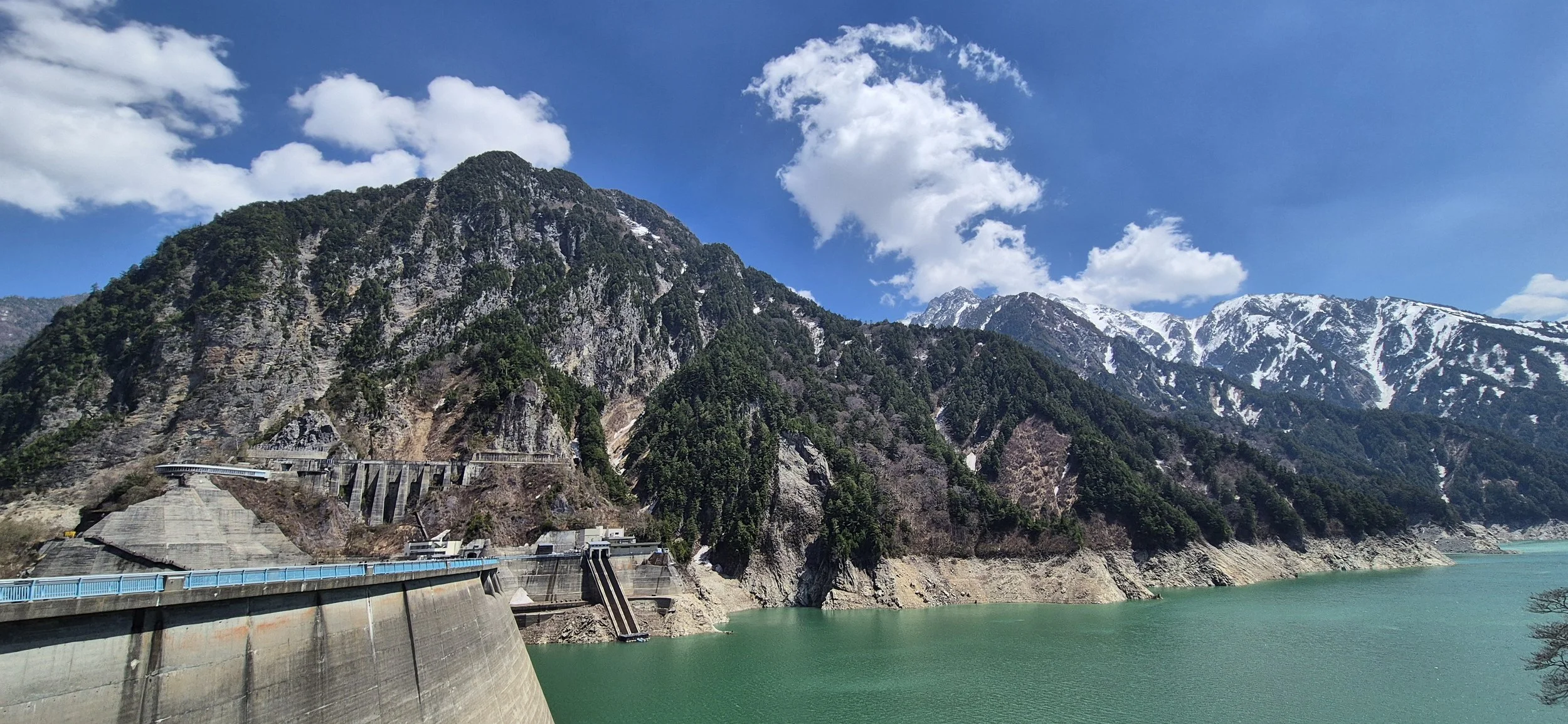
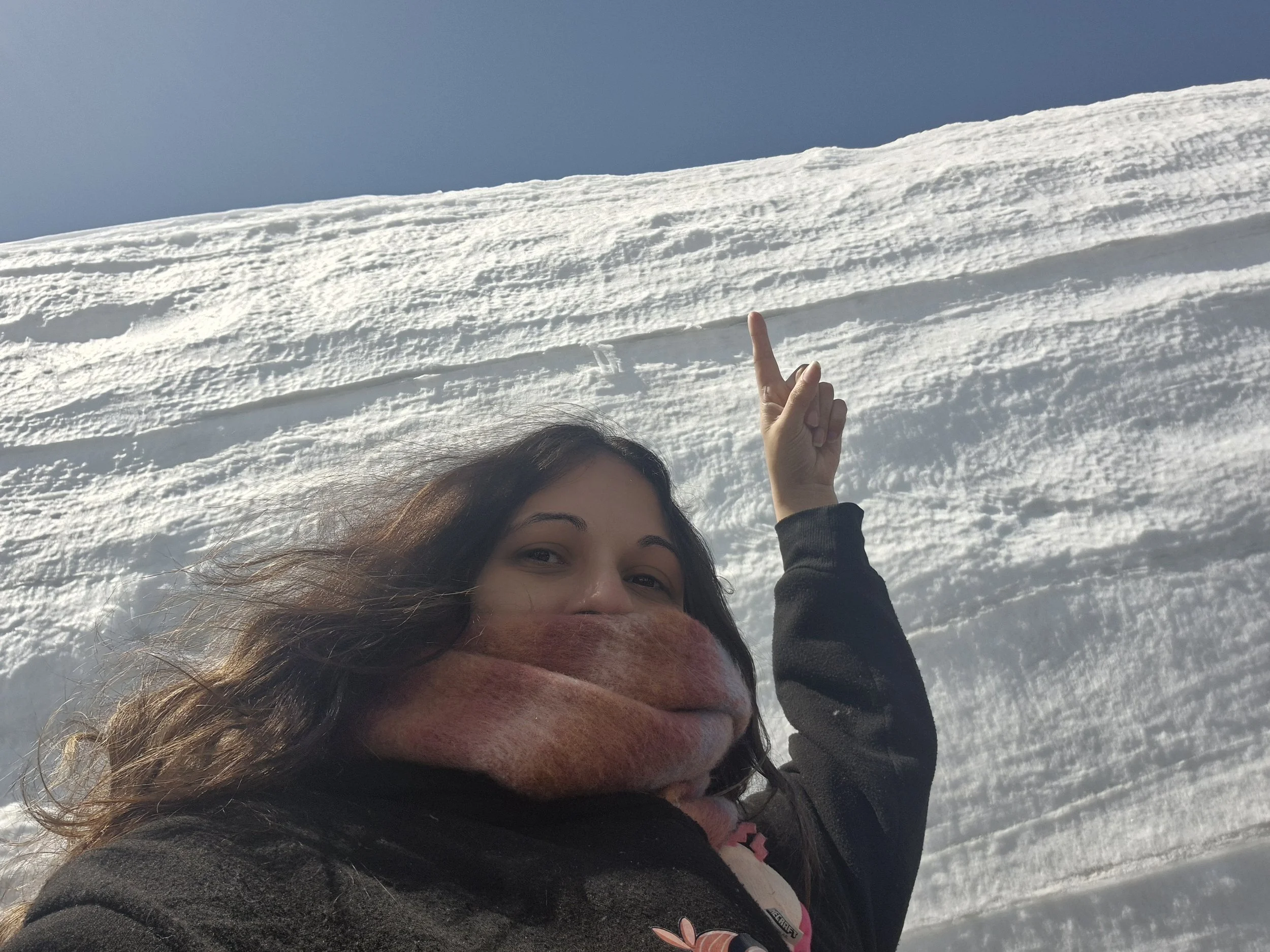
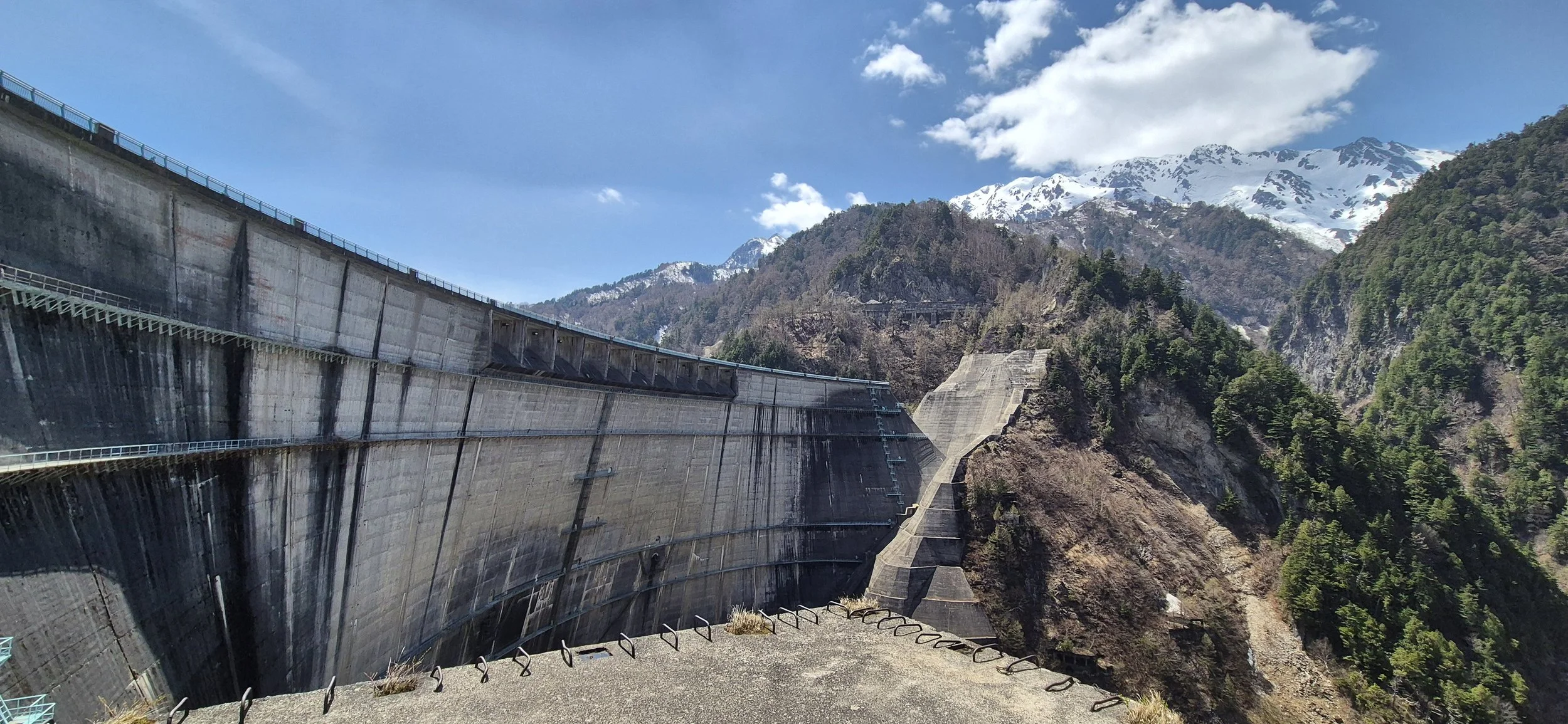
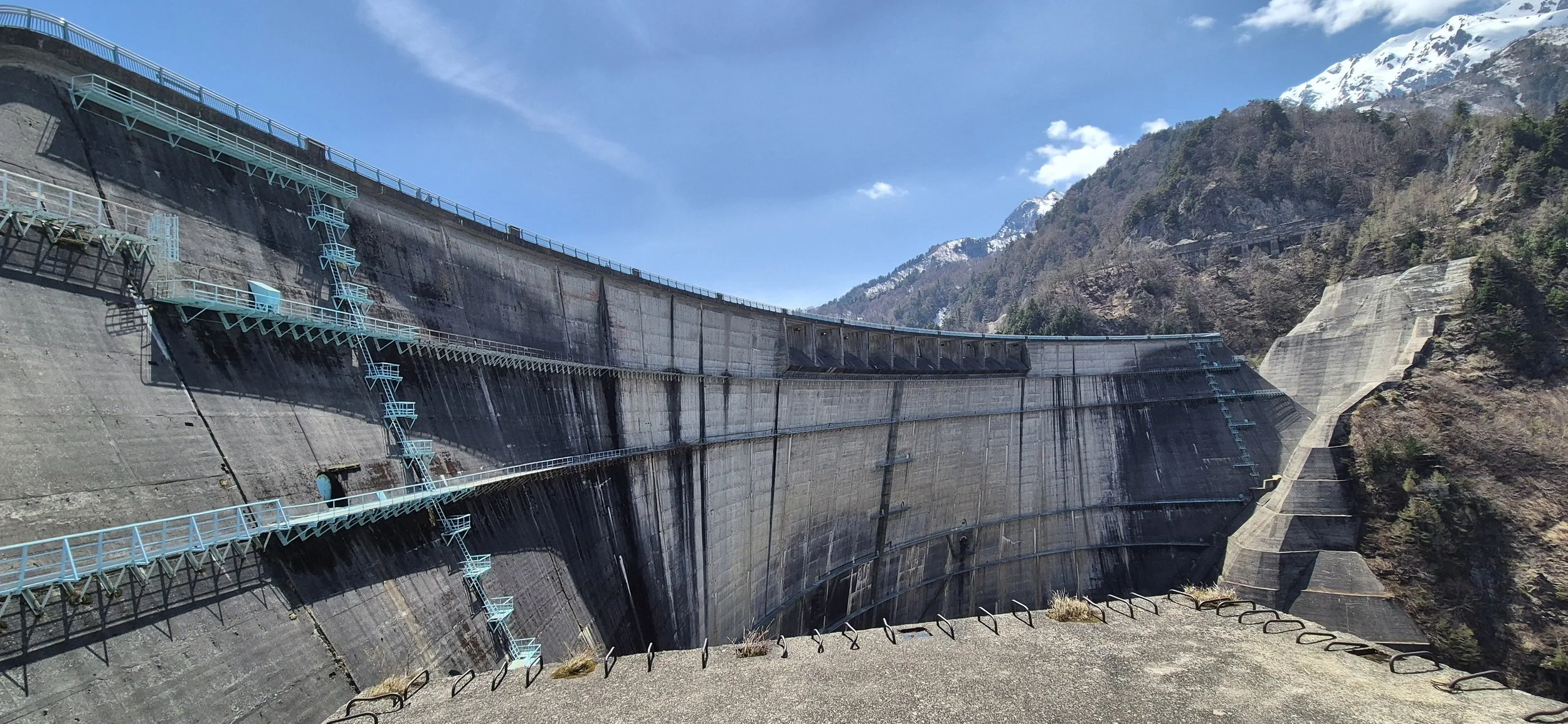
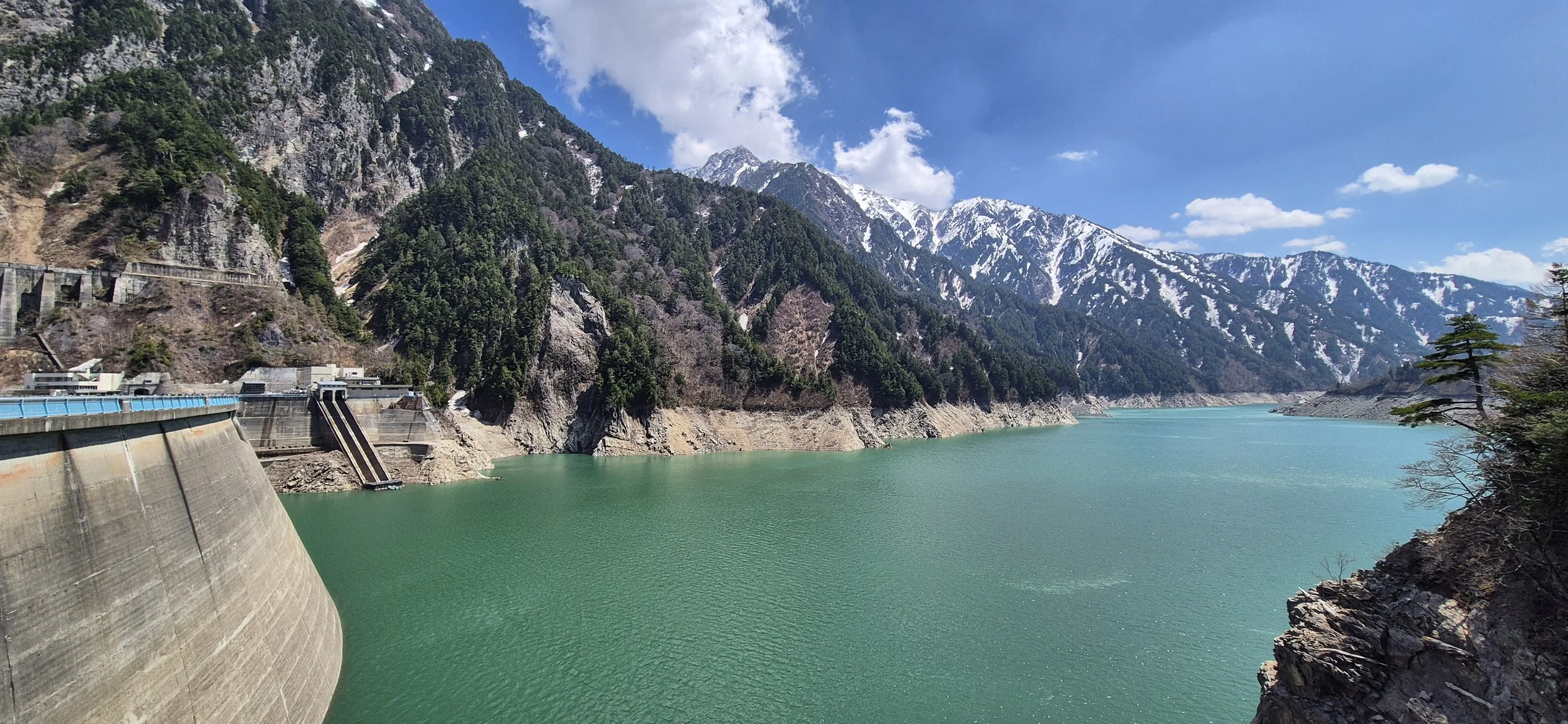
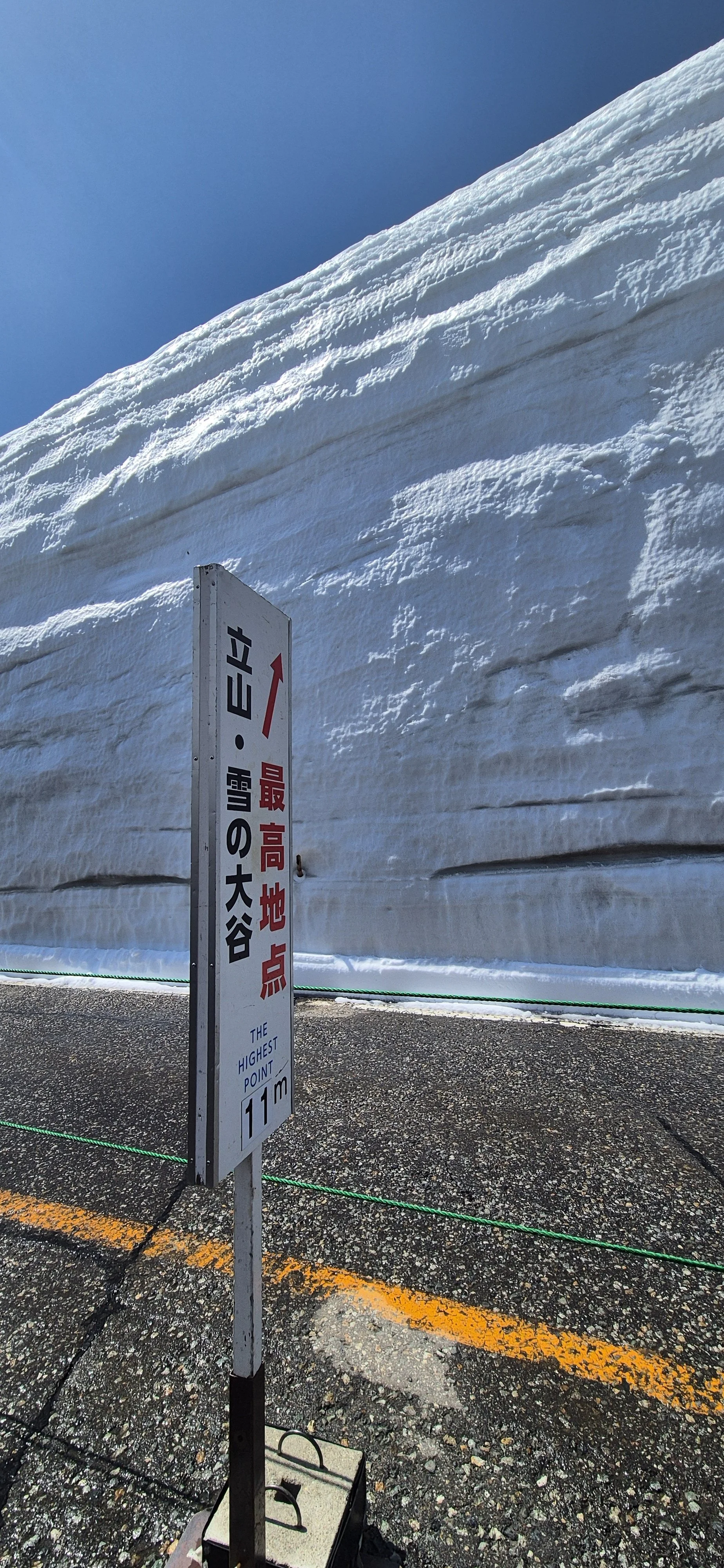
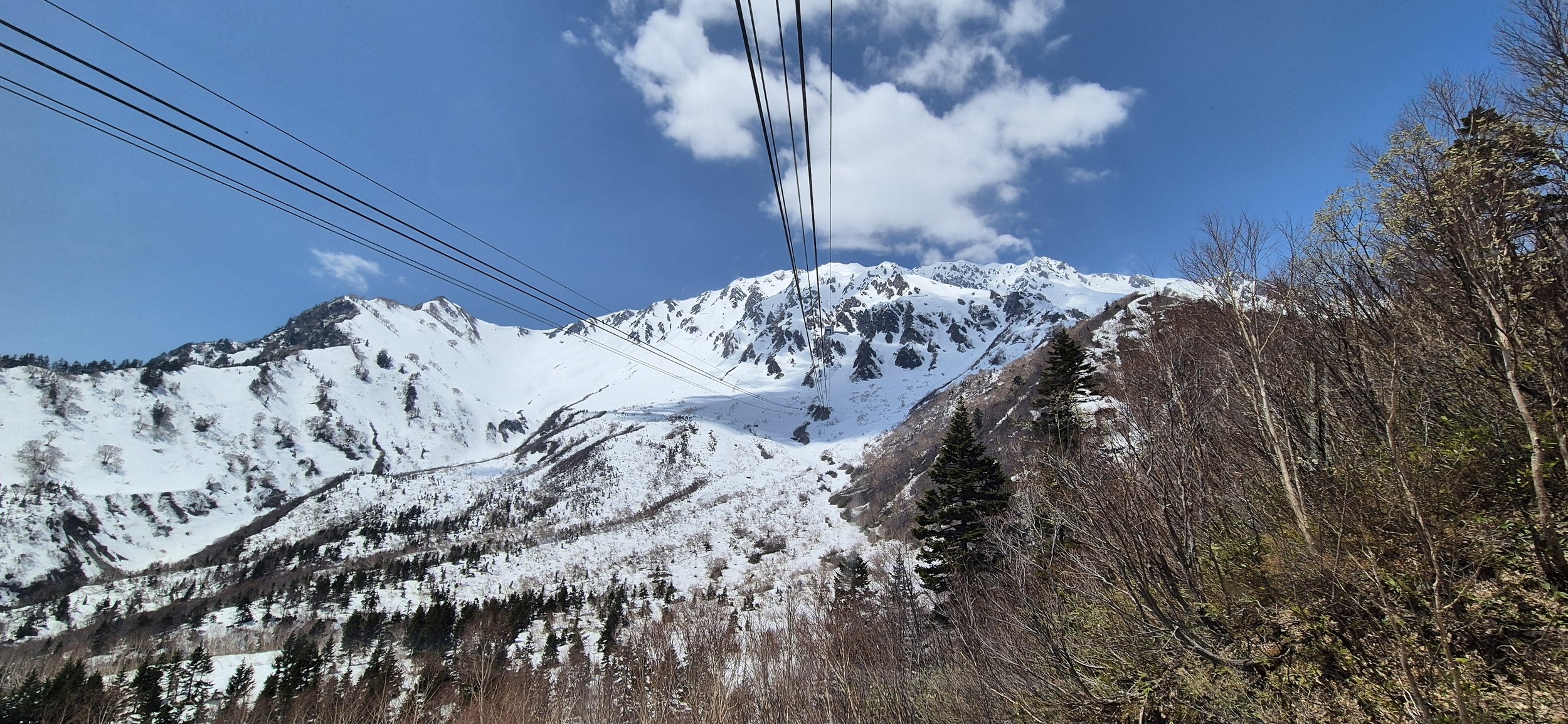
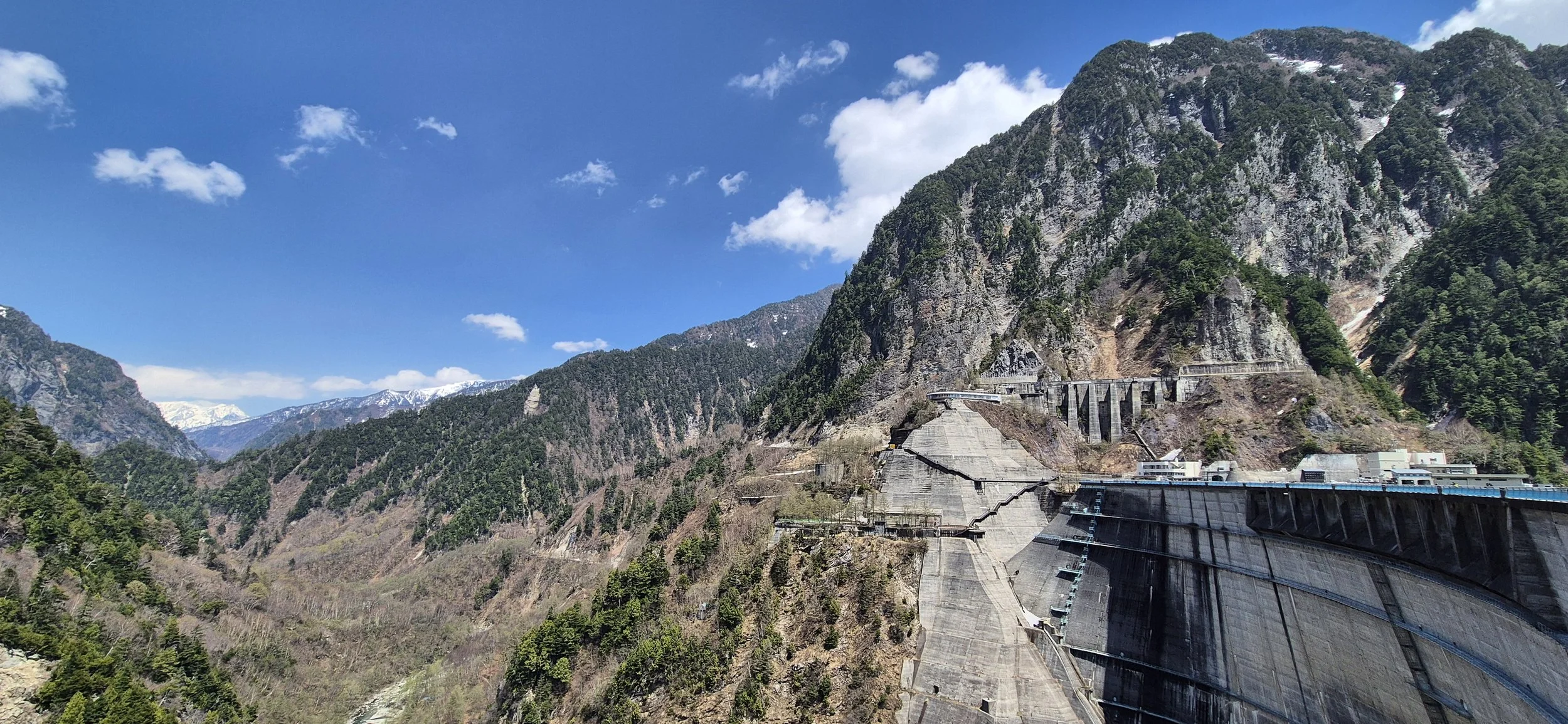
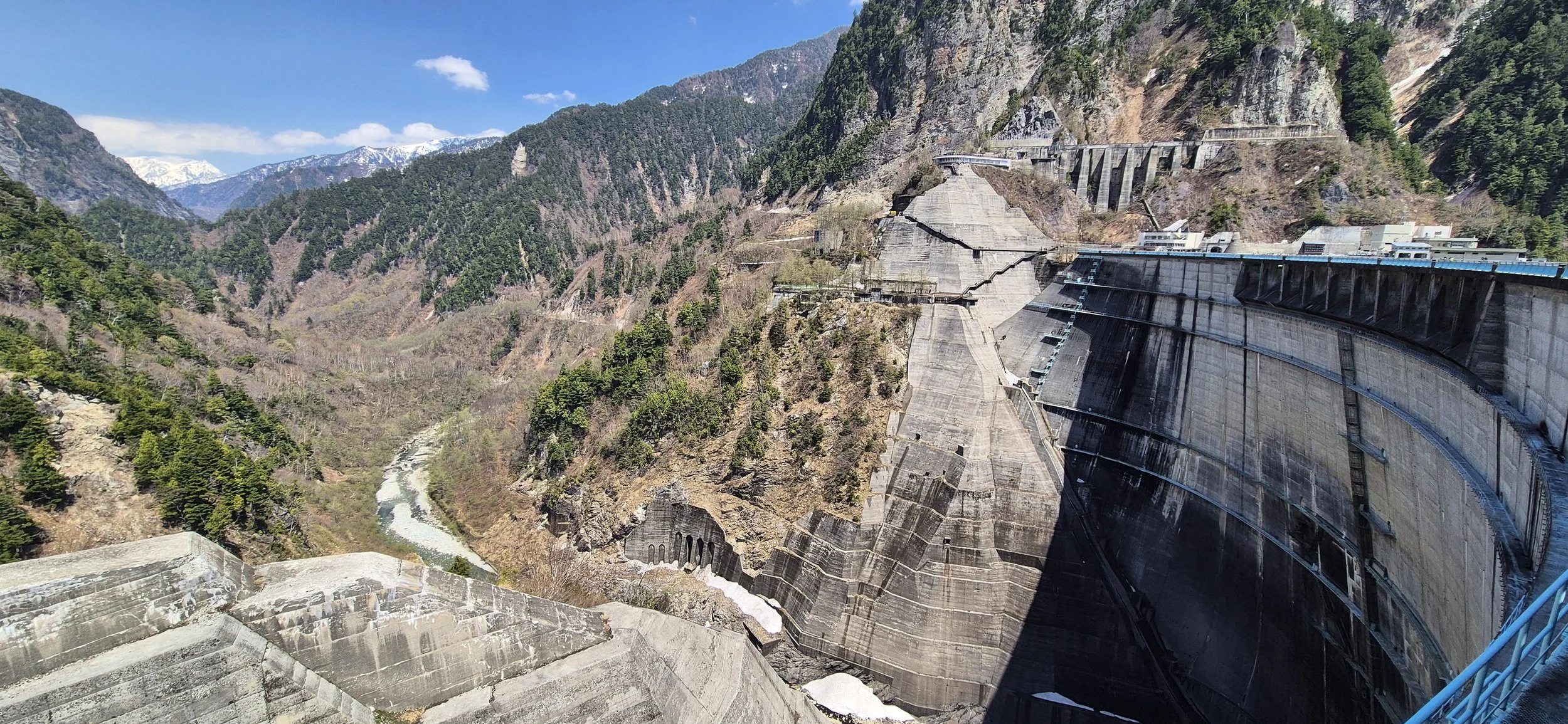
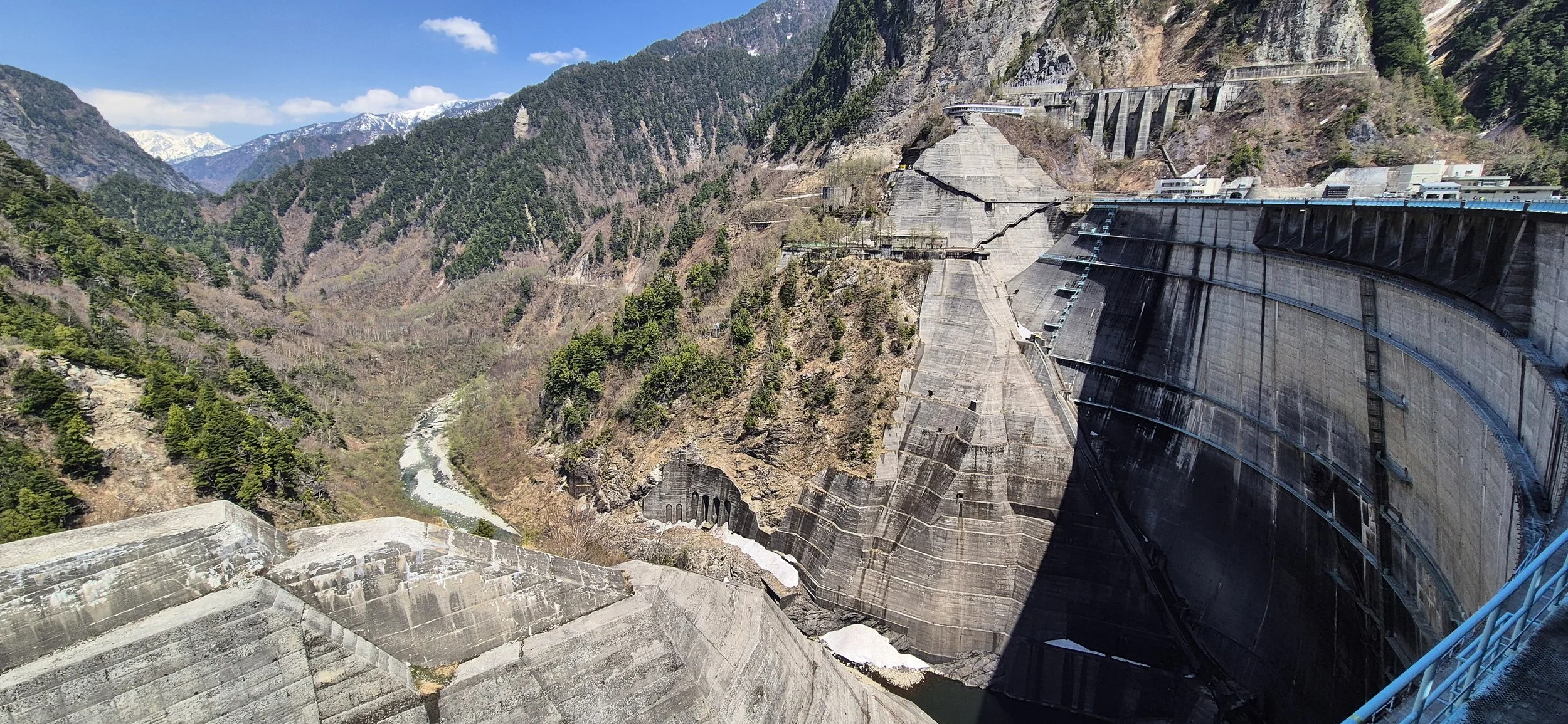
Completed in 1971, the pass links Toyama and Nagano, with a recently updated route that now features the awe-inspiring Kurobe Dam, a subject I've explored in a dedicated blog post. The dam itself is a destination worthy of at least half a day, inviting you to immerse yourself in the spectacle and grandeur of Japanese megastructures at their finest. If you’re travelling with luggage, I highly recommend using the forwarding service; your bags will be waiting for you at the end of the trip for a reasonable fee. Along the Alpine Route, you’ll encounter the majestic Tateyama mountain range, the breathtaking Chubu Sangaku National Park, and, of course, the Kurobe Dam. At its peak, the legendary snow walls soar up to 20 meters high, creating a corridor of shimmering white that you can stroll through on foot. Visitors can meander down a roped path to marvel at these icy giants up close, and the return journey to the bus terminal offers uninterrupted, sweeping views of the mountains.
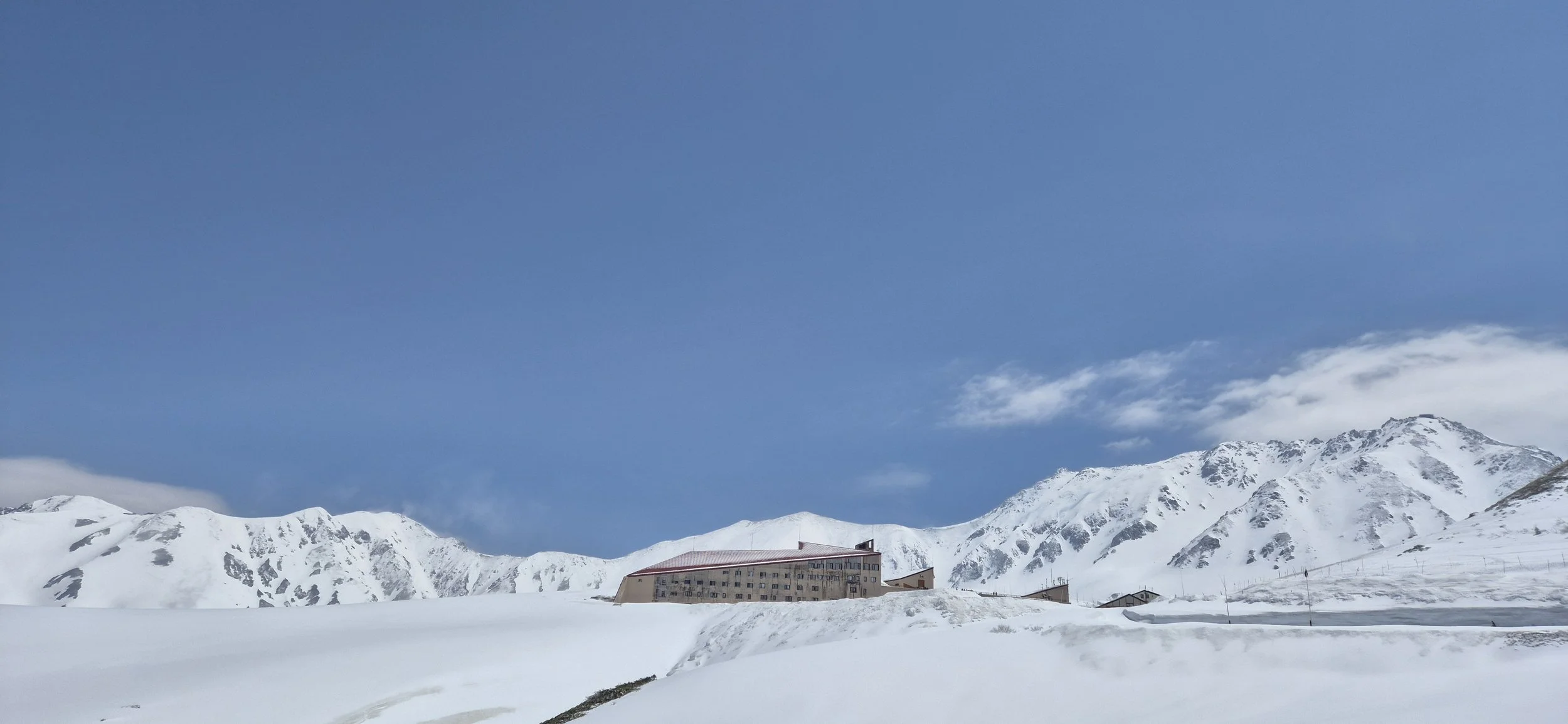
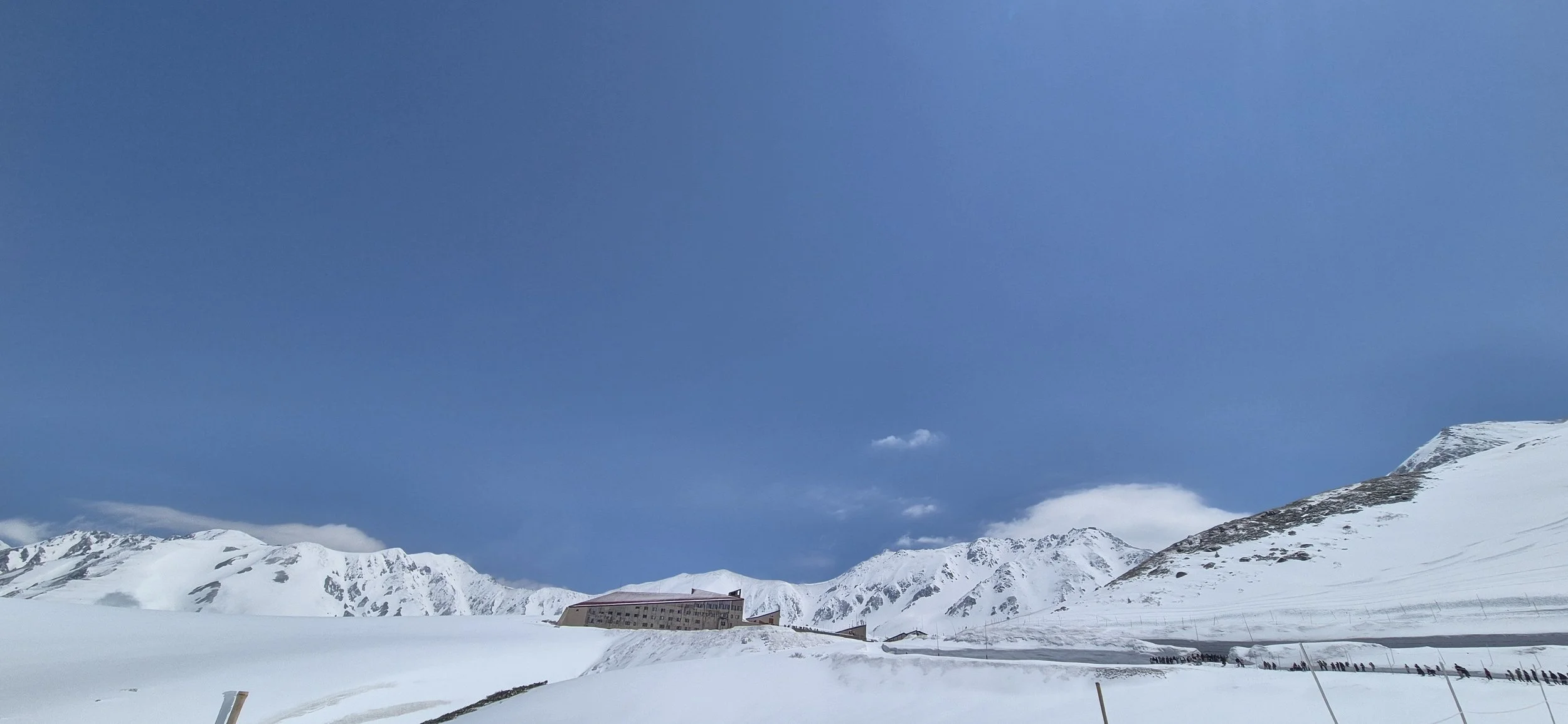
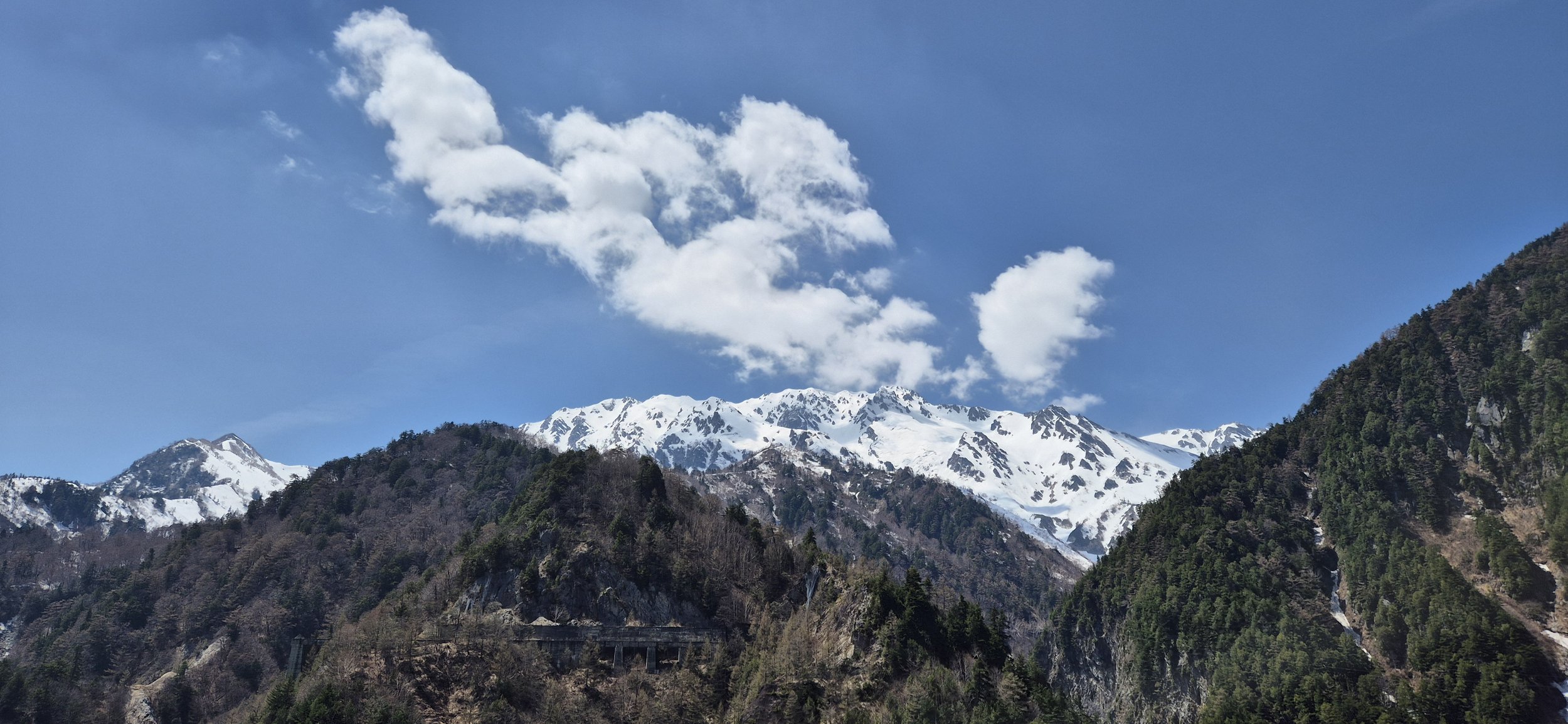
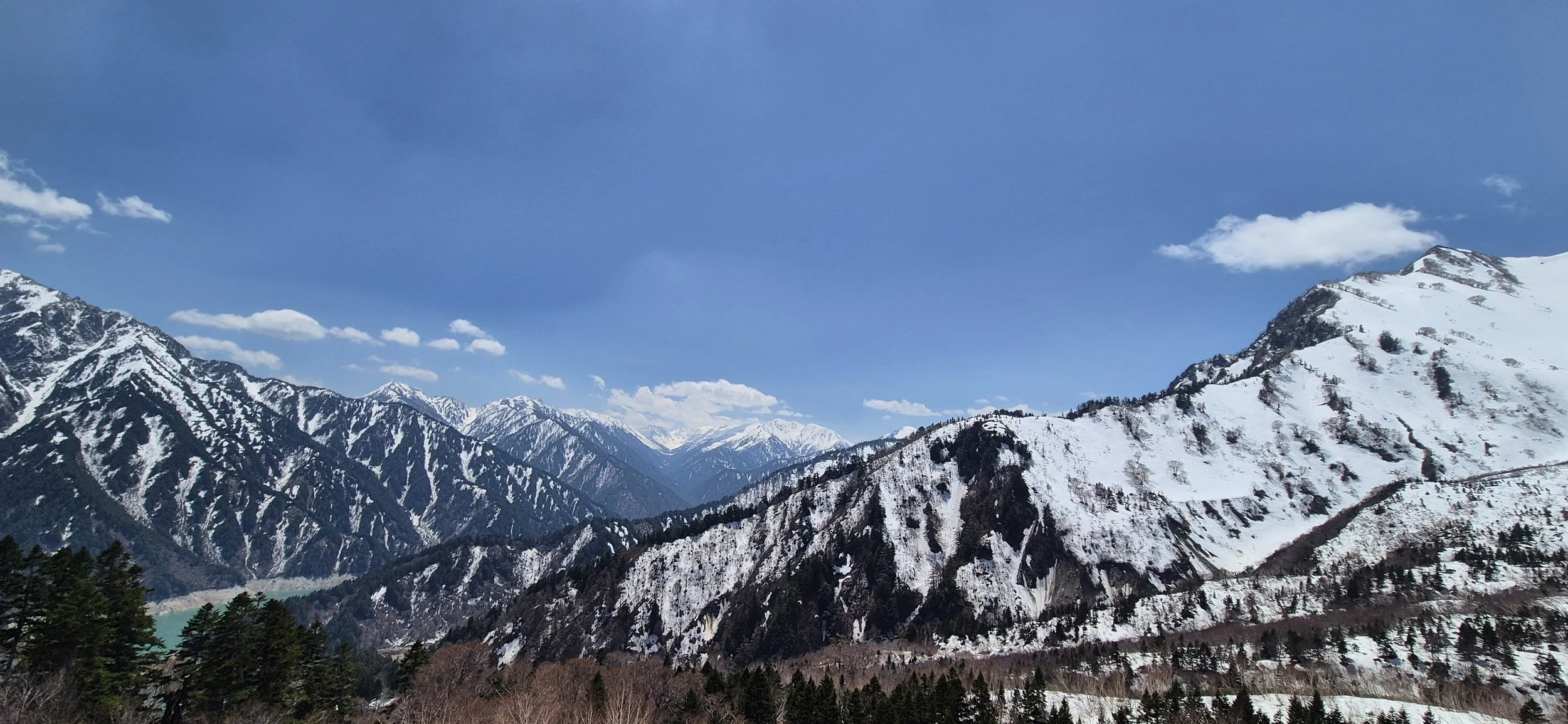
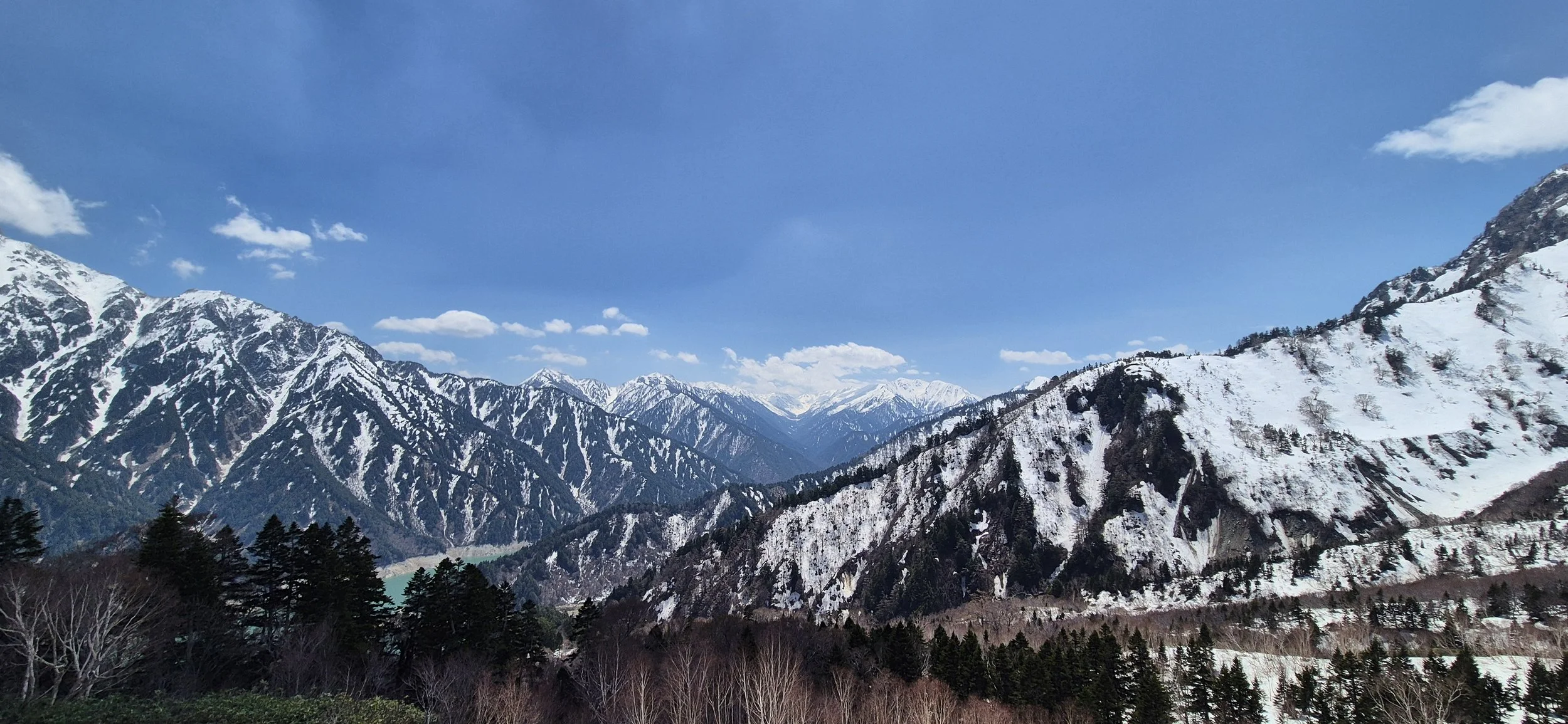
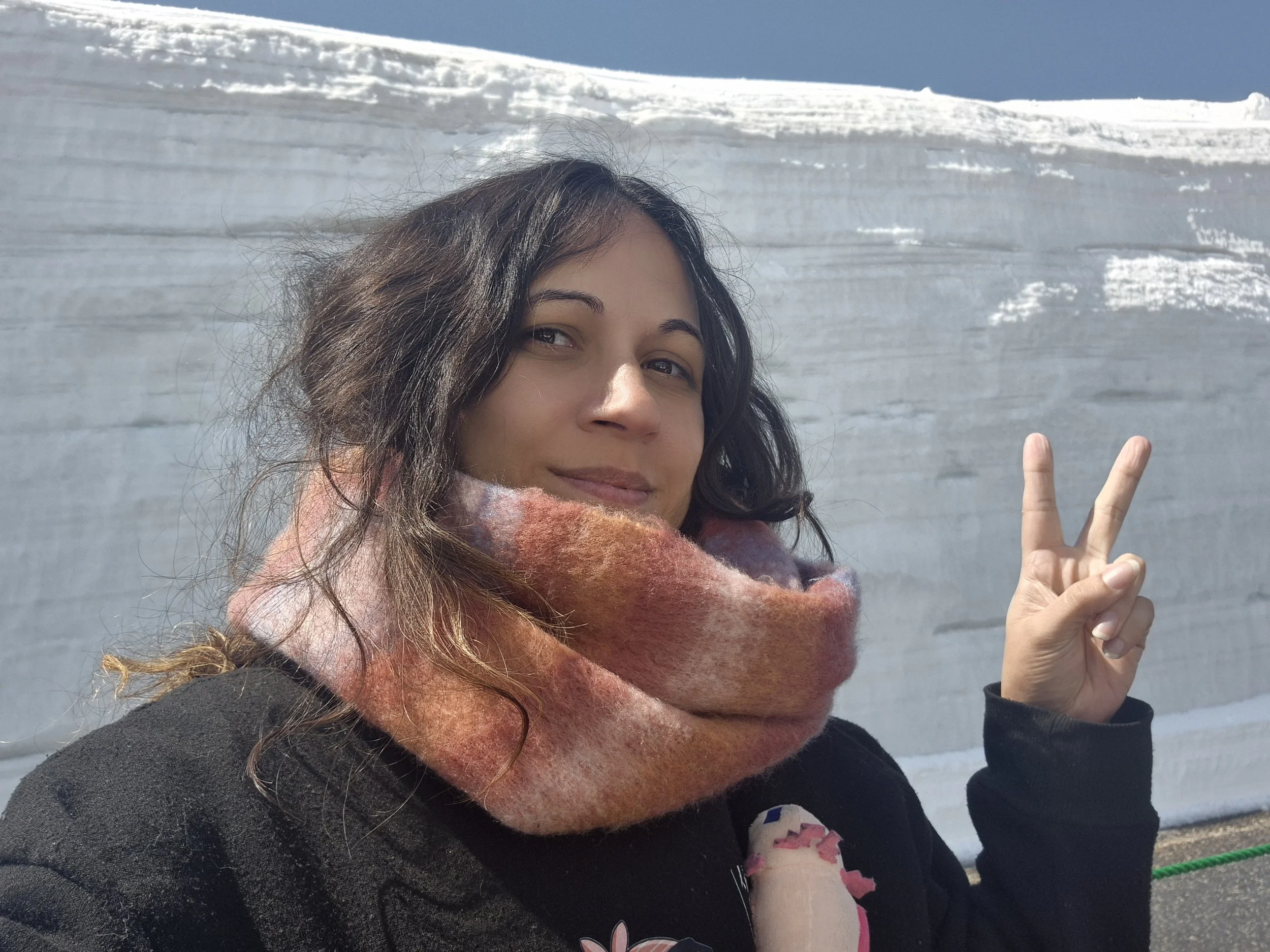
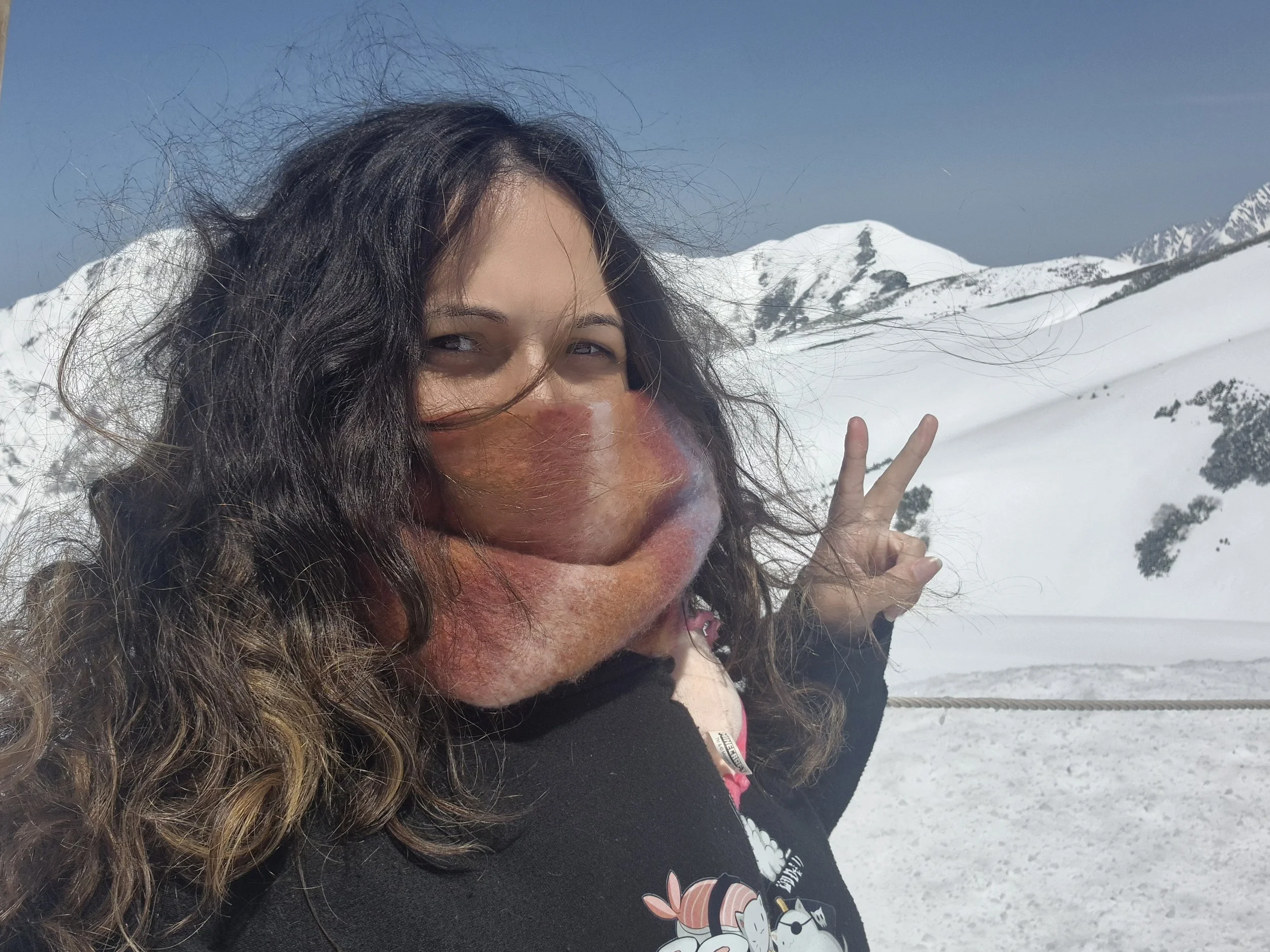
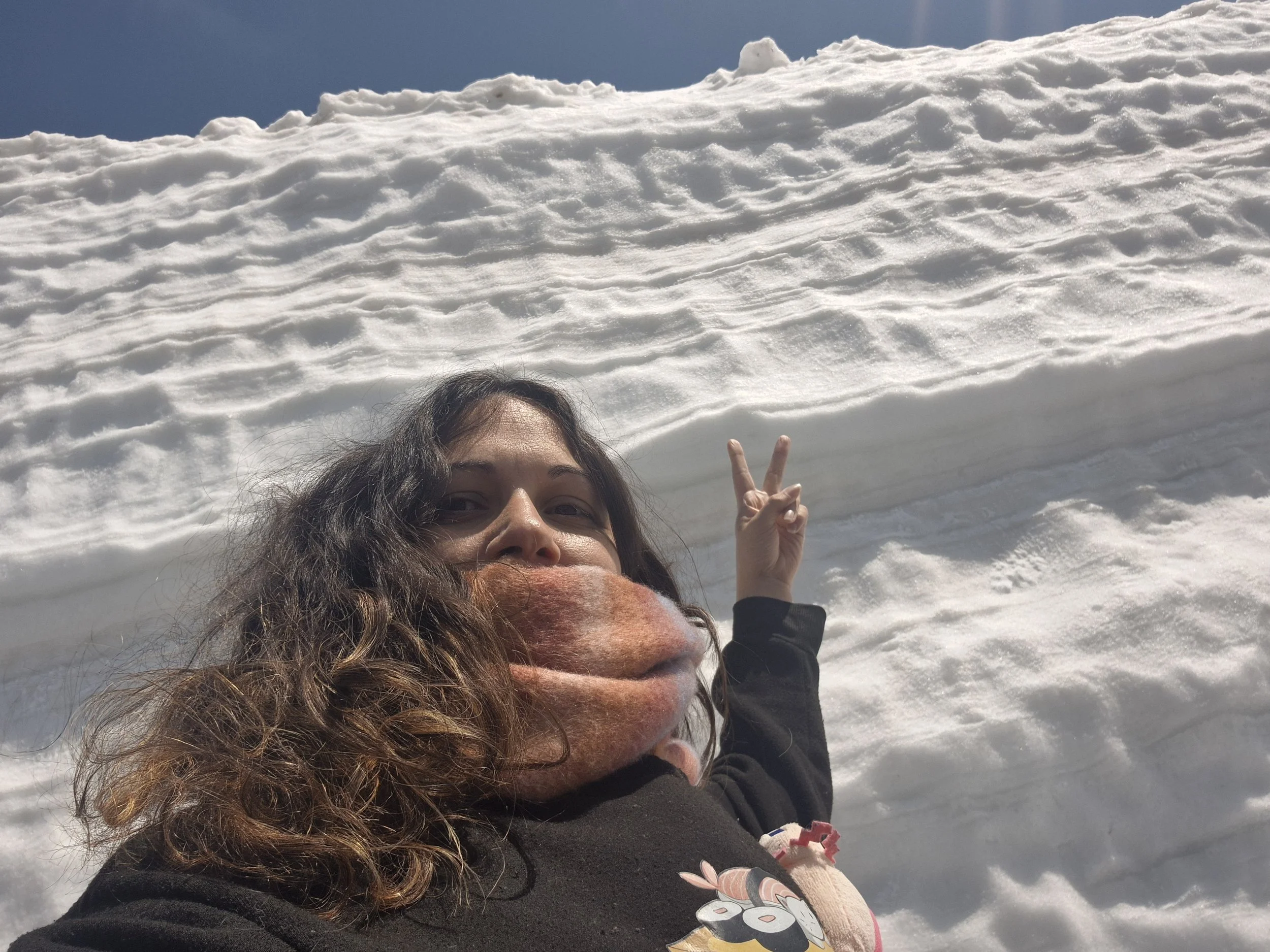
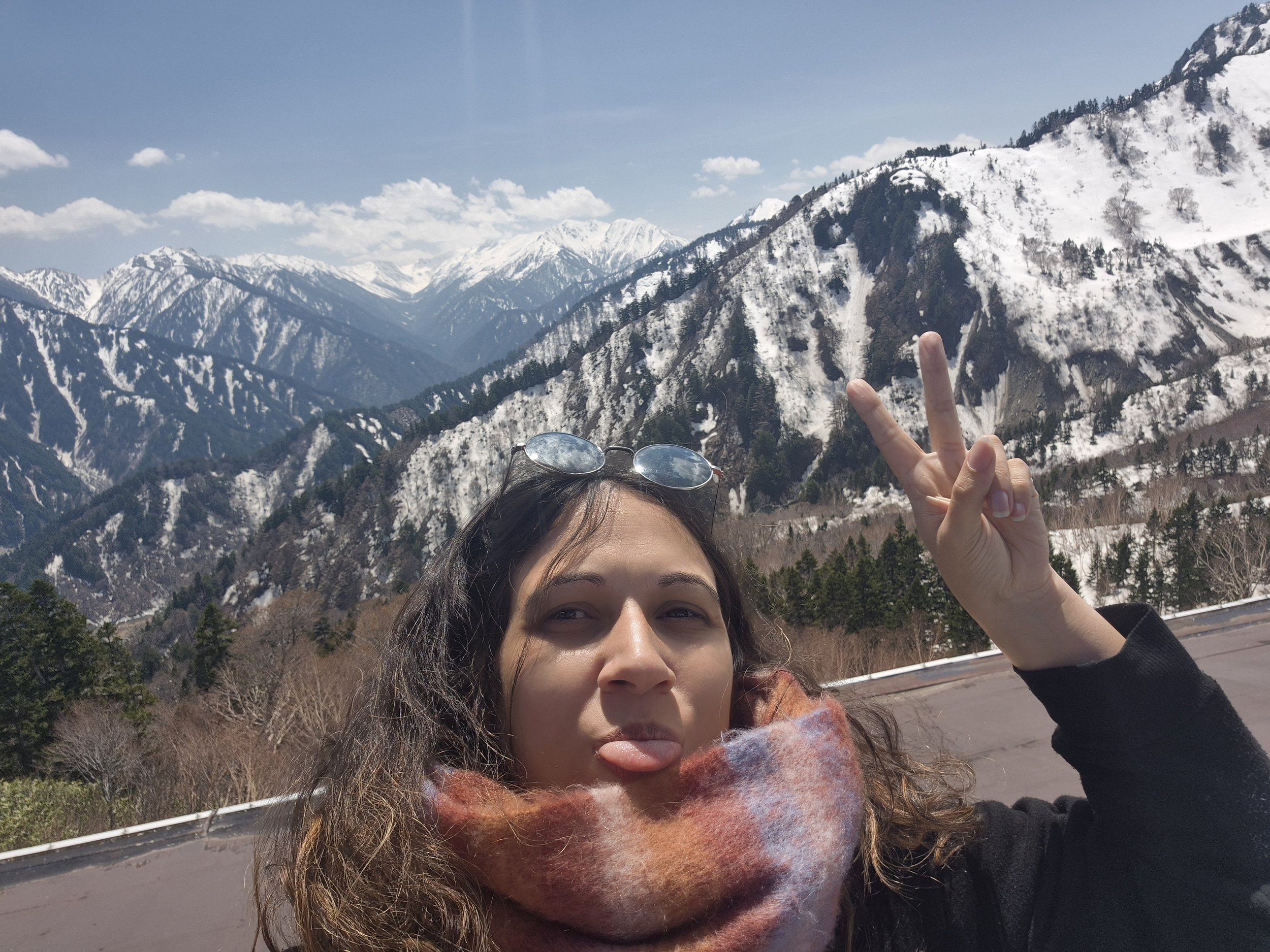
I visited in early May, when the snow walls still soared to an impressive 17 meters. The sunlight glittered off the mountains, and snow blanketed the ground, dazzling and almost blinding, so don’t forget to pack a good pair of sunglasses. For those tempted to hike across the snow, heed the stern warnings: venturing out unprepared is a gamble with your life, and hiking without a local guide is strongly discouraged. In the summer, as the snow recedes, the trails become safer, but the presence of bears means hikers should remain vigilant and cautious. The mountain range itself is nothing short of breathtaking; it's easy to understand why this destination tops so many bucket lists. While the snow walls were a wonder to finally witness in person, be prepared for crowds and lines, it was the mountains themselves and the mighty Kurobe Dam that truly stole the show for me.
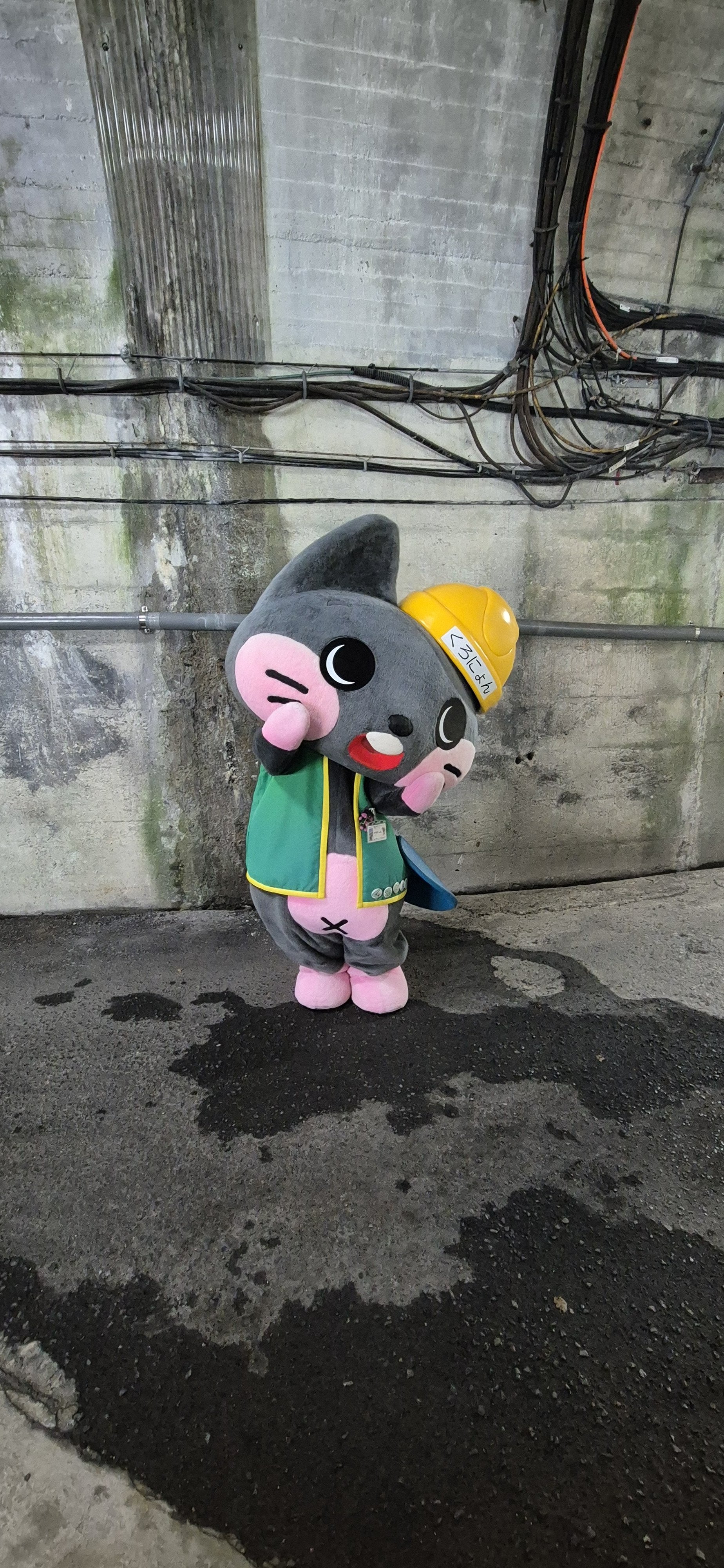
The pass has something to offer in all seasons; the fiery red leaves of autumn are said to be just as stunning. Later in the year, Kurobe Dam offers a rainbow experience, as the melted snow water is released, creating a shimmering rainbow. Visitors can view this rainbow from a designated observation deck; the dam offers guests a chance to learn about its impressive creation, including the challenges it faced. I have written a more in-depth blog for those who are curious to know more. The dam offers fun, playful themed foods, including Dam curry, rice shaped like the dam walls, and the curry below replaces the water. There is even a spicy version of this curry that is tasty. There is a souvenir shop for guests wanting dam merch and a chance to encounter the cute mascot Kuro Ni San, who is happy to pose for pictures and features on his own merch.
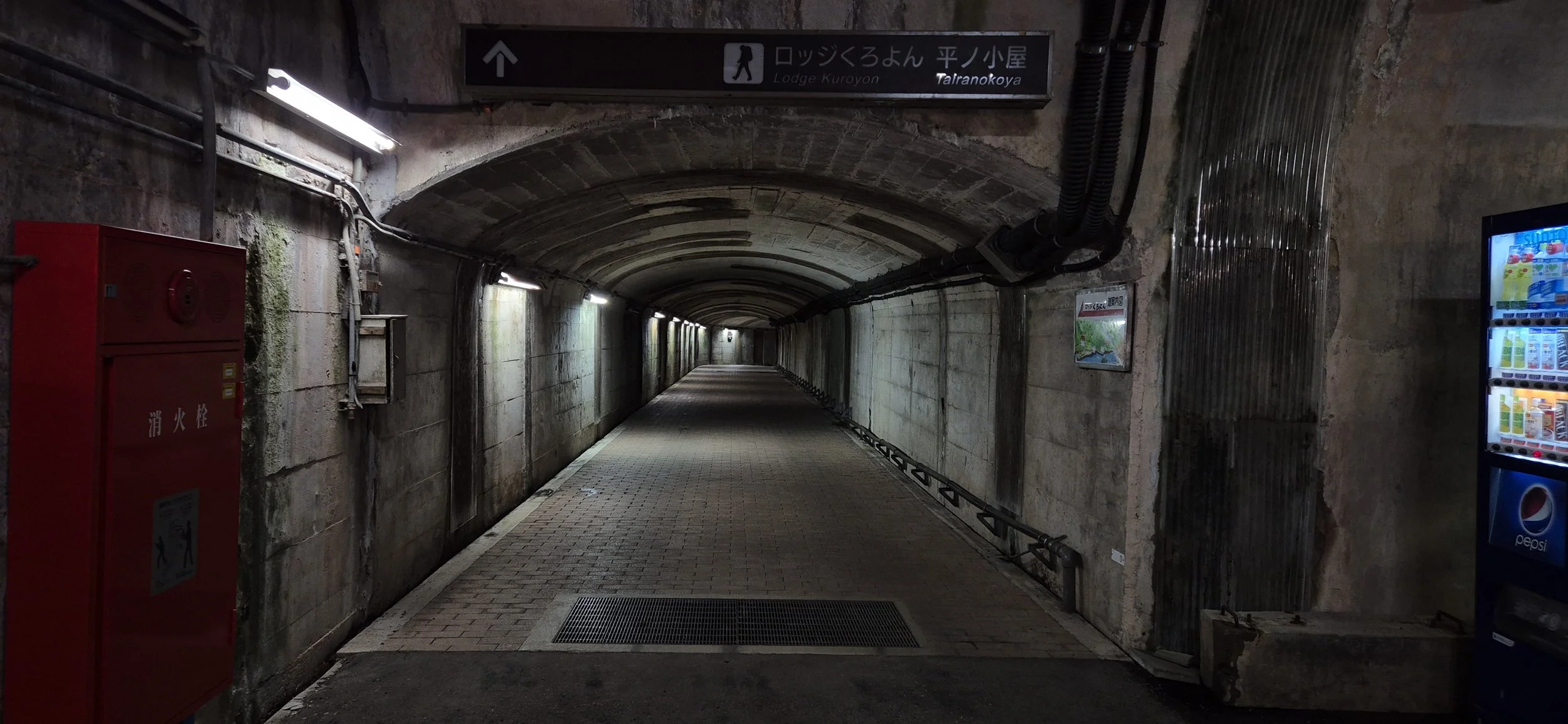
Along the pass, there are several dedicated places for photos and food. The route is signposted well, and it is easy to follow even if you do not speak Japanese. The route offers a stamp rally for those who want to create their own souvenir from their experience. The national park has a few hotels where serious hikers or lovers of snow sports can stay during the snowy season. Prices are usually very high due to the limited amount of space and the fact that supplies during the snowy season must be brought up via bus along the pass. At the rest points, there is free internet for guests to use, but be prepared to have no signal at multiple points during your adventure through the pass.
Visitors can buy a round trip or a one-way through the pass; there are also options to visit just the Kurobe dam from the Nagano side. For those reliant on public transport, you will need to buy a ticket once you’re through the pass to the prefecture’s capital or beyond if your journey continues elsewhere. I followed the route from Toyama to Nagano, which is the most popular direction taken; tickets for the reverse direction tend to sell more slowly, so if you did miss out, check out the reverse direction. Both Toyama and Nagano are connected to Tokyo via the Shinkansen, so alterations are easy to make if needed.
My journey was amazing, and I would love to revisit in the summer or autumn to view the changing colours and the rainbow. I took amazing images and made memories that will stay with me long after I leave Japan. The pass offers a rare experience to those who do not hike; it allows them to enjoy breathtaking scenery and scale mountains without needing to be in shape. The pass allows people to experience Japan’s wilderness and reminds people that nature is a force to be respected.
For those with an early slot, I recommend bringing an extra layer, a scarf and gloves. My journey started at half 5, and upon reaching the cable car station, I was told that a fresh layer of snow was being cleared, meaning all cable cars were suspended for two hours. It gets cold! At the cable car station in Toyama, there is a store selling winter clothing and supplies. In case your slot is delayed, I would use the opportunity to ensure you have everything. But it is best to come prepared.
All in all, the Alpine pass is a must-see if you ever come to Japan, the panoramic views and scenery is breath taking, and by the end of the route you will truly feel like you have achieved something and seen rural Japan at its finest. The experience will stay with me, and I am happy I had the chance to tick this off my bucket list. Japan is a country full of beautiful scenery and experiences and the pass no matter when you visit is one that you will not regret seeing.