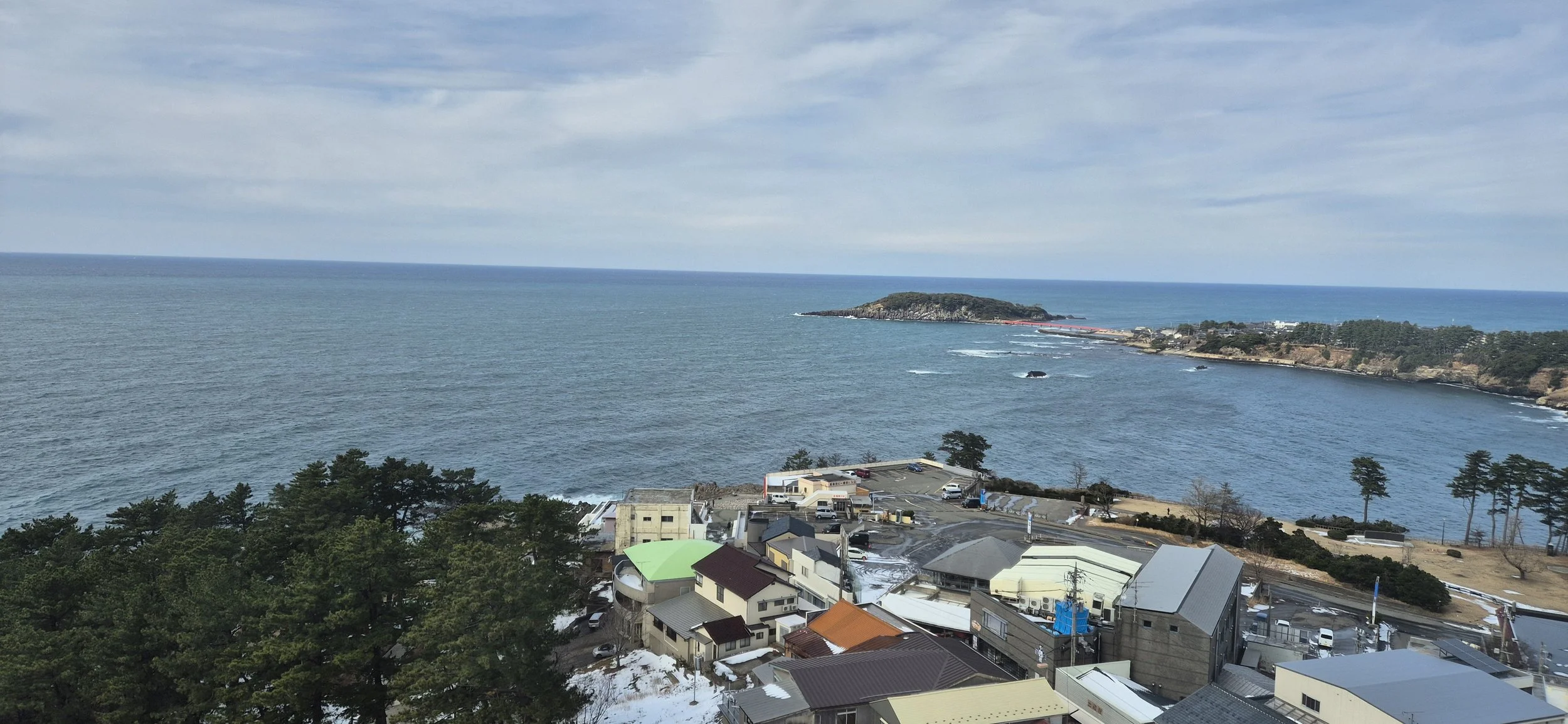
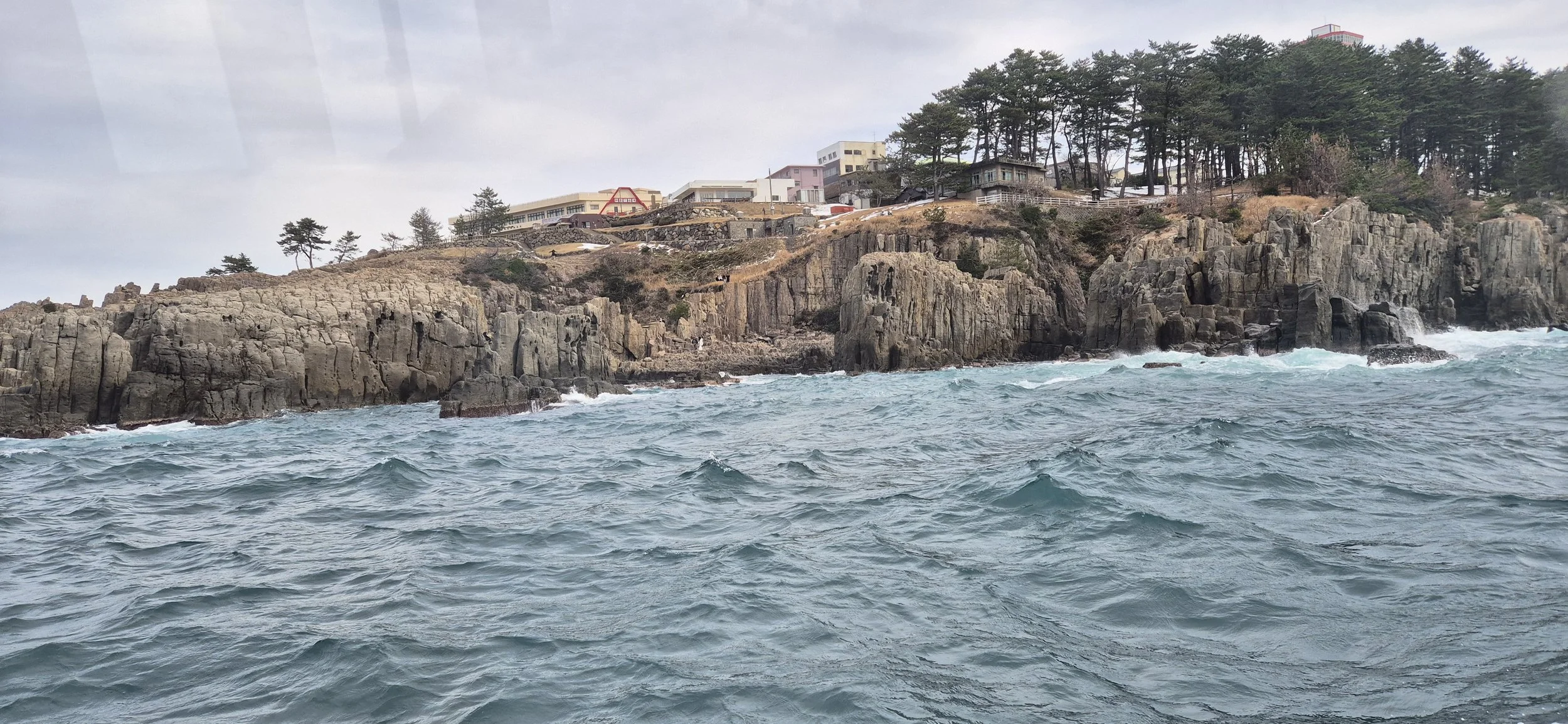
Perched in northern Fukui, gazing out over the Sea of Japan, the Tojinbo cliffs stand as a breathtaking geological marvel. These dramatic pillars, sculpted by ancient magma over 12 million years ago, rise boldly from the waves in striking hexagonal shapes. Centuries of relentless sea erosion have carved them into a mesmerizing landscape that draws visitors from near and far. Travelers can journey to Tojinbo by scenic local train or bus from Fukui city or Ishikawa, arriving to find the Tojinbo tower atop the cliffs, where sweeping panoramic views await. A footbridge leads to Oshima Island, home to a revered fishing shrine and guardian deity. Today, this awe-inspiring coastline is preserved as a national park, stretching for a kilometer.
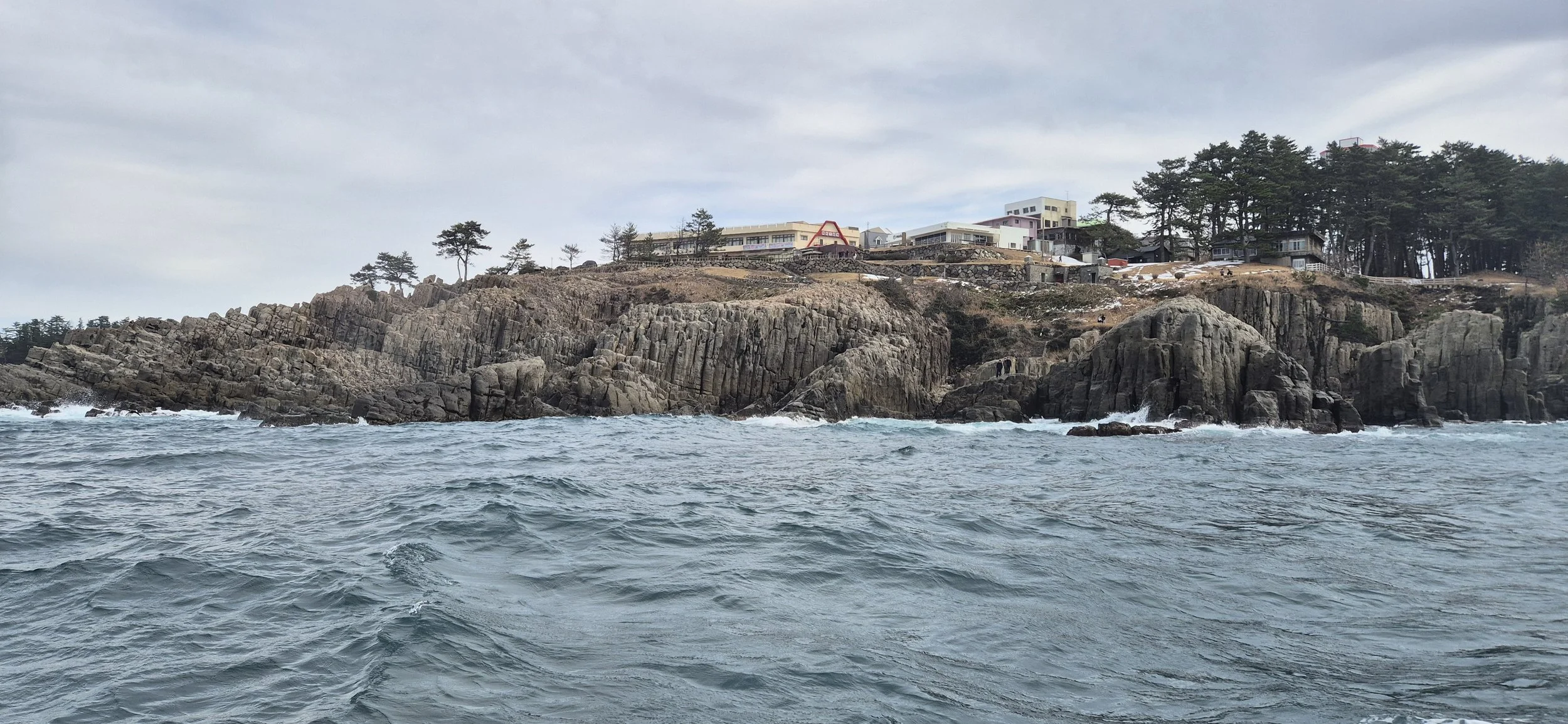
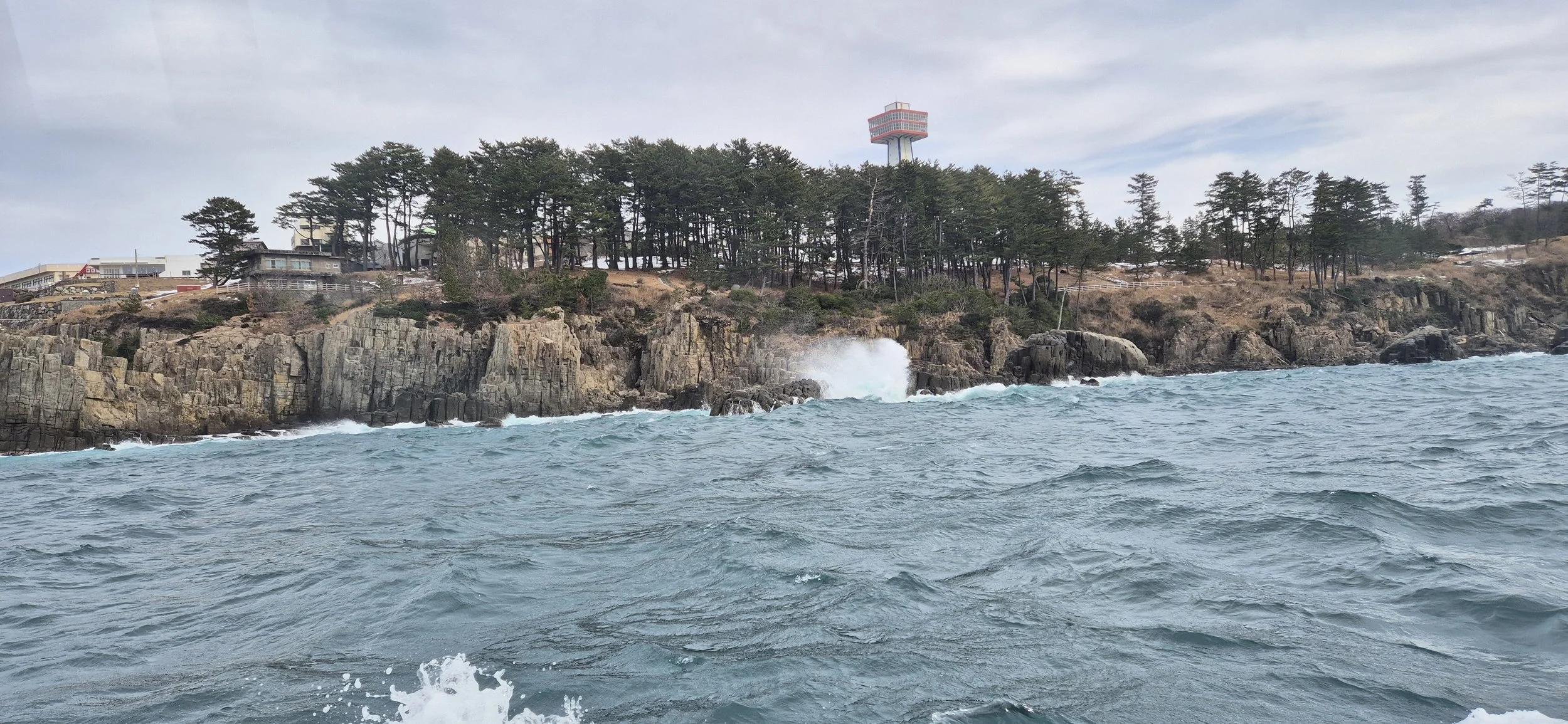
Millions of years ago, volcanic forces sculpted the world, leaving behind wonders like the Tojinbo columns. These striking formations, found in only a few places such as the Korean peninsula and Norway, rise dramatically from the earth. Over centuries, wind and water carved them into the breathtaking shapes we see today. Adventurous visitors can board a sightseeing boat that glides close to the cliffs, sometimes entering the wider passages where towering stone walls create a cathedral-like atmosphere. Fukui takes special pride in its dinosaur heritage, and one section of the rocks resembles a dinosaur, adding to the site's popularity.
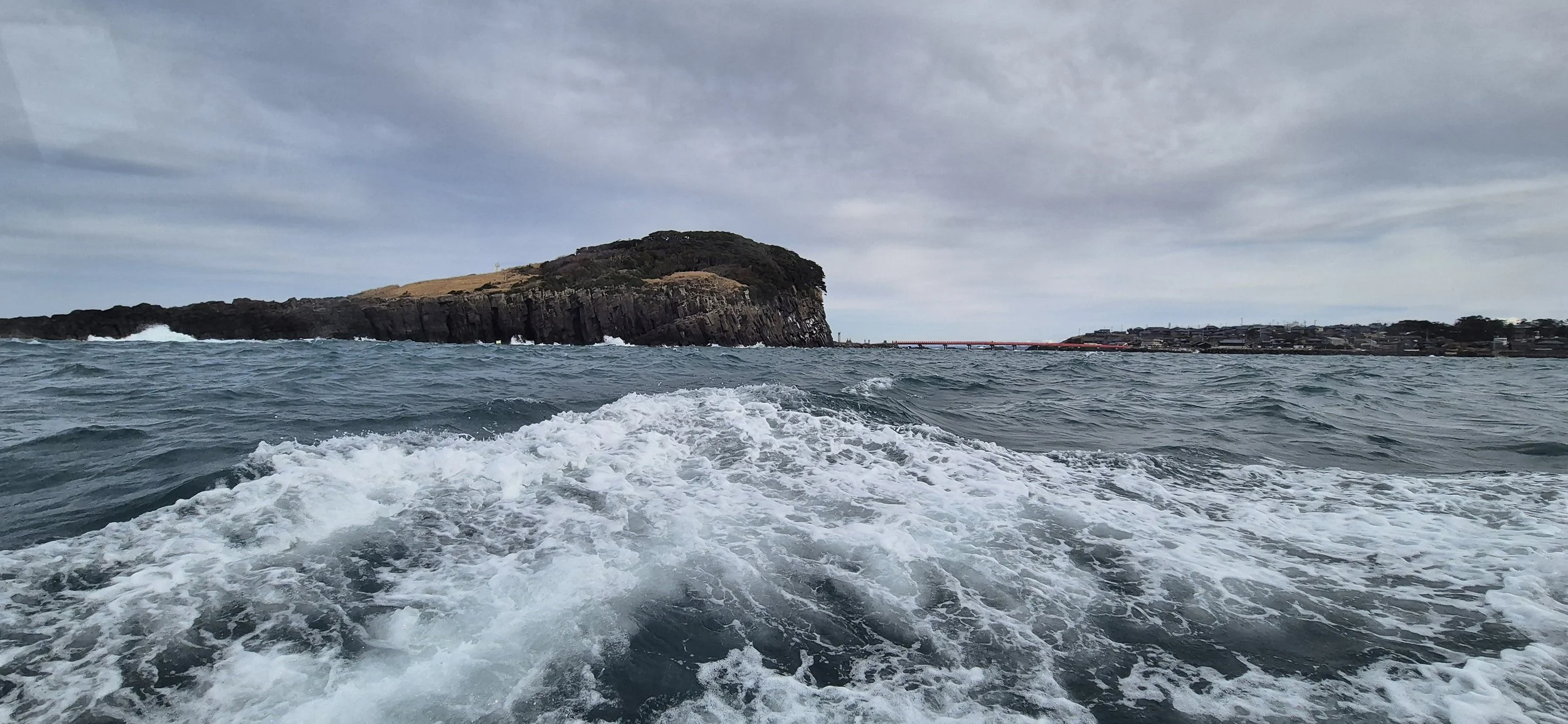
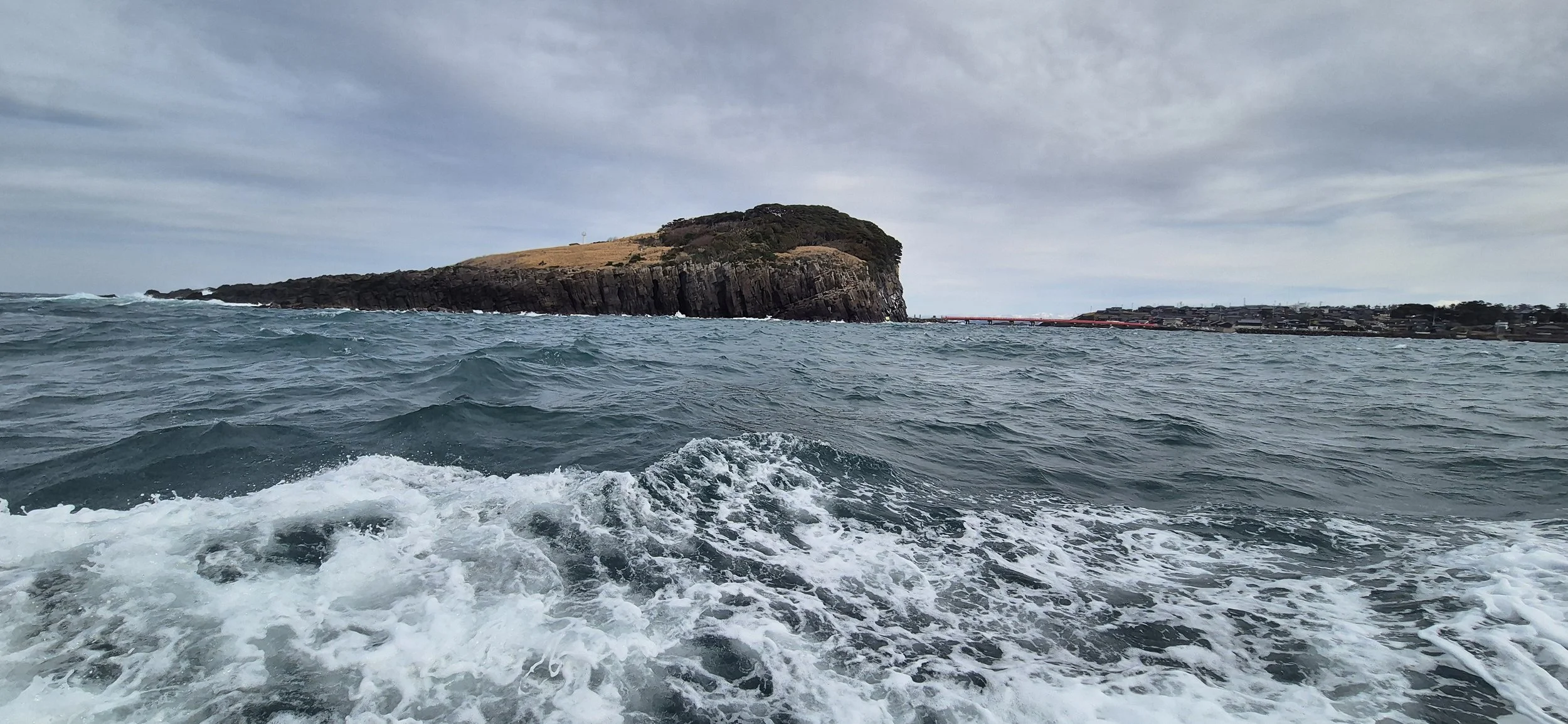
From the boat visitors will see the cliffs from different perspectives as they tower high above! From the water, you’ll also score unbeatable views of Oshima, revered as the island of the divine. You can’t miss the vivid red bridge arching across to the mainland, or the tori gate that stands guard over the waves. Guests can offer prayers for safe travels and prosperous fishing at the shrine, a beloved spot among local fishermen. This region is a seafood lover’s paradise, so treat yourself to the freshest local catch. On my visit, I braved wild, post-snowstorm seas which were very choppy, boats had resumed after a day of cancellations! Only one launch site was open, so be sure to check online for the latest updates. My journey was a rollercoaster on the waves with no close-up with the cliffs, and a queasy stomach was my souvenir. But on a sunny day, this boat ride promises unforgettable adventure and spectacular scenery!
Tojinbo is a top tourist attraction in the area, drawing many visitors each year. There is a large, inexpensive, and conveniently located car park by the tower. The cliffs are just a short walk from here, and after exploring the island of Oshima and the cliffs, you can visit the Tojinbo shopping street. The island features a 1.2 km walking path and is covered by a primeval forest, mainly consisting of cinnamon trees. Visitors can pray at a shrine located on the island. The island is also home to unique rock formations, shaped like plates, which differ from Tojinbo’s famous cliffs. You can see the distinct layers of magma and various rocks within them. The shrine is especially popular with tourists because it offers a clear view of the cliffs.
The lively shopping street leading to the island tempts visitors with the scent of fresh seafood and whimsical, cliff-shaped sweets inspired by Tojinbo. Each year, the shrine on Oshima hosts a vibrant festival, where a boat-shaped shrine glides across the bridge, carrying prayers for the safety of the fishing community. The cliffs themselves are steeped in legend. I discovered many tales, but a few stood out to me. One tells of a monk named Tojinbo, disliked by all, who fell for a beautiful princess. With many suitors vying for her affection, jealousy brewed, and one rival lured Tojinbo to the cliffs, pushing him into the sea. His restless spirit was said to stir up fierce winds and rain each year on a specific day, until a compassionate priest performed a ritual to calm his soul. The storms ceased, and today, a pillar stands in his memory. Another rumor claims Tojinbo simply fell to his death, leaving out the romance. The cliffs bear his name, and I think it is up to each visitor to decide which story rings true. In every version, though, Tojinbo seems to have been a rather unpopular monk.
Another tale, equally bold, tells of a corrupt Buddhist priest whose misdeeds infuriated the local temple and townsfolk, who hurled him from the cliffs into the sea below. Sometimes, the name Tojinbo is given to this ill-fated priest. Whether all these stories refer to the same man remains uncertain, but his legacy is unmistakable: the cliffs now bear his name for all the wrong reasons. Such legends deepen the cliffs' allure and sense of mystery. Perhaps these stories serve as warnings, urging humility and reminding us that even the most beautiful places can be perilous. And Priests named Tojinbo should move to a landlocked prefectures just incase they upset any townsfolk.
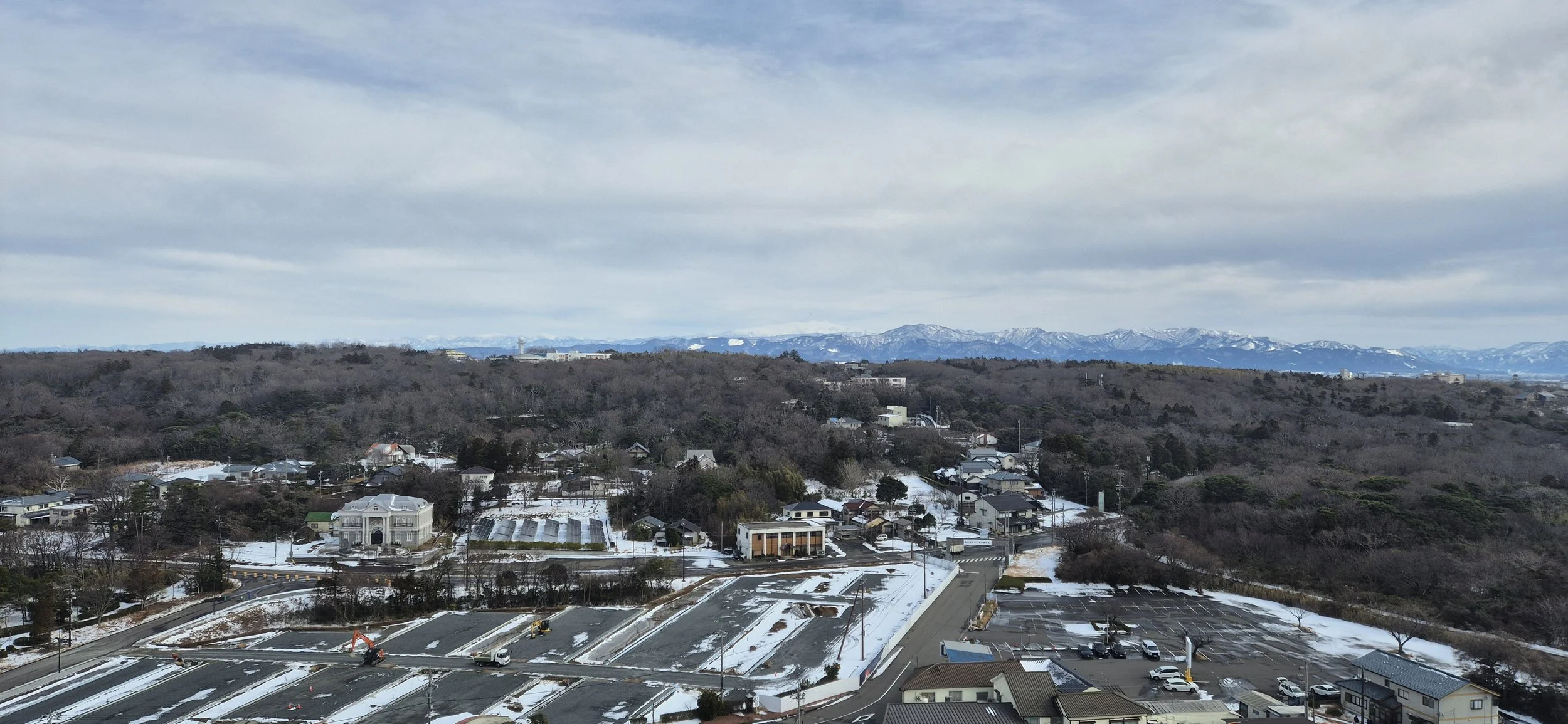
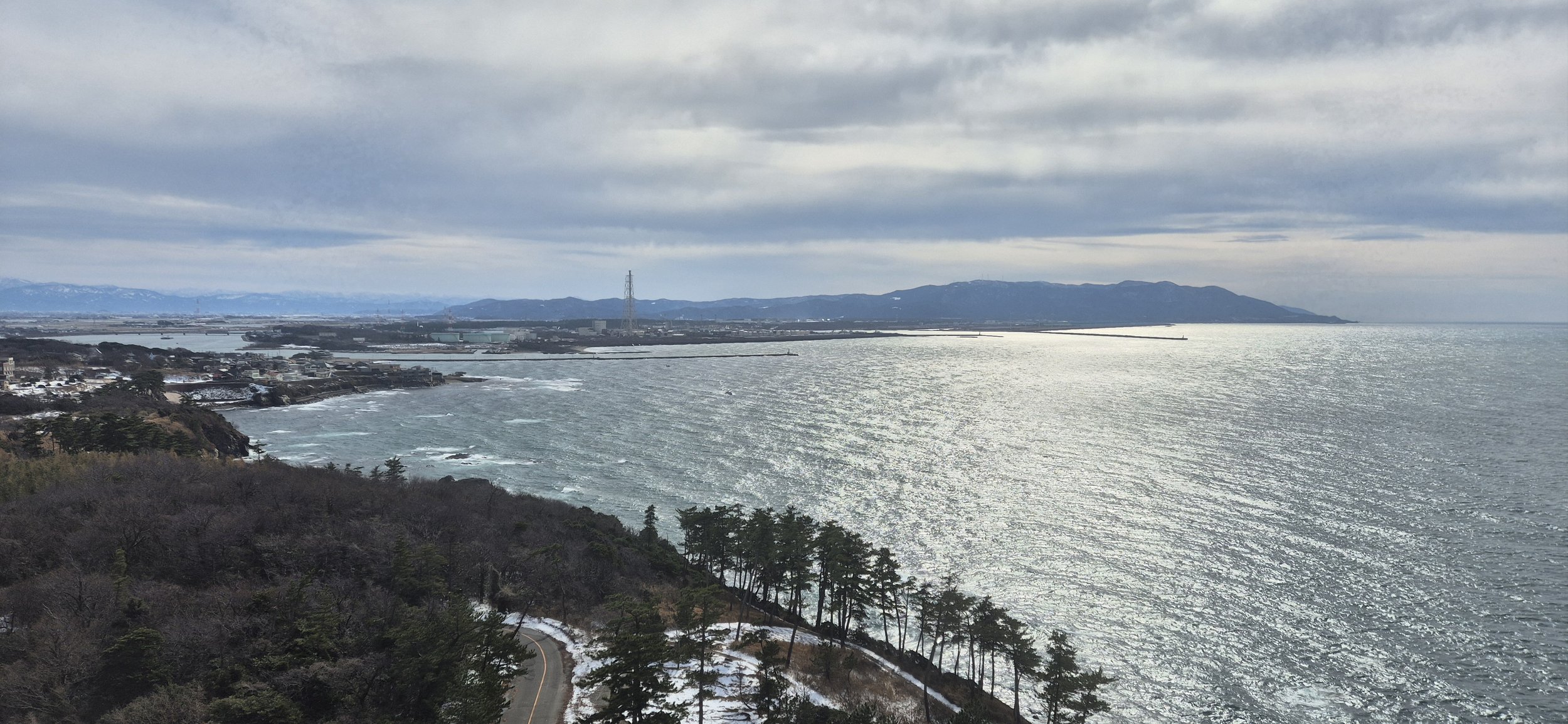
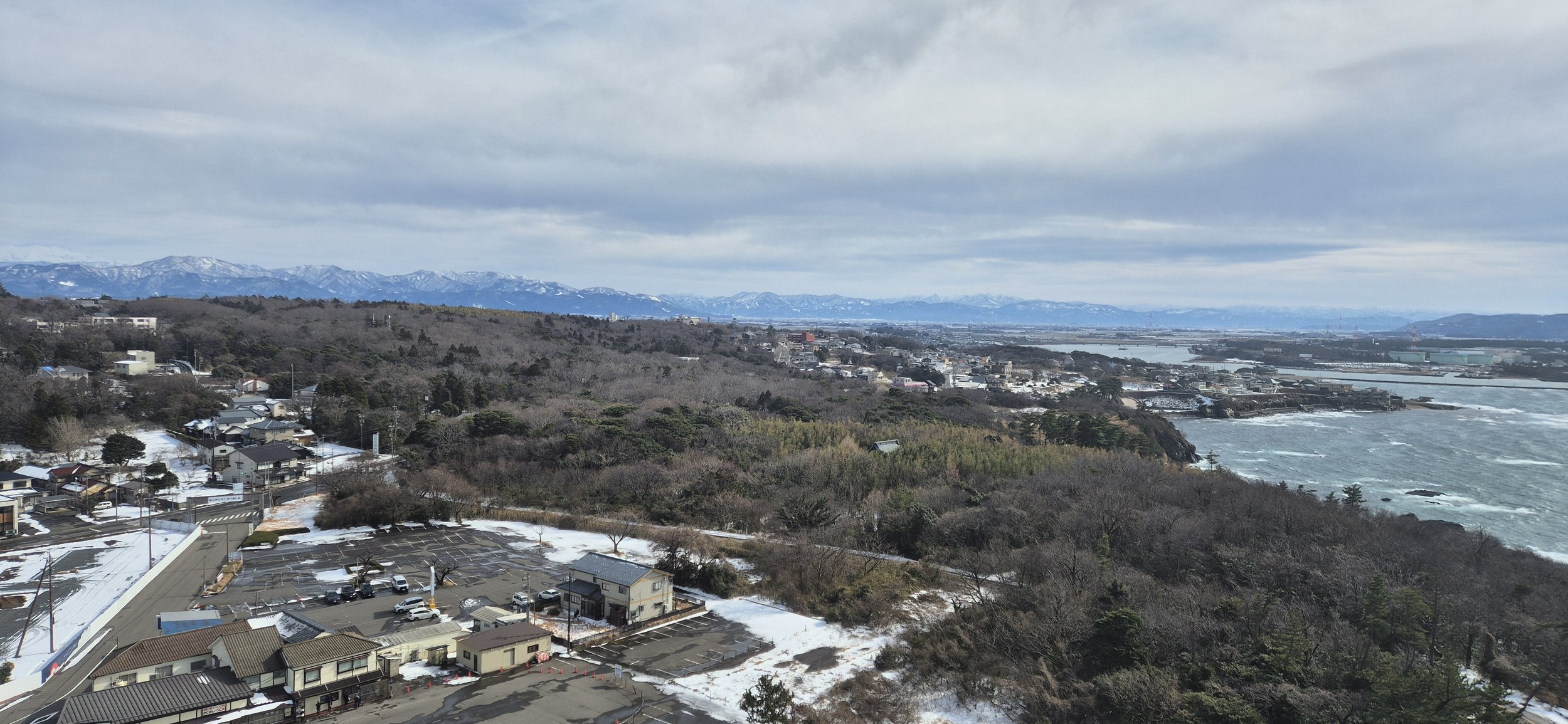
When I visited the cliffs during the low season, the area was nearly deserted after the snowfall. I had Tojinbo Tower entirely to myself, the shortest observation tower I've ever visited. A lift carried me up to the observation deck, while a small shop on the ground floor sold souvenirs and local goods. With no customers around, the shop clerk stood outside and eagerly asked where I was from. The tower appeared to be cash only. The scenery from the deck was stunning, but there was a distinct eeriness in the emptiness. The observation deck was quiet and compact; I took my time, but the experience took only about ten minutes, including taking pictures. The snow added a breathtaking backdrop, and I could see all the way north to the prefectures of Ishikawa and Niigata. This rural part of Japan, especially out of season, felt almost abandoned. Fukui itself was beautiful, the mountain ranges left a strong impression on me, reminding me of my trips to Scotland. The mountains here are even taller and seeing them blanketed in snow made me feel as though I was in an entirely different world.
When I returned, I excitedly gave a gift to my colleague from Tojinbo, who shared the area’s darker side with me. On average, Tojinbo Cliffs sees about 25 suicides a year, with numbers rising and falling alongside the economic climate. The problem became so severe that a retired police officer formed a volunteer patrol group dedicated to talking with people and saving lives. Thanks to these efforts, the number of suicides has decreased, and it’s said that around 500 lives have been saved. This is certainly a somber aspect of Tojinbo. The cliffs themselves are beautiful but remote, with only the sea stretching for miles, creating a distinct atmosphere. During the height of Pokémon Go, the game was blamed for luring people to their deaths as they tried to catch rare Pokémon. While it’s impossible to say if there’s any truth to this, it certainly adds to the area’s mystery and serves as a reminder to be cautious on the cliffs. Tojinbo also represents another side of Japan, one steeped in history and folklore. The area is stunning and well worth adding to your itinerary. Fukui is a paleontologist’s dream come true, the prefecture of dinosaurs and with its dramatic cliffs, it makes for a fascinating trip focused on geology and ancient life.