The largest railway museum in Japan – Saitama Railway Museum review
Opened in 2007 by the East Japan Railway Culture Foundation, the railway museum in Saitama stands as the largest and most captivating one I have ever explored. Originally in Tokyo, the museum operated beneath the elevated train line in Chiyoda and celebrated 50 years of railway history. The new museum can be reached via the new shuttle line departing from Omiya station. There is a small museum shop in Omiya station for those who do not have time for the museum but still want to buy merch.
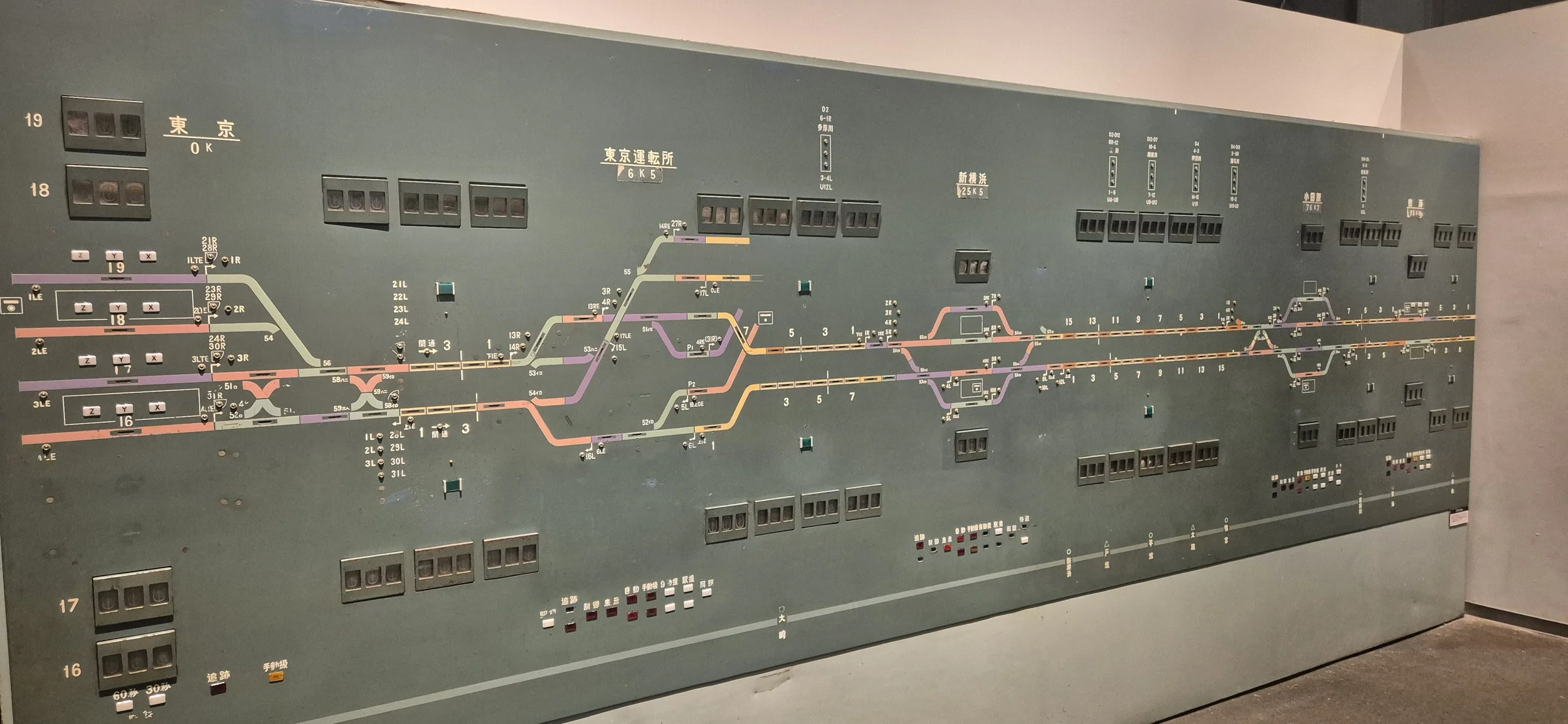
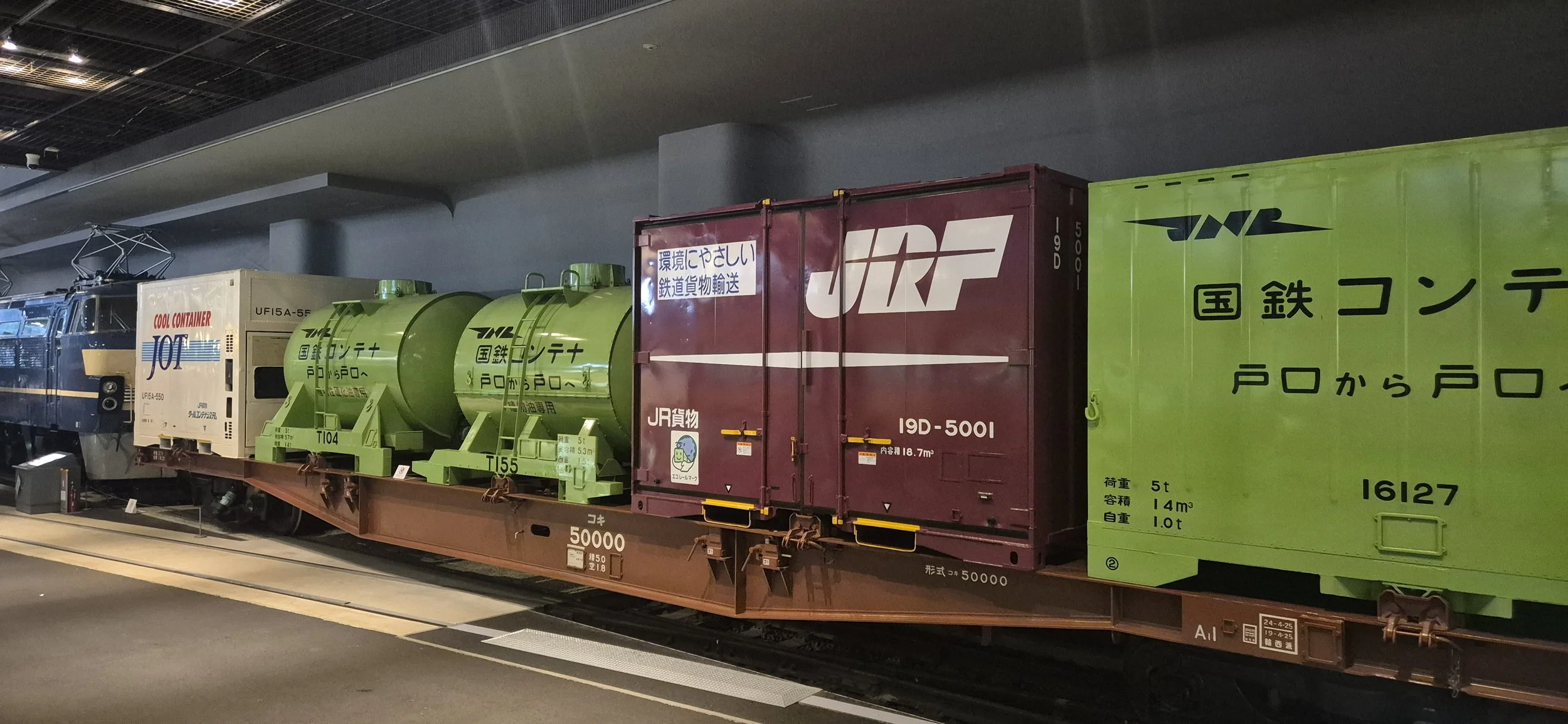
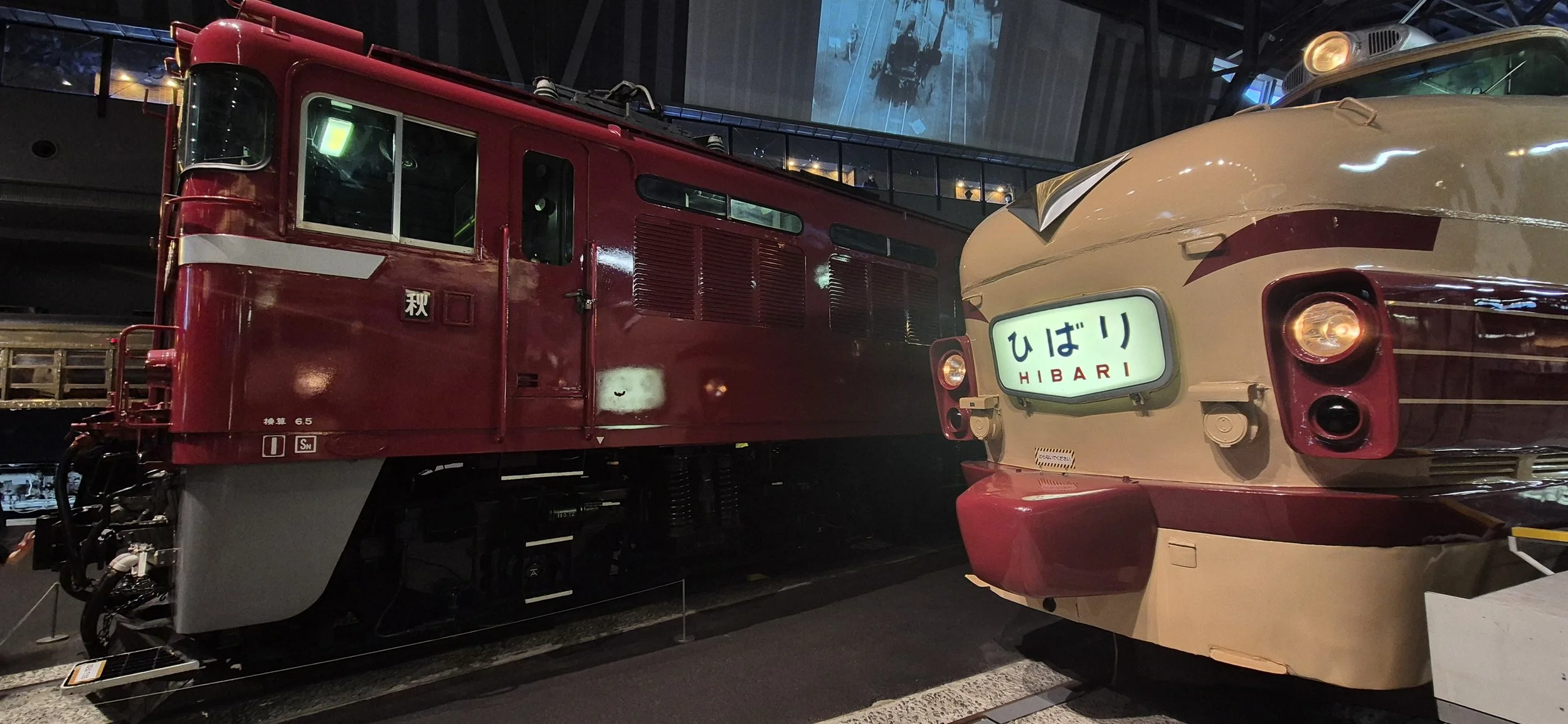
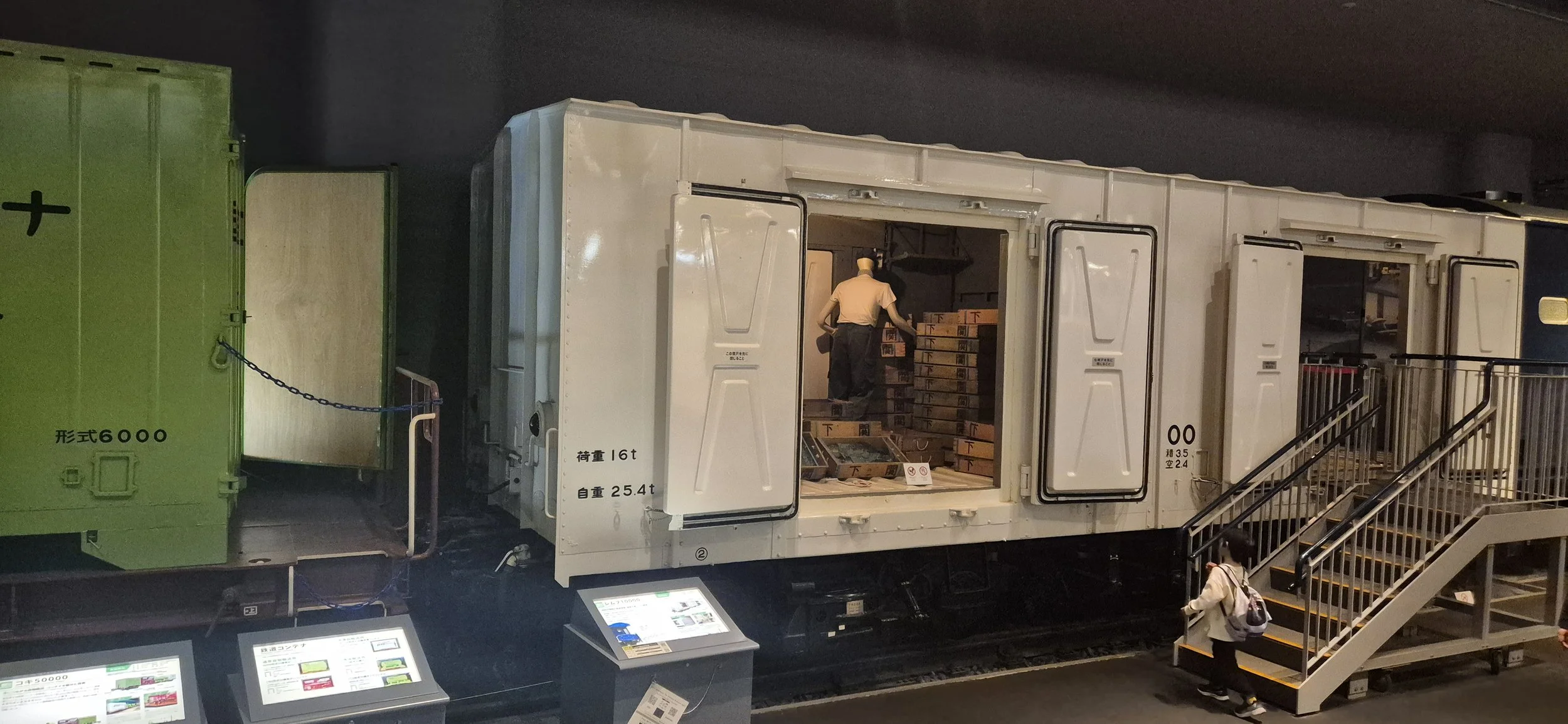
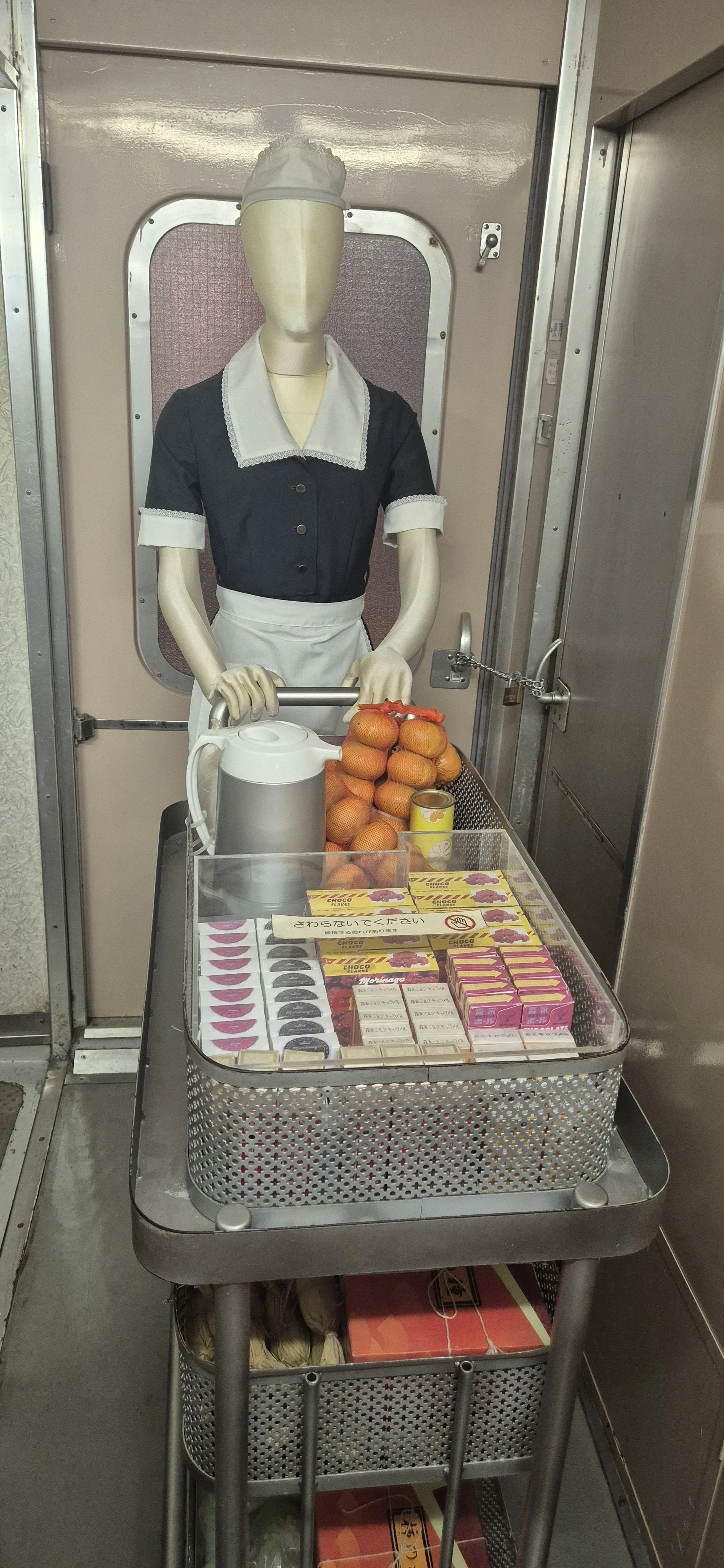
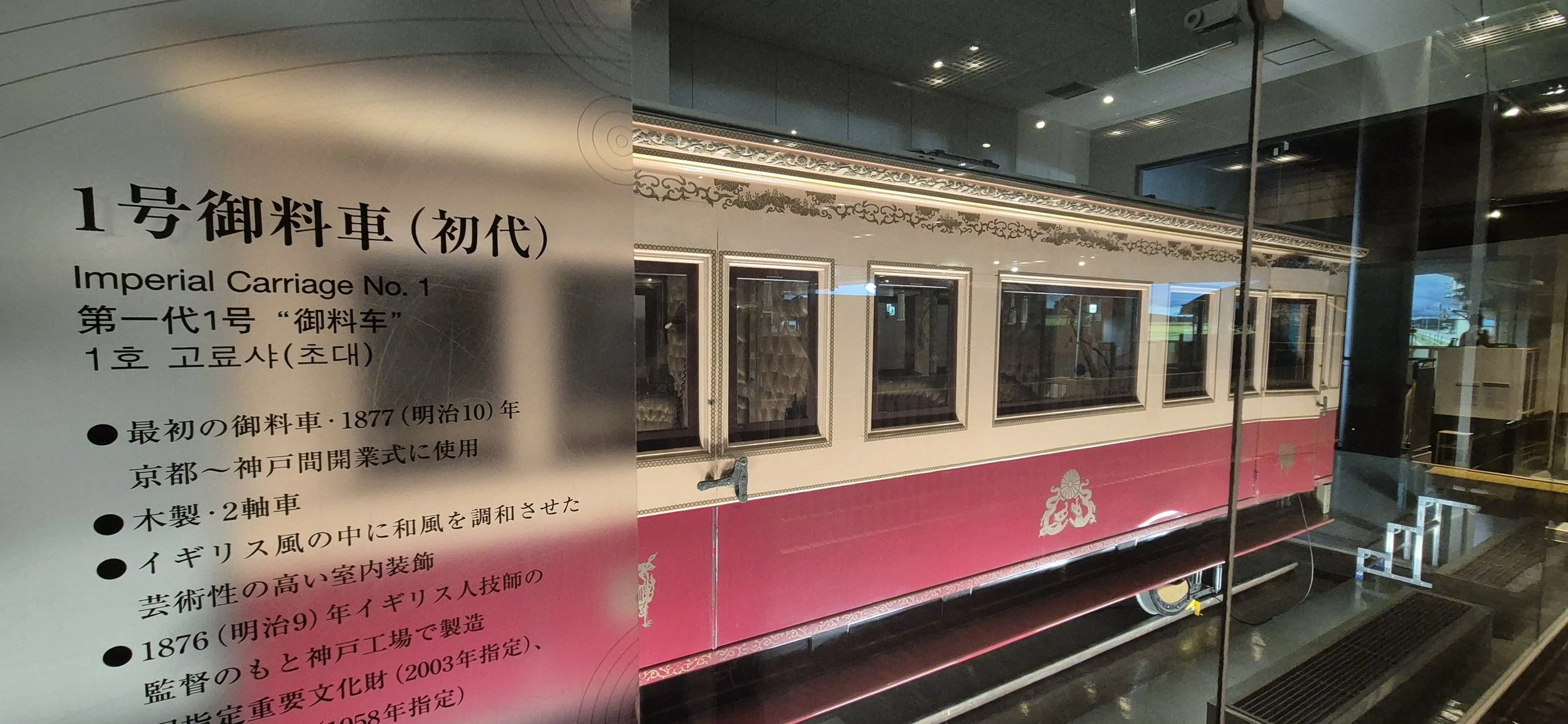
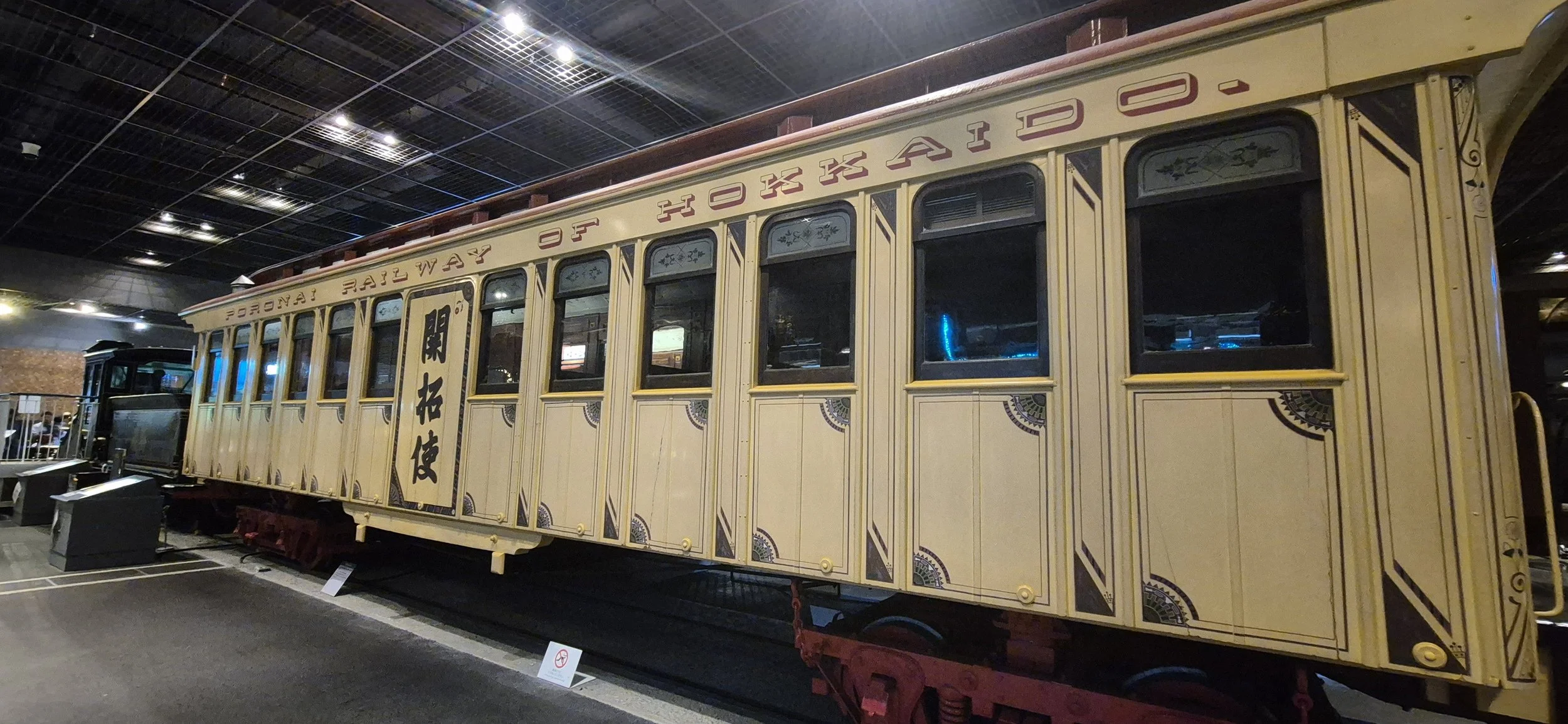
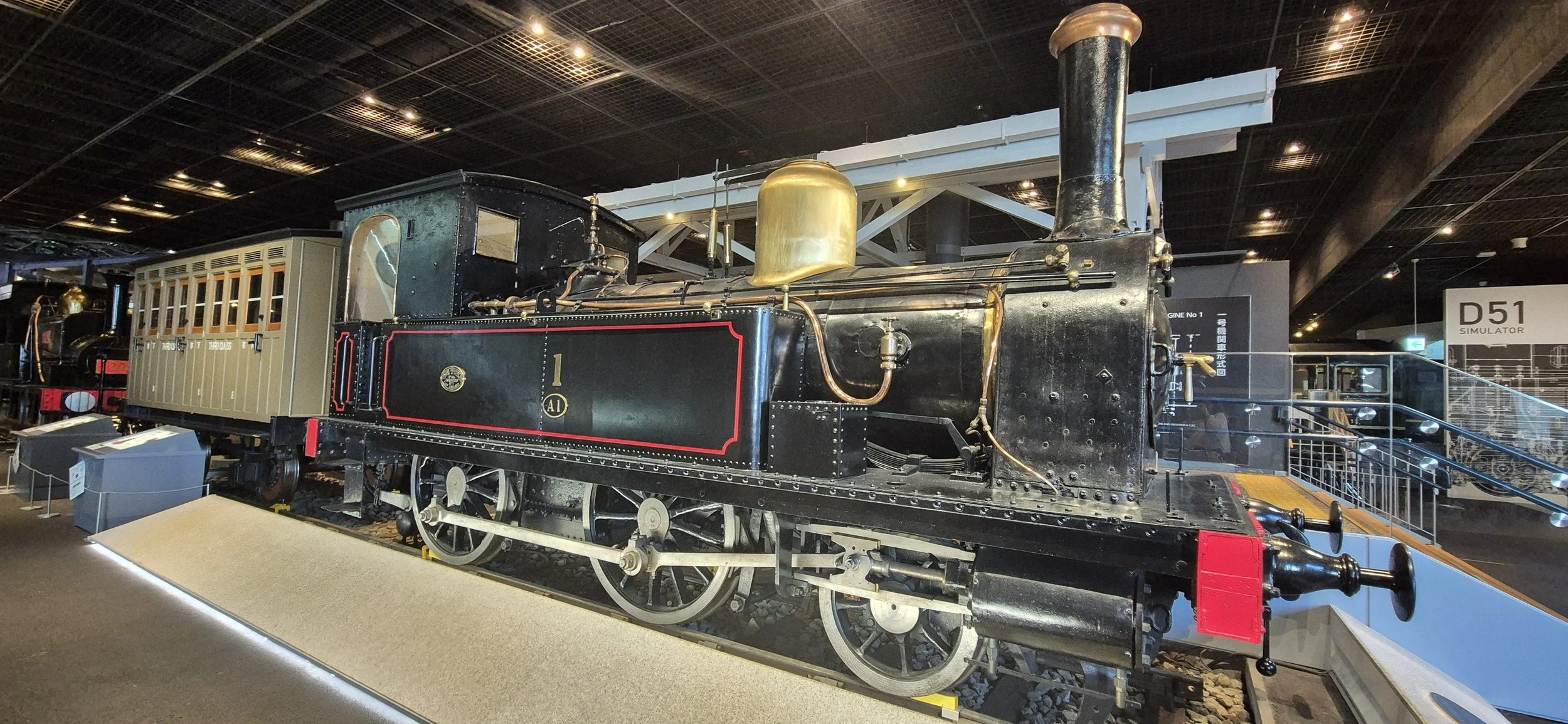
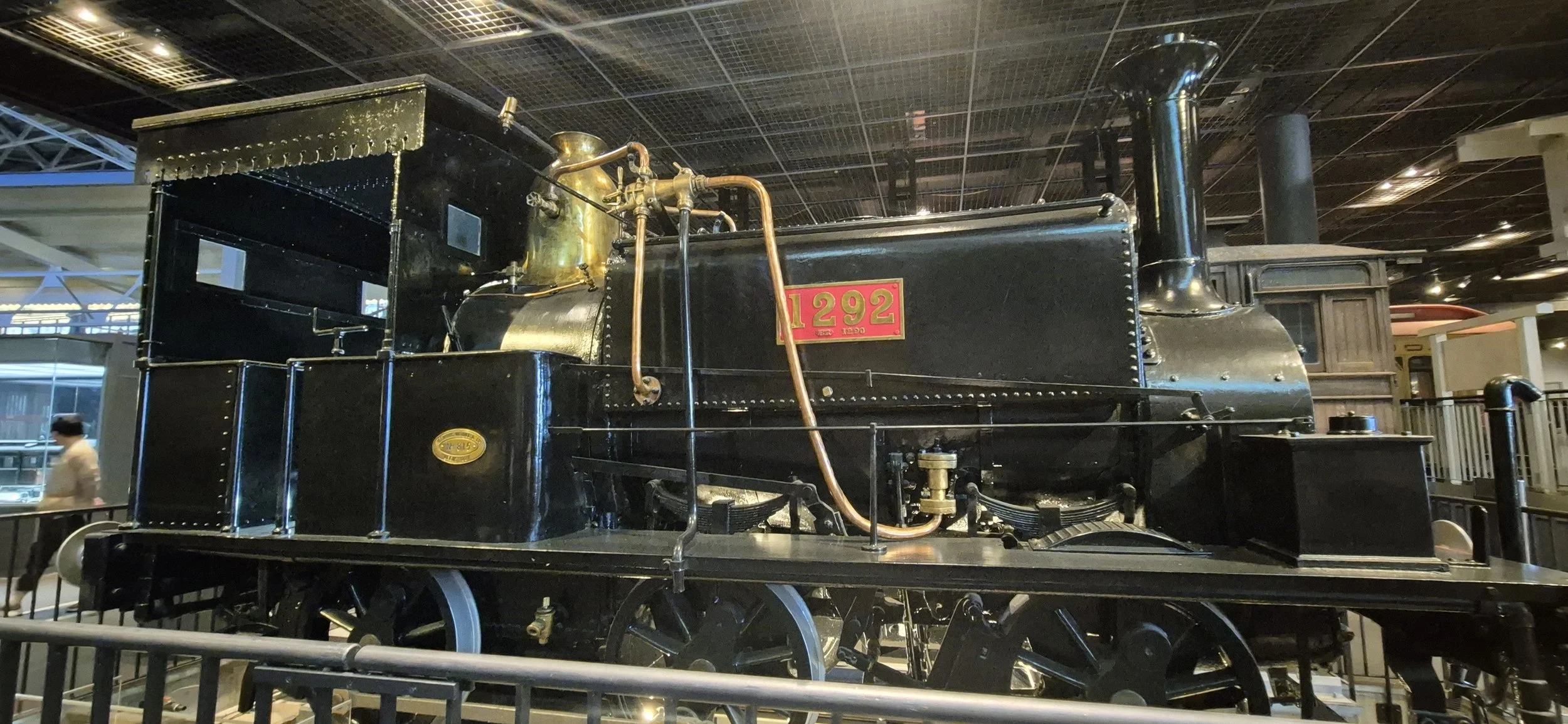
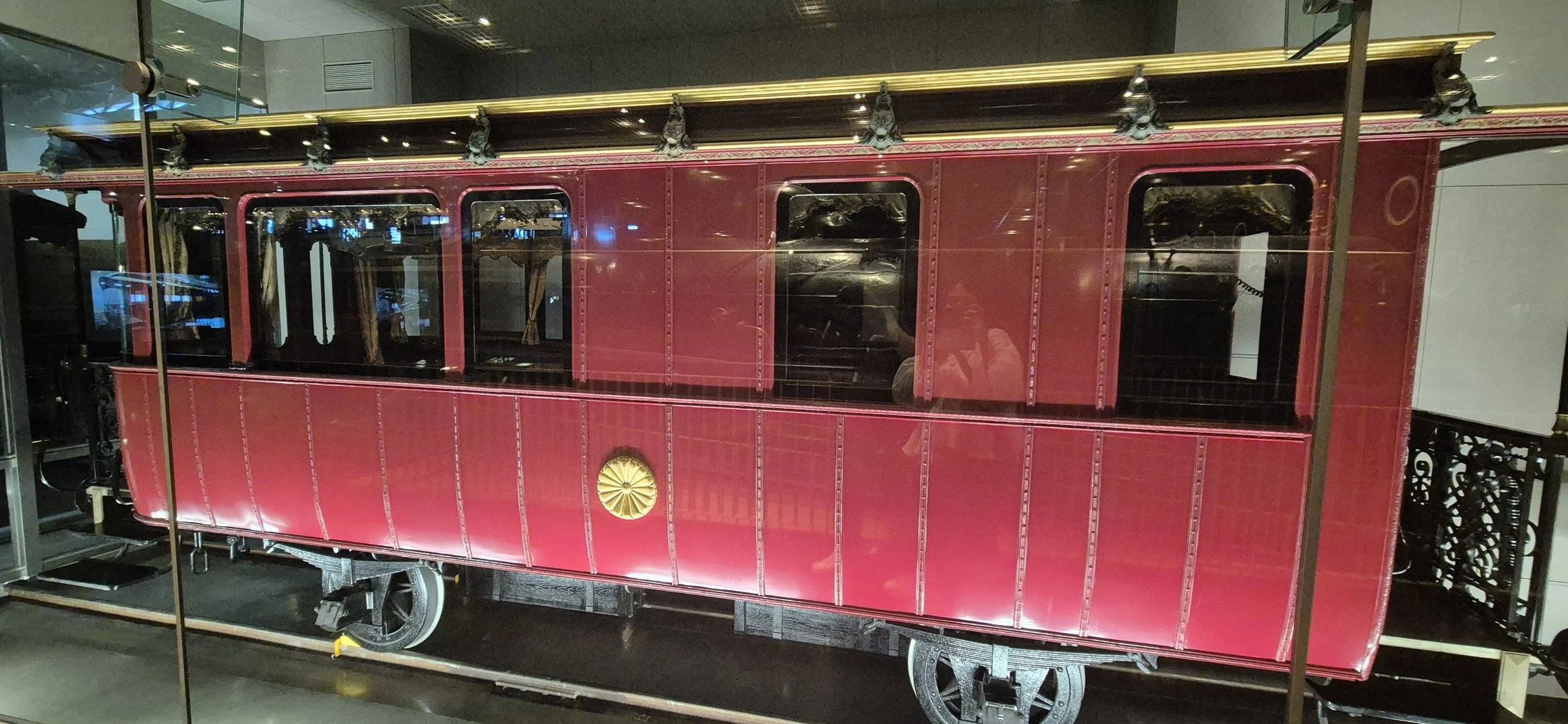
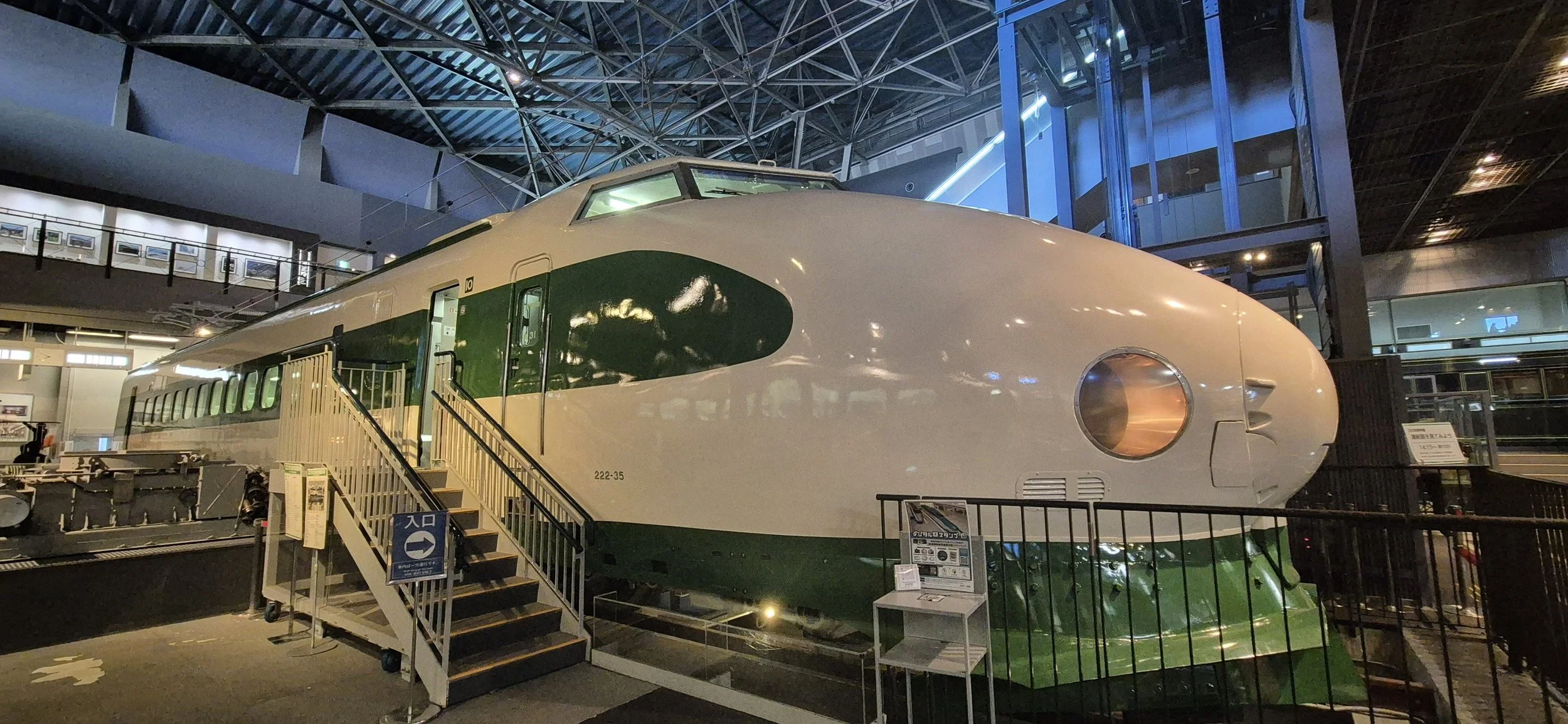
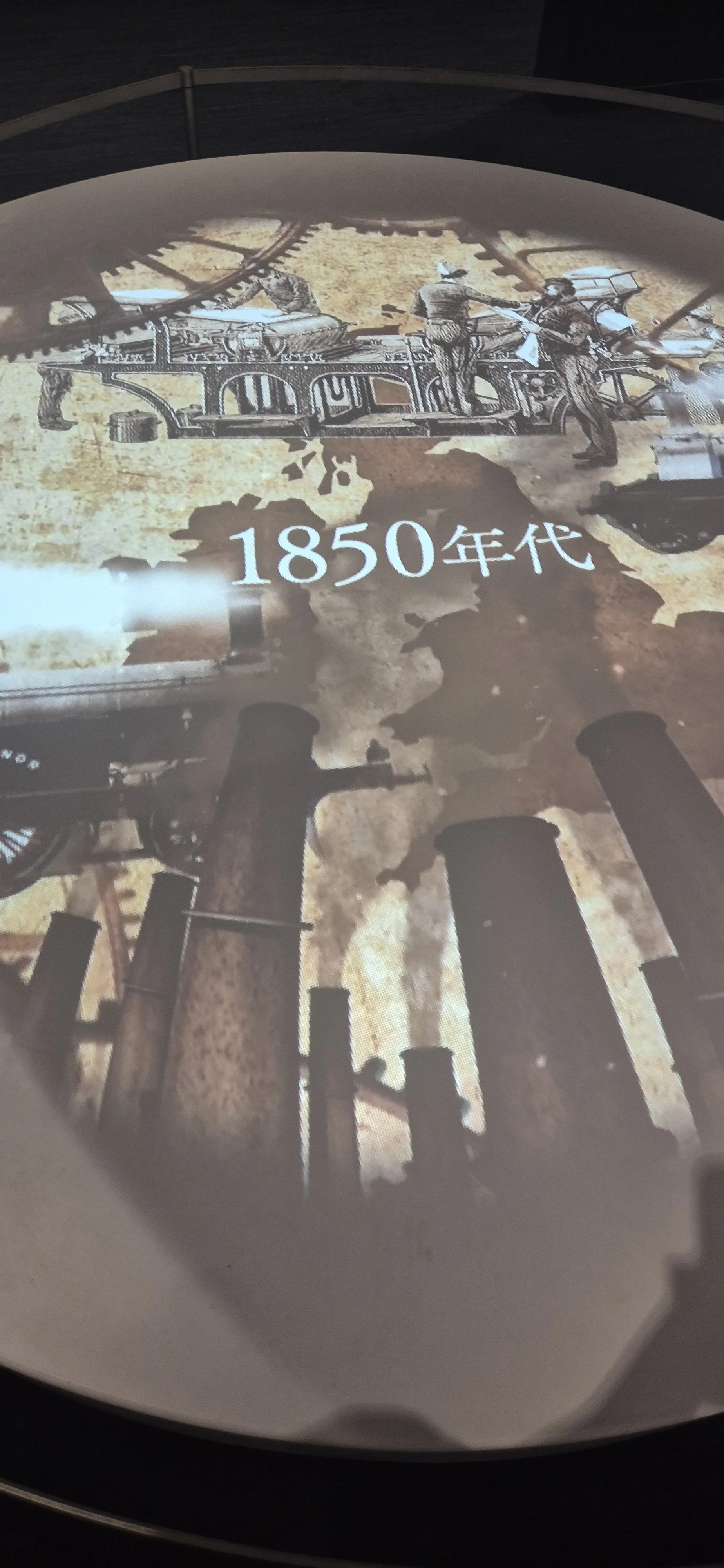
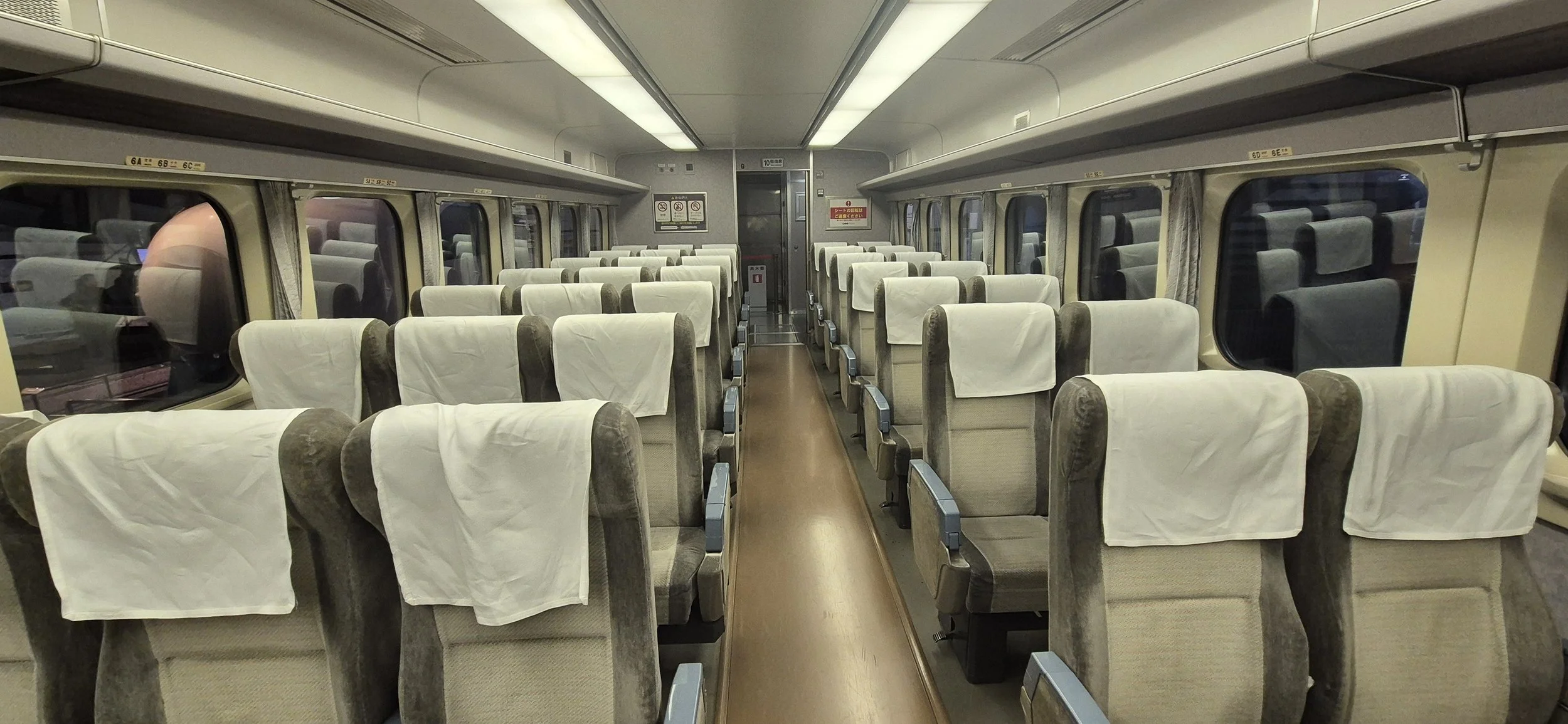
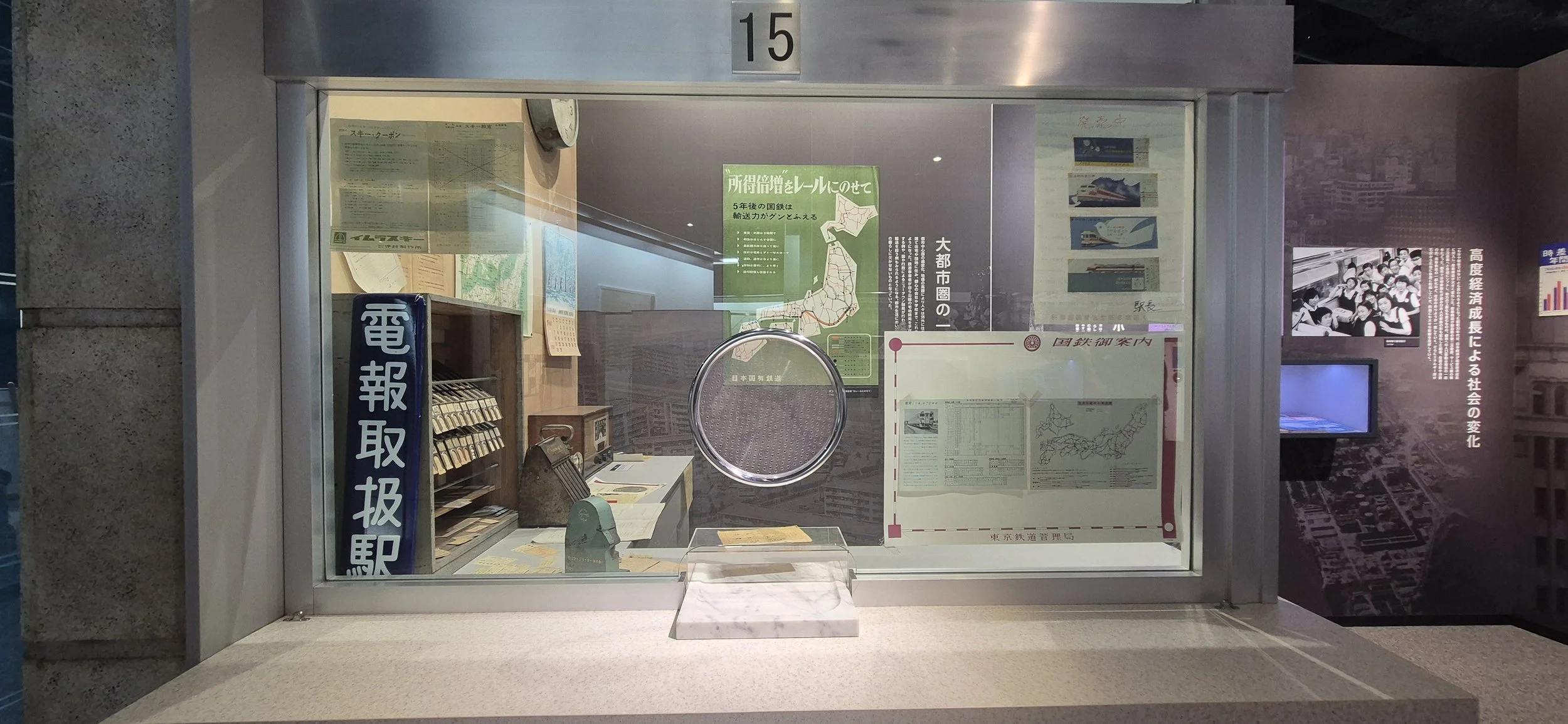
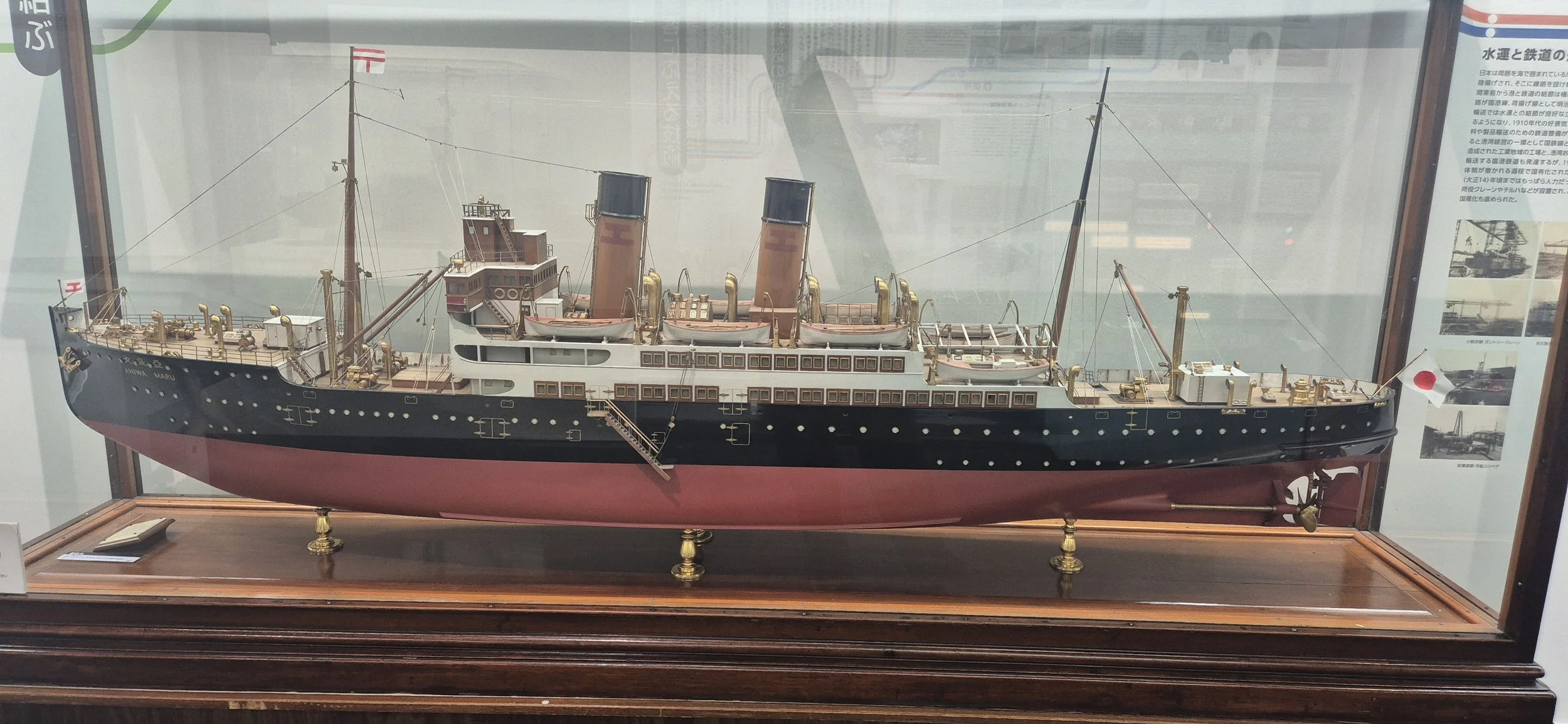
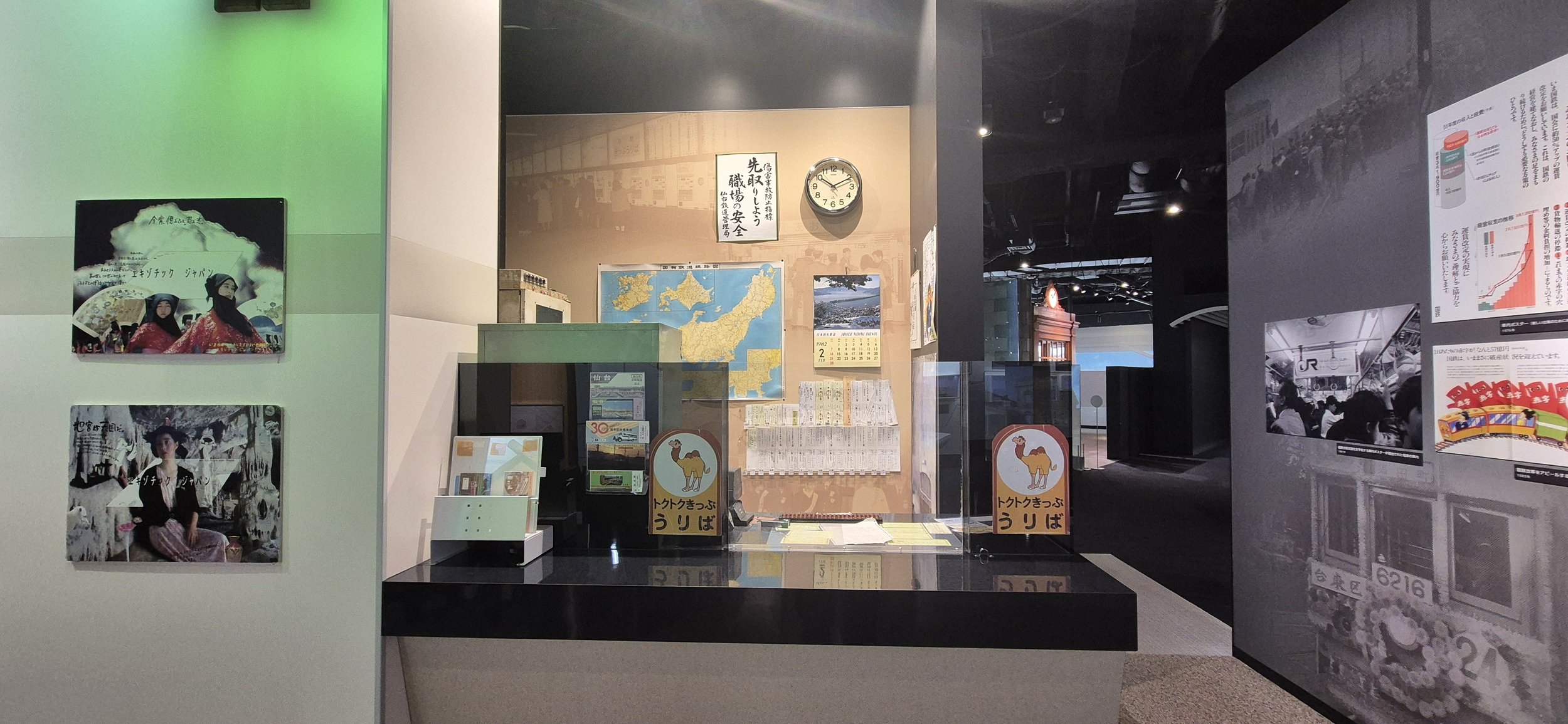
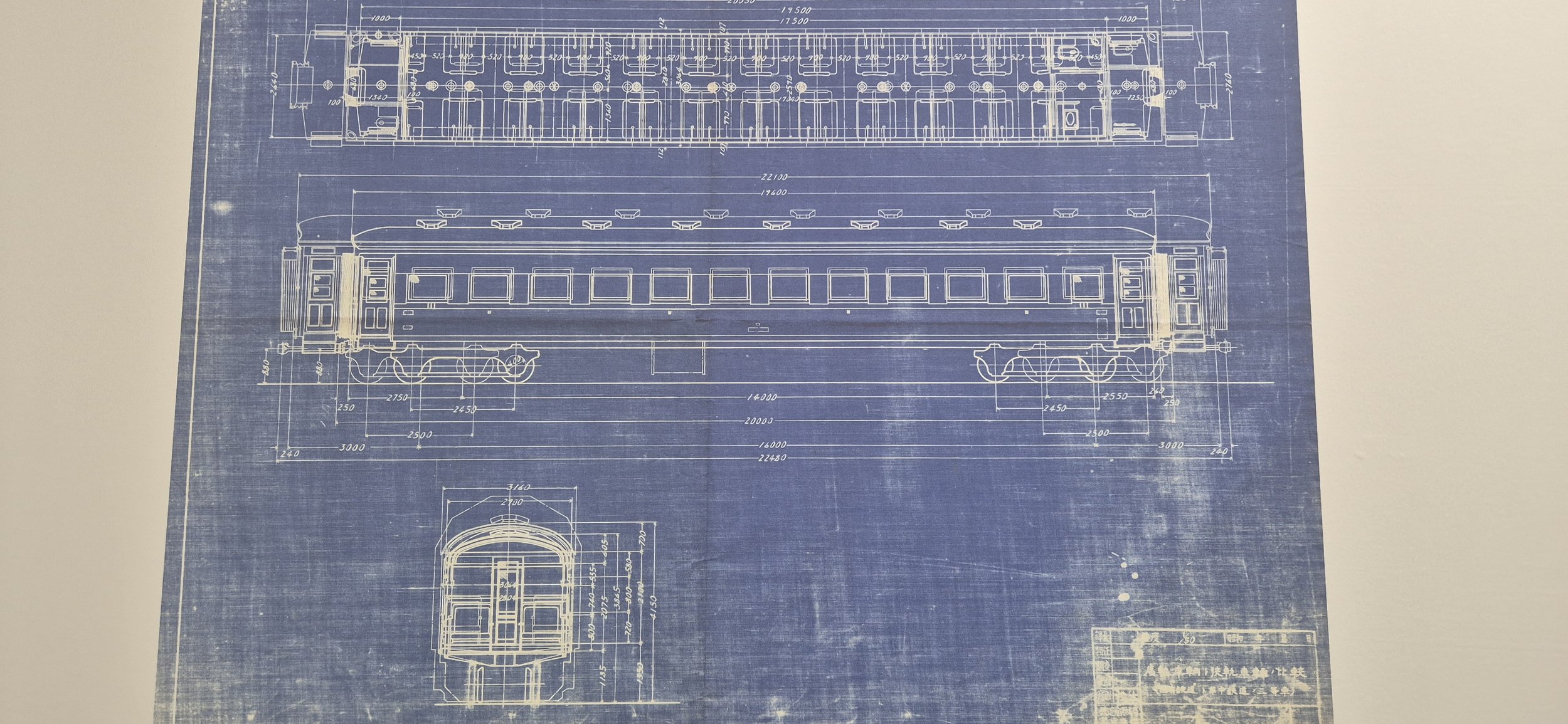
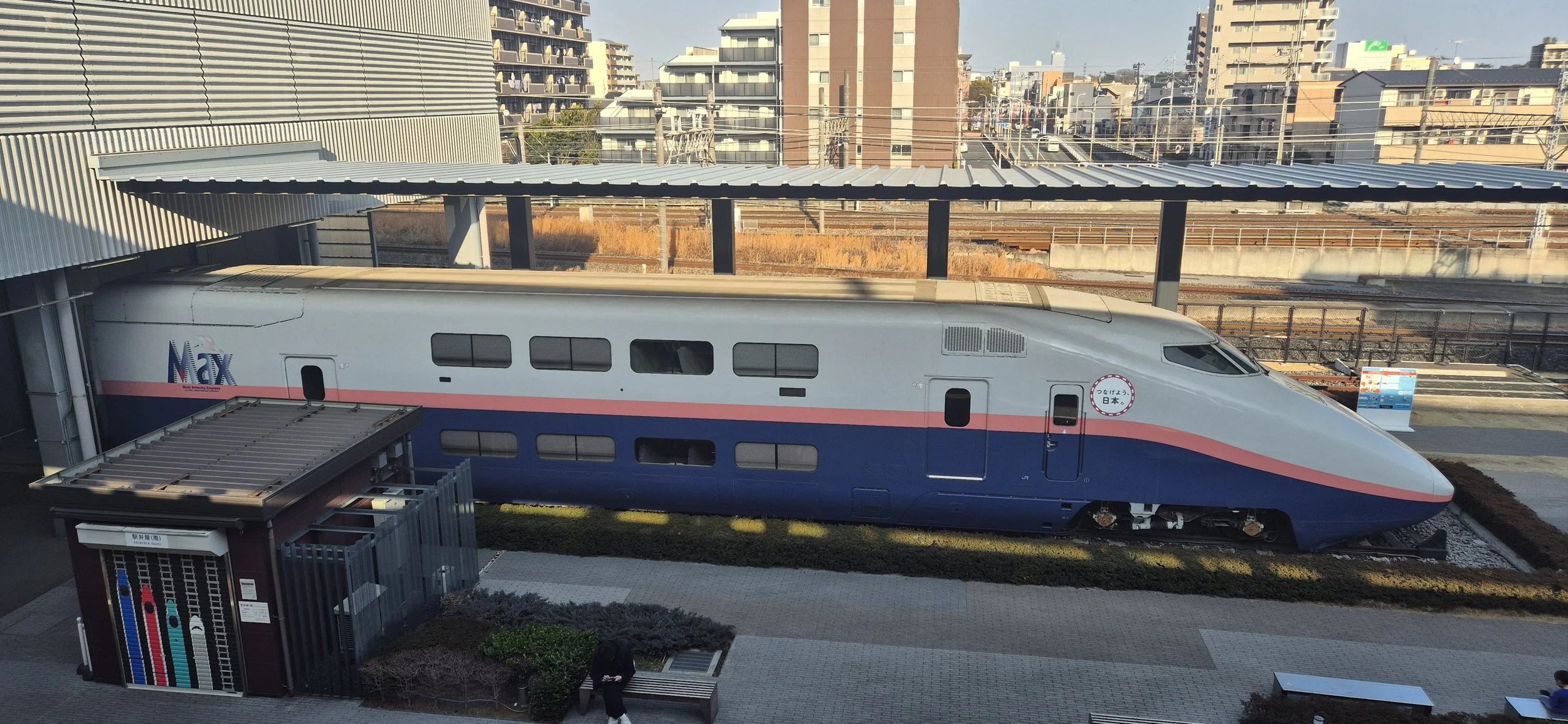
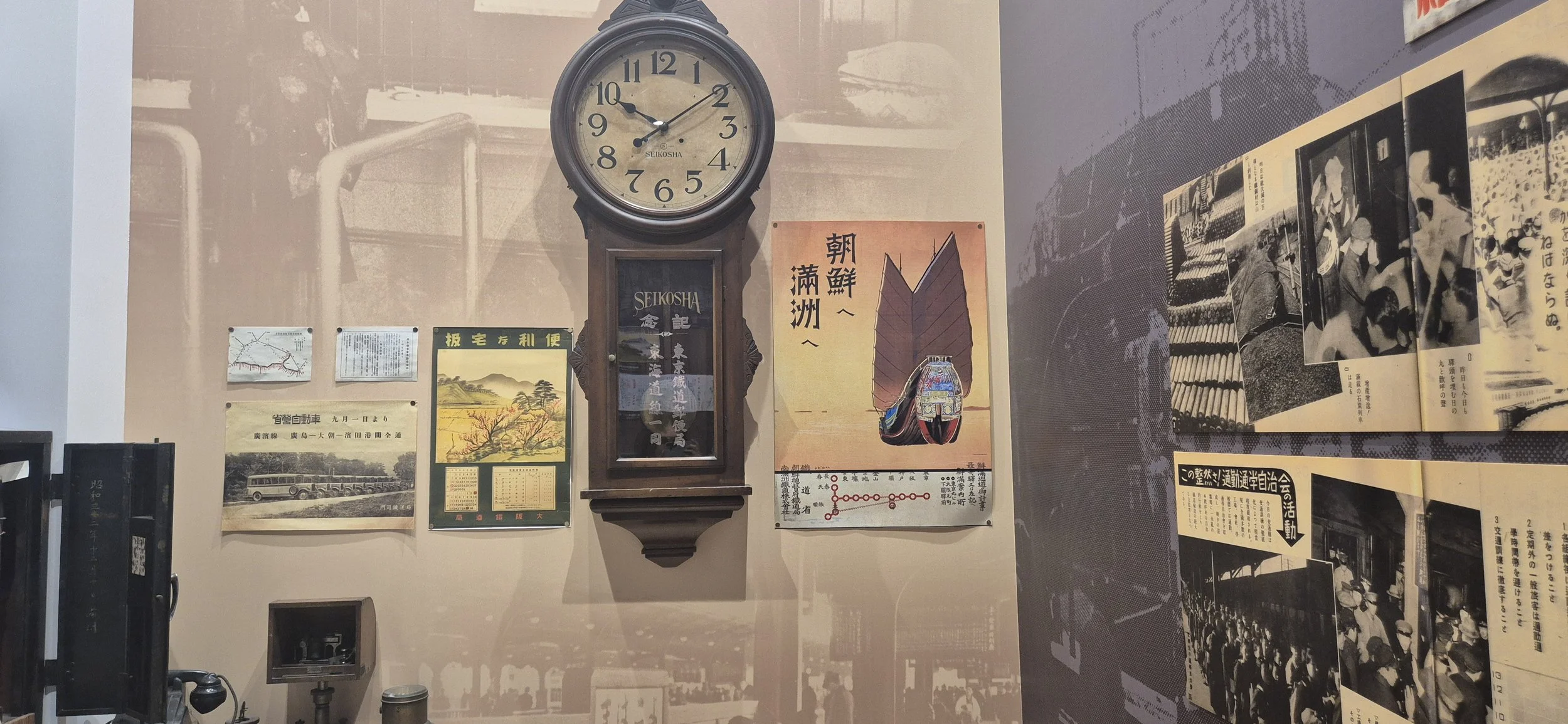
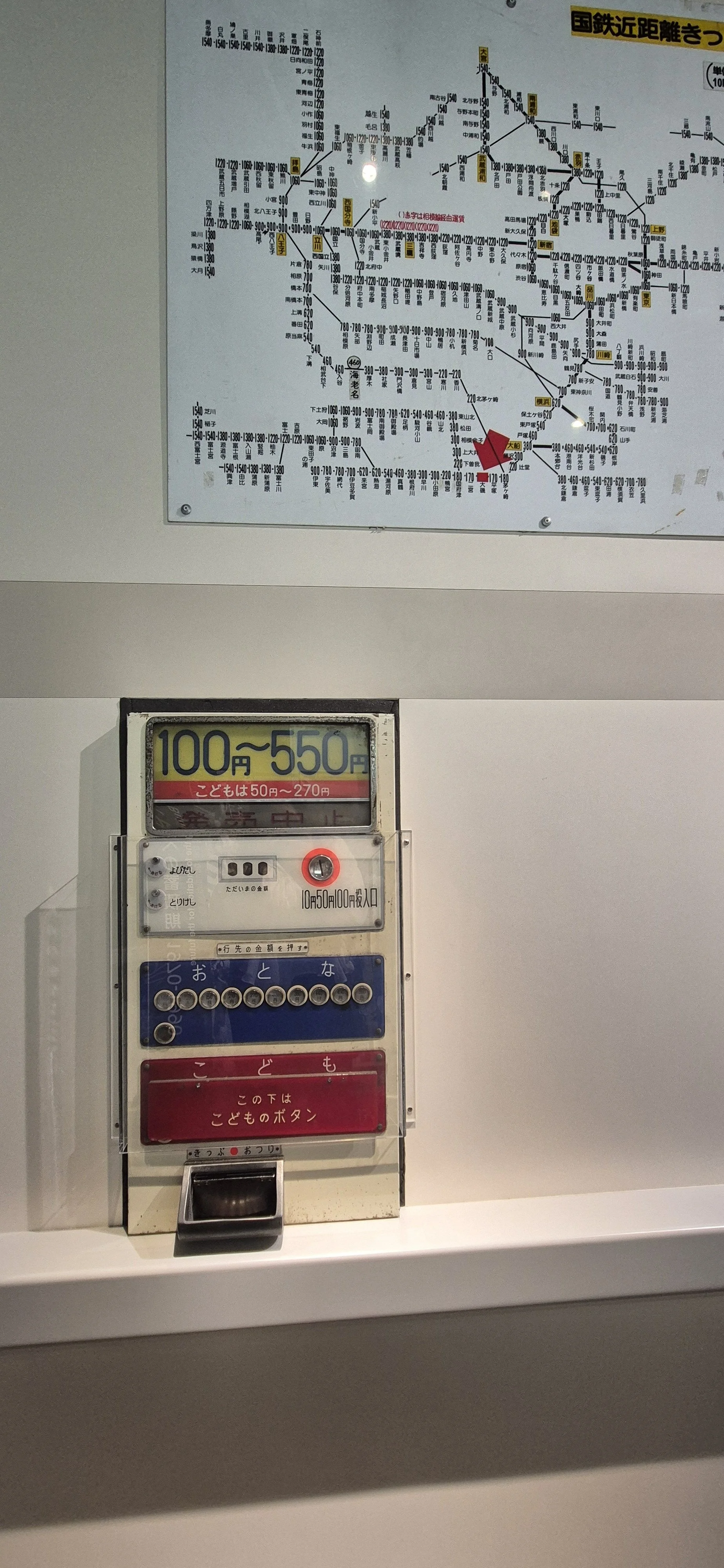
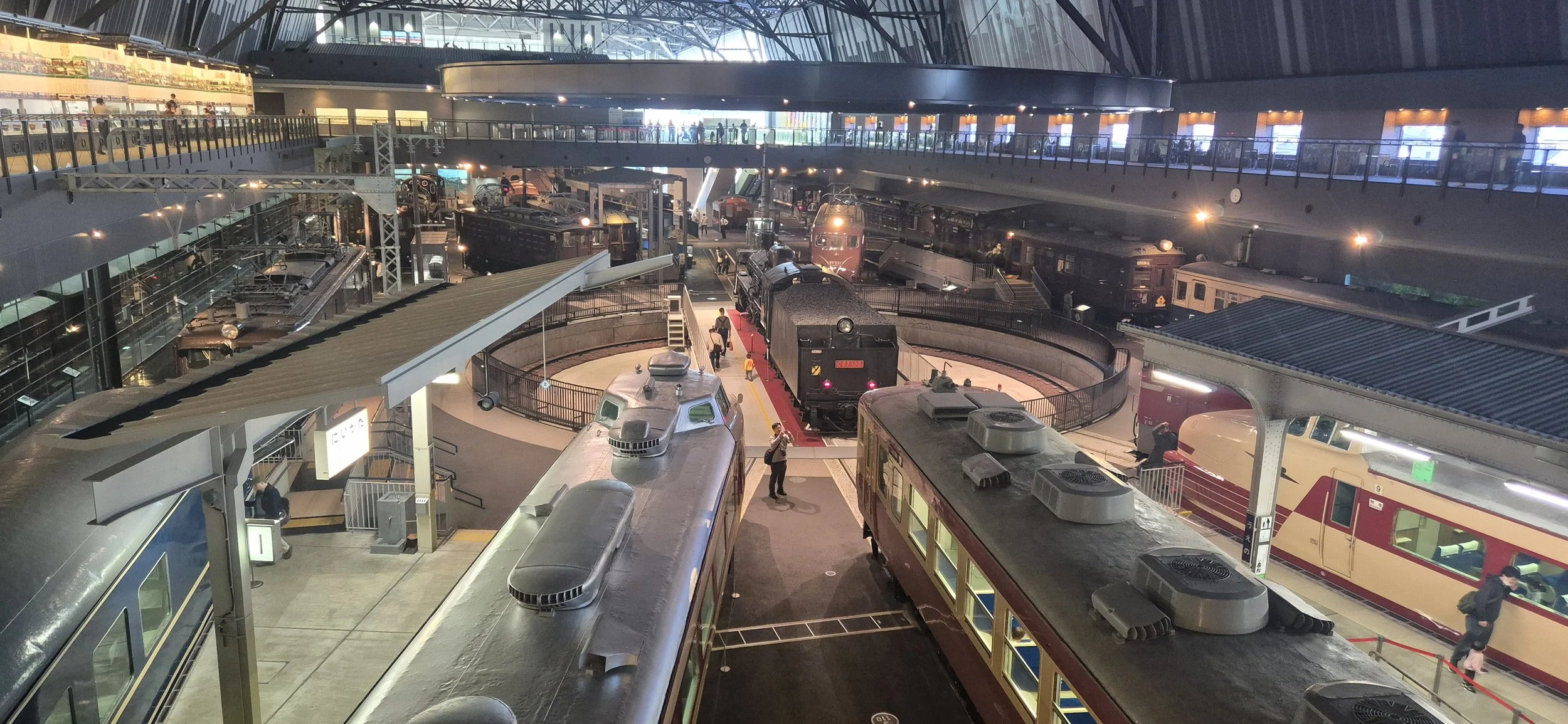
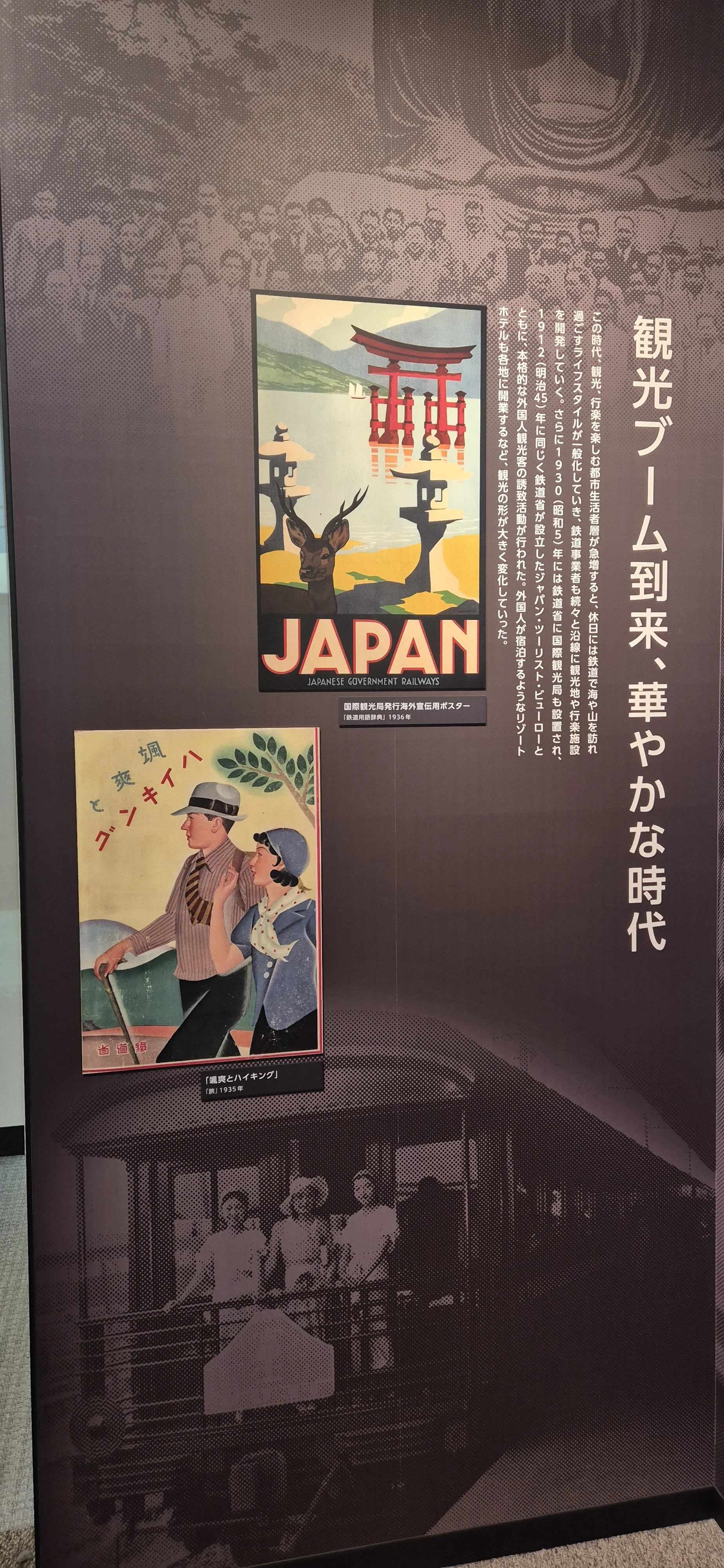
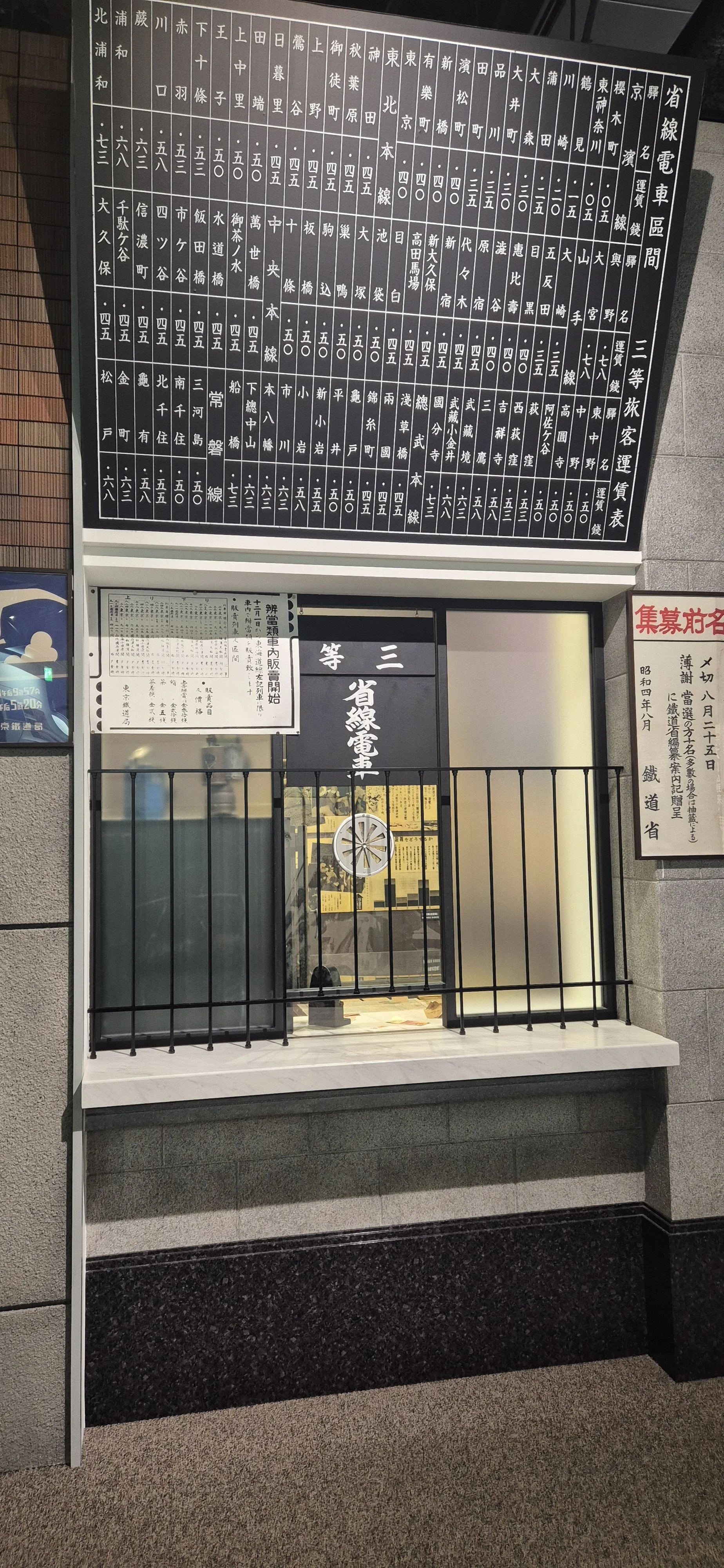
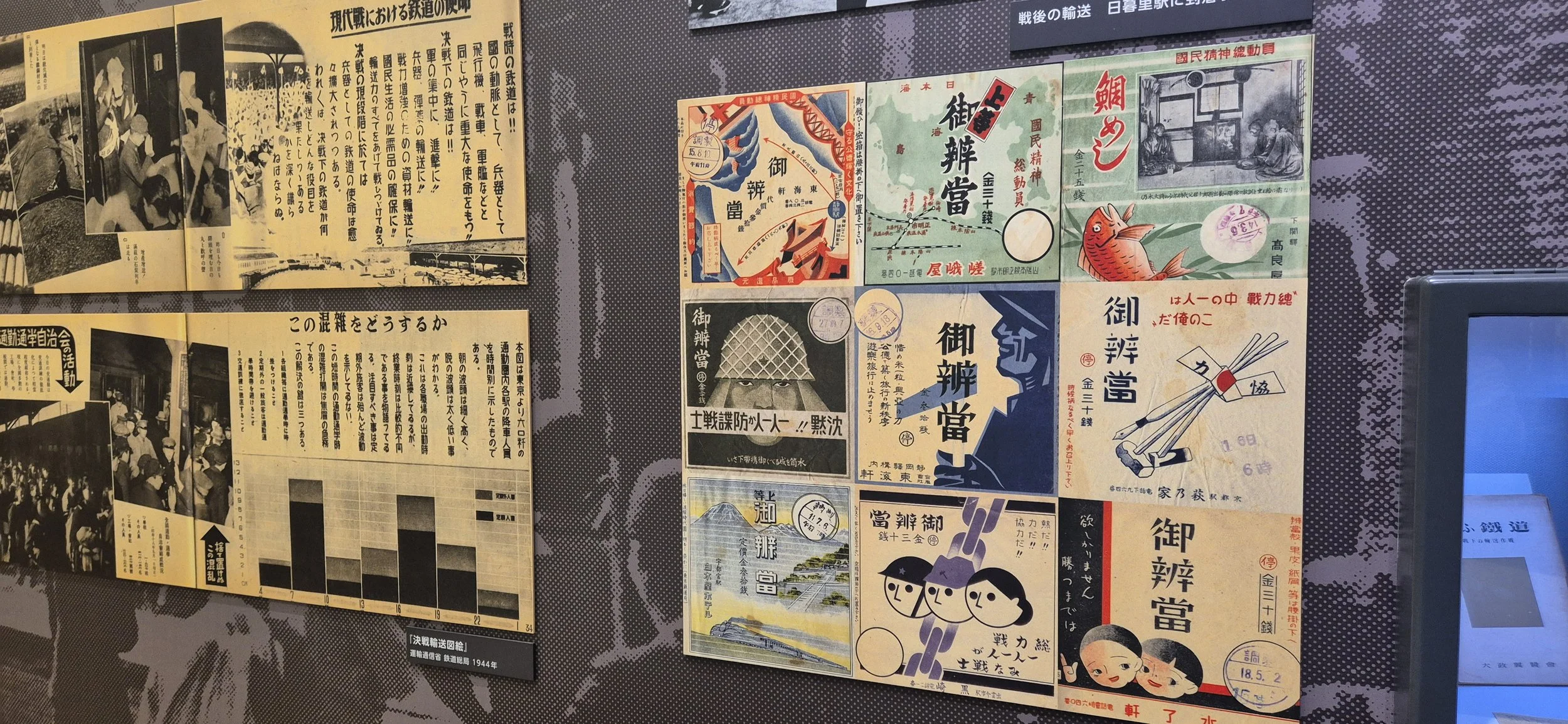
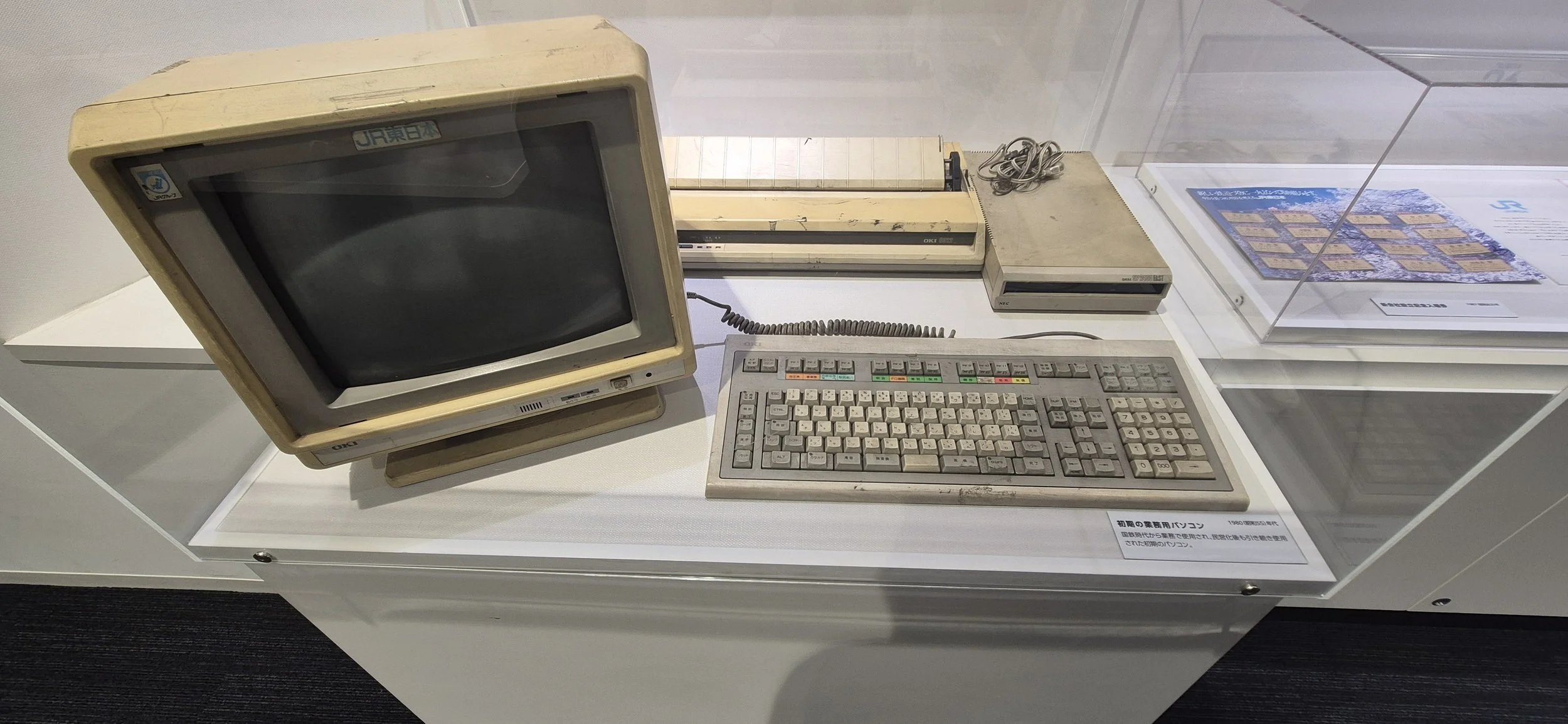
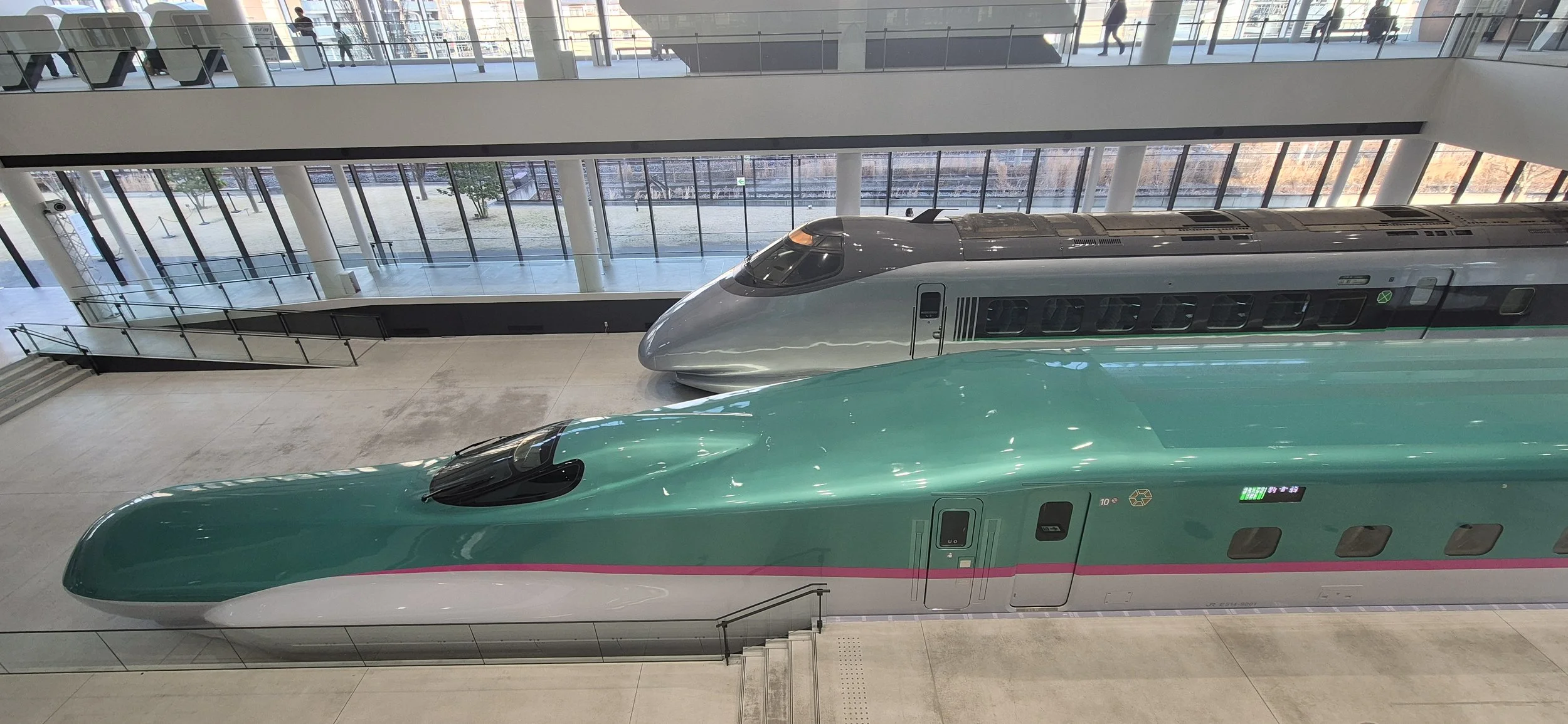
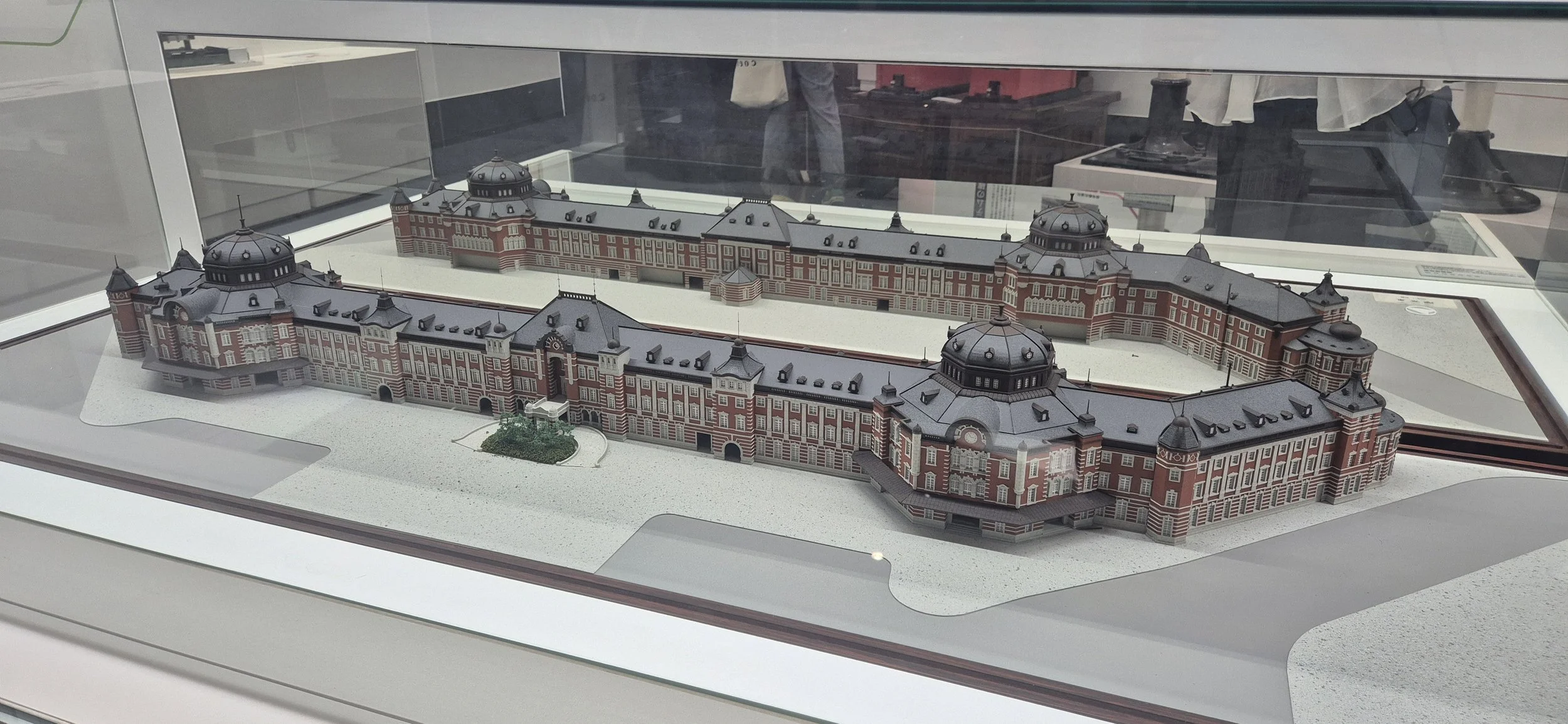
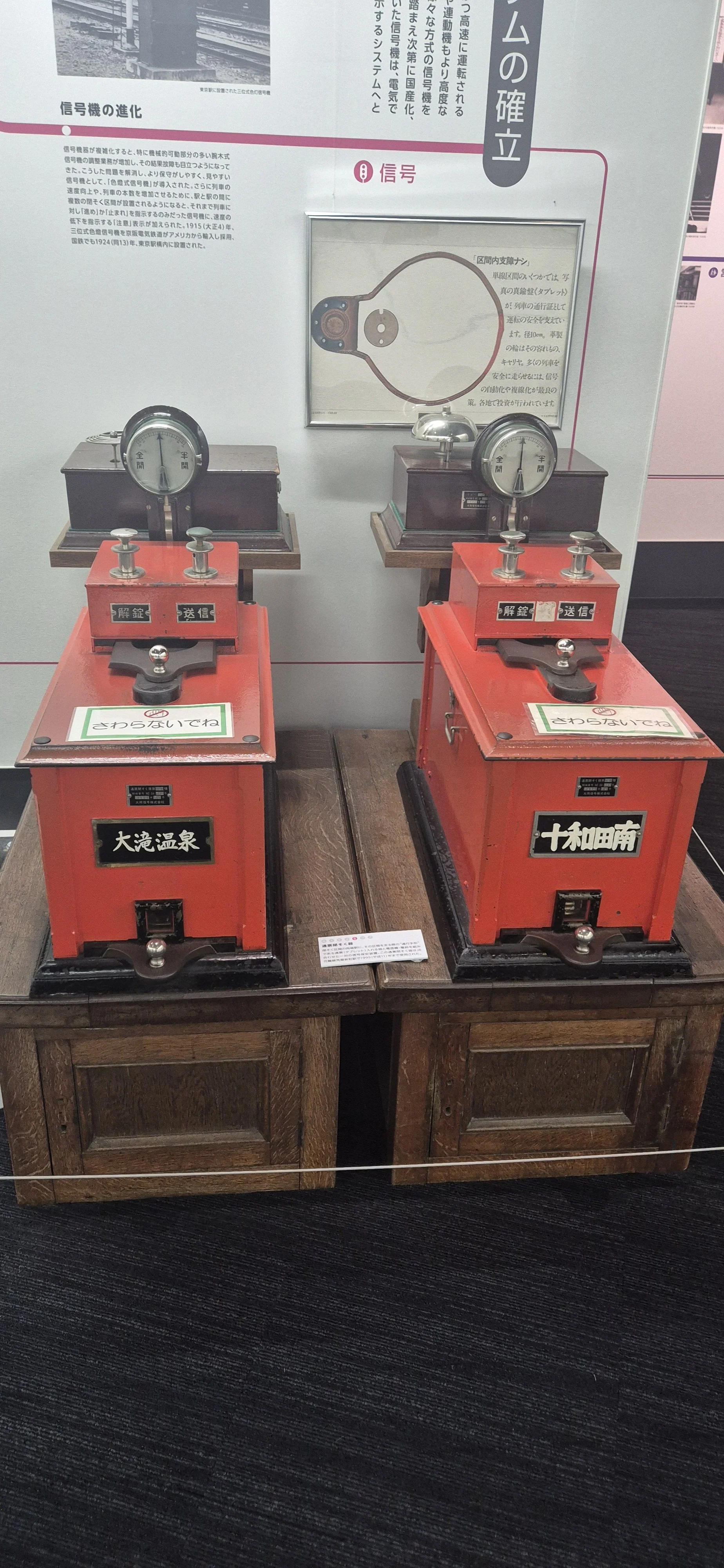
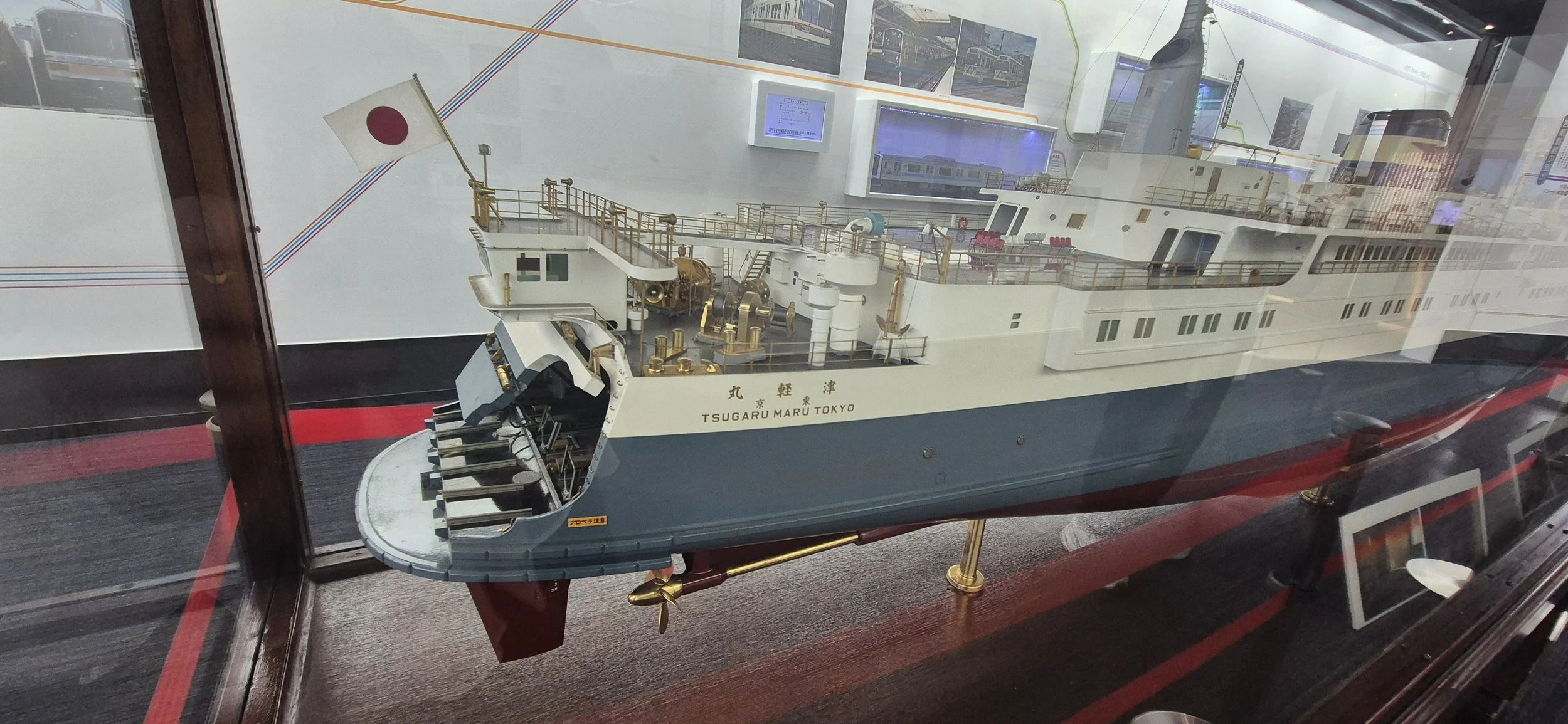
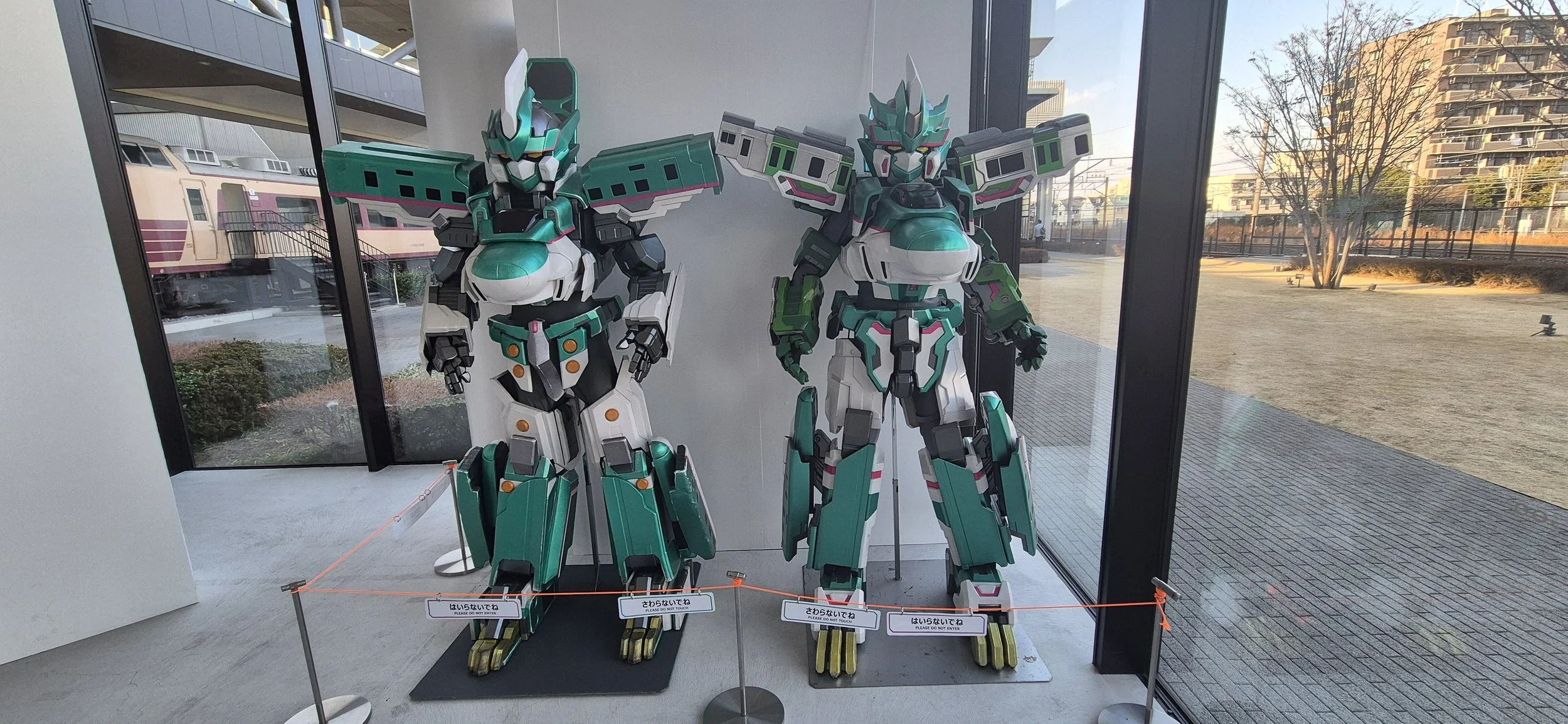
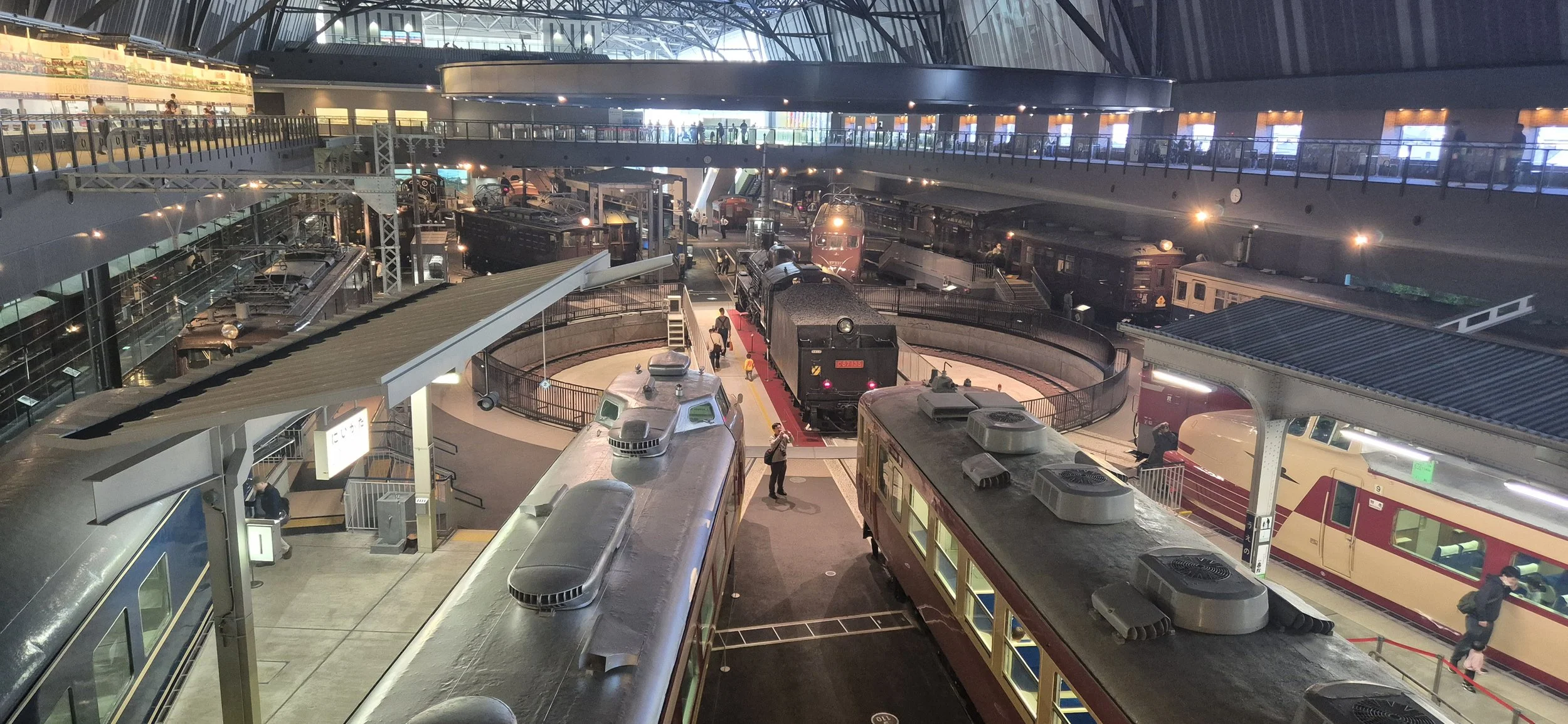
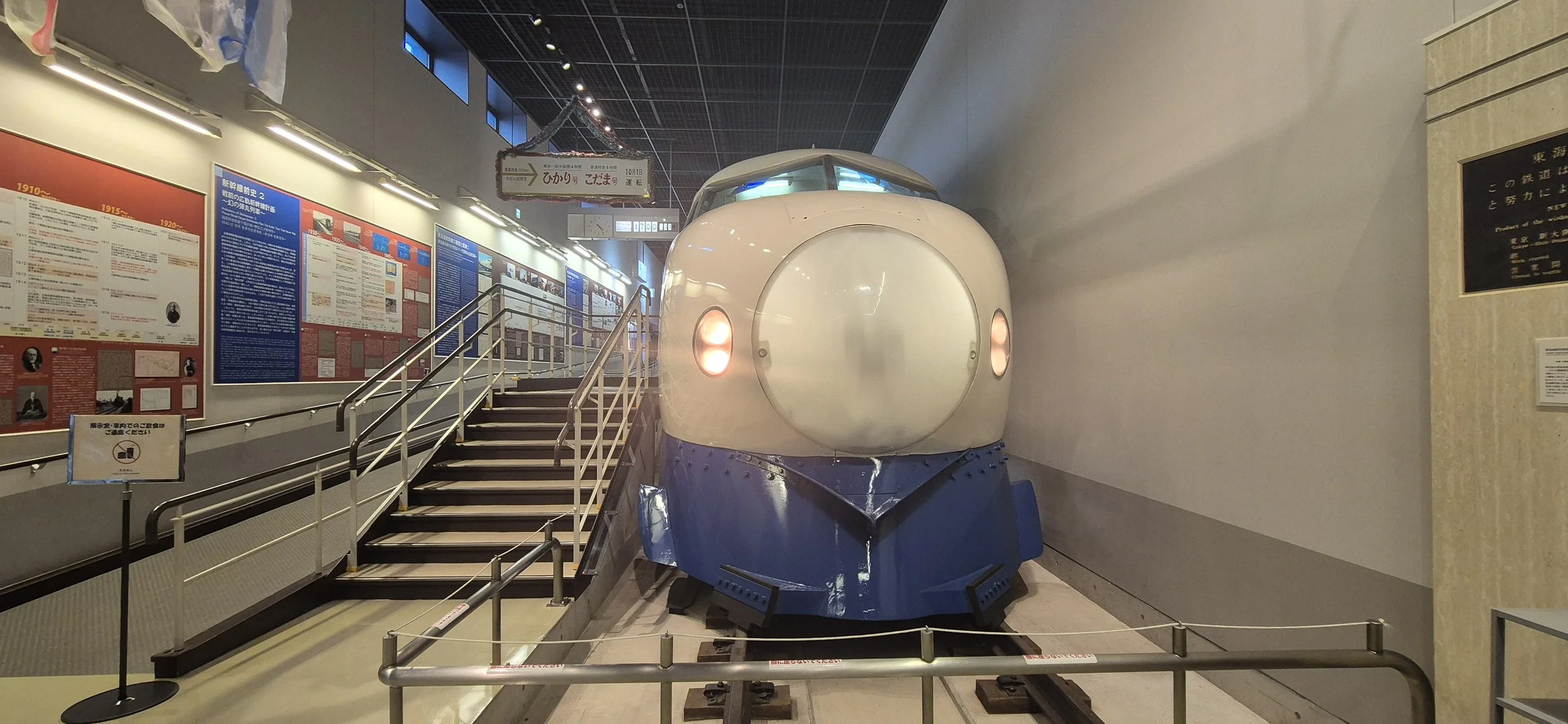
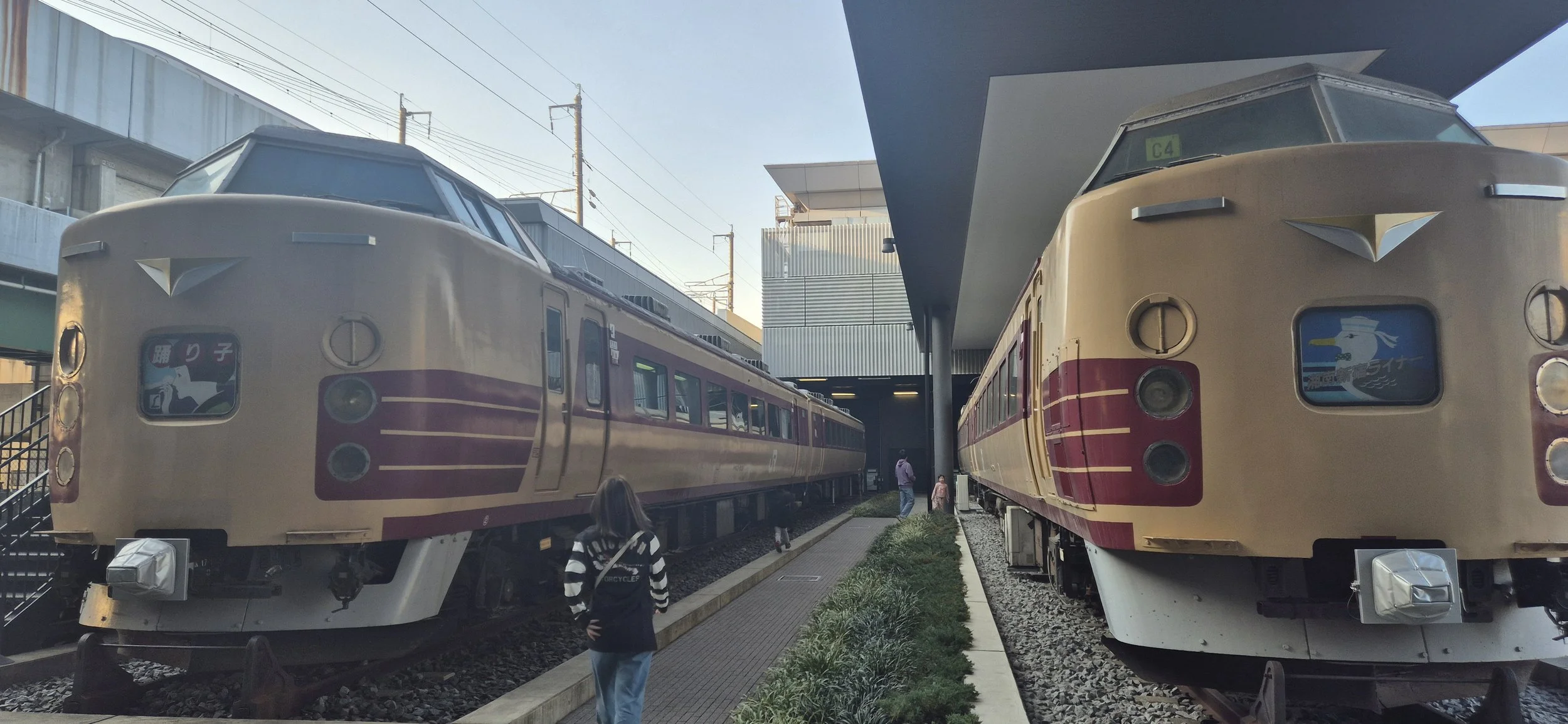
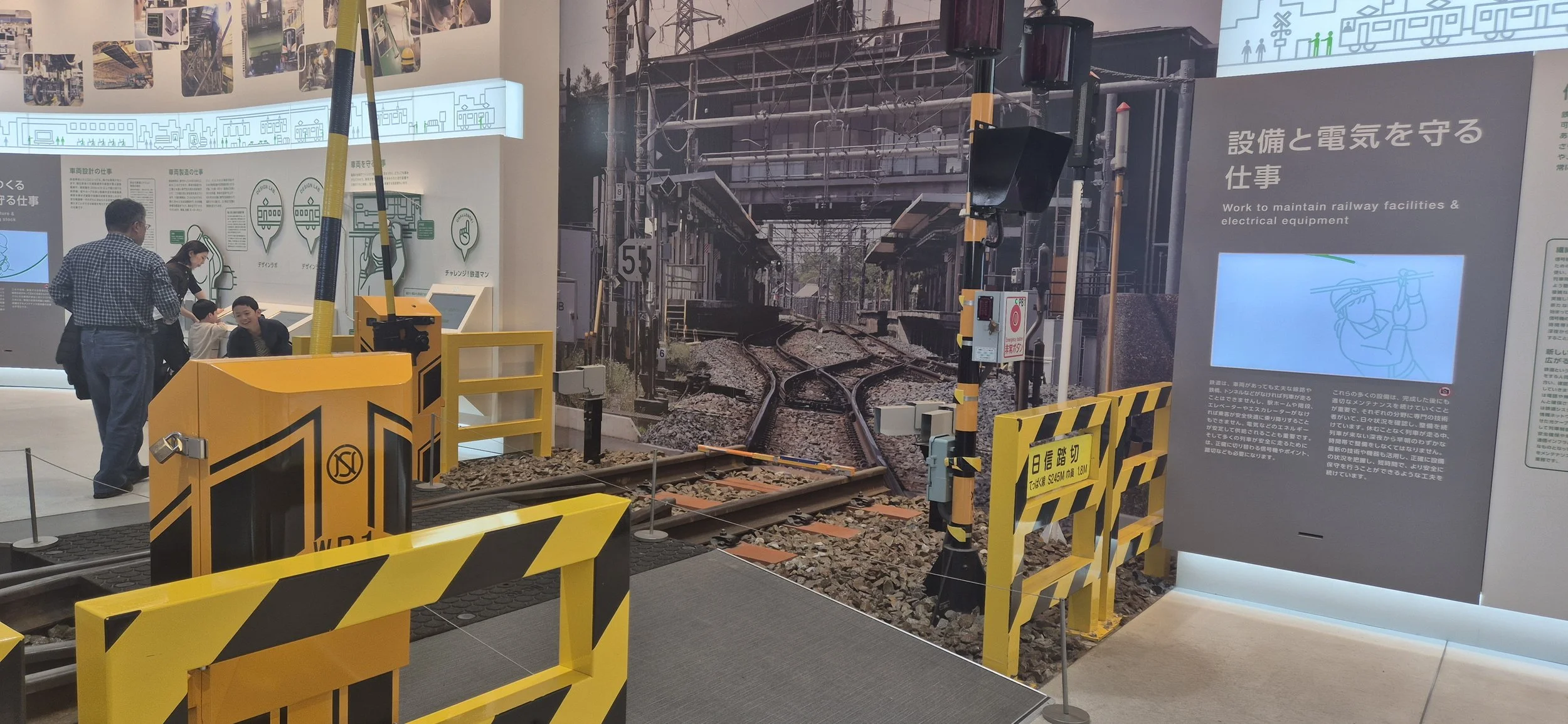
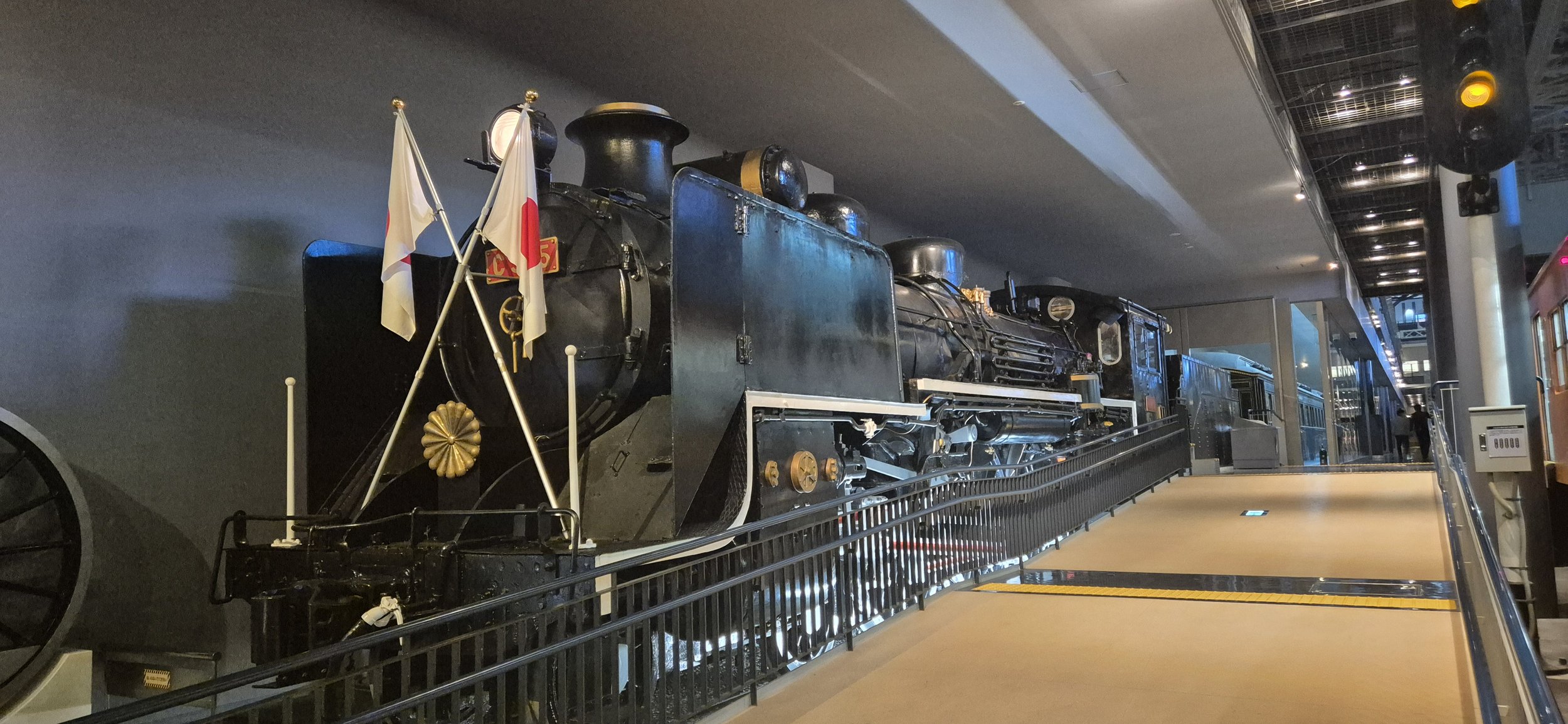
Step into the past in the history section, where the age of steam and the evolution of Japanese railways come alive. Displays featuring a ticket booth and ticket stalls can be explored, and visitors can visually see the changes over the years. This set-up also gave me a flavour of Japanese history as the posters on the walls changed over the years. The interactive hall buzzes with energy, featuring a working turntable and about 30 train carriages you can climb aboard and view from every angle the emperors personal train is housed here, and visitors can view the full length from behind a protective glass barrier. Demonstrations are held here daily so guests can witness the turntable in action. Venture into the future where visitors can snap photos beside two sleek Shinkansen and imagine the next era of Japanese trains. Young train fans can dive into hands-on exhibits designed just for them, while another section showcases intricate train models and vintage signage from decades gone by. There is even a research room for ongoing studies.
The museum is packed with exciting experiences. If you want to try a special experience, you’ll need to enter a lottery for some of the most popular activities. There are numerous driving simulators suitable for elementary school students and older ones, which can be booked via lottery or add-on prices. The museum operates on the idea that learning is interactive, and it shows through the range of exhibits and experiences on offer. There’s even an app to help you plan your visit, especially handy if you’re thinking of spending more than one day exploring. The app is a must if you are entering lotteries and want to keep track of entries and keep an eye open for any slots that open due to dropouts or no shows.
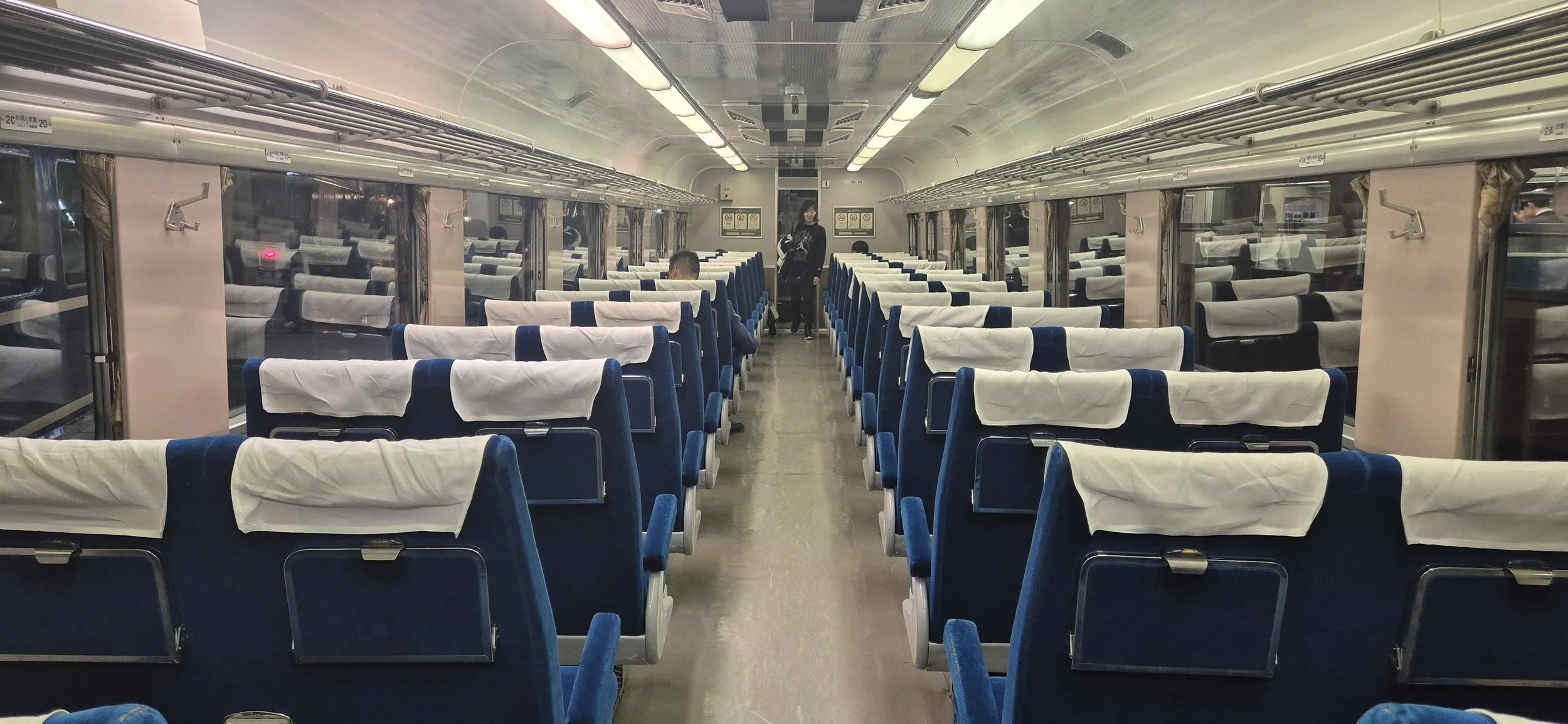
Even if you’re only mildly interested in trains, you’ll find yourself losing track of time here. I spent about three hours racing against closing time, wishing I could stay longer. You can climb aboard several trains, explore their interiors, and even see some from underneath, which is a real treat for train enthusiasts. With multiple floors brimming with fascinating exhibits, time seems to disappear. I highly recommend dedicating a full day to this place. There’s even a train set aside just for dining, complete with spots to buy the classic train bento box lunch, a must for anyone who loves the shinkansen. While you can usually find these bentos at shinkansen stations, having them available at the museum adds a delightful touch.
The museum was a very fun experience, and I enjoyed seeing how trains had evolved. Being able to go into them really allowed me to experience things better than if they had been behind glass. The museum is full of enthusiastic workers, and the turntable display I saw was full of waving and theatrical energy. There is a gift shop selling a wide variety of merchandise, including the Suica penguin, who is set to retire this year. Train enthusiasts are abundant in Japan, and merch for specific trains is widely available, in Japan the nickname train Otaku is coined for those who love all things train. The museum was exciting, and I really enjoyed my visit. There are plenty of great photo opportunities and even a stop in the future section, which allows guests to claim a free train ticket, which can be punched in the ticket stall set up. This makes for a very fun souvenir as it includes the date and time!
I fully recommend that the railway museum be added to any Tokyo or Saitama itinerary, as it can be reached via train lines from Tokyo. The museum has a lot to offer, including the perfect day out on a rainy day and is perfect for those with children. Tickets can be purchased online or at the venue. The museum can be very busy on weekends and holidays, so allow for extra time to explore. It is well worth the visit.