Naoshima island
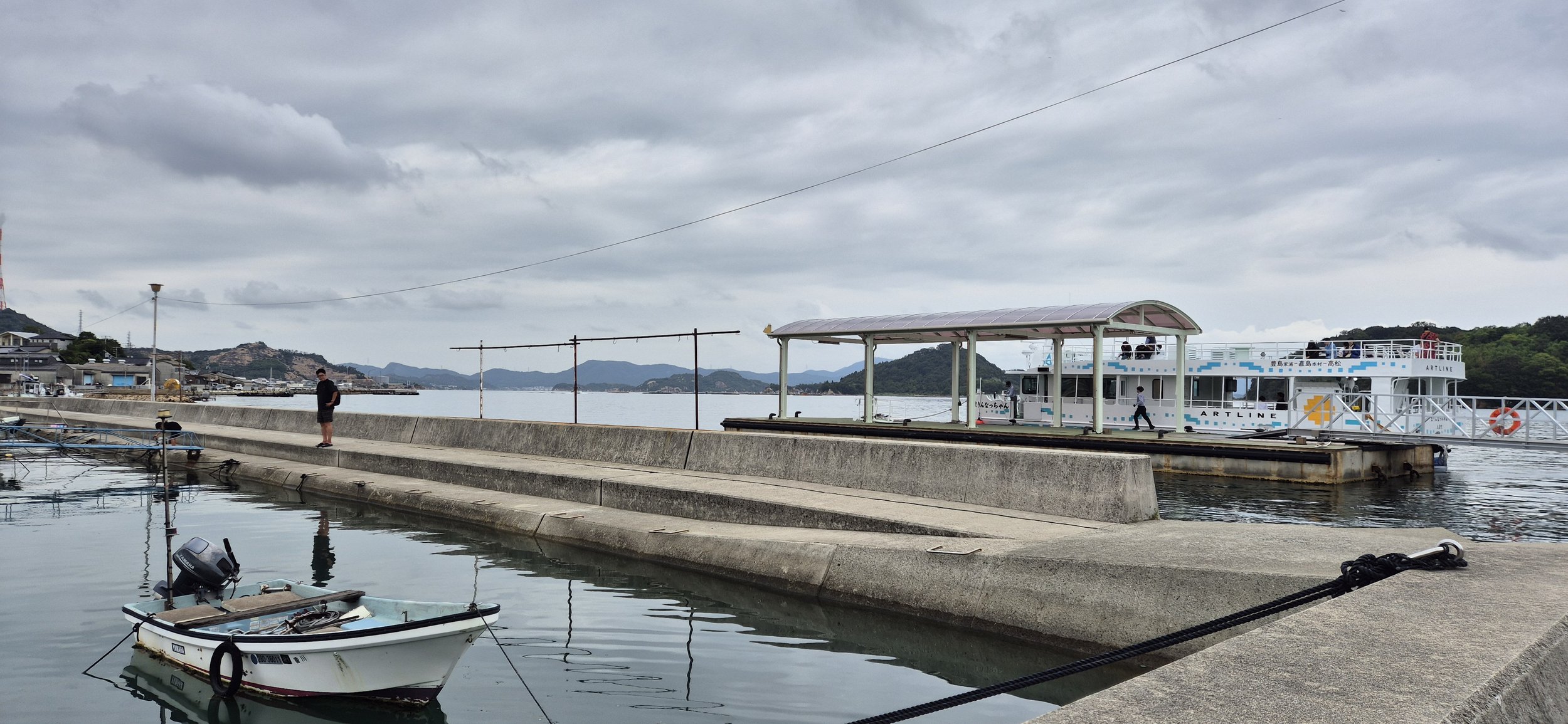
Off the shores of Kagawa lie 26 islands that make up the town of Naoshima. In Japan, rural areas are often incorporated into cities to make up numbers. As of 2020, the town of Naoshima had a population of around 3200. Naoshima's population has been steadily decreasing over the past 50 years. In Saga, there are no more villages or towns, as all have been absorbed into larger city borders to inflate population numbers, as in Karatsu. Naoshima town is not different. Today’s entry will focus on the island of Naoshima. This island can be reached via ferry from Kagawa’s capital or even Osaka, making it a fun day trip for those with time to spare.
The island of Naoshima is known for its art installations and has grown viral among the art communities. The island's Chichu art museum houses many famous paintings by artists such as Claude Monet, James Turell, and more. There are numerous art museums on the island and even a hotel which was designed by Tadao Ando, a self-taught architect whose works are known for adapting landscapes into buildings. The island is also home to a James Bond Museum, as the novel The Man with the Red Tattoo as the island is used for one of the settings.
Outside of art, the island has been used by Mitsubishi as a refinery since 1917. The island attracts many tourists and runs a bus connecting its museums and sites of interest. The scenery is beautiful, and an art museum can be found at its highest point. Naoshima has a beautiful view of the ocean and its neighboring islands, making it feel like a tropical paradise. Ferries run to the island frequently, and the island provides great rambling opportunities, too, for those wanting to explore the island on foot.
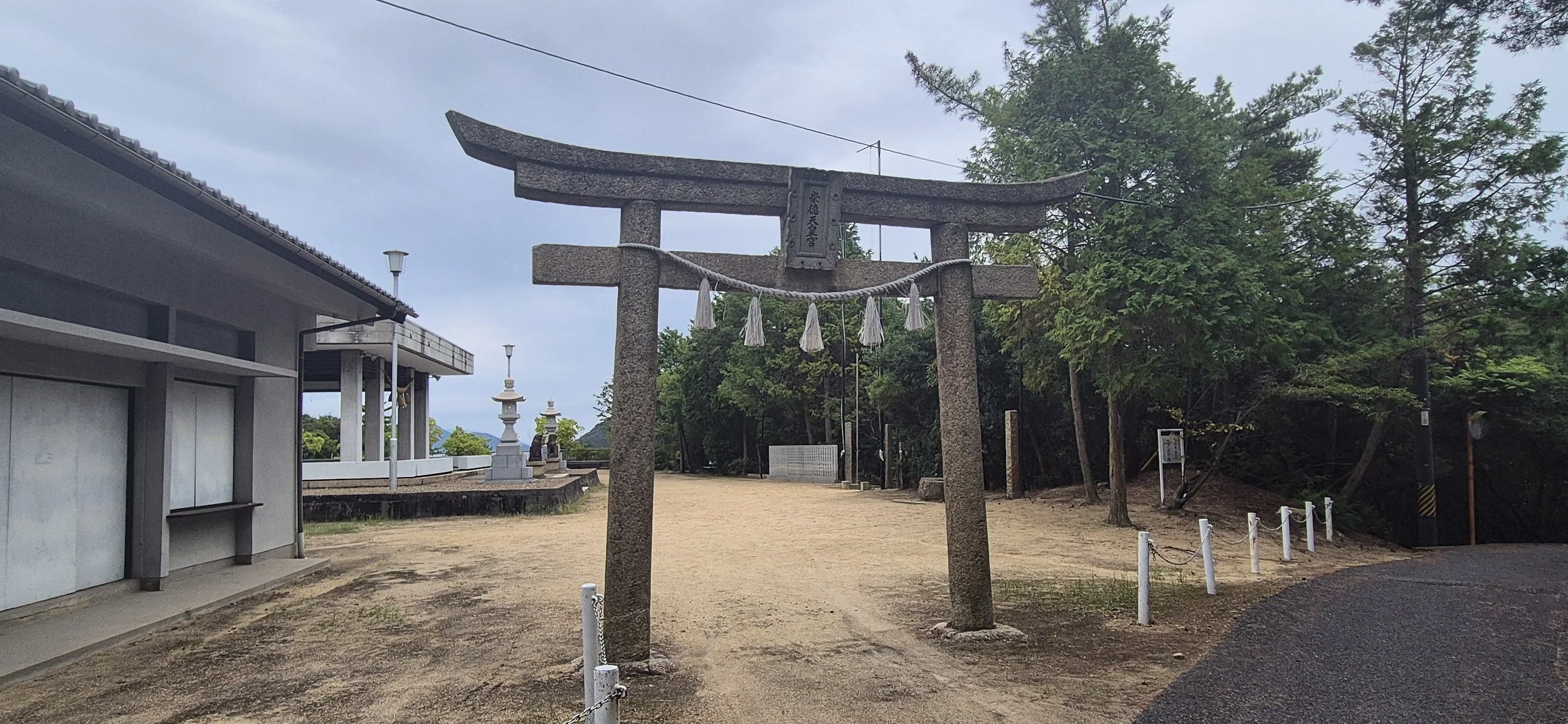
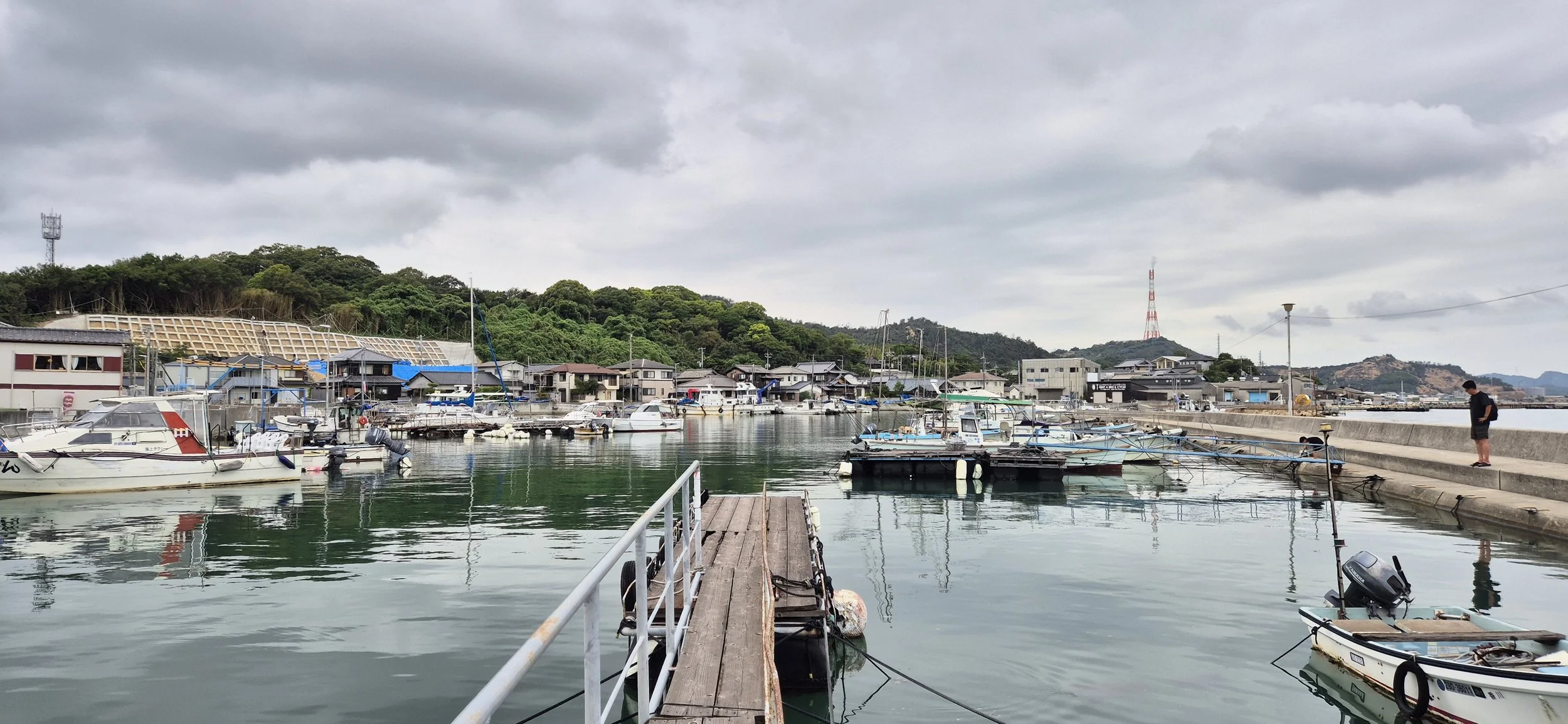
Naoshima became a town in 1954 and has a sister town in Ontario, Canada. Only three of the islands that make up Naoshima town are inhabited, and the rest are beautiful, safe havens for nature. My trip to Naoshima was a relaxing one; I enjoyed the ferry ride from Kagawa and was able to see many of the islands in the area. The island itself is peaceful, there are many old-style buildings in the harbor, and the bus is frequent. There are two main harbors on the island, and I decided to explore between the two. Most of the sculptures were up by the main harbor.
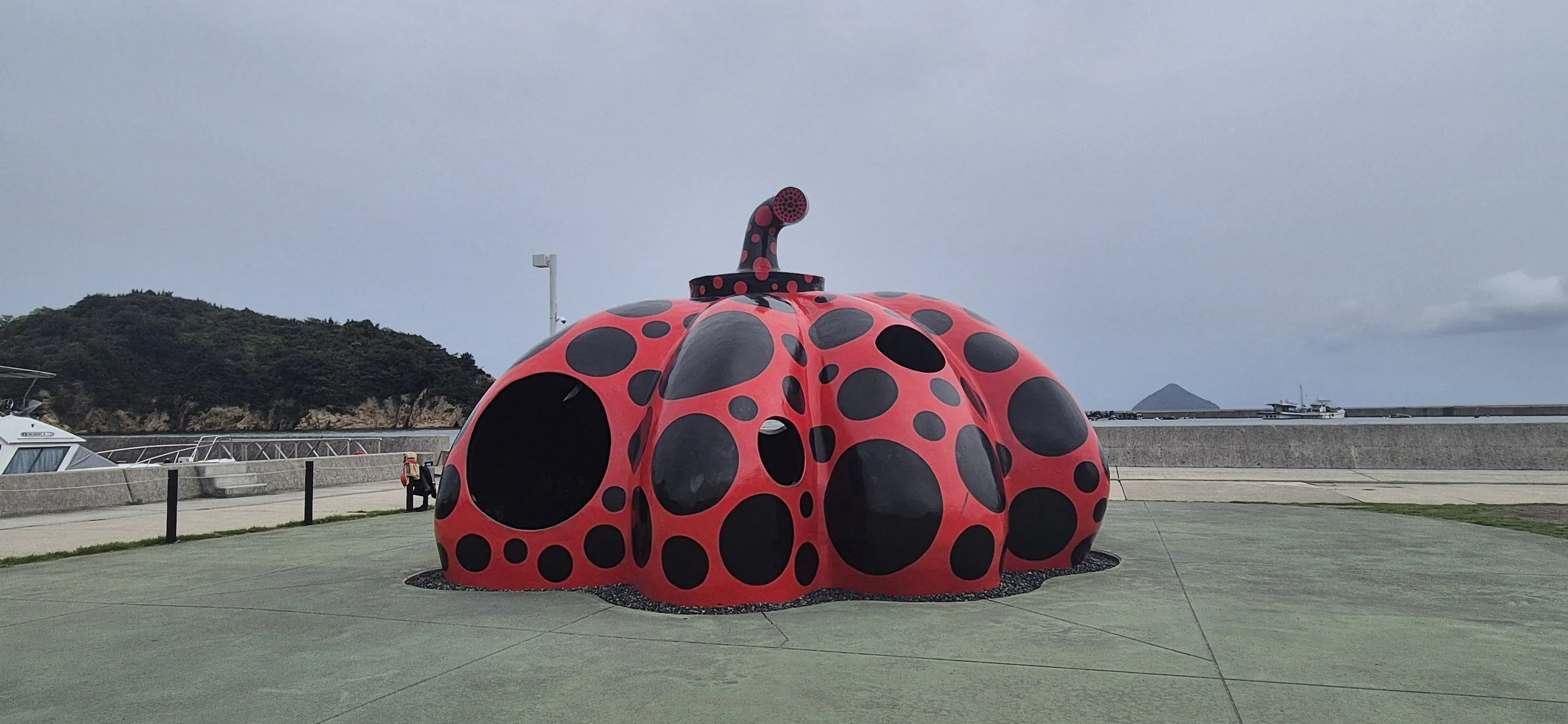
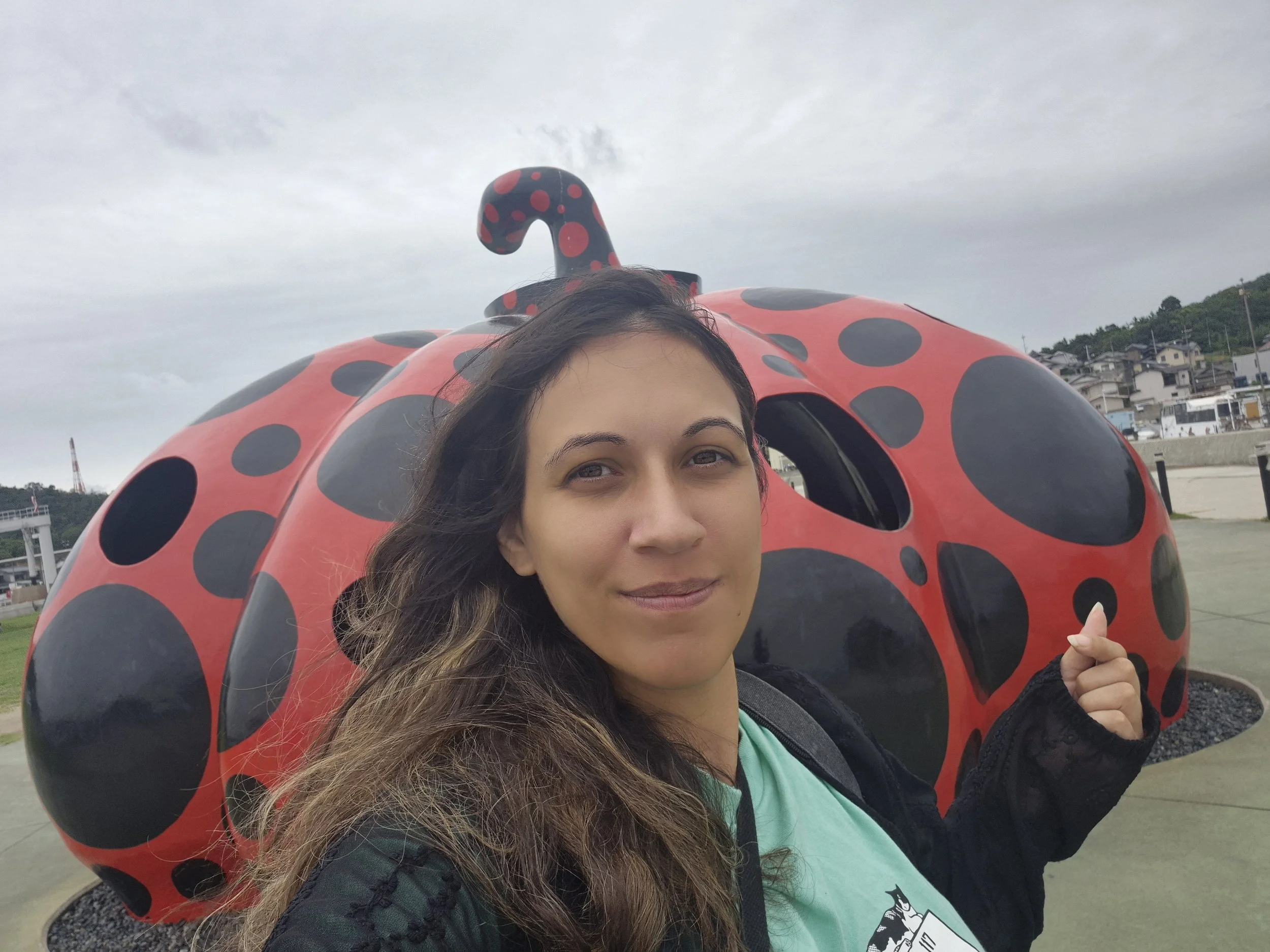
Naoshima's most iconic sculpture is the spotted pumpkin, which can be visited from the main harbor building as it is positioned at the end of the pier. The pumpkin makes some very fun pictures and selfies as it has holes within it, and guests can venture inside. Gifts and souvenirs can be bought from the harbor building alongside local produce and food. When I went, the heavens decided to open on my return, so I advise you to check the weather. I took a ferry back to the mainland via Okayama. I enjoyed exploring the island and would recommend checking it out if your trip has time. I would maybe even make time for another island exploration in the area if possible. The island inlets are very picturesque.
All in all, the island of Naoshima is a creative example of a dwindling populated island rebranding itself to draw in visitors. There are many islands in Japan that have since been repurposed for a new lease on life, such as the island of Gunkanjima in Nagasaki, Cat Island, Itoshima in Nagasaki, Bunny Island in Hiroshima and Naoshima. Many of these islands had dark and muddy pasts, but have been repurposed, allowing them to continue their legacies and pass on their stories to new visitors. Japan is often cited as being a blend of old and new, and that is no truer than on many of its islands. If you plan on travelling over here, why not add one of these islands to your itinerary and discover an island less trodden?