Megastructures – Kurobe Dam, Toyama Prefecture
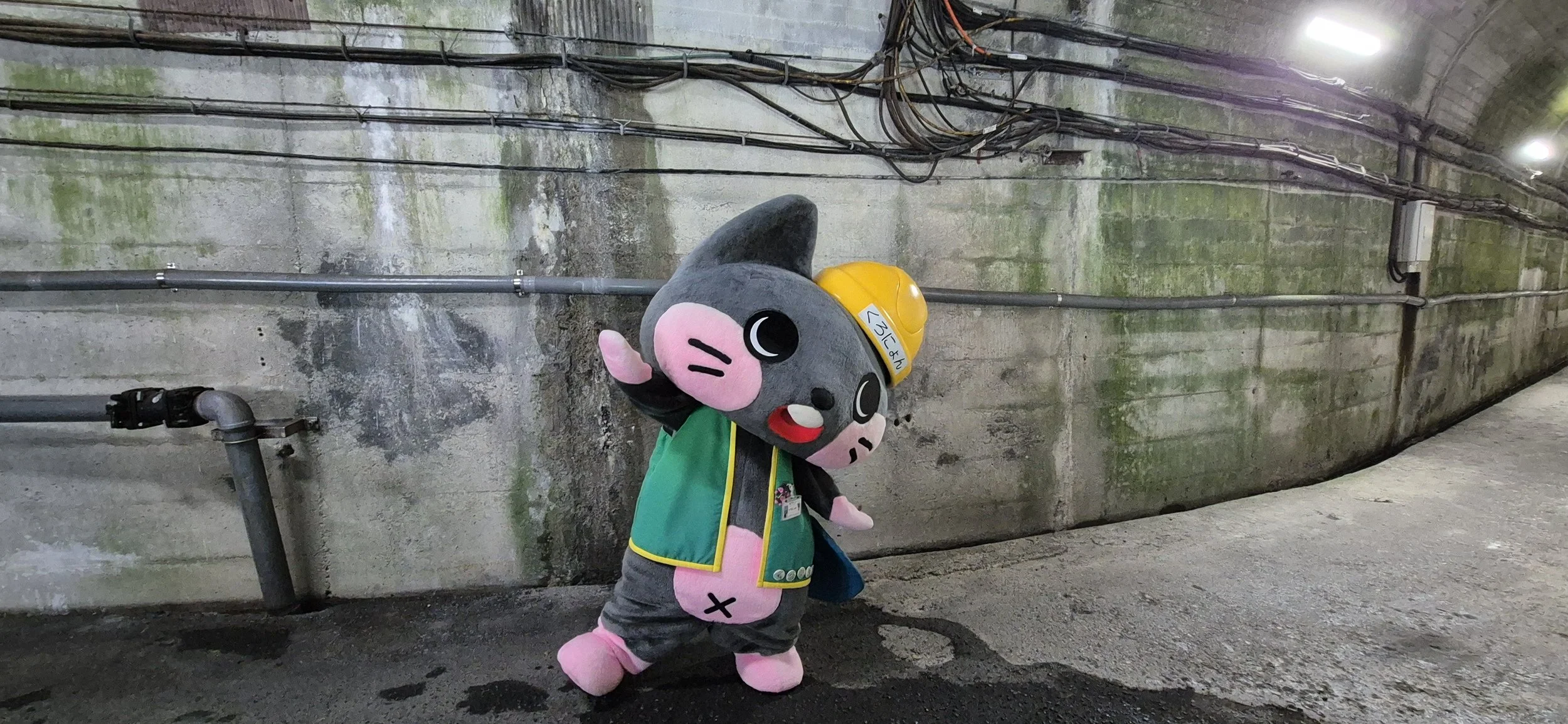
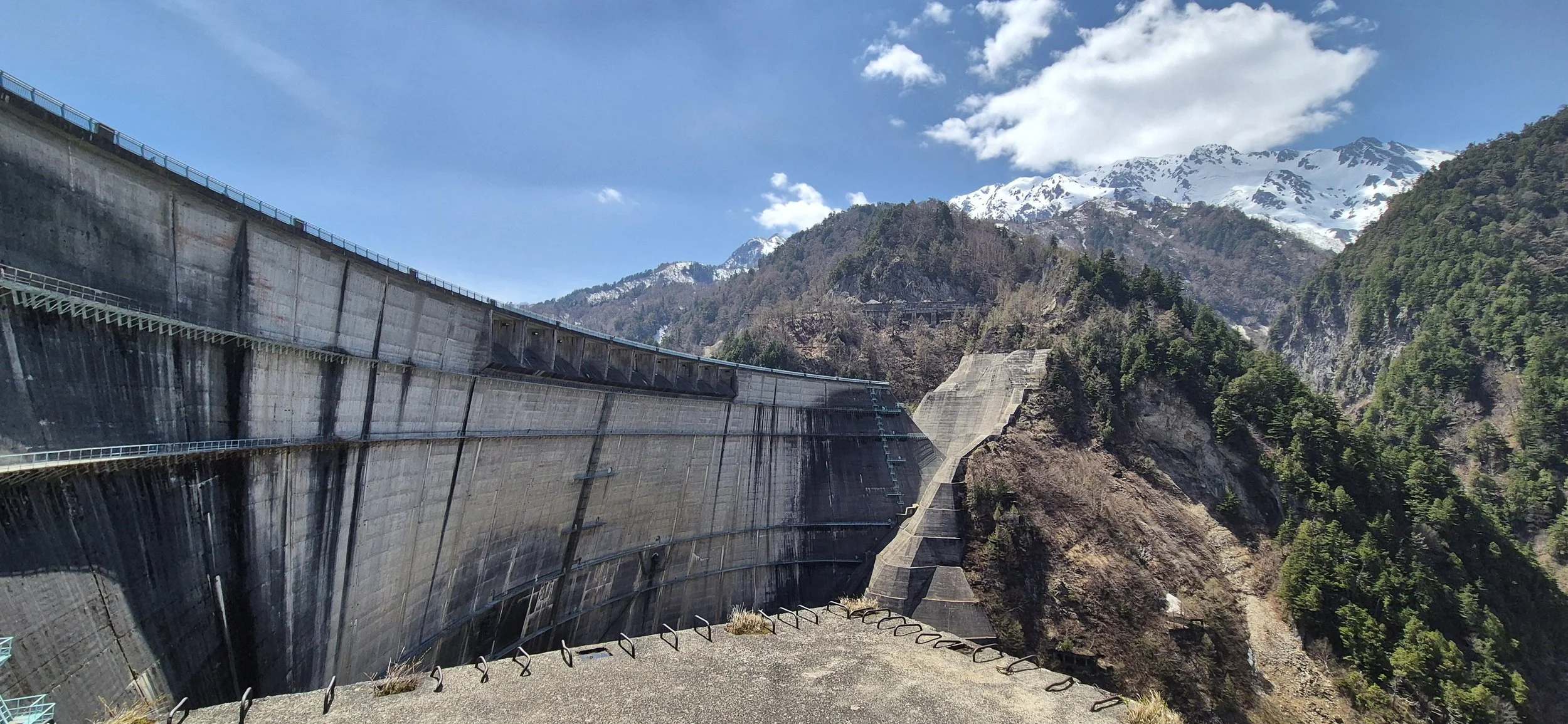
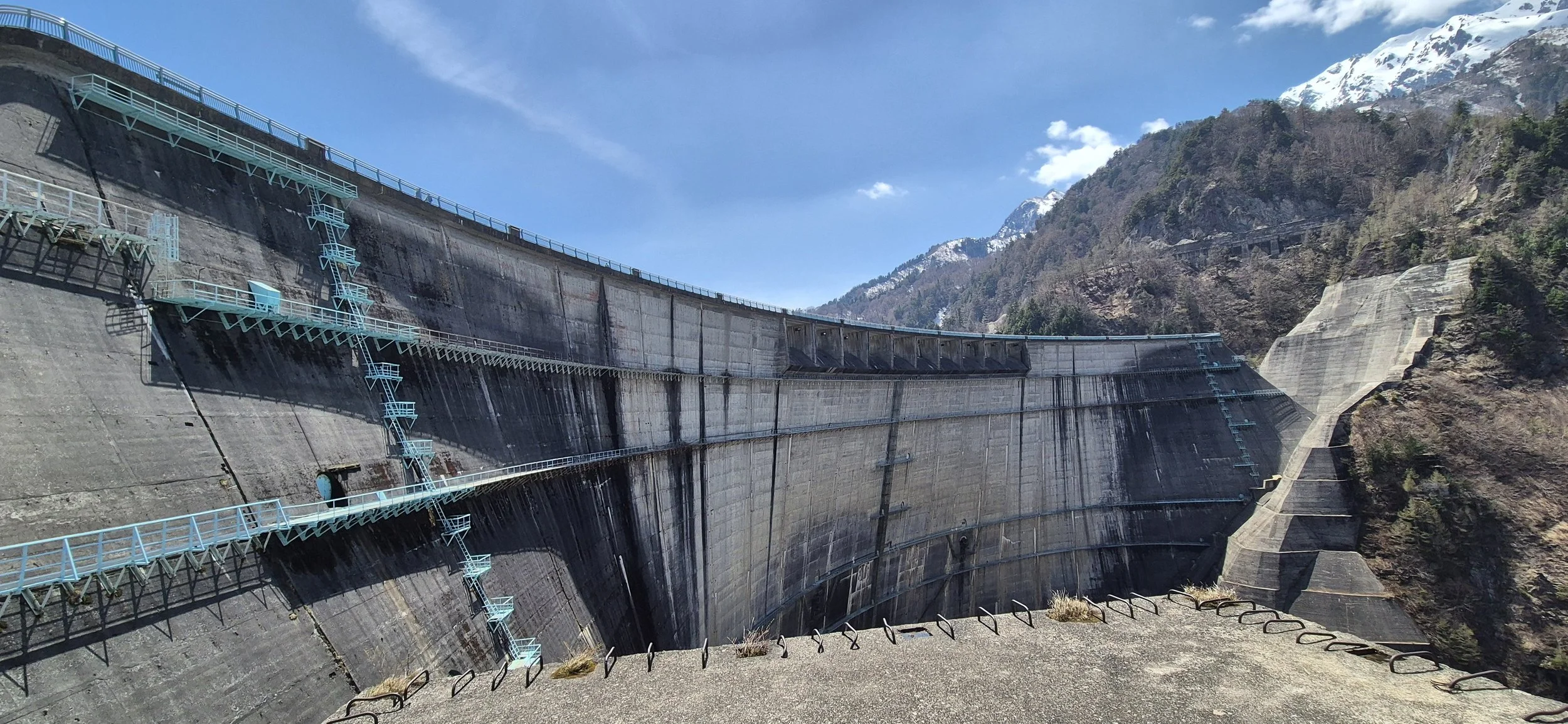
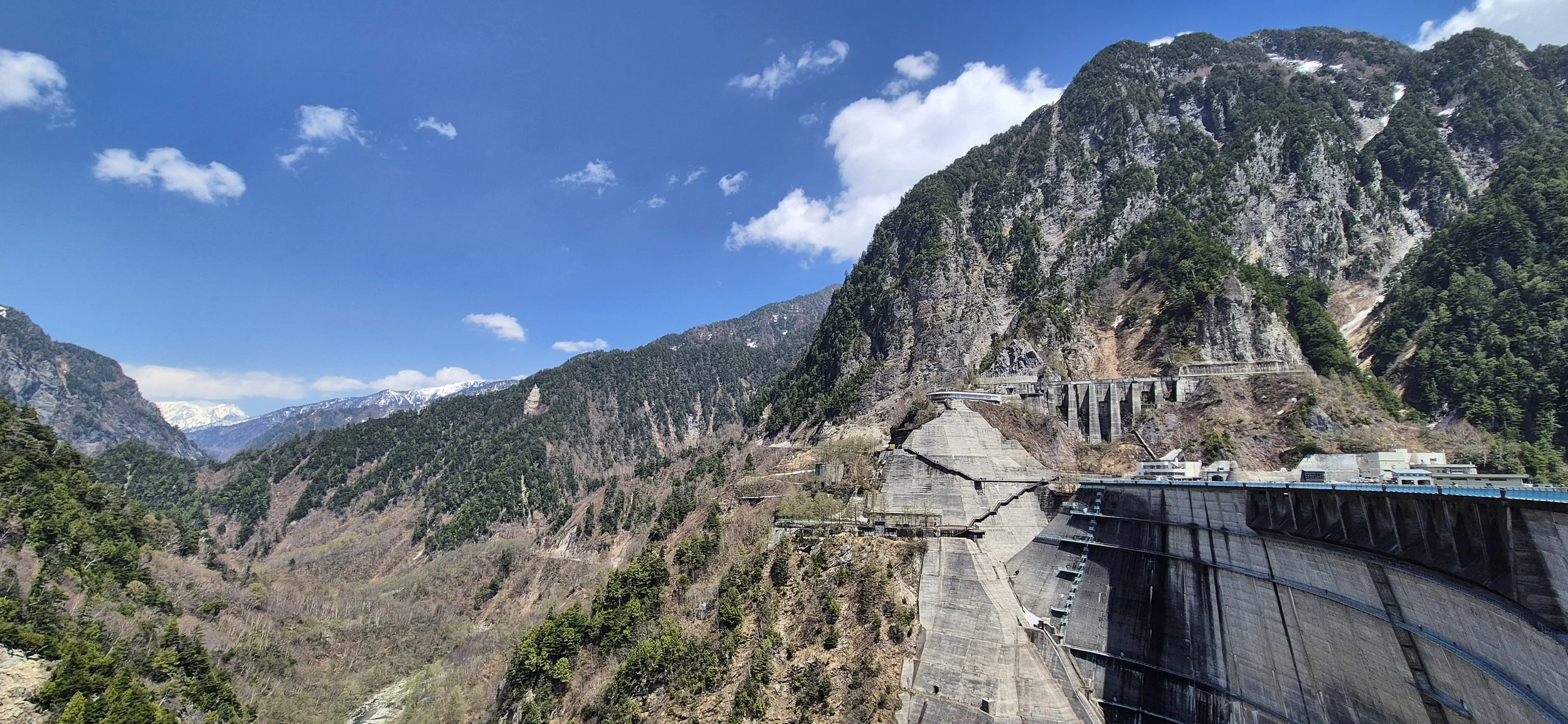
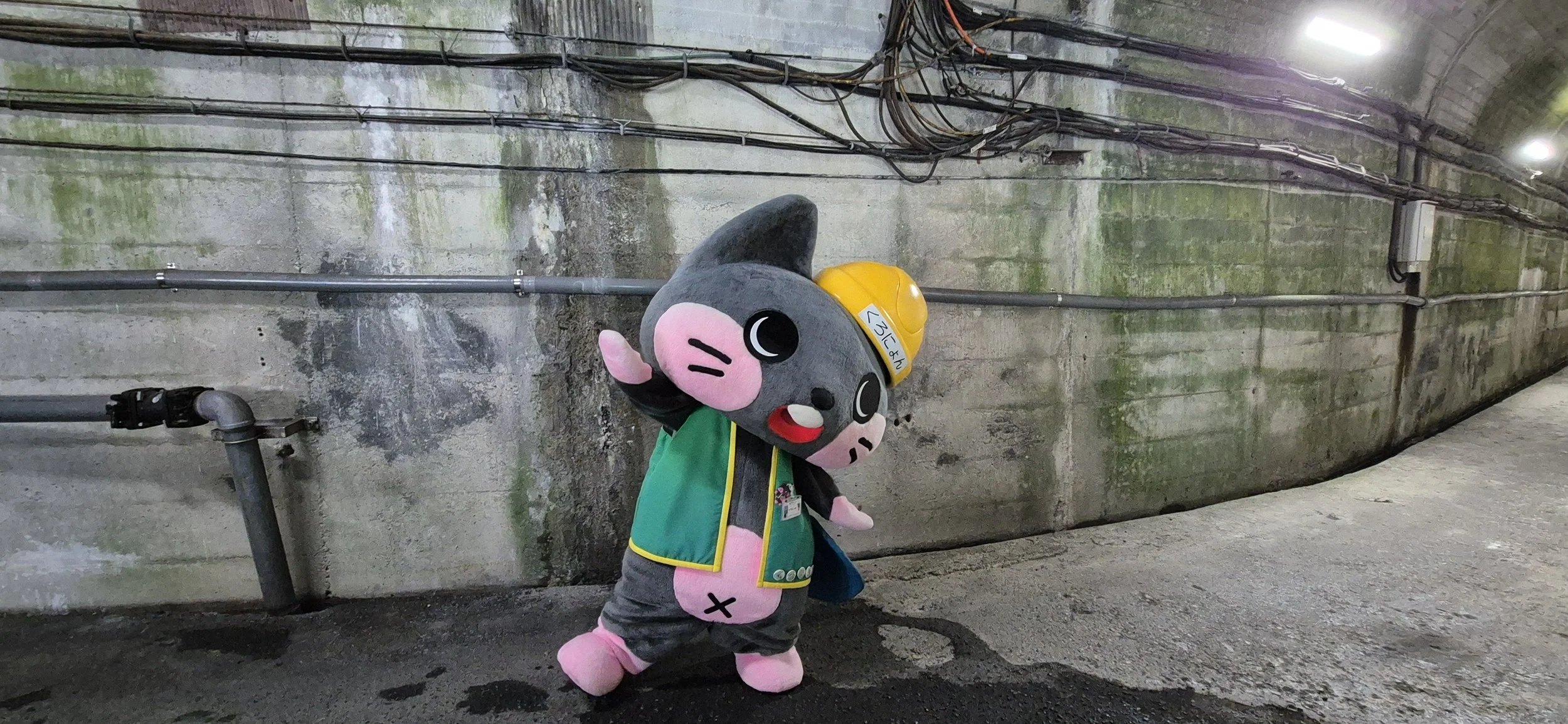
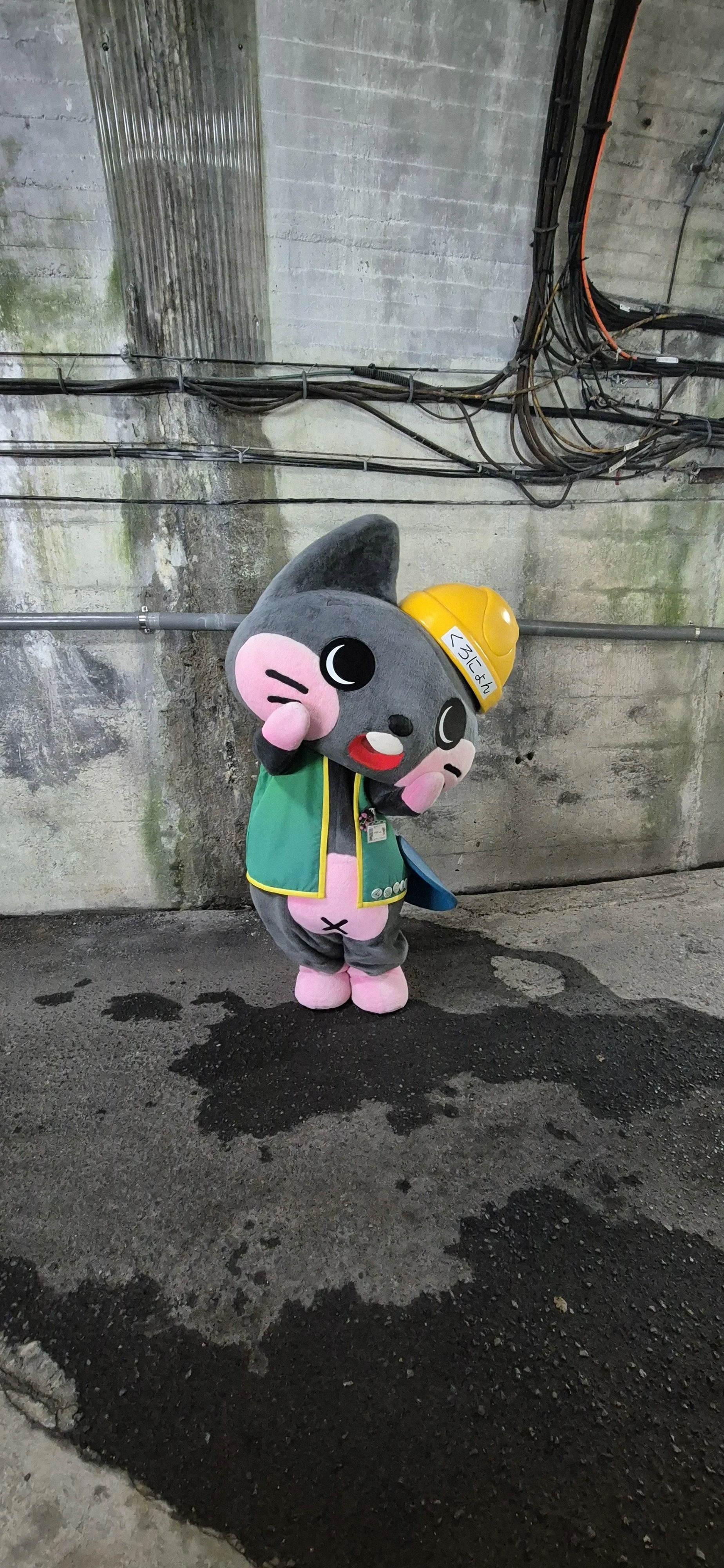
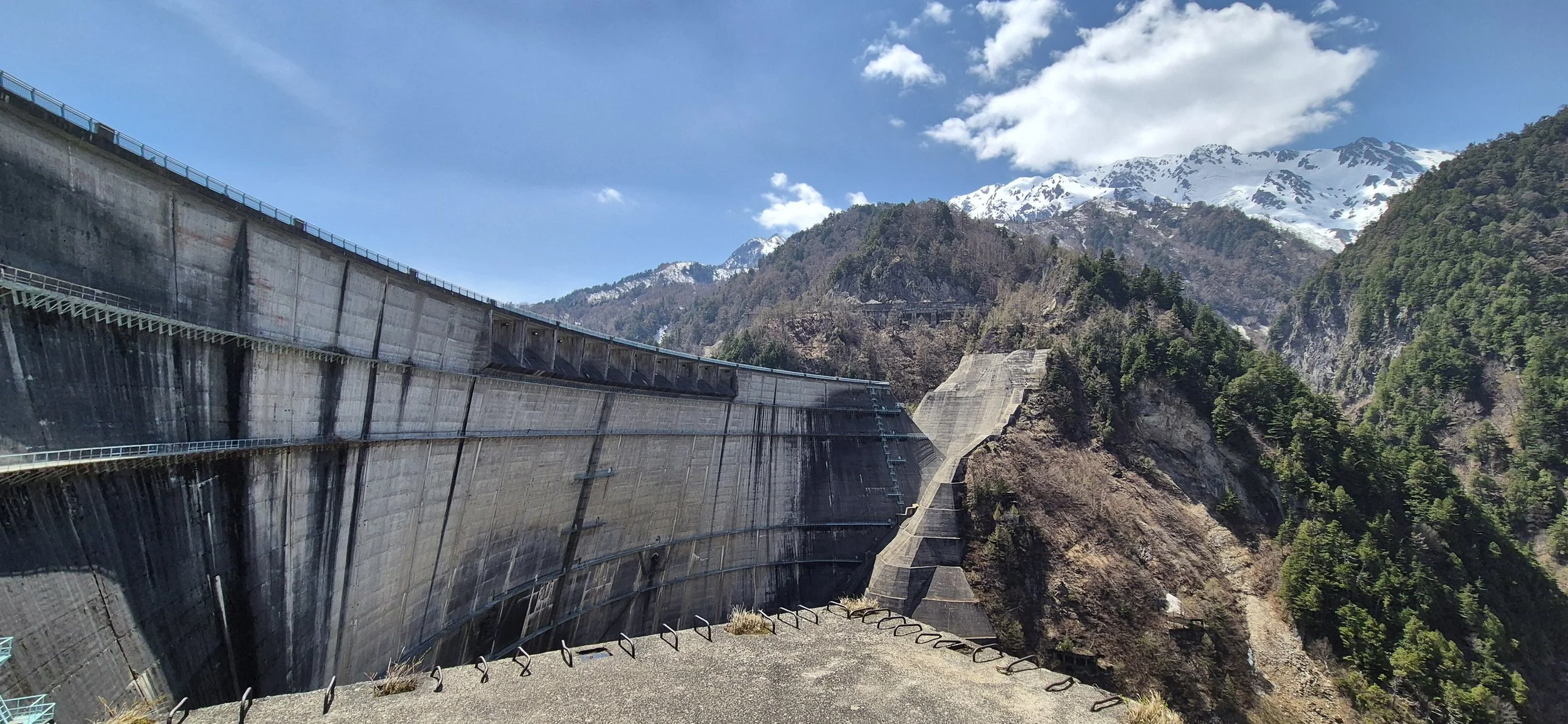
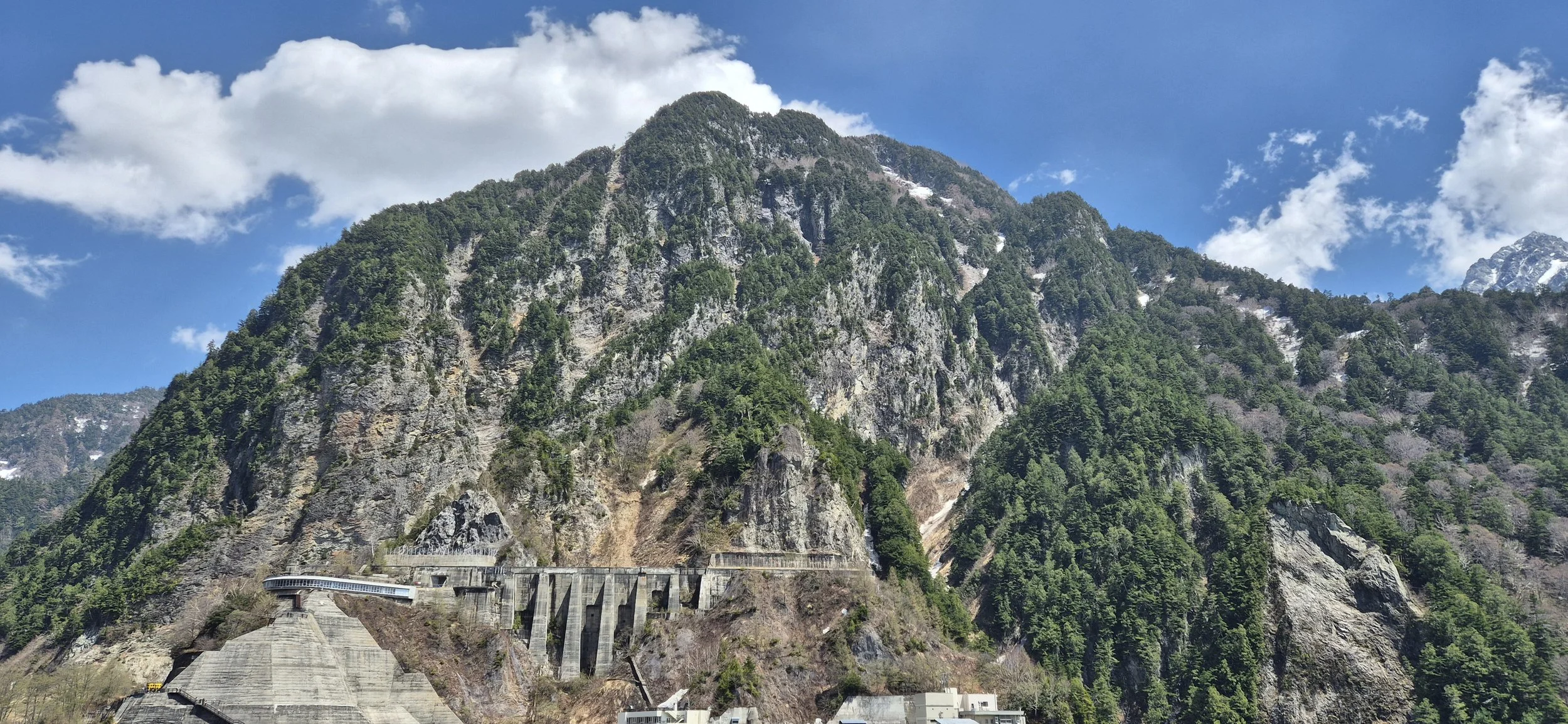
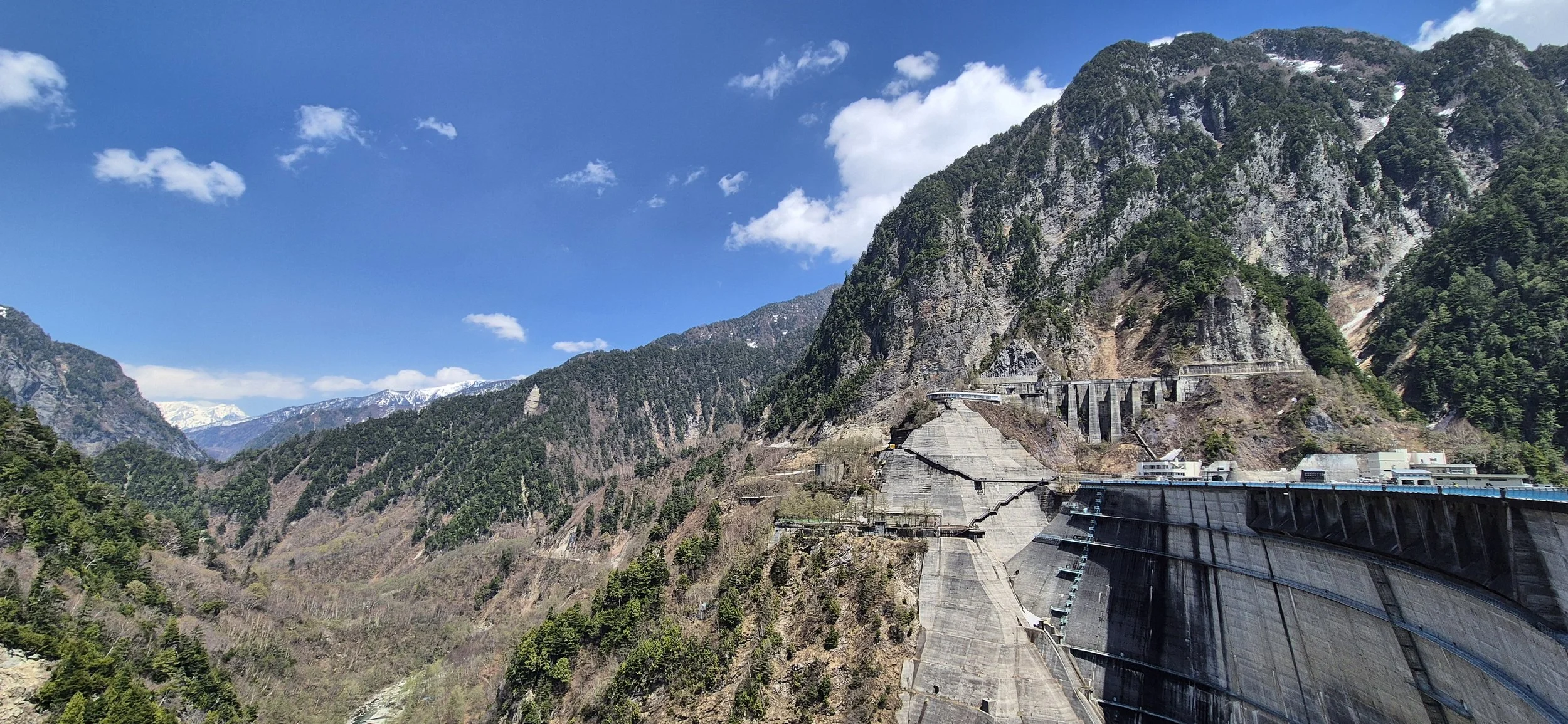
Rising proudly in Toyama Prefecture stands the Kurobe Dam or Kuroyon Dam, Japan’s tallest dam, reaching 186 meters into the sky. This marvel of Japanese architecture and engineering powers the Kansai Electric Power Company’s hydropower plant, but its appeal goes far beyond function. As a highlight of the alpine route, Kurobe Dam invites travellers to pause and explore. Visitors can delve into its story at a dedicated museum; however, visitors should note that the museum is only in Japanese. Visitors can browse for unique souvenirs, snap photos with the dam’s charming mascot Kuro Nisan, and take in sweeping views from the observation deck. For a playful twist, the local restaurant serves a whimsical dam curry, where rice forms the dam and curry flows like water.
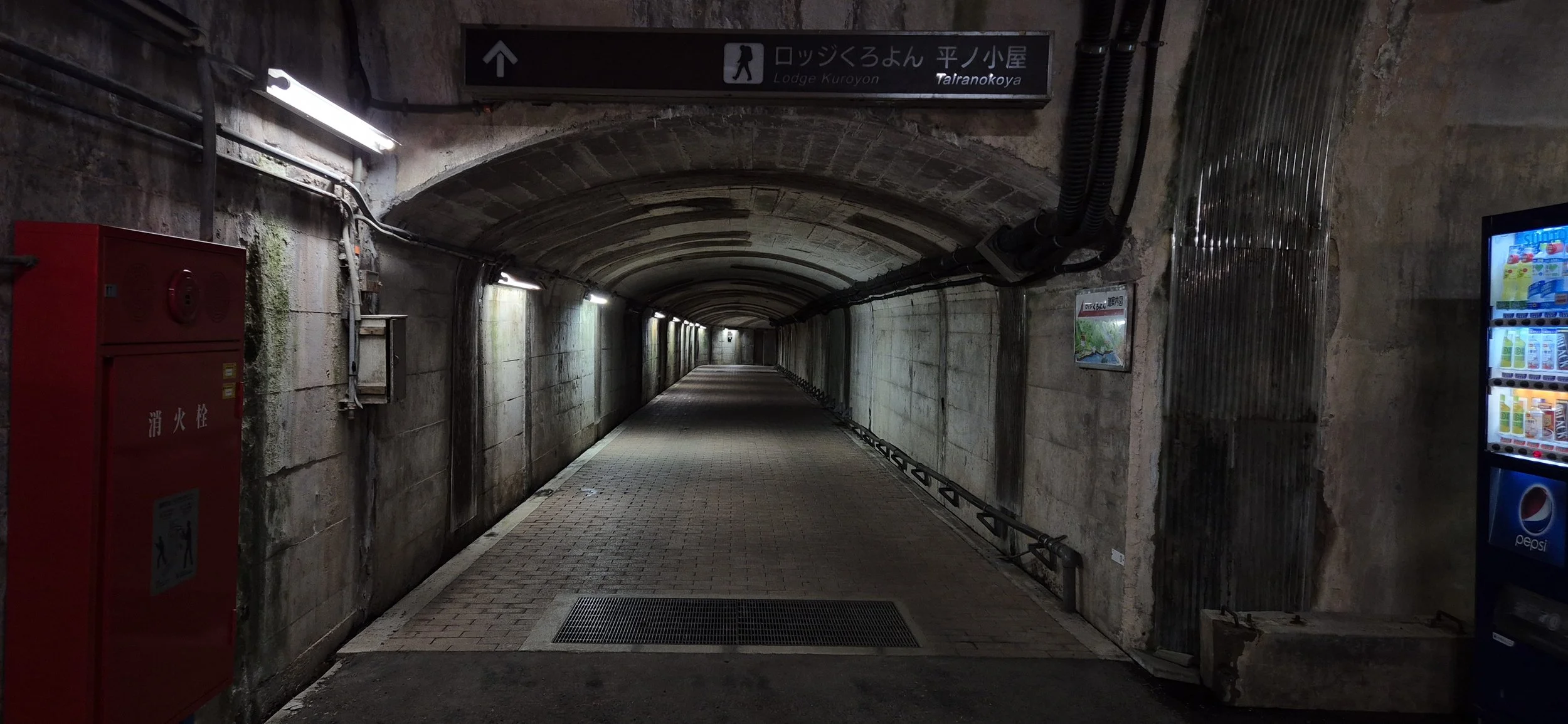
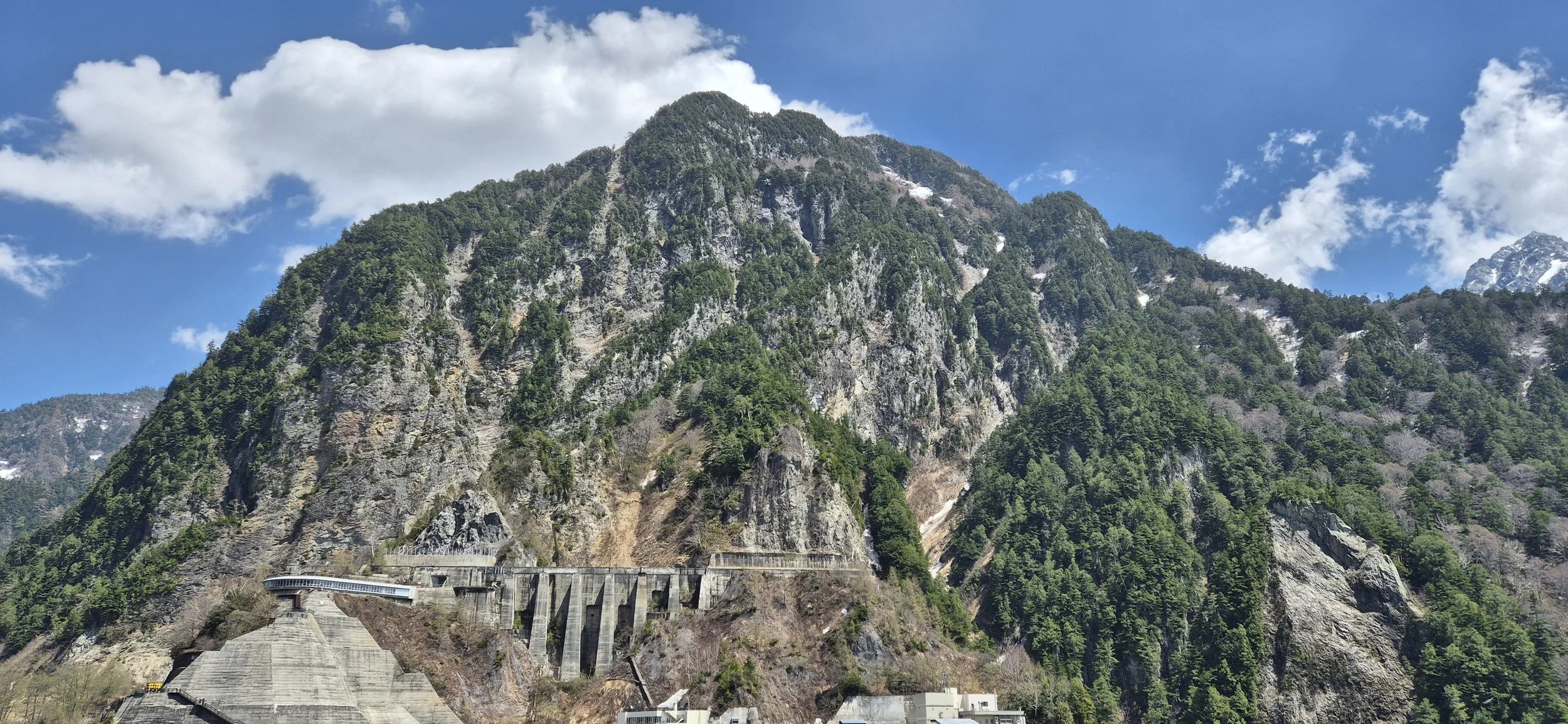
The dam’s construction took seven years, from 1956 to 1963, for 51.3 billion yen. After a severe drought and the rapid expansion after WW2, which led to power shortages and rationing. Studies into the Kurobe River began as a potential answer to Japan’s power problems. Construction was no picnic as the area was remote and hard to reach; only a narrow-gauge railway line existed in the area, which proved challenging for building what would become the biggest Dam in Japan. The decision to build the Kanden tunnel under Mount Akazawa was made. This tunnel is the same one visitors will ride through on their way to and from the Dam. This project proved no less challenging, and efforts to build were hampered when fractured rock was encountered, slowing progress. But eventually, there was light at the end of the tunnel! And the Kurobe dam started to take shape. Kurobe dams’ construction process claimed over 170 lives, a stark reminder that nature is a force to be respected and a testament to the megastructure project.
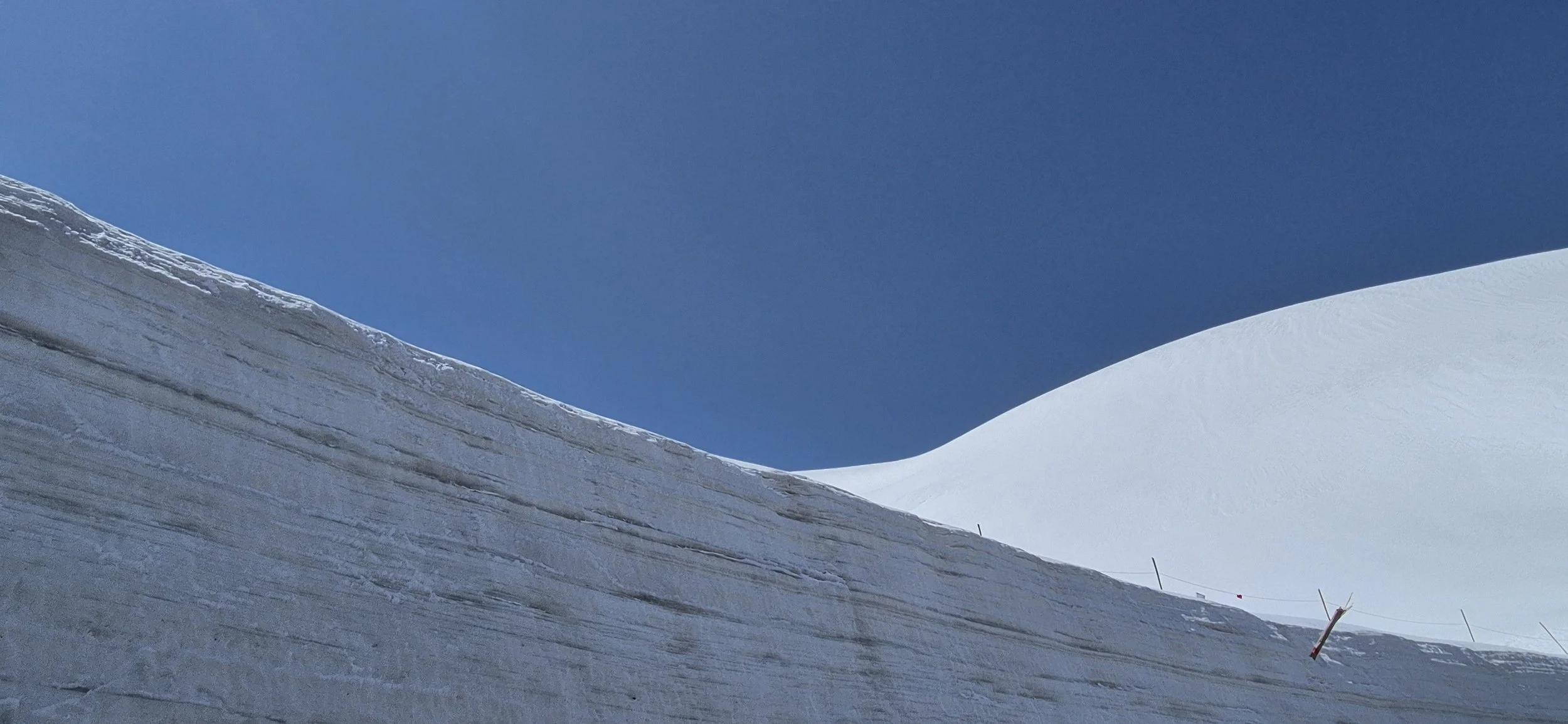
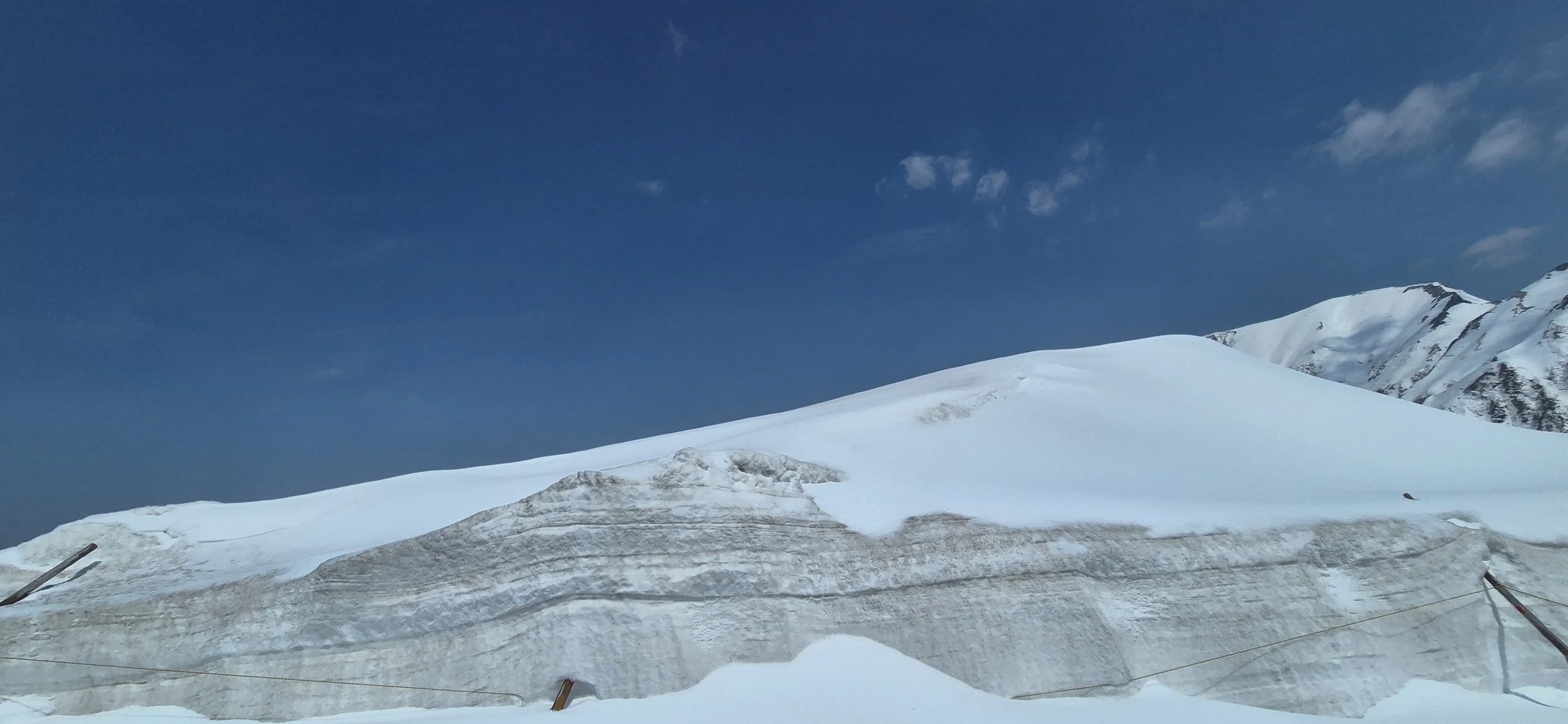
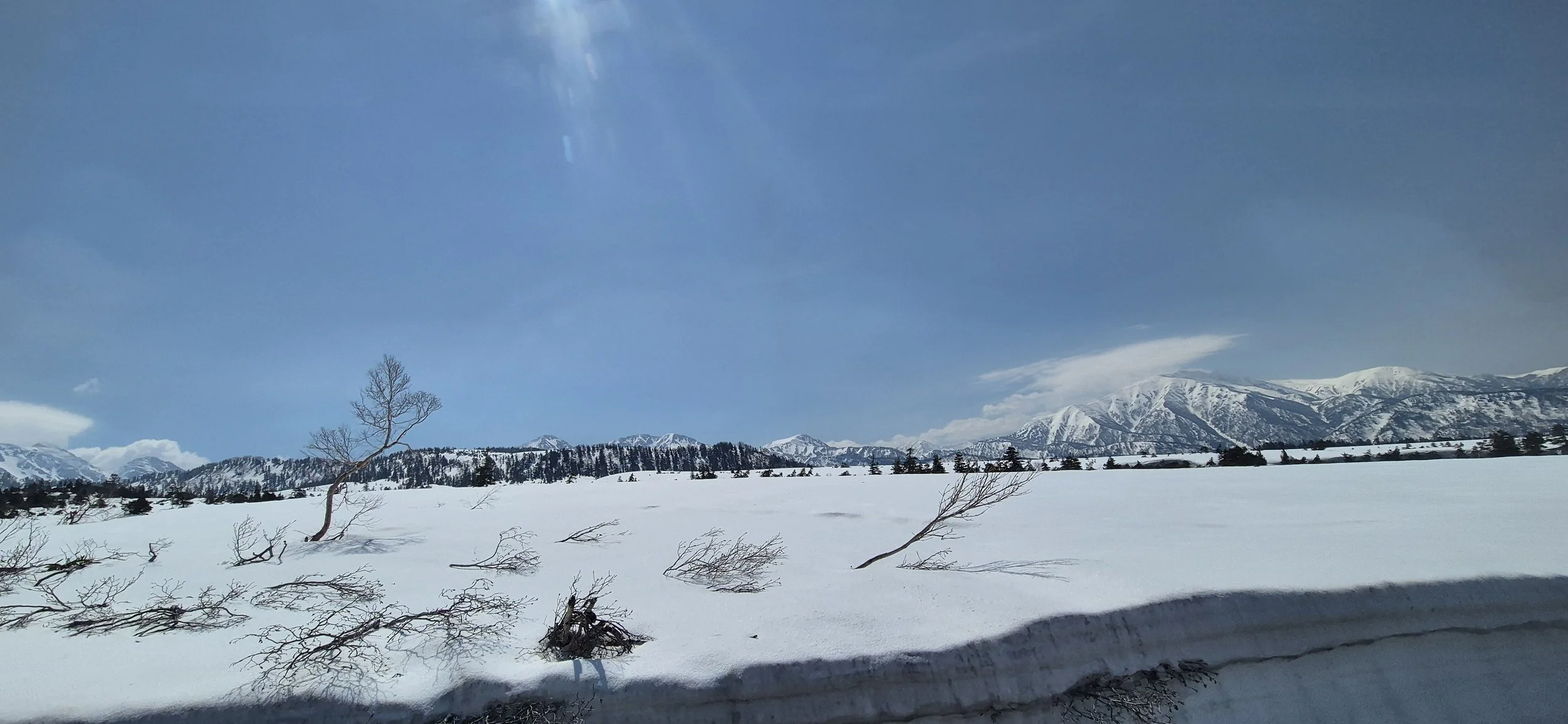
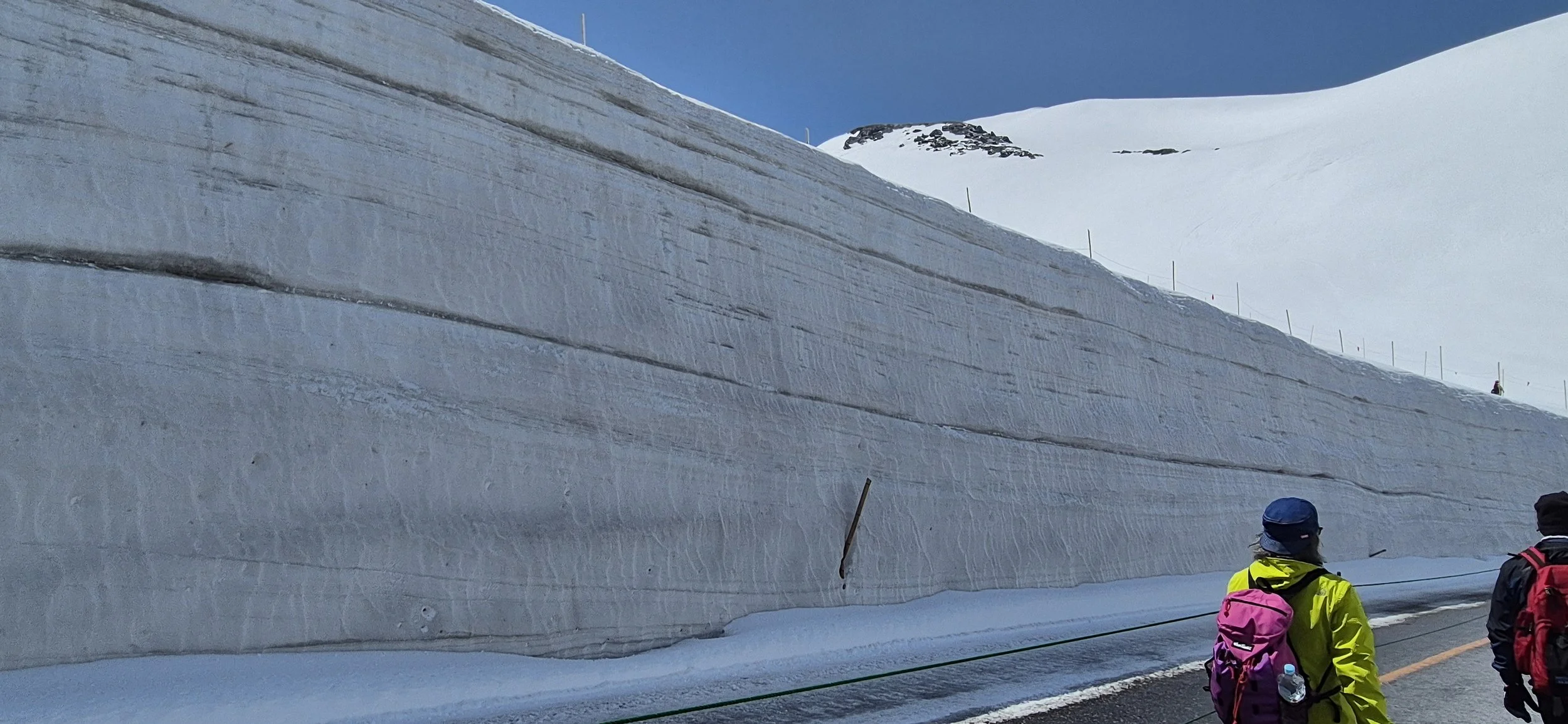
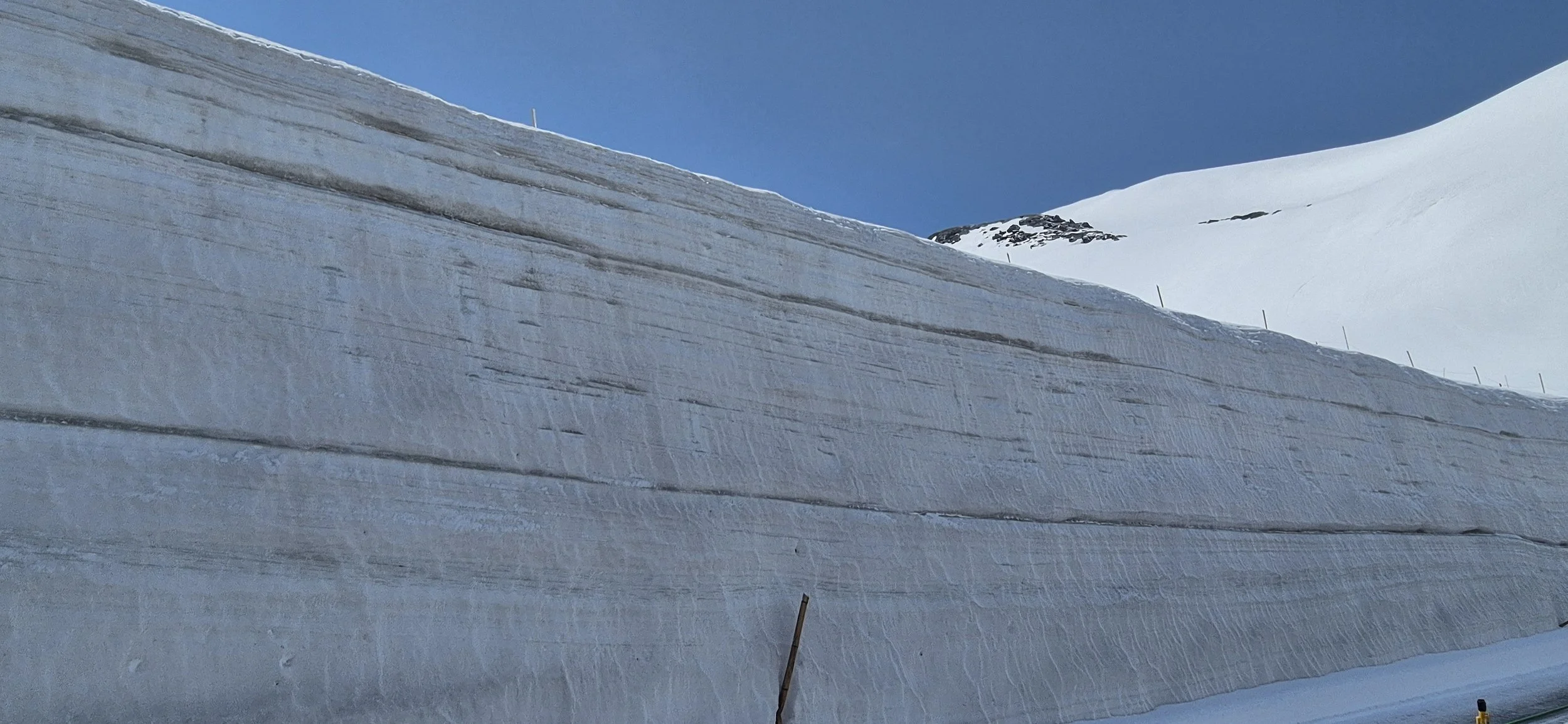
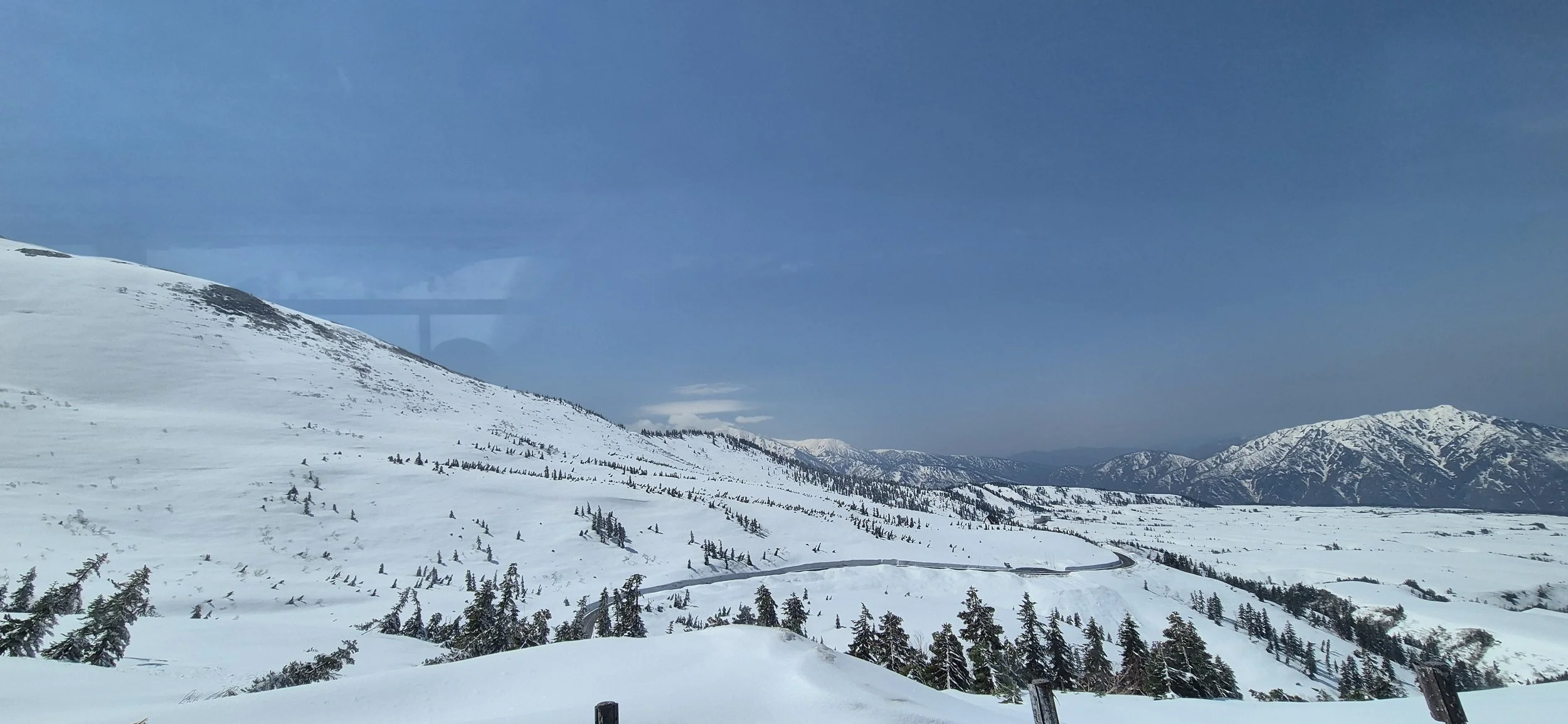
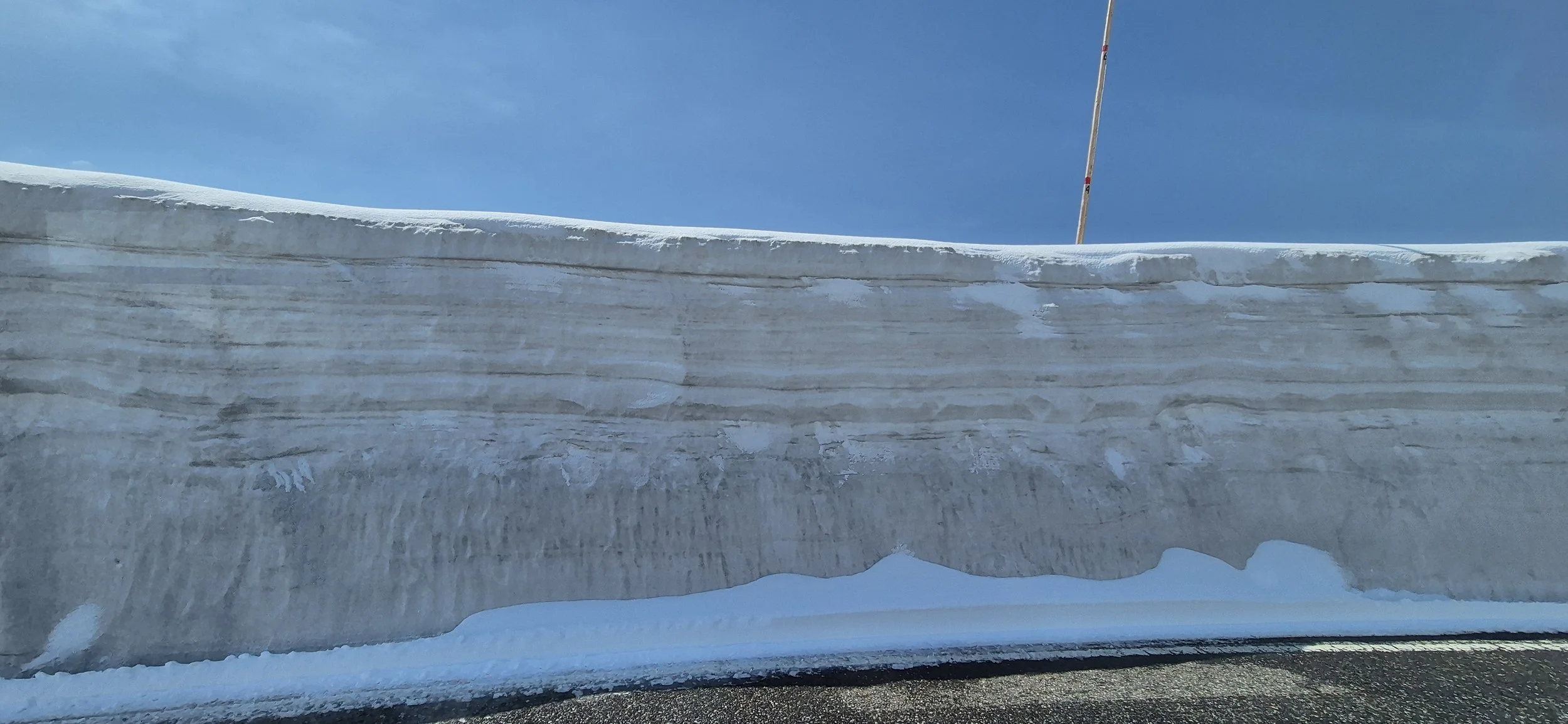
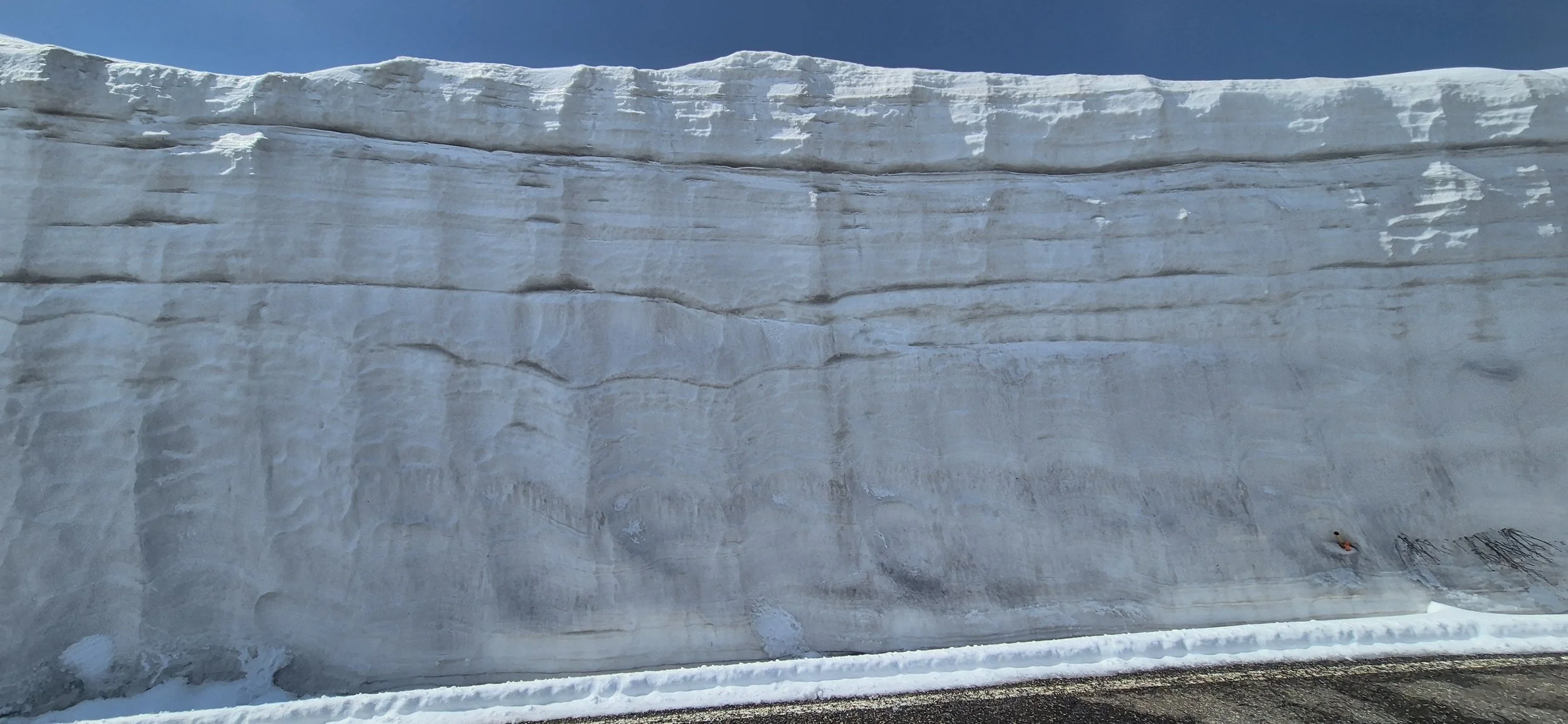
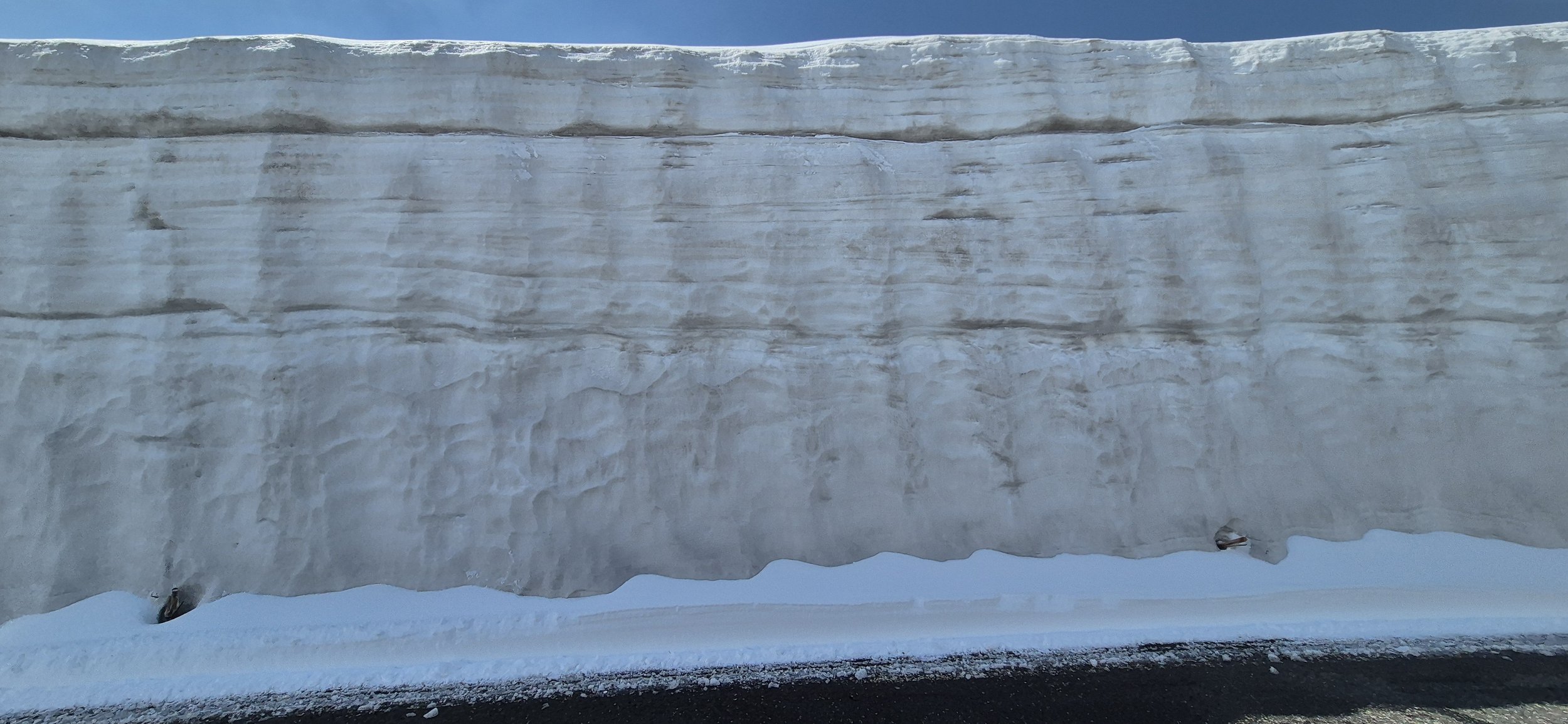
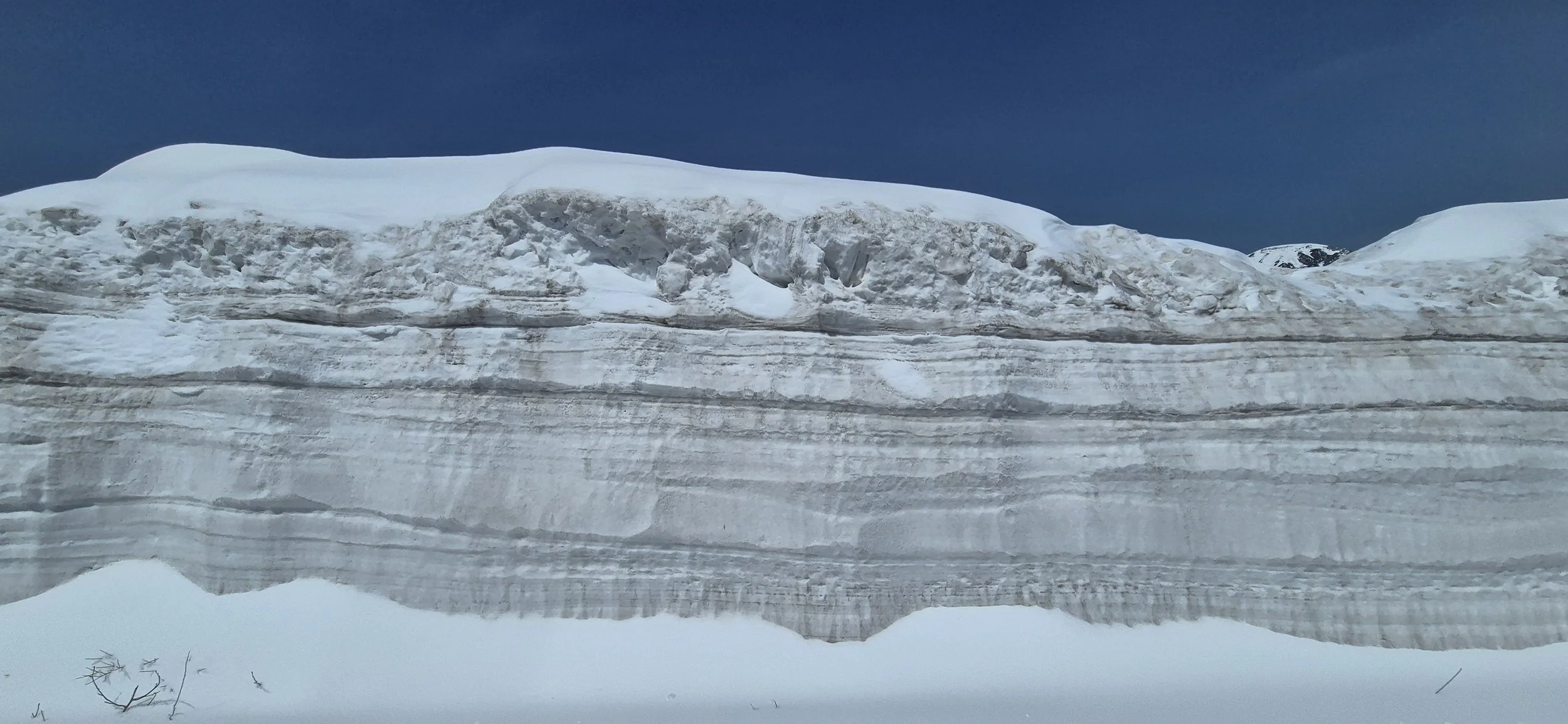
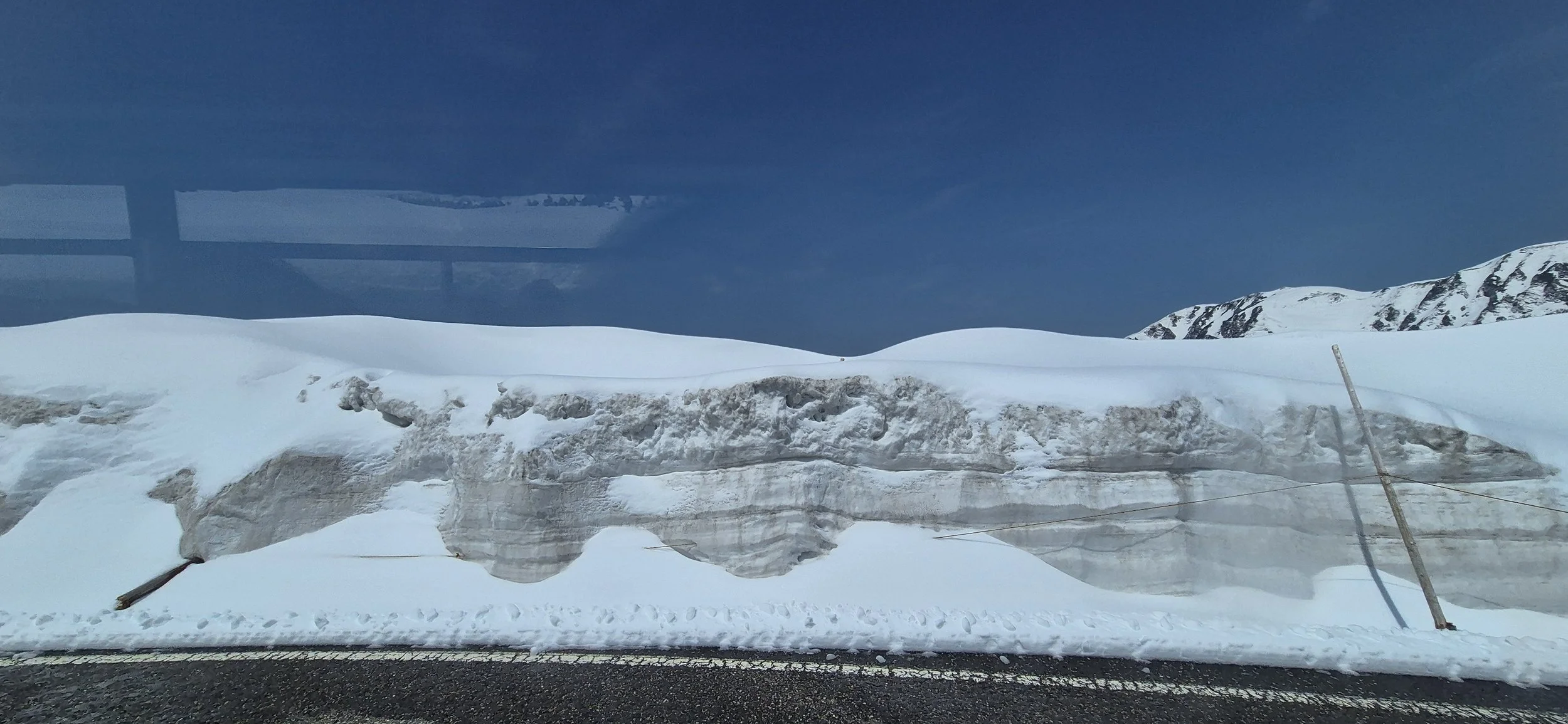
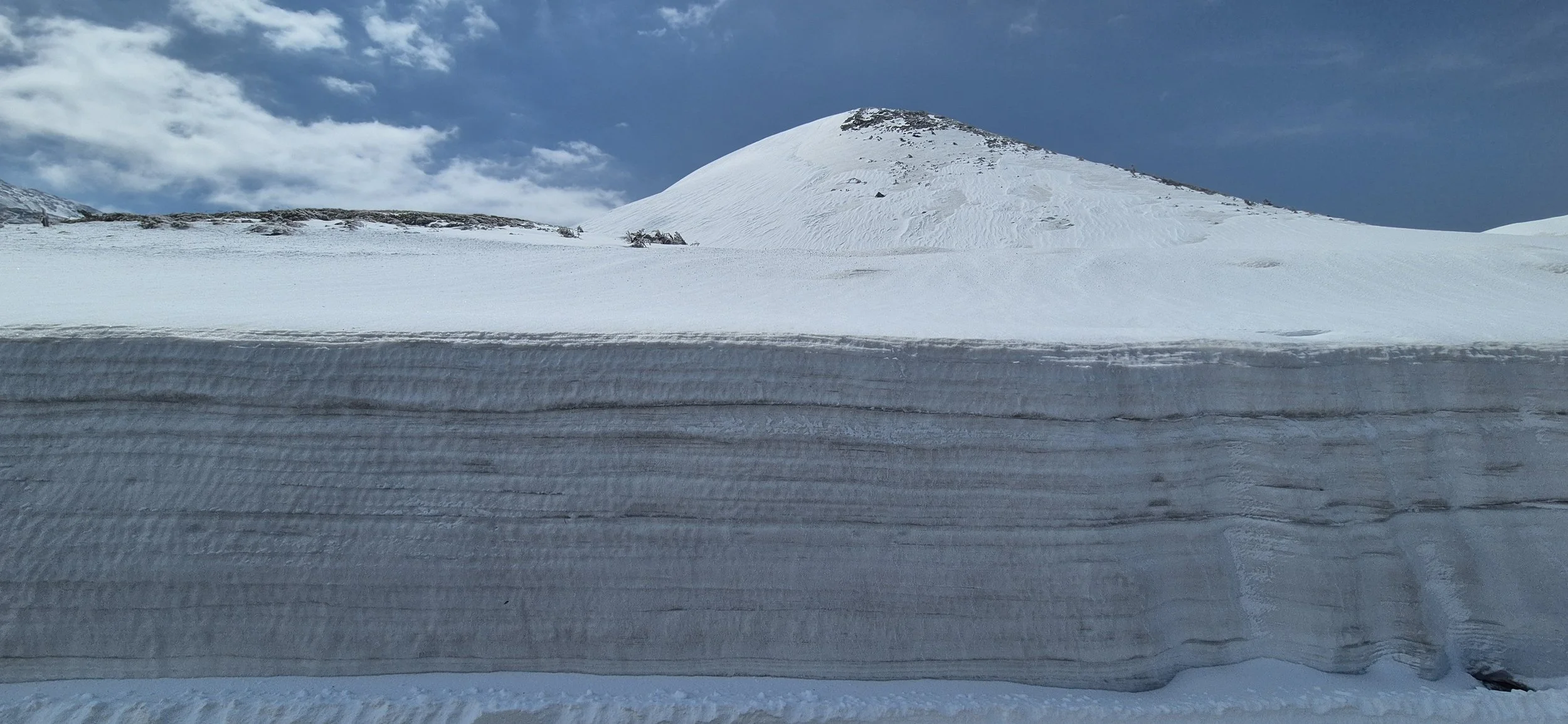
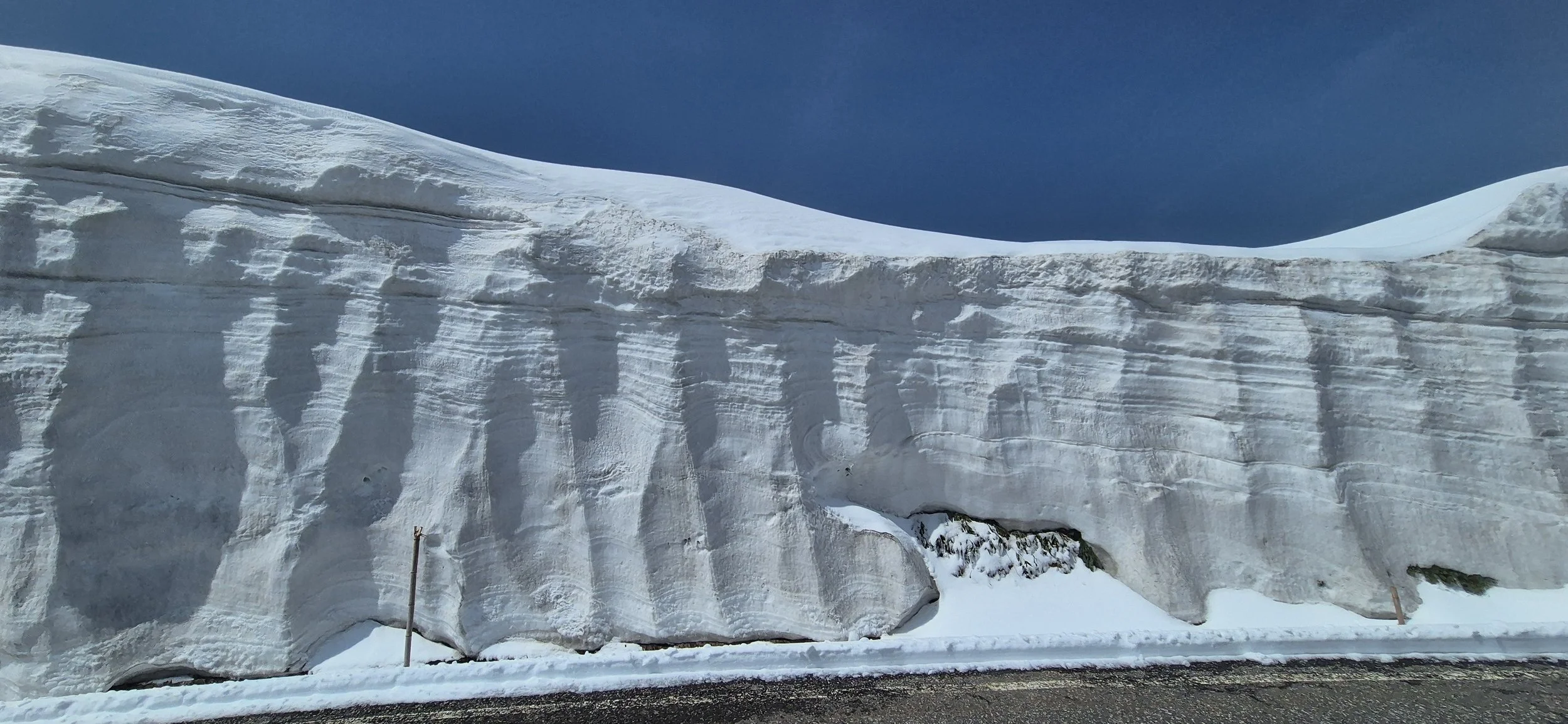
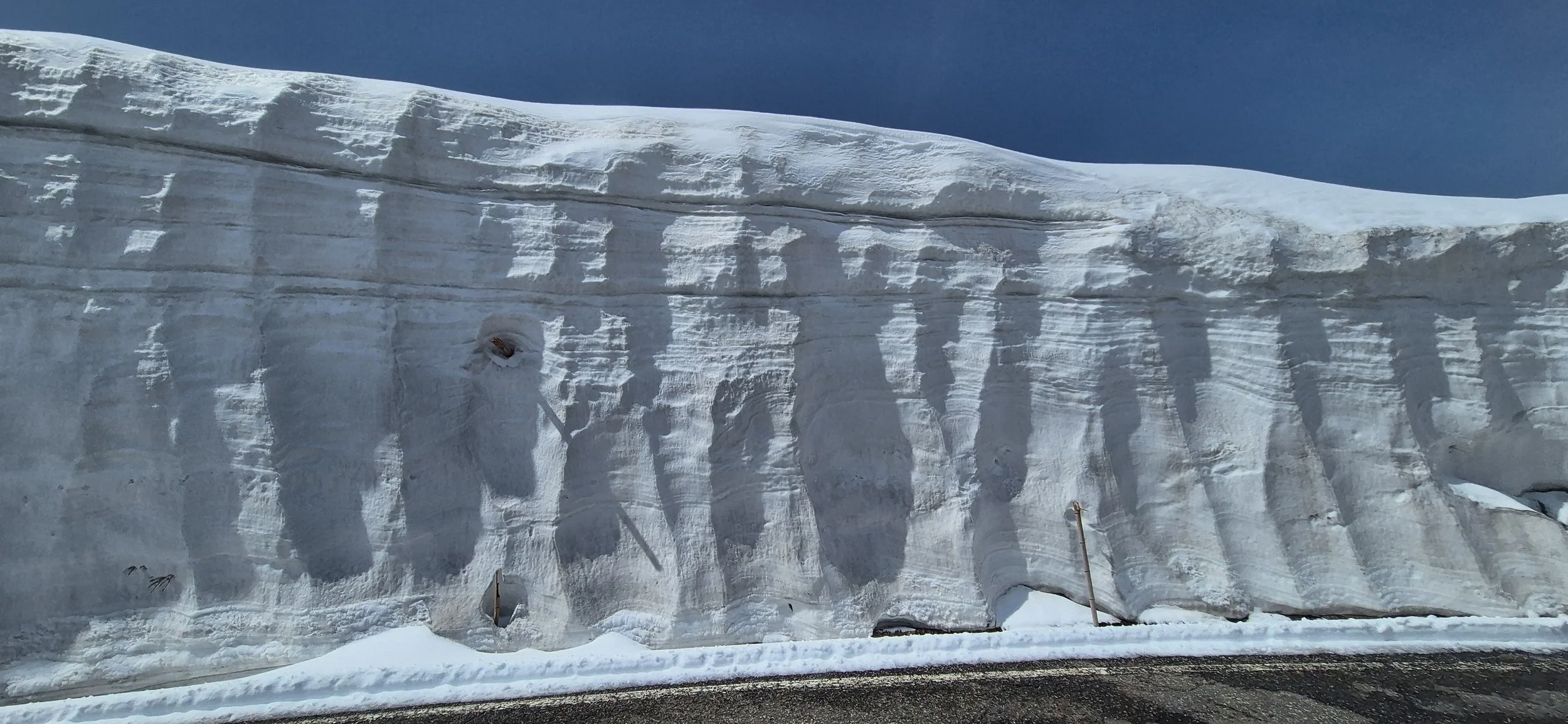
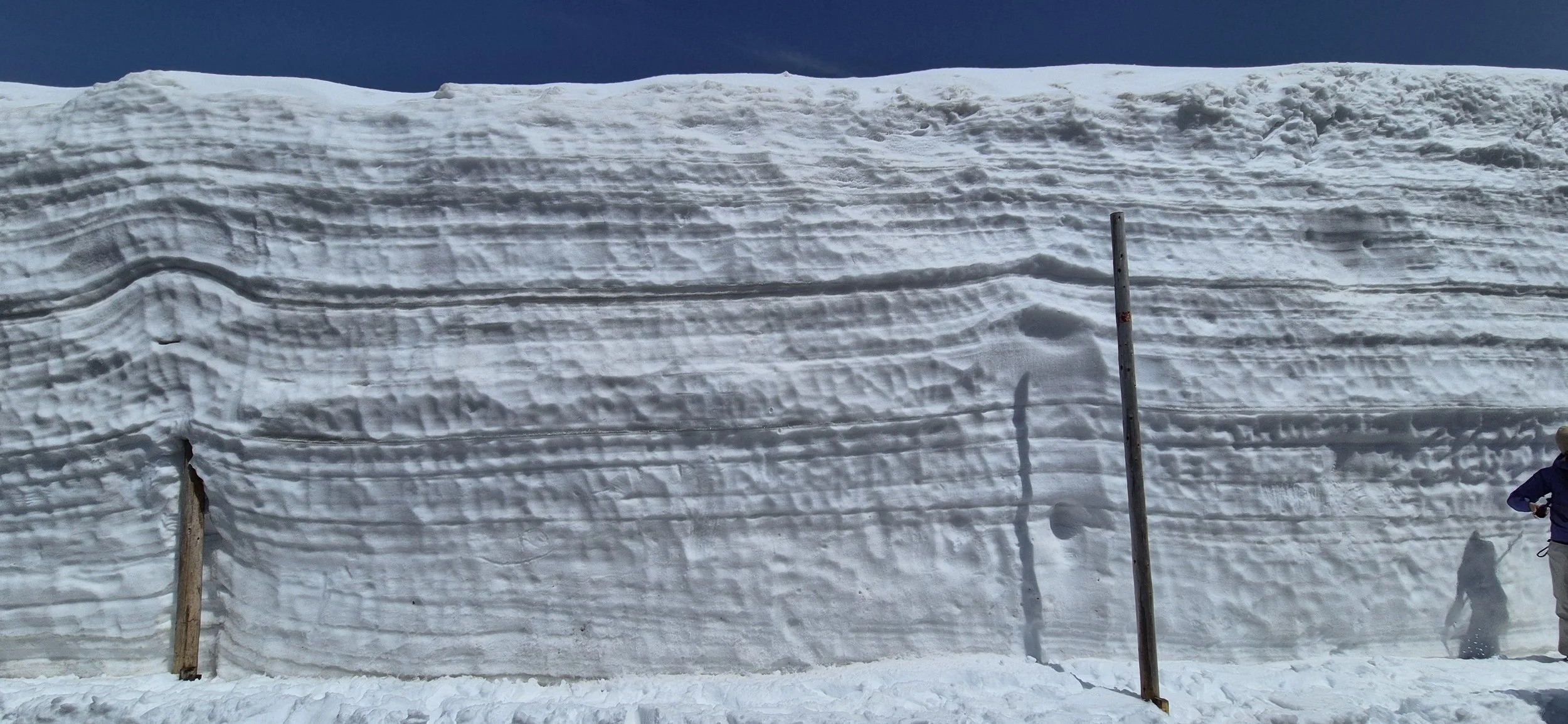
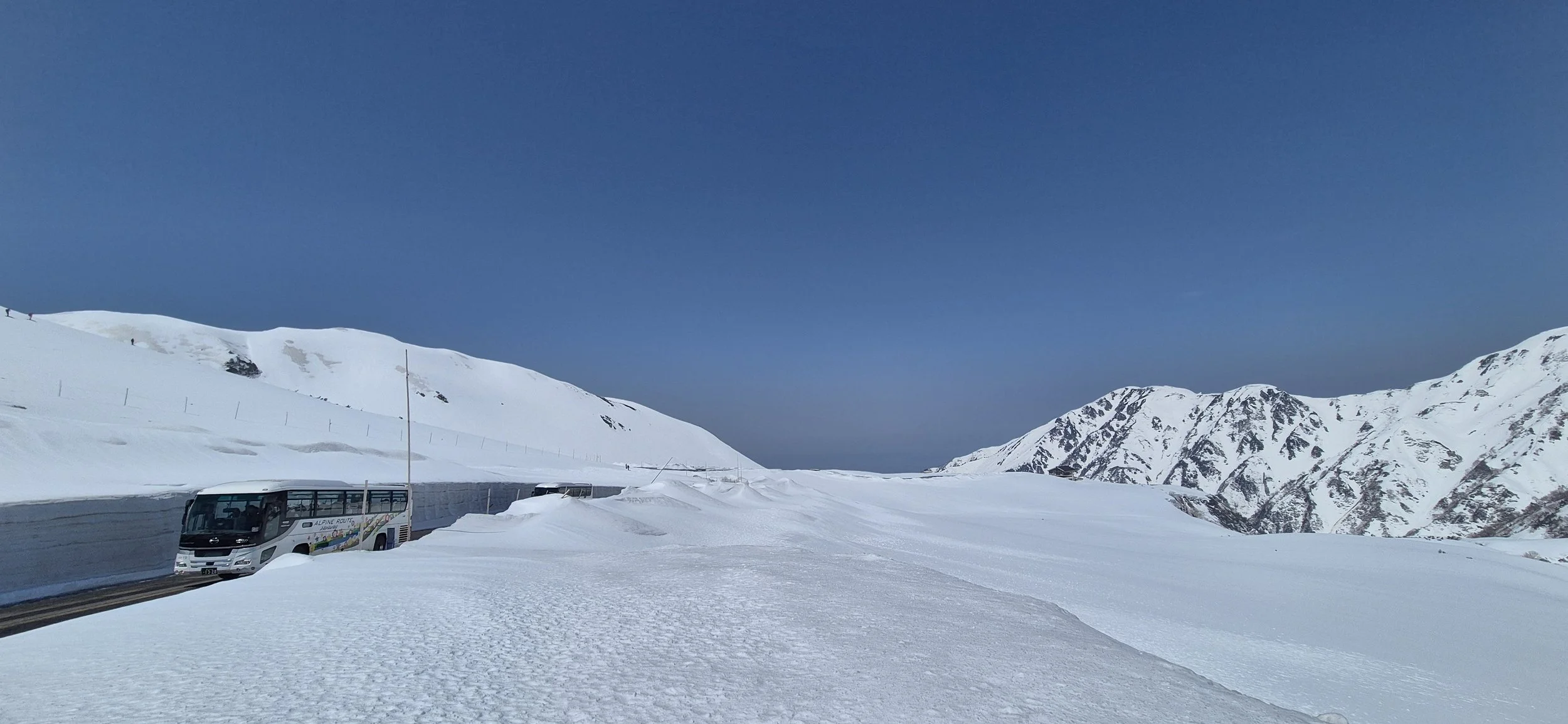
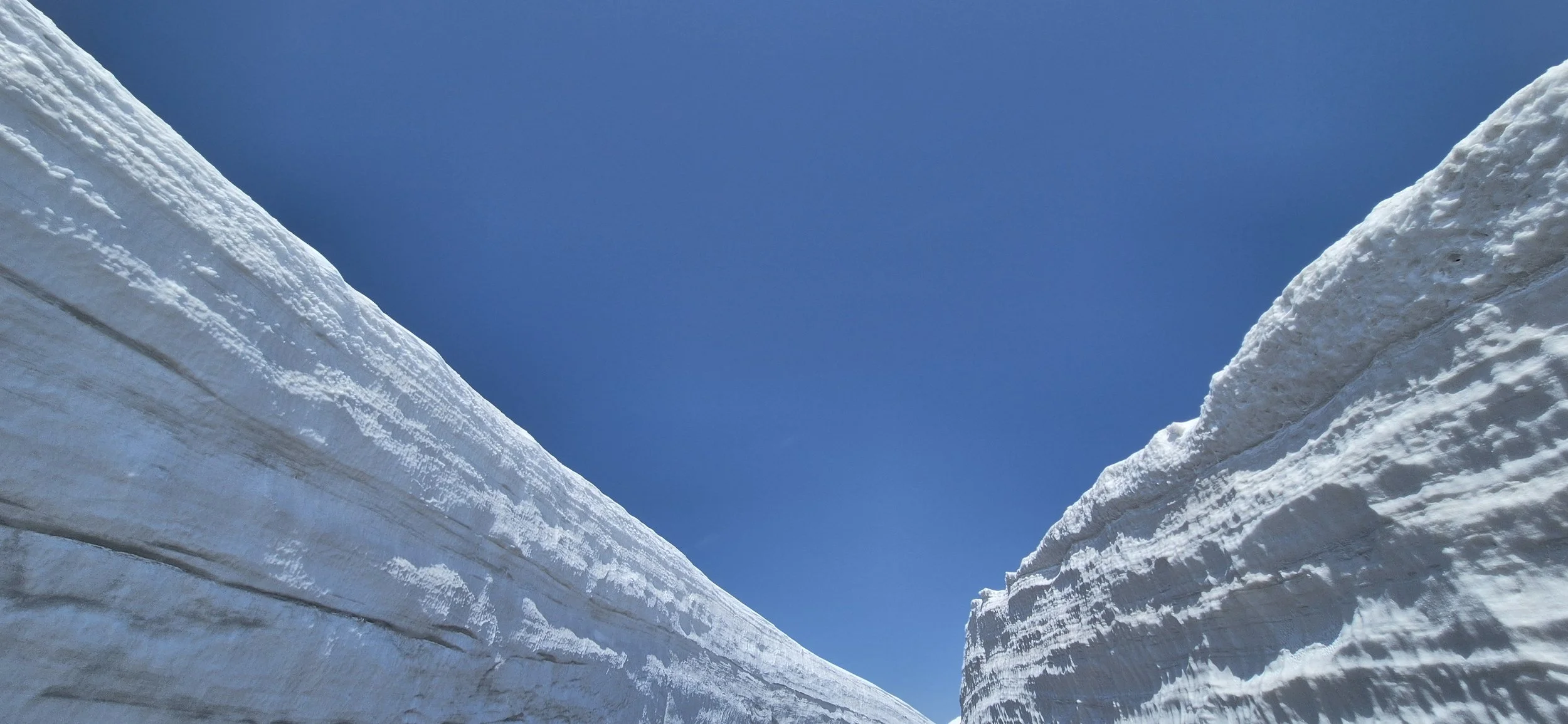
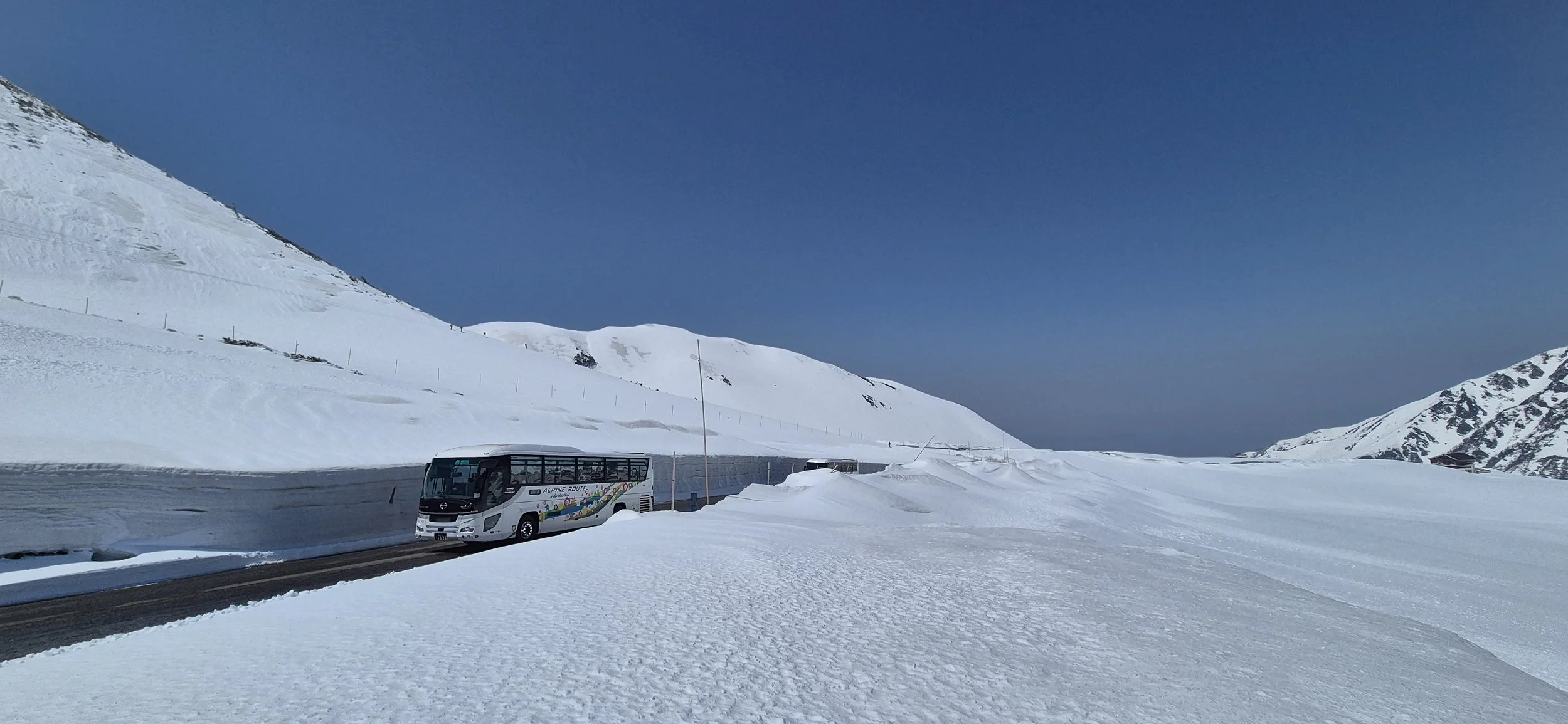
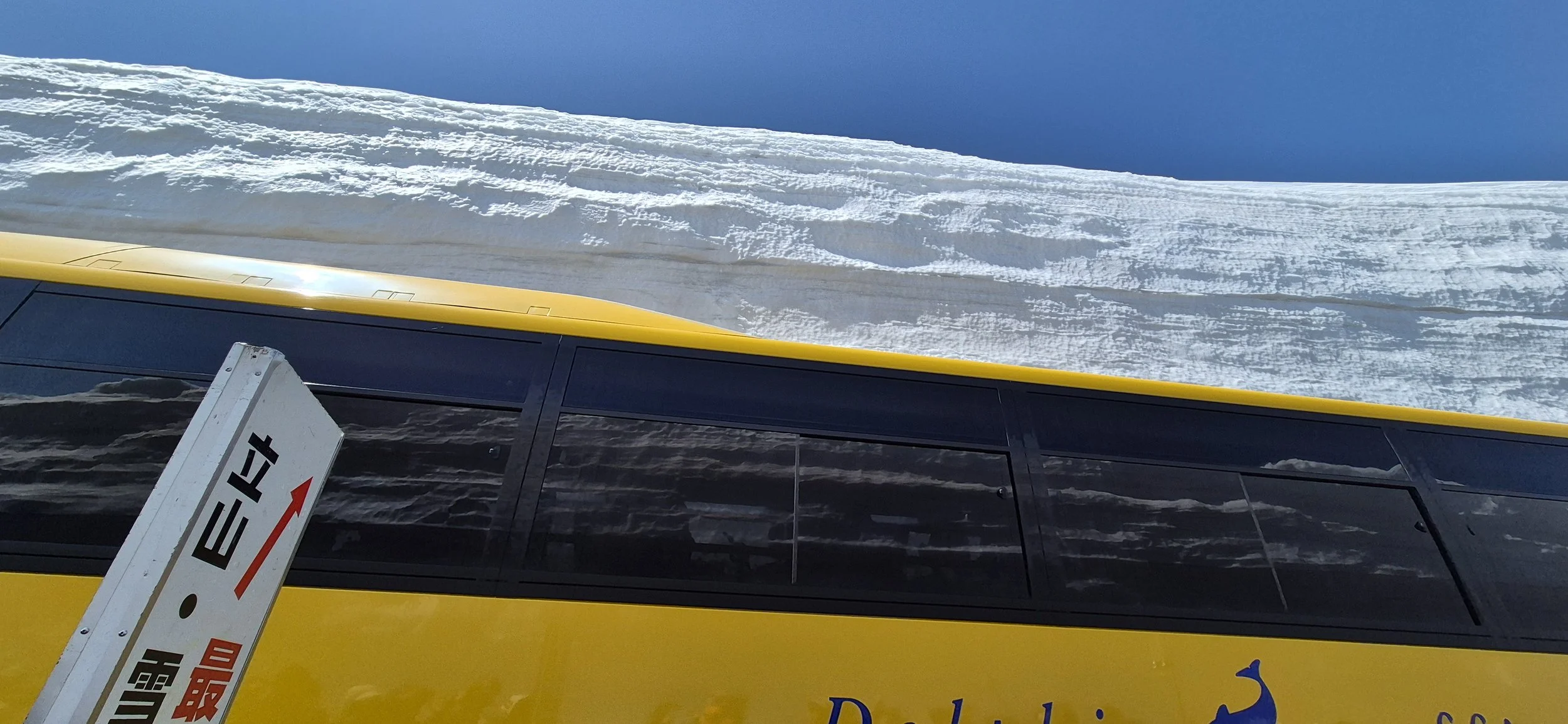
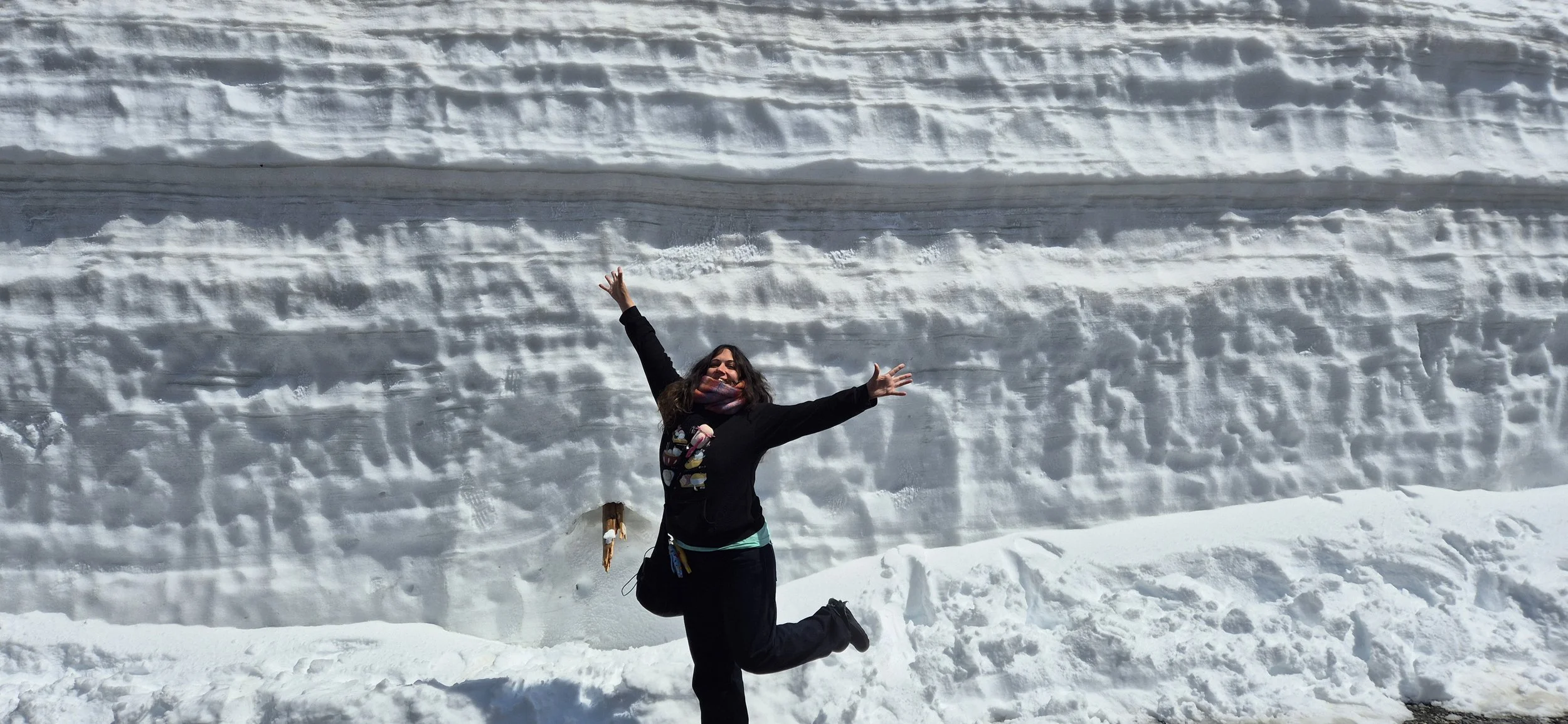
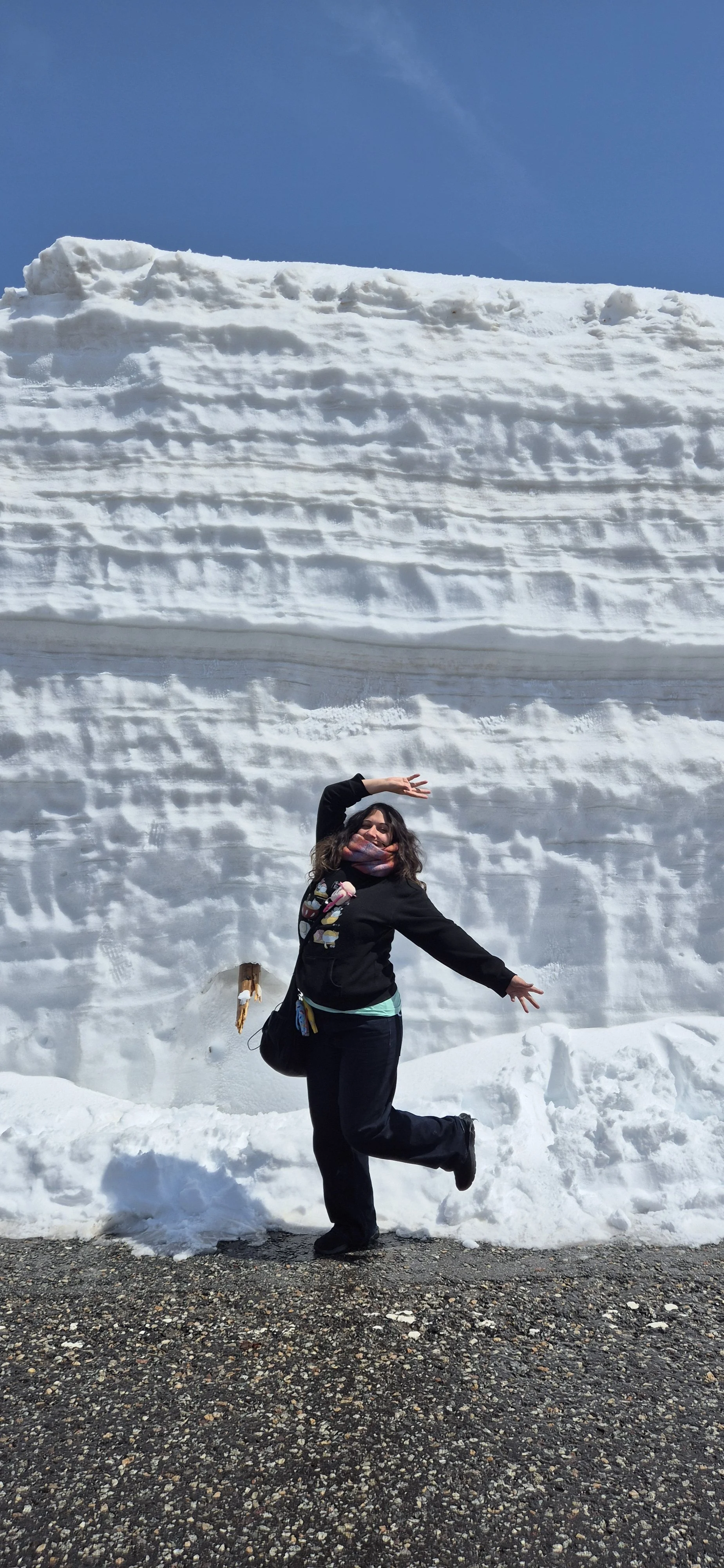
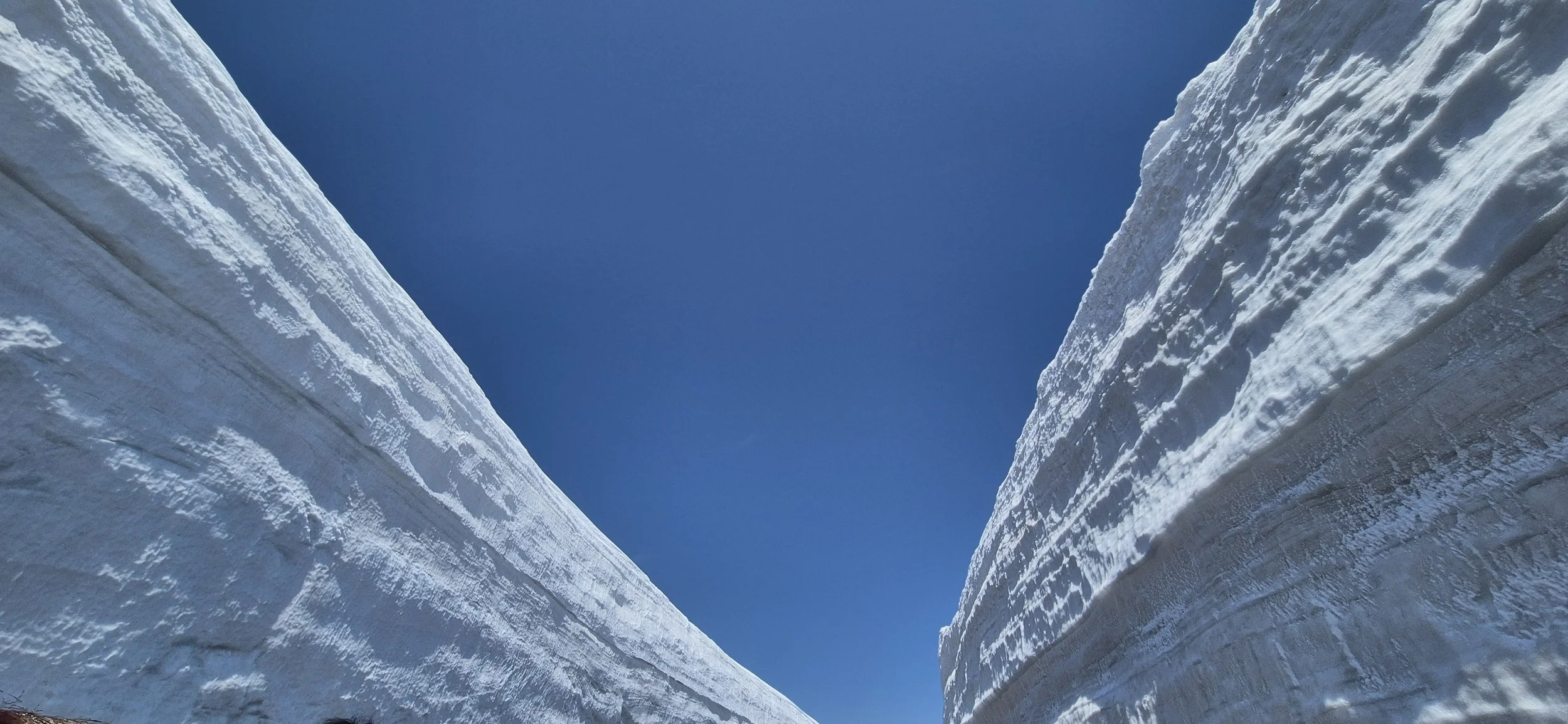
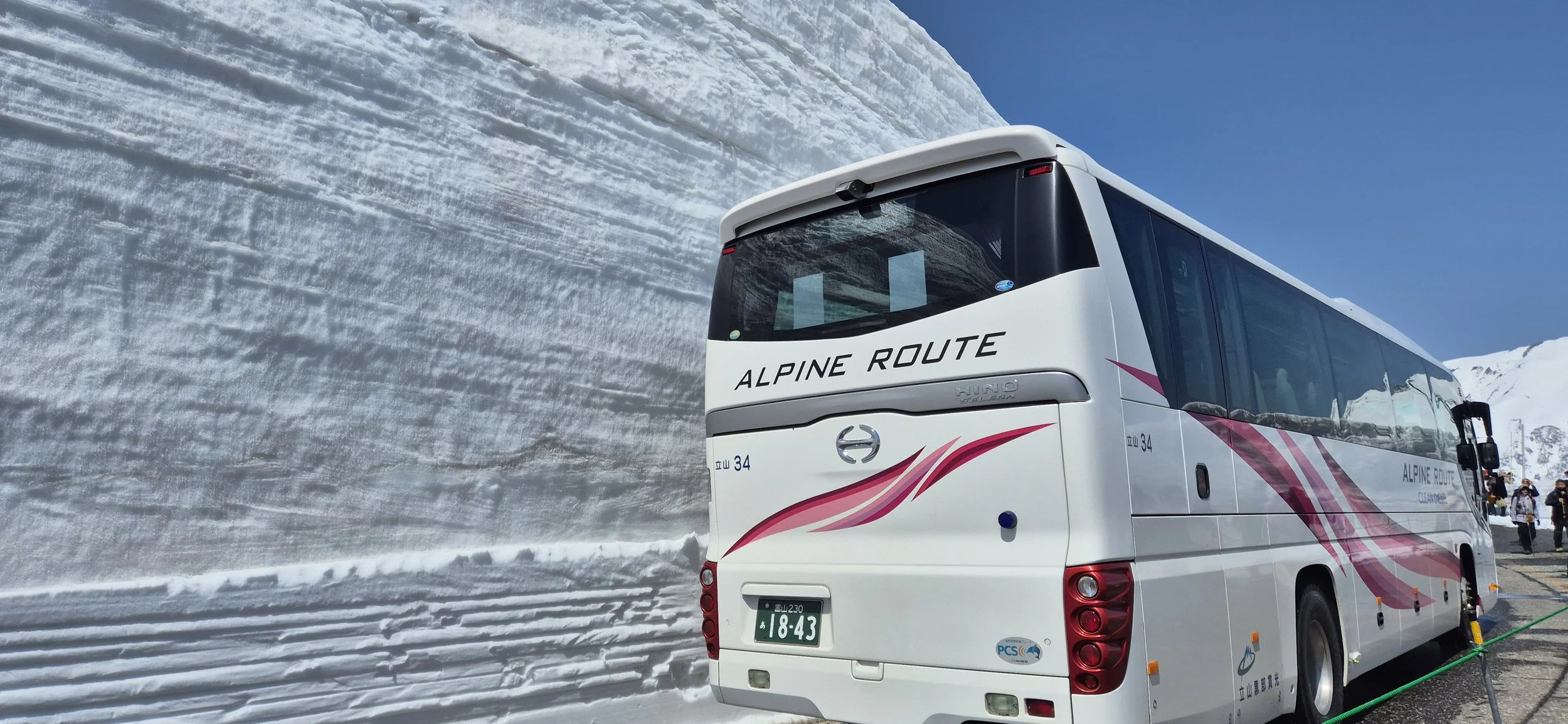
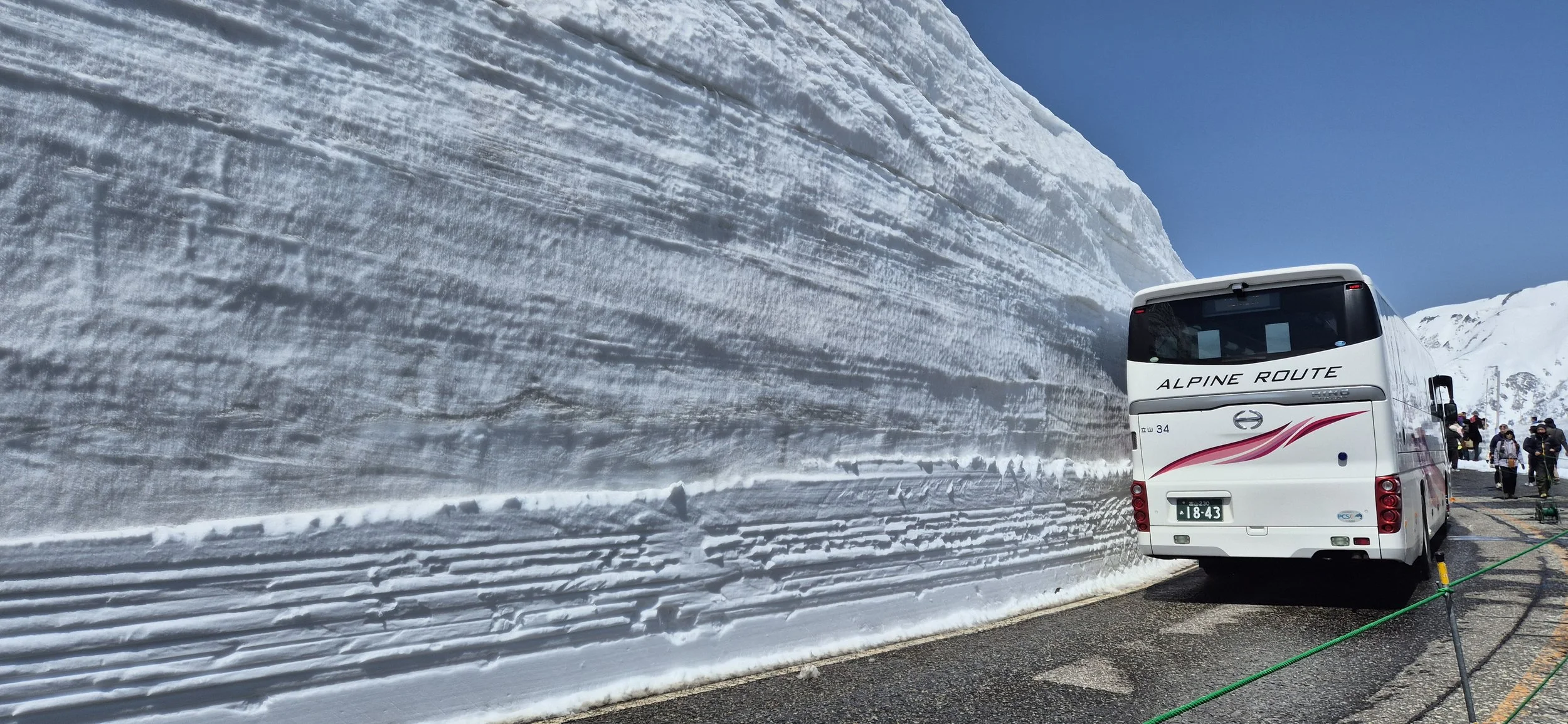
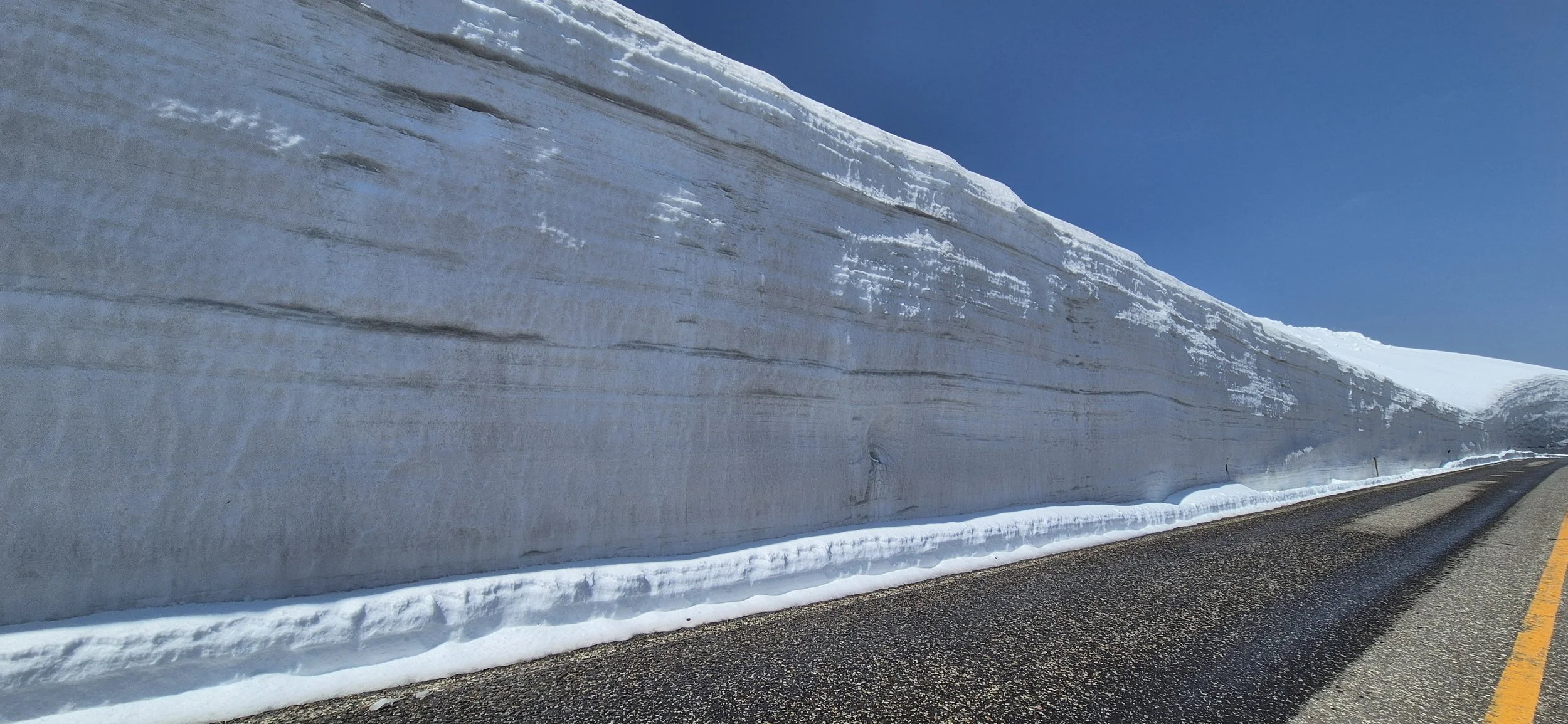
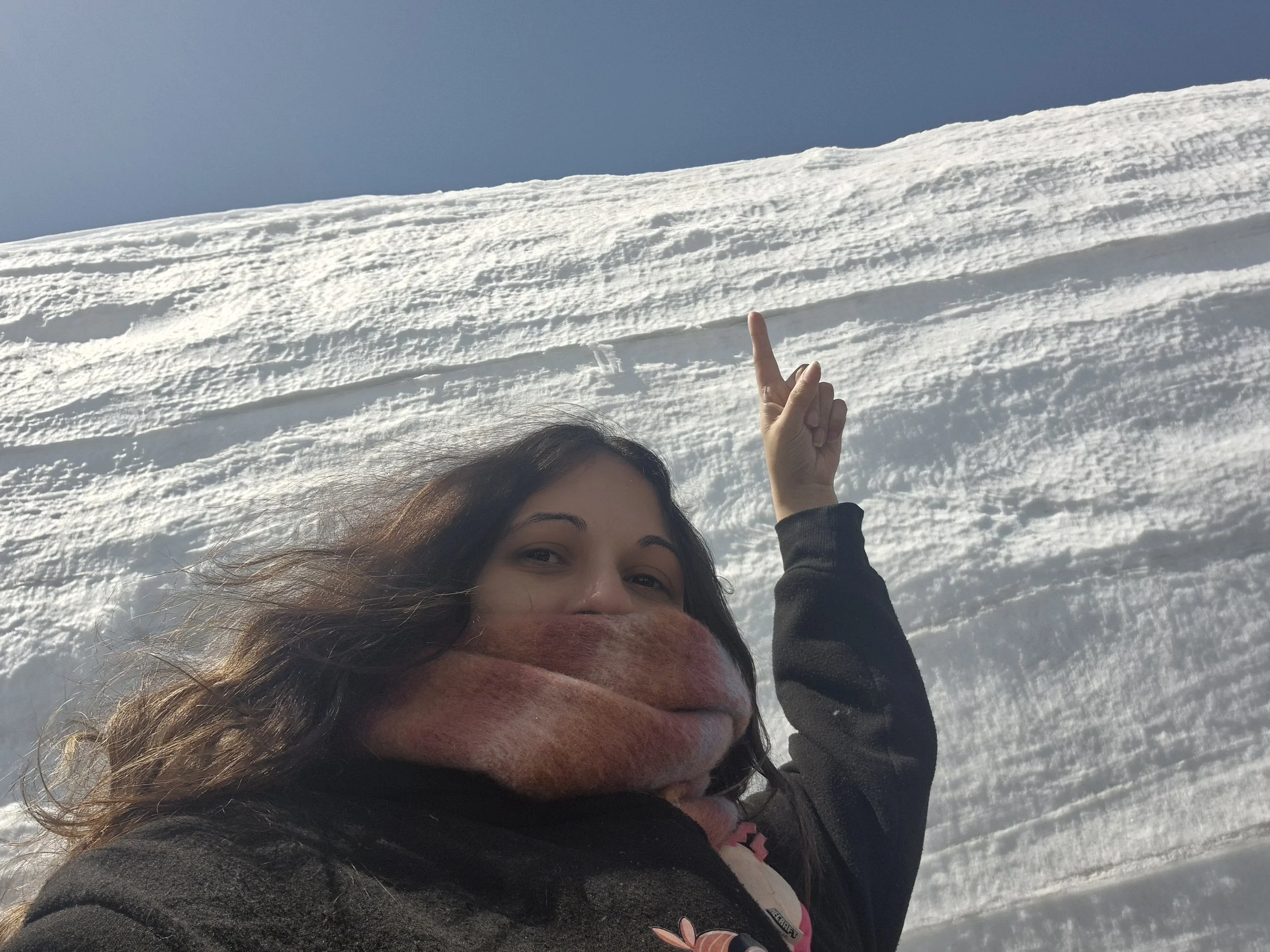
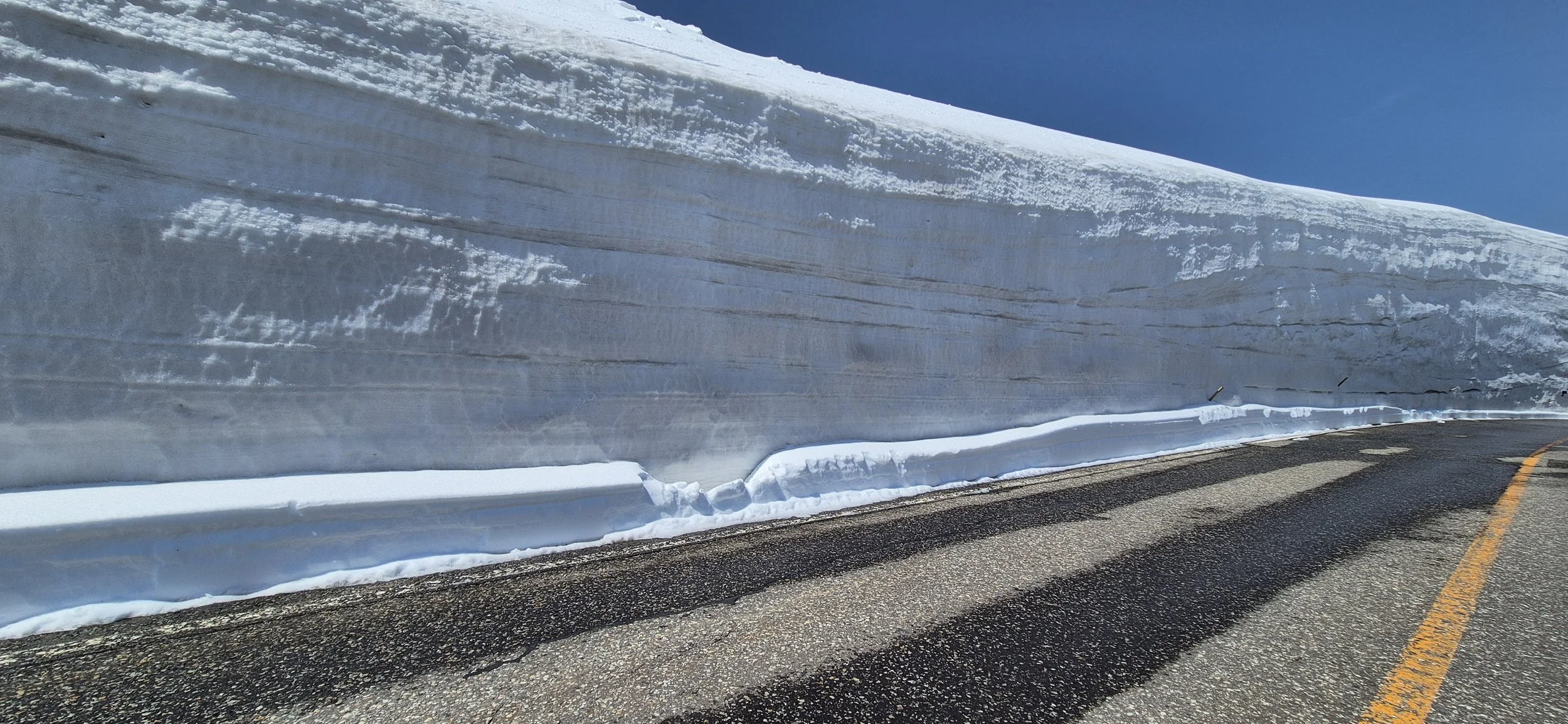
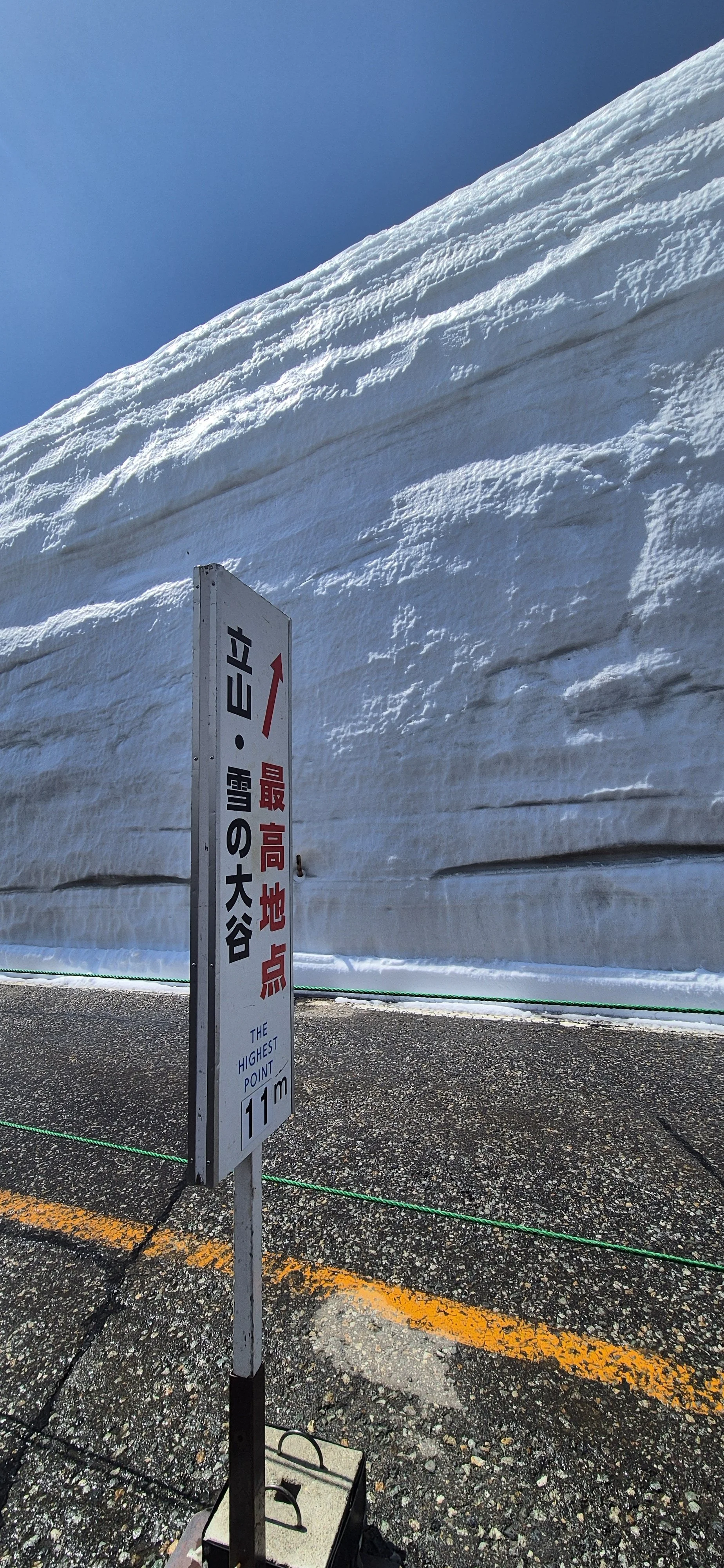
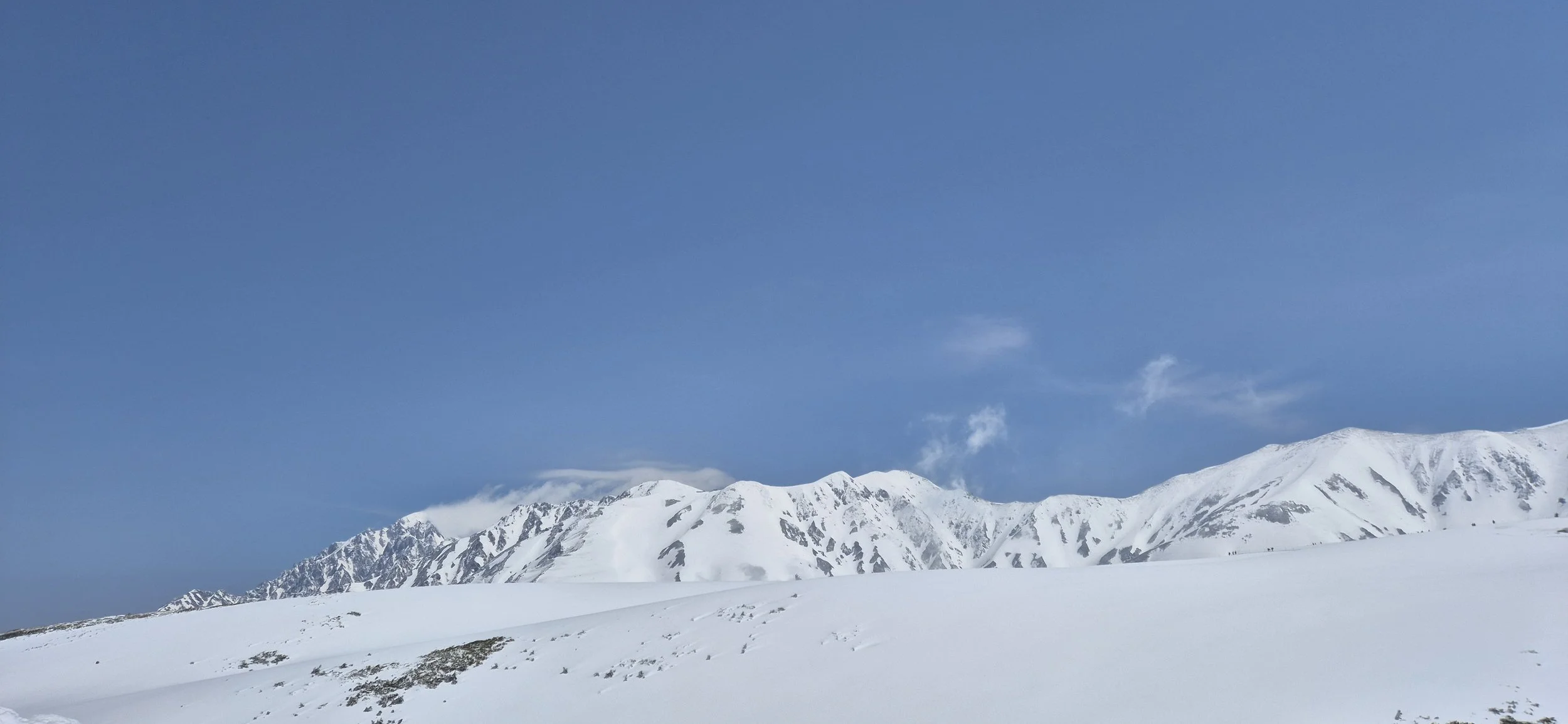
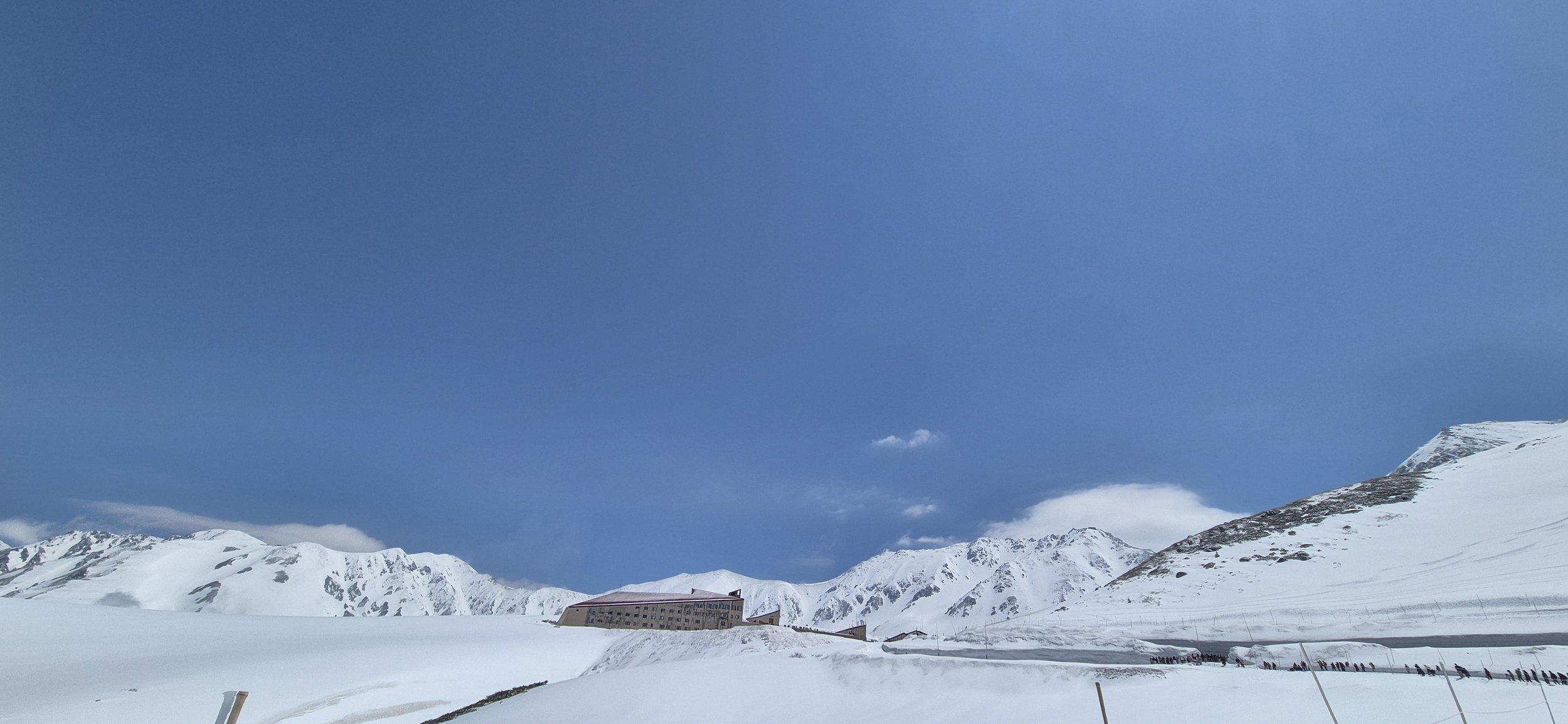
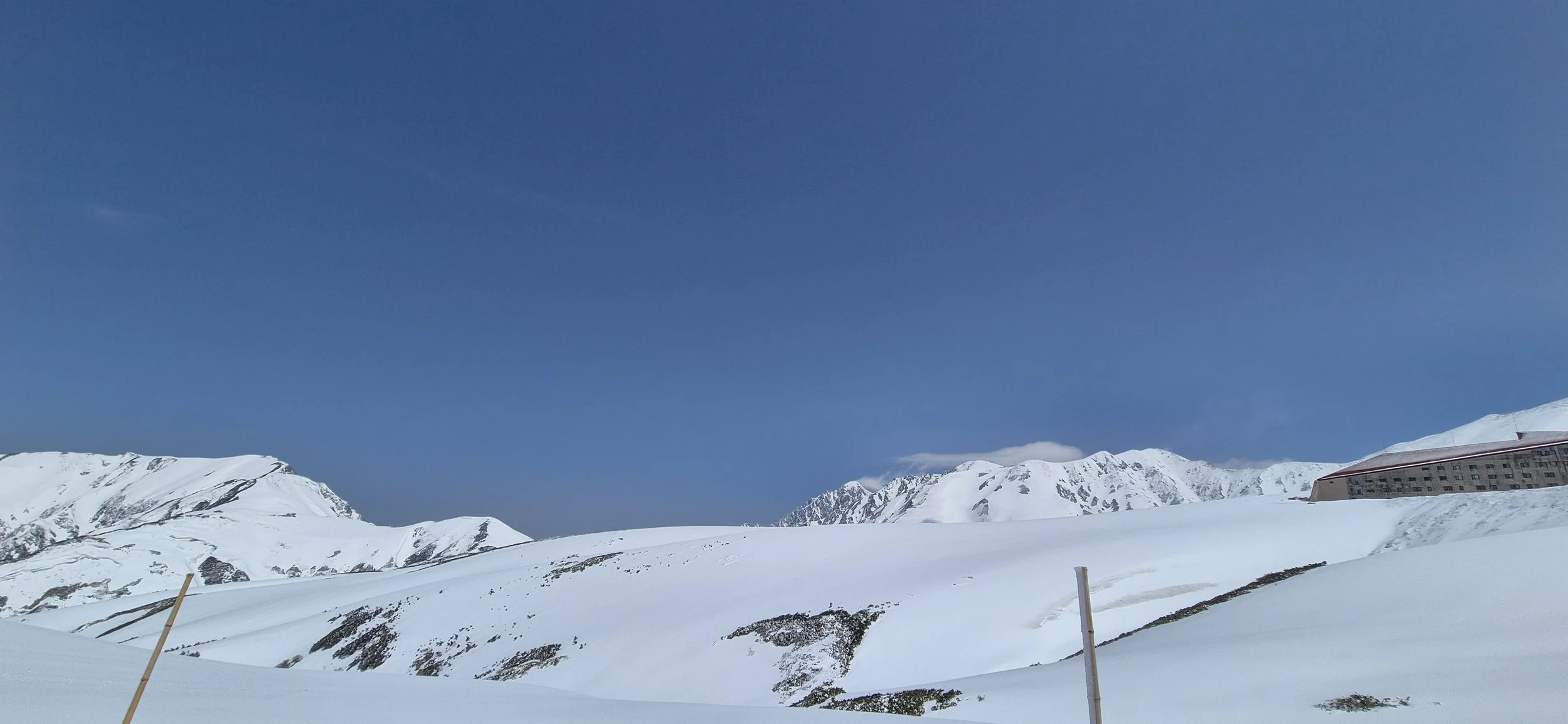
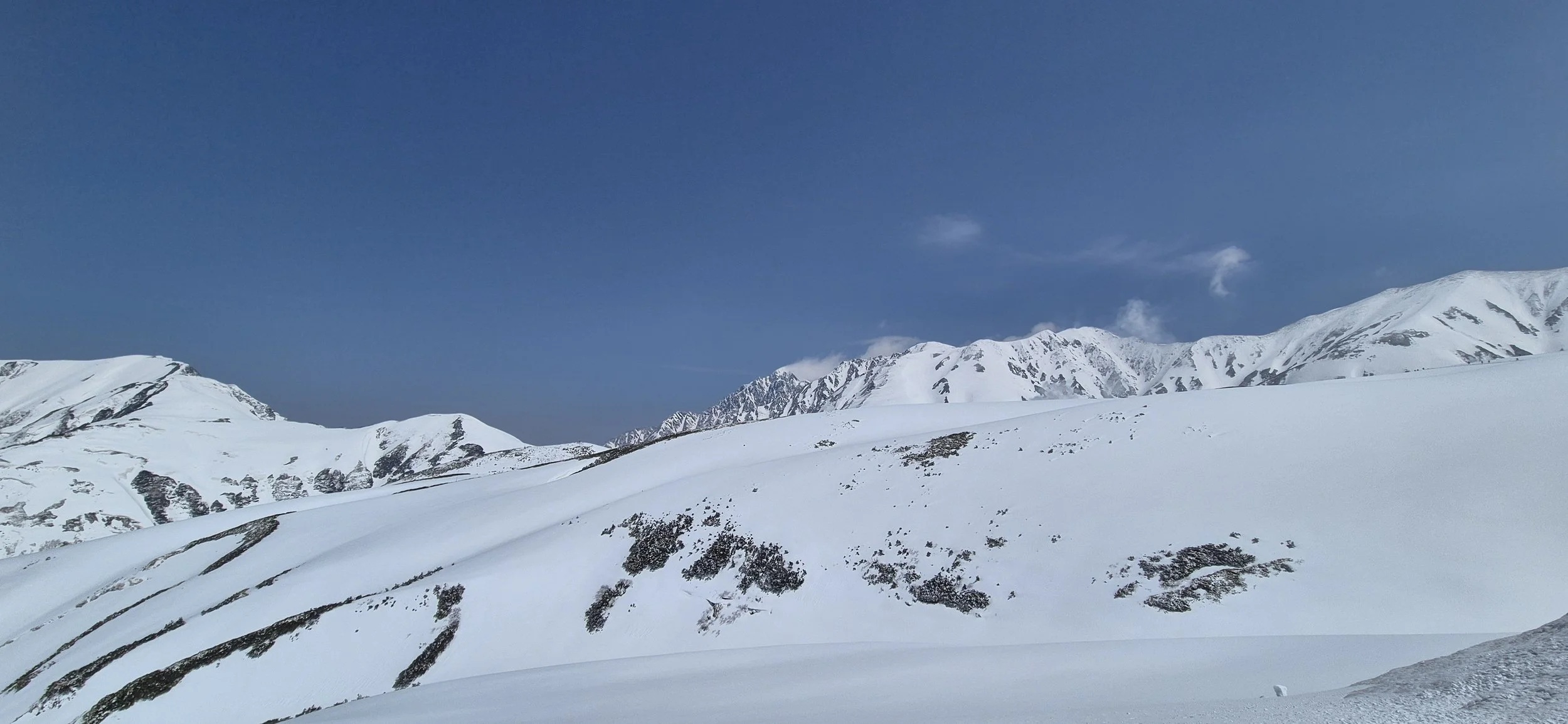
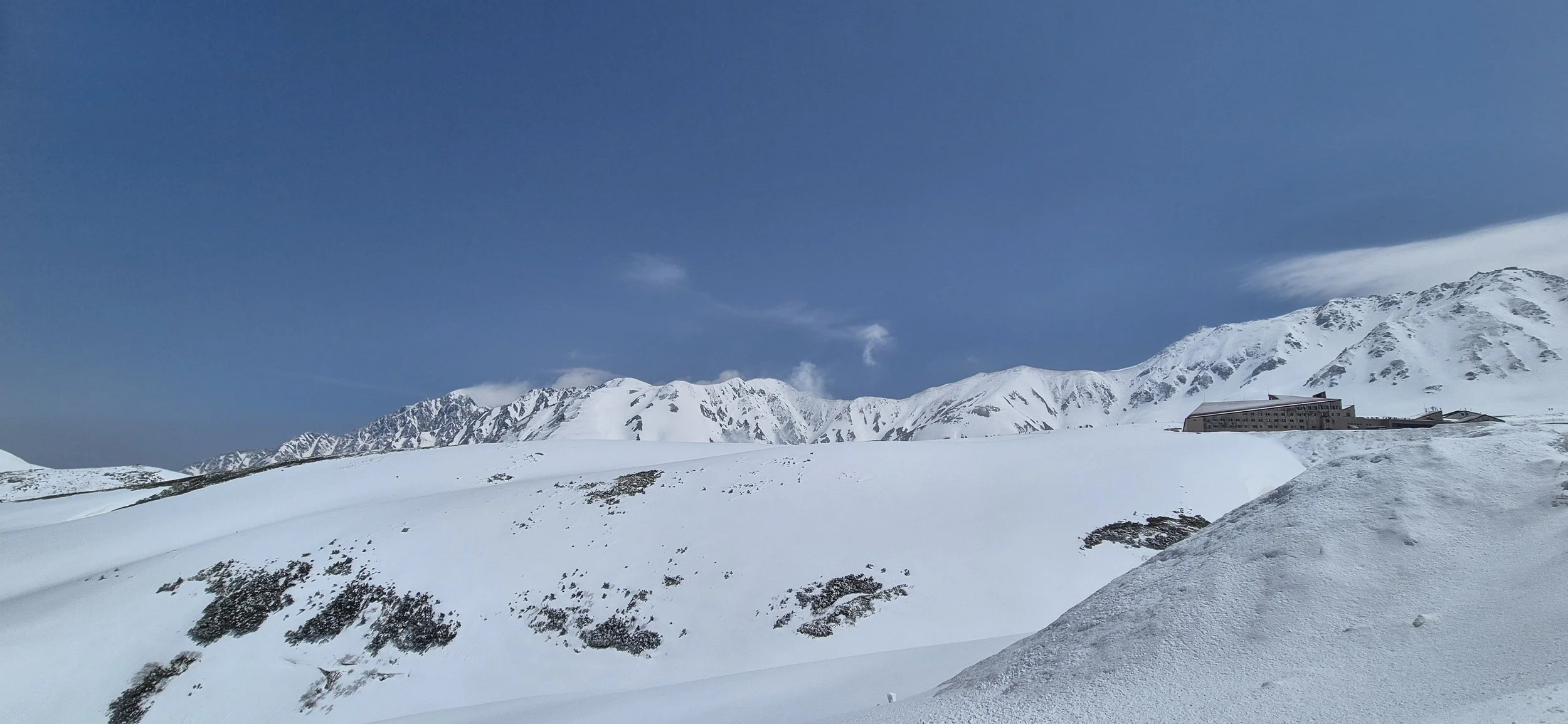
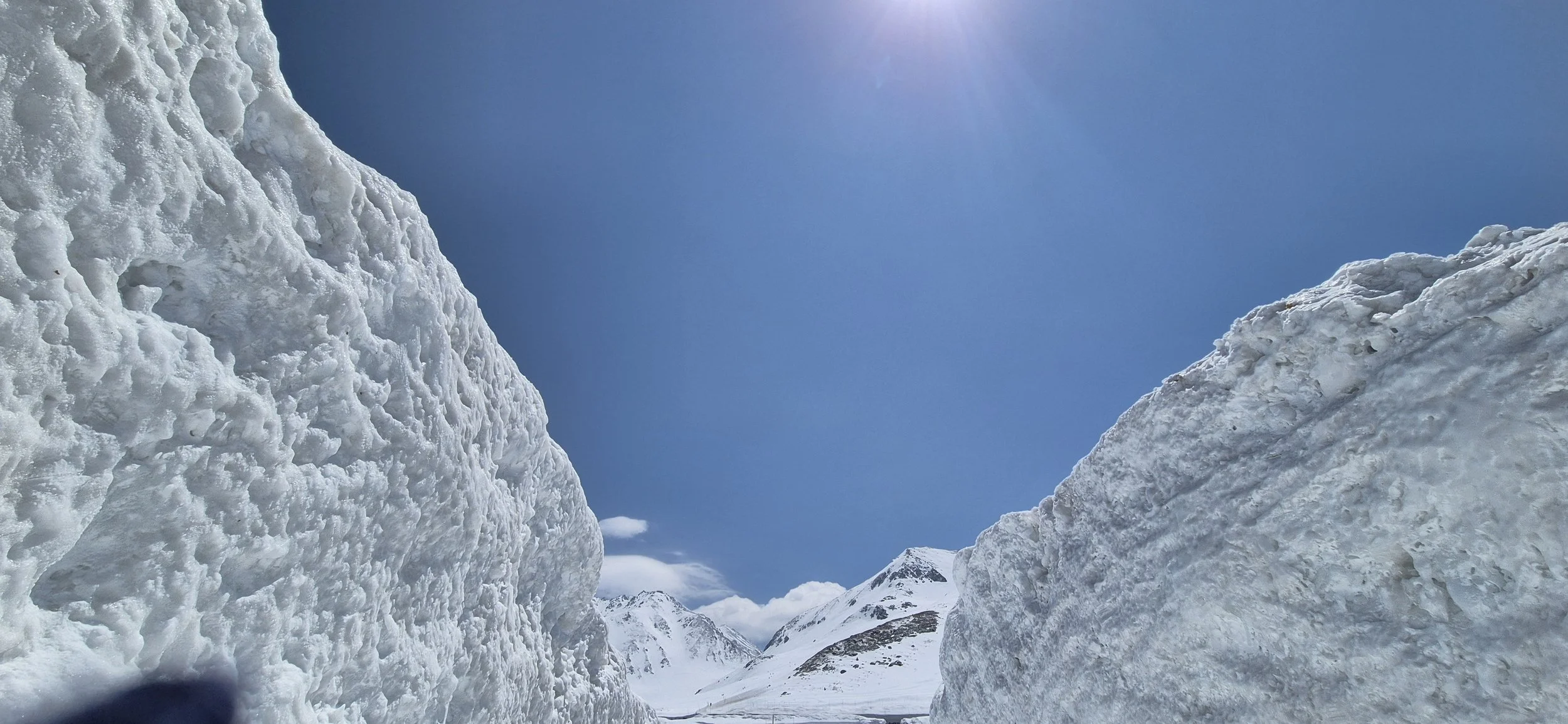
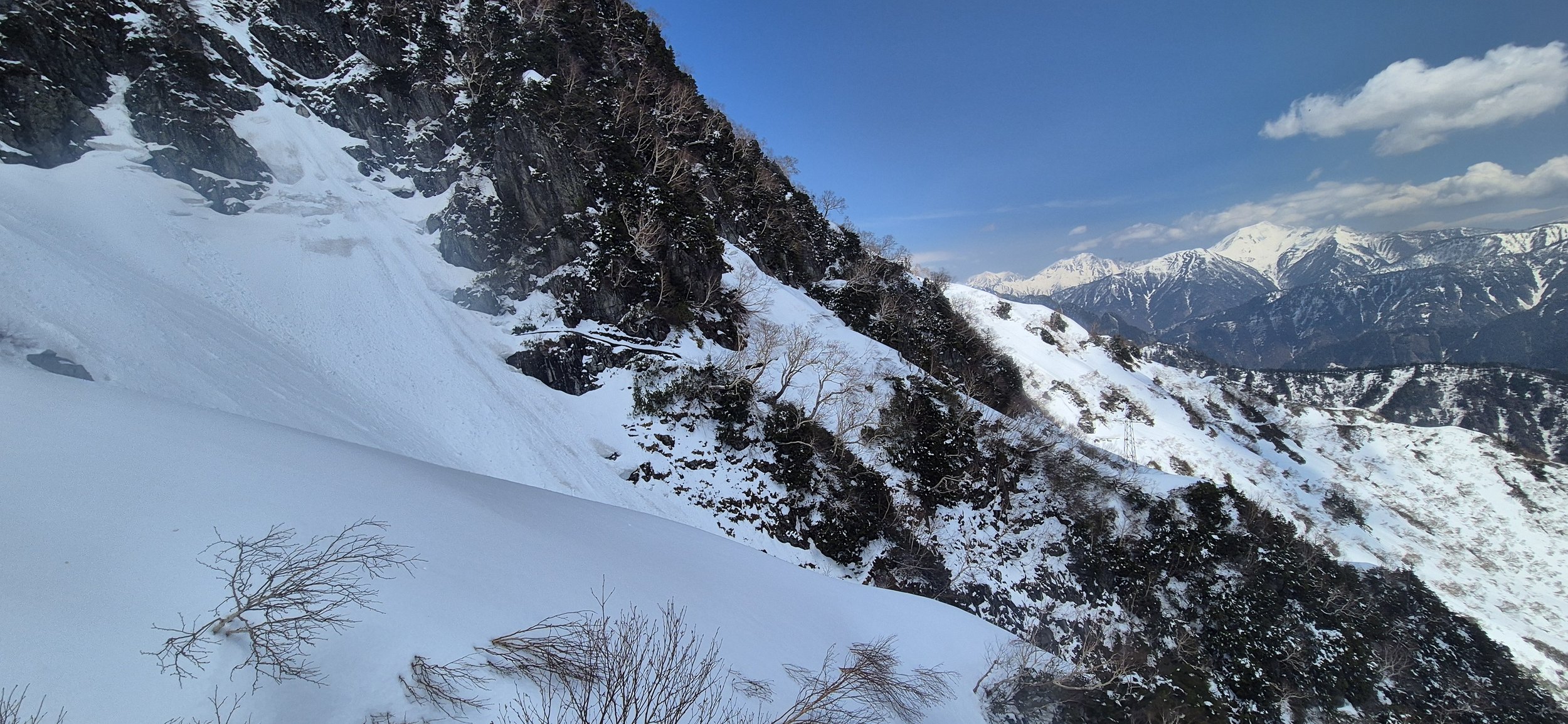
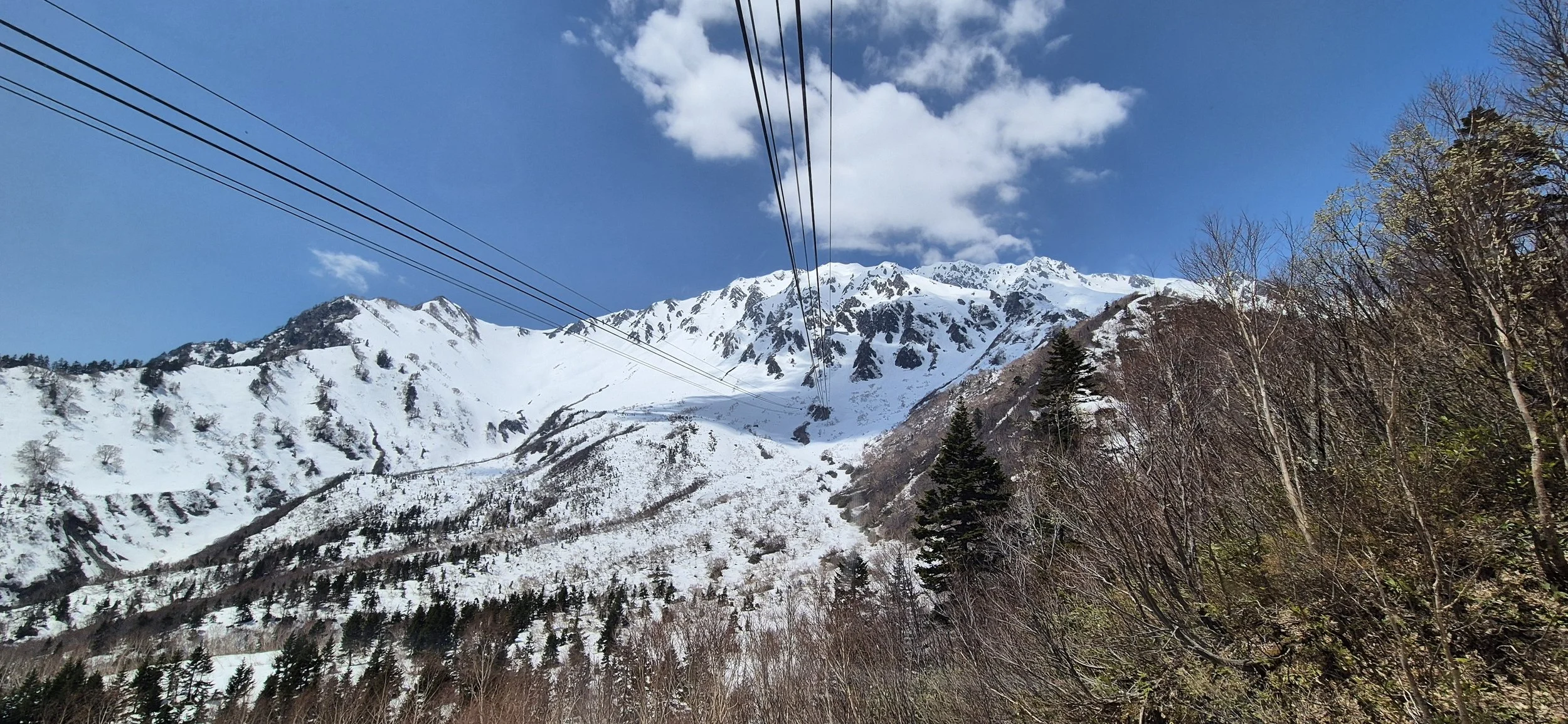
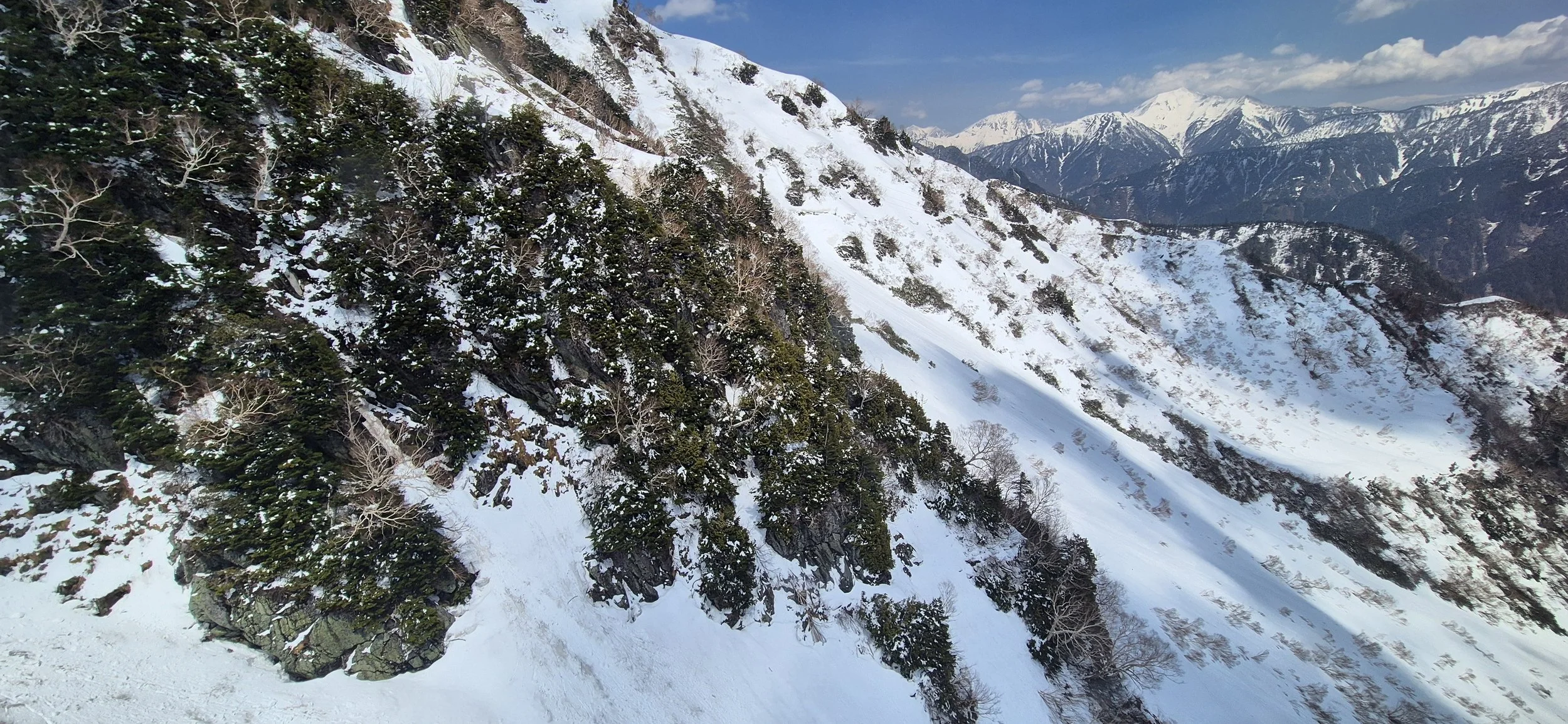
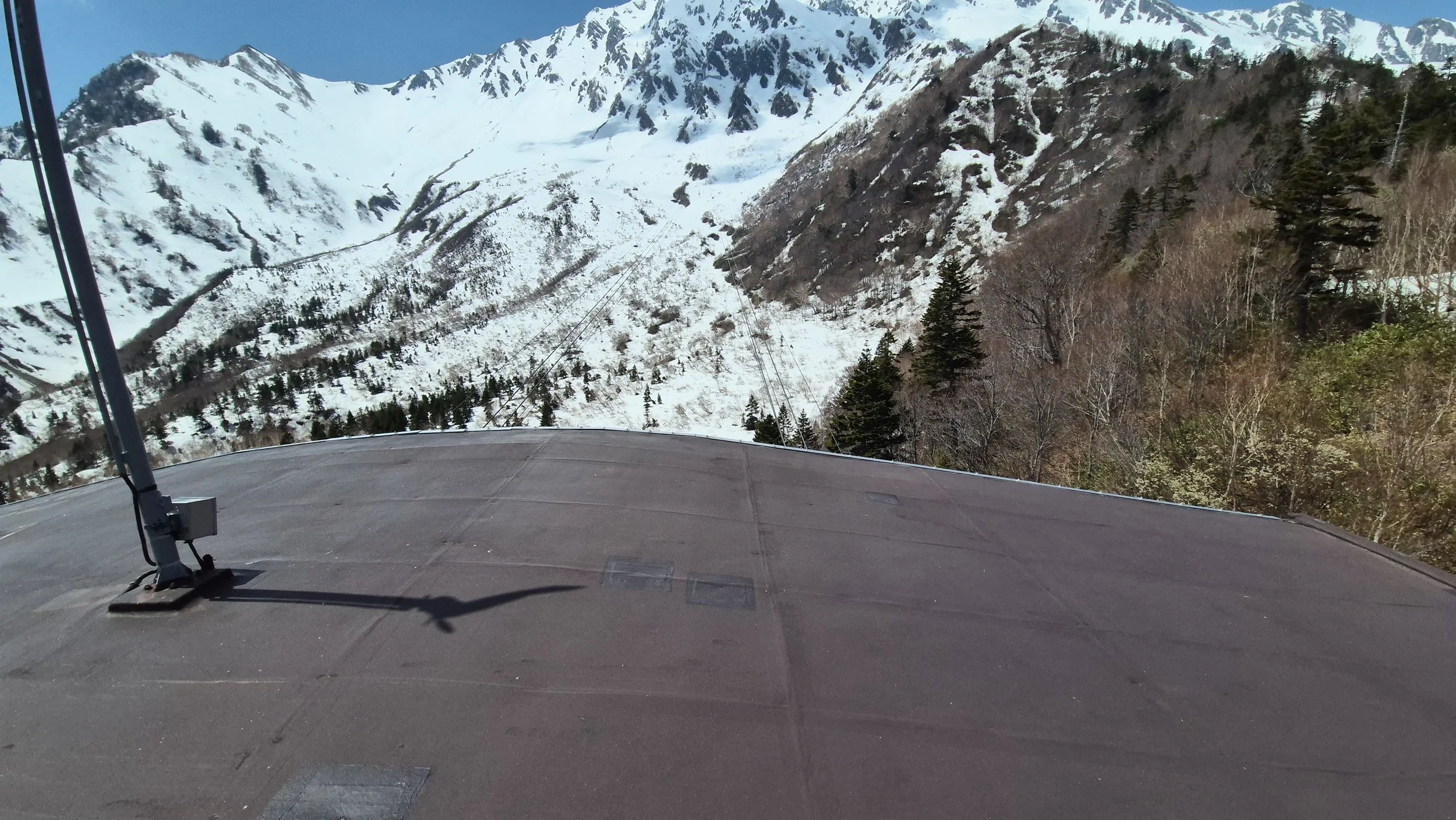
The fourth power station was built entirely underground to protect it from the threat of an avalanche. The area during the winter becomes a winter wonderland, but it also becomes very hard to navigate and reach. The Alpine route opens at the end of May and continues to the end of June, where the famous wall of snow eventually melts away, leaving behind lush green valleys. The Alpine route is an attraction which brings both locals and tourists to the area, offering very different experiences depending on the season. It is noted that should you visit the dam at the end of this period, you may be lucky enough to witness the rainbow! To relieve the meltwater from the winter, the dam releases a controlled amount into the Kurobe River. This is timed so visitors can witness a beautiful rainbow as light passes through the stream. There is even a rainbow observation deck for the best angle to see it.
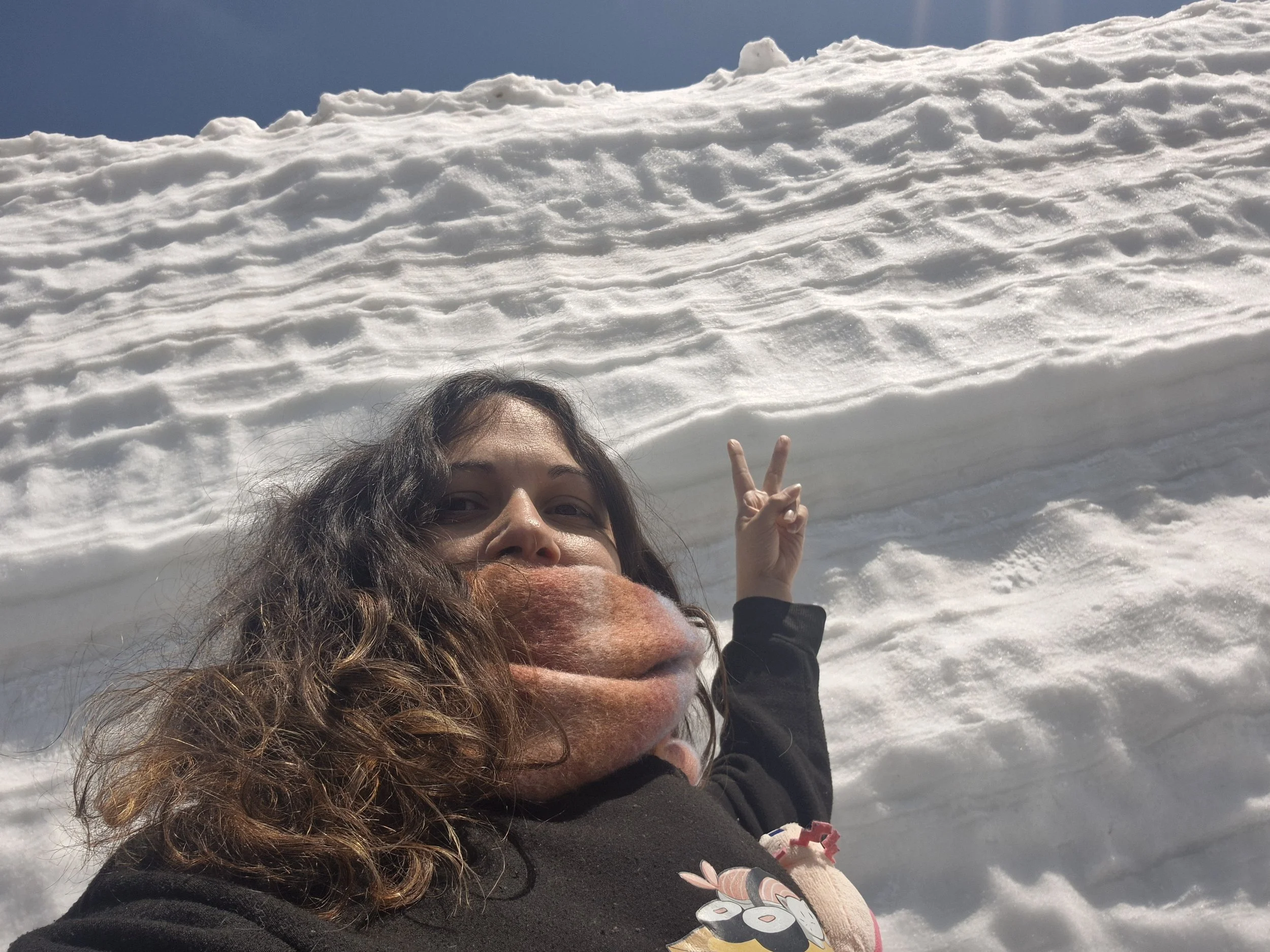
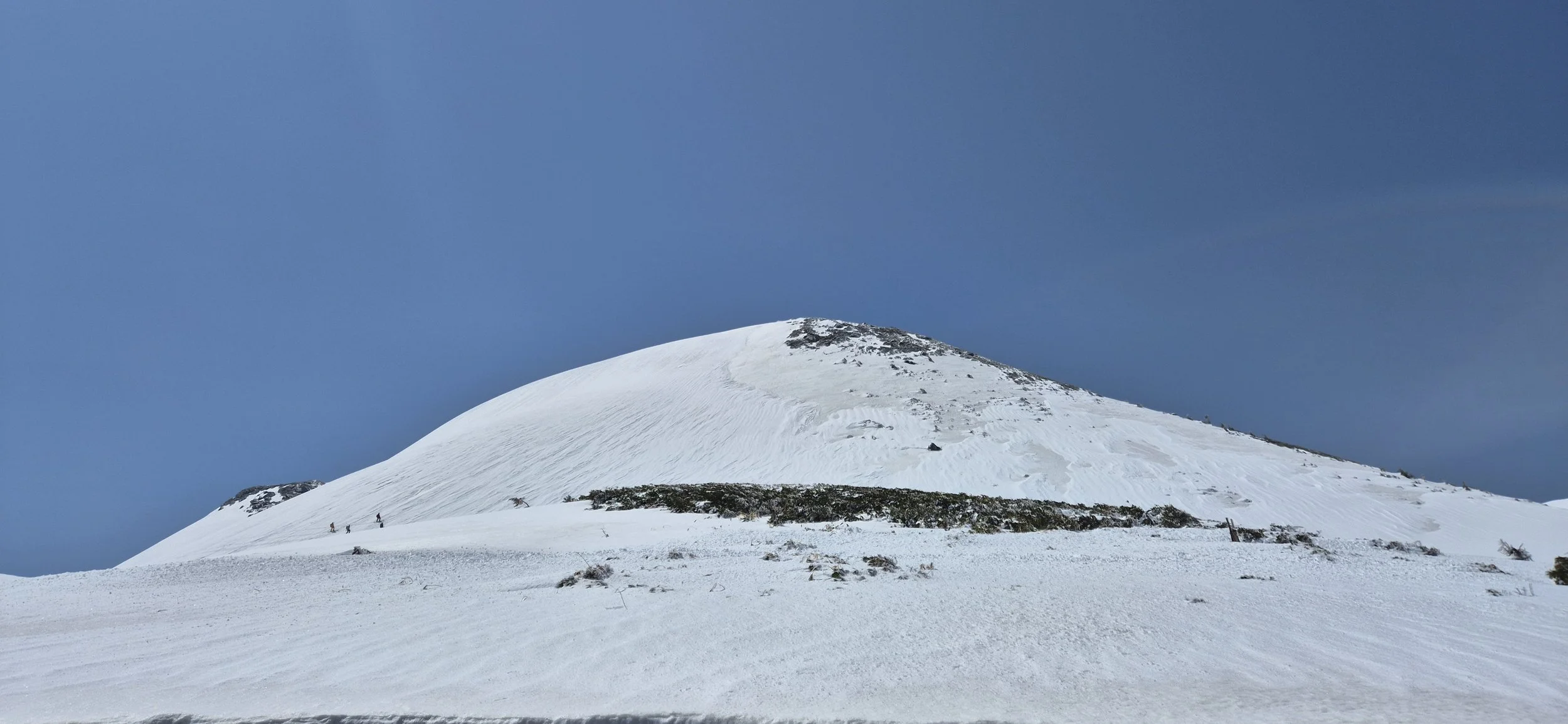
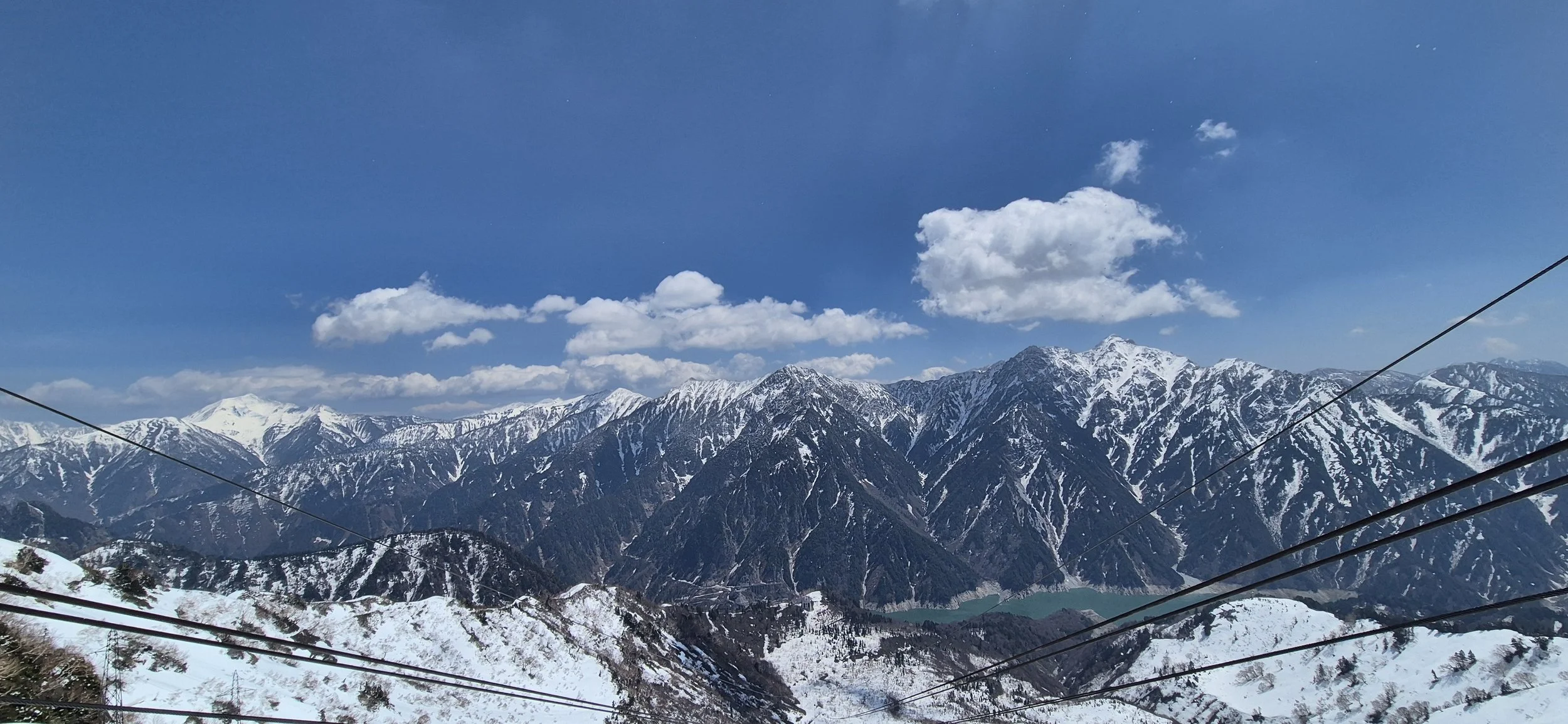
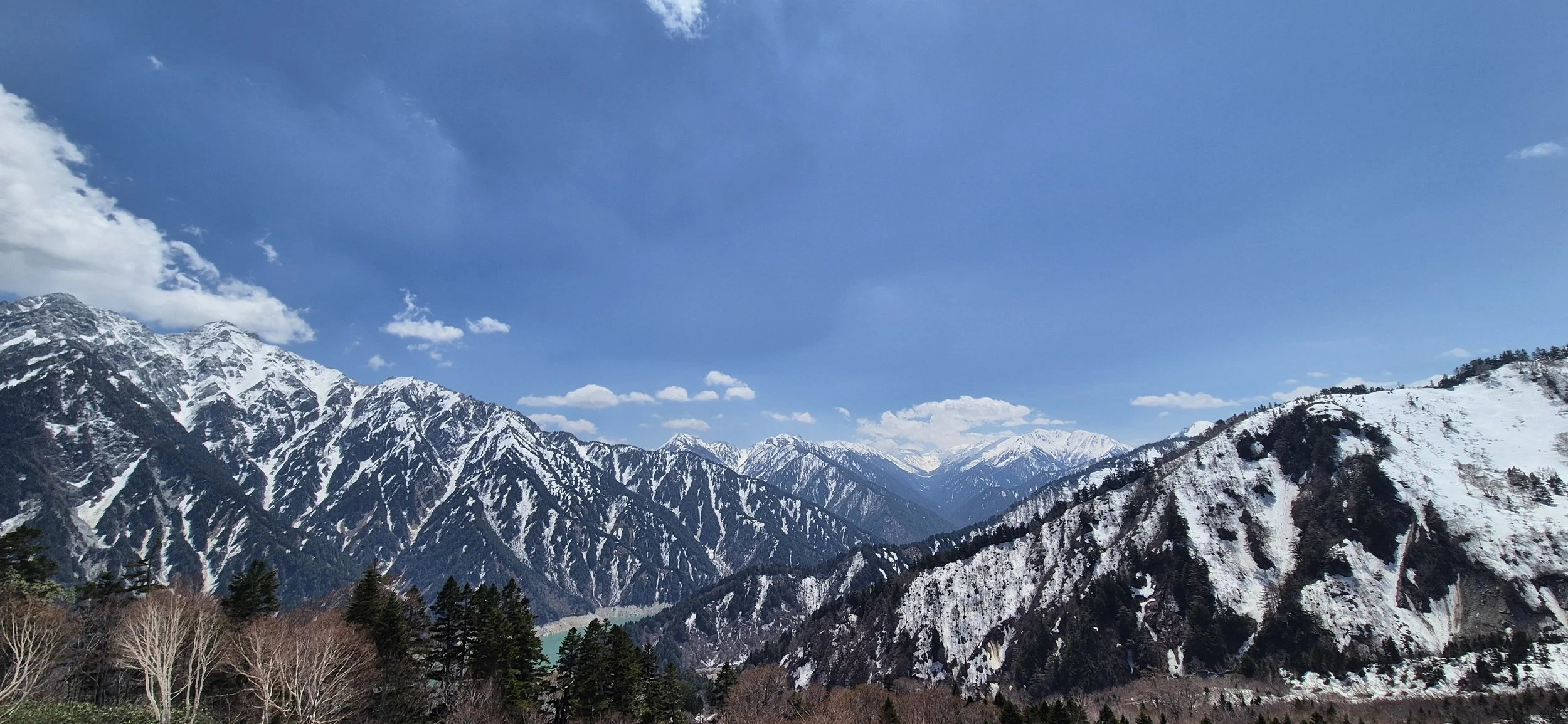
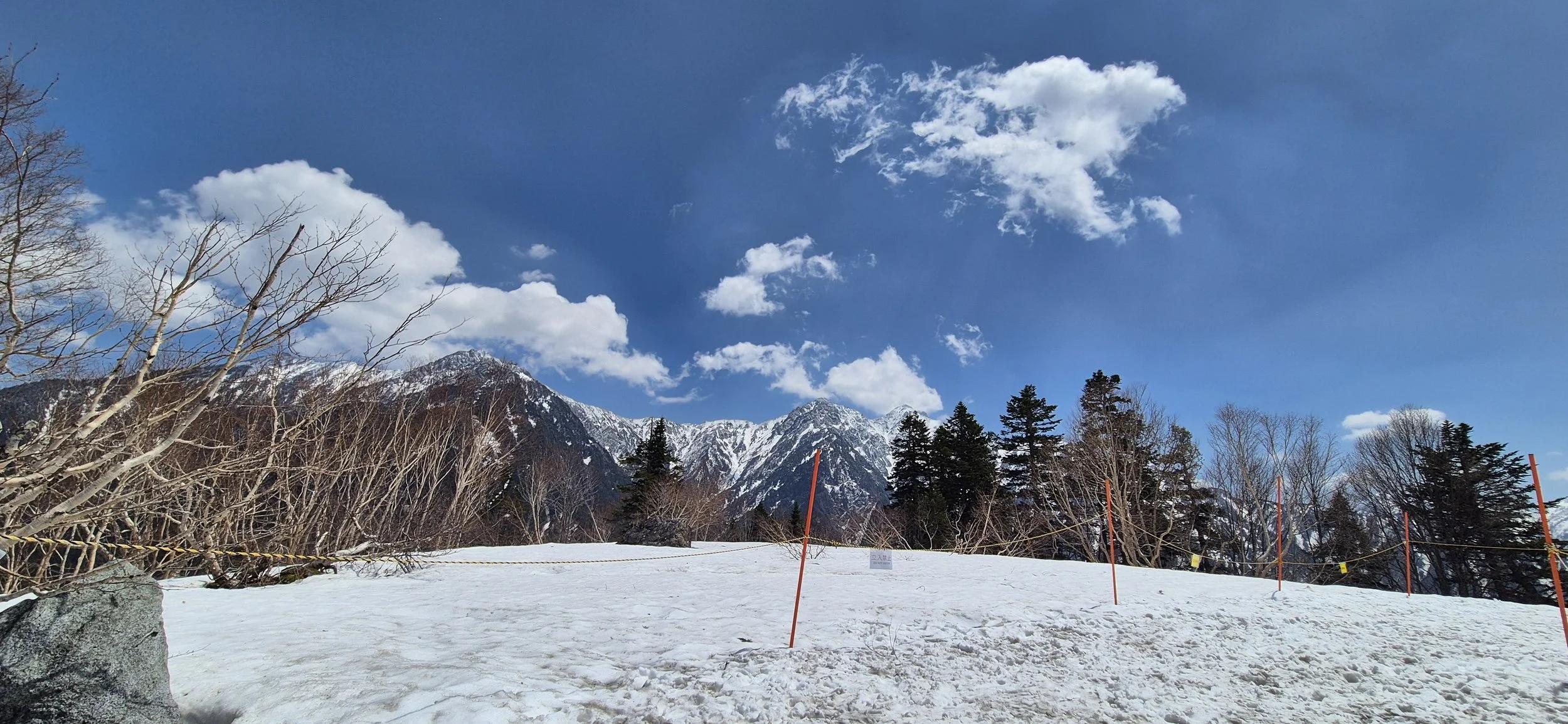
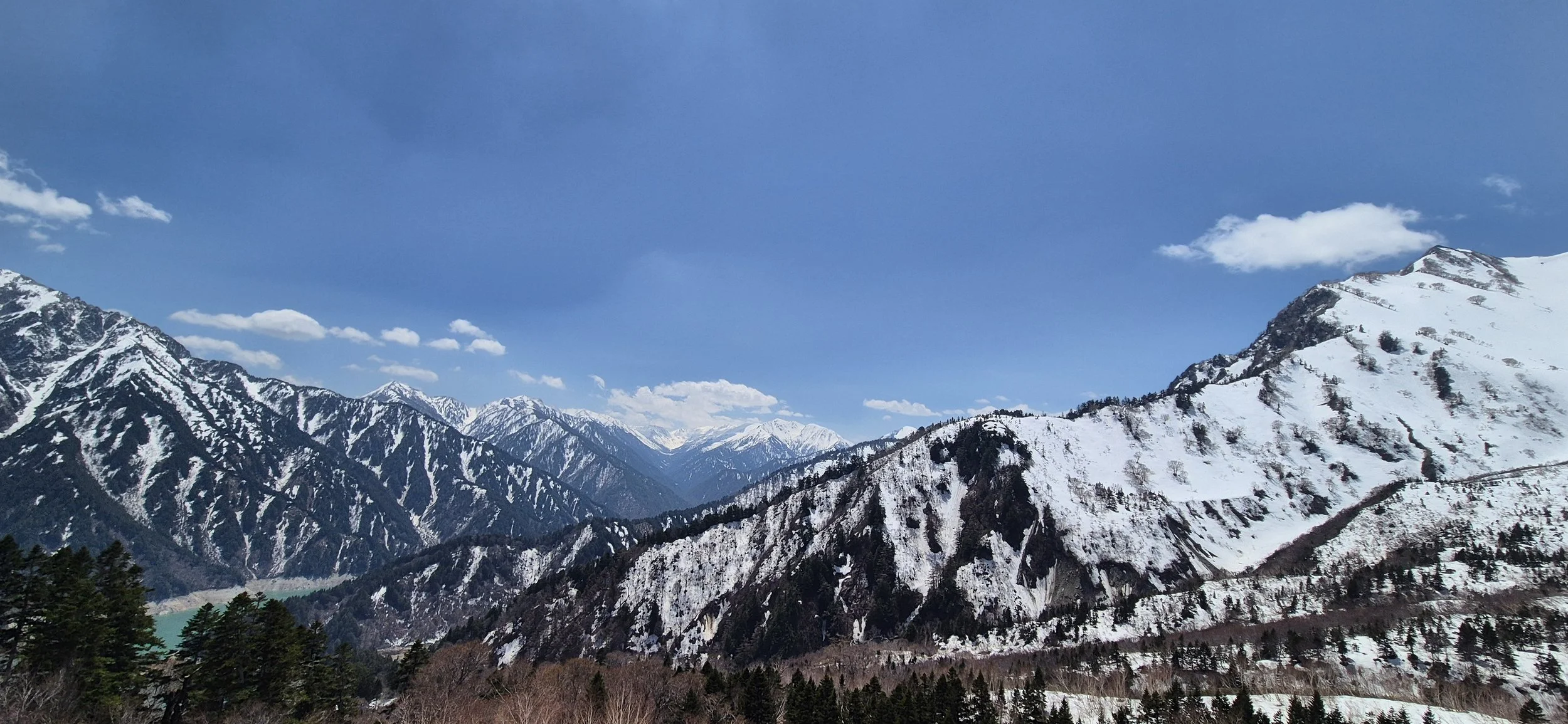
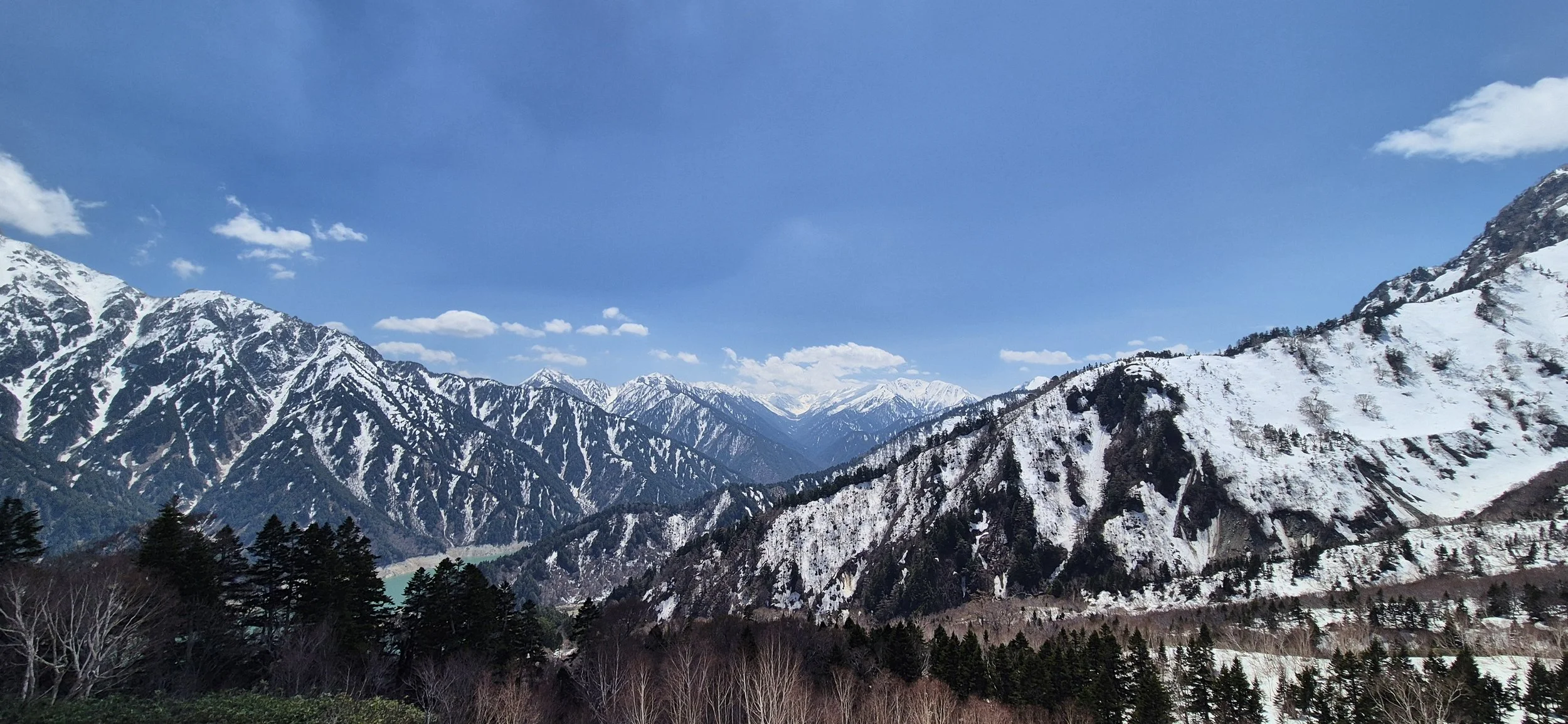
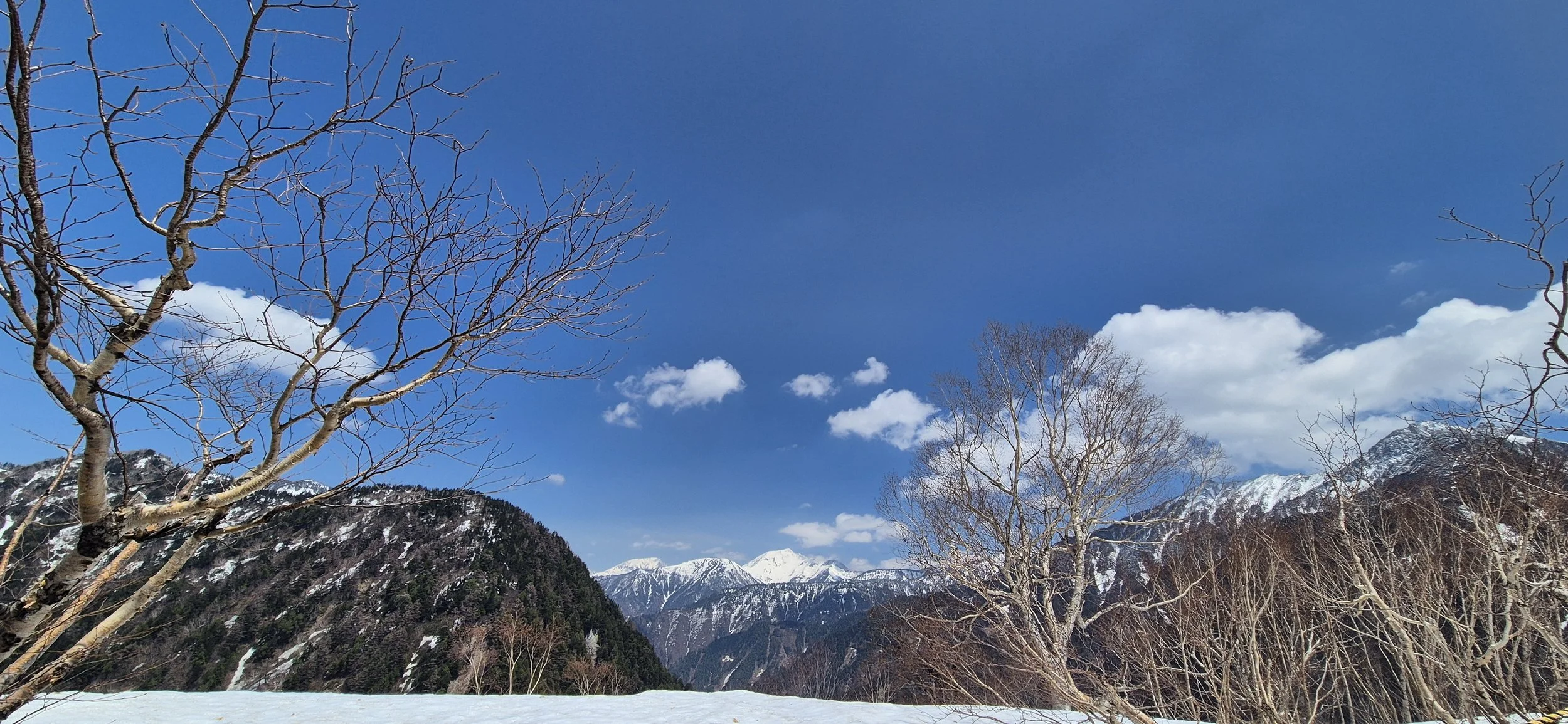
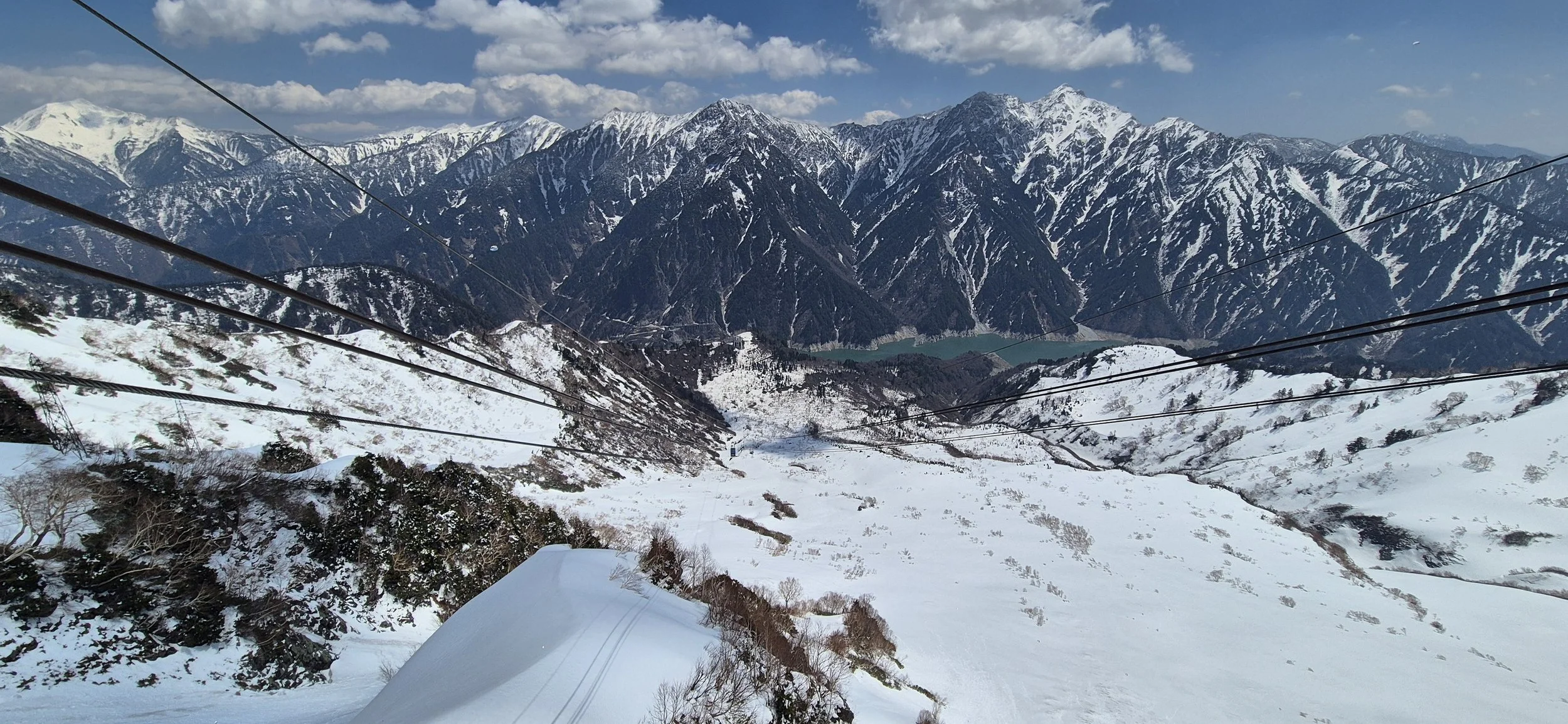
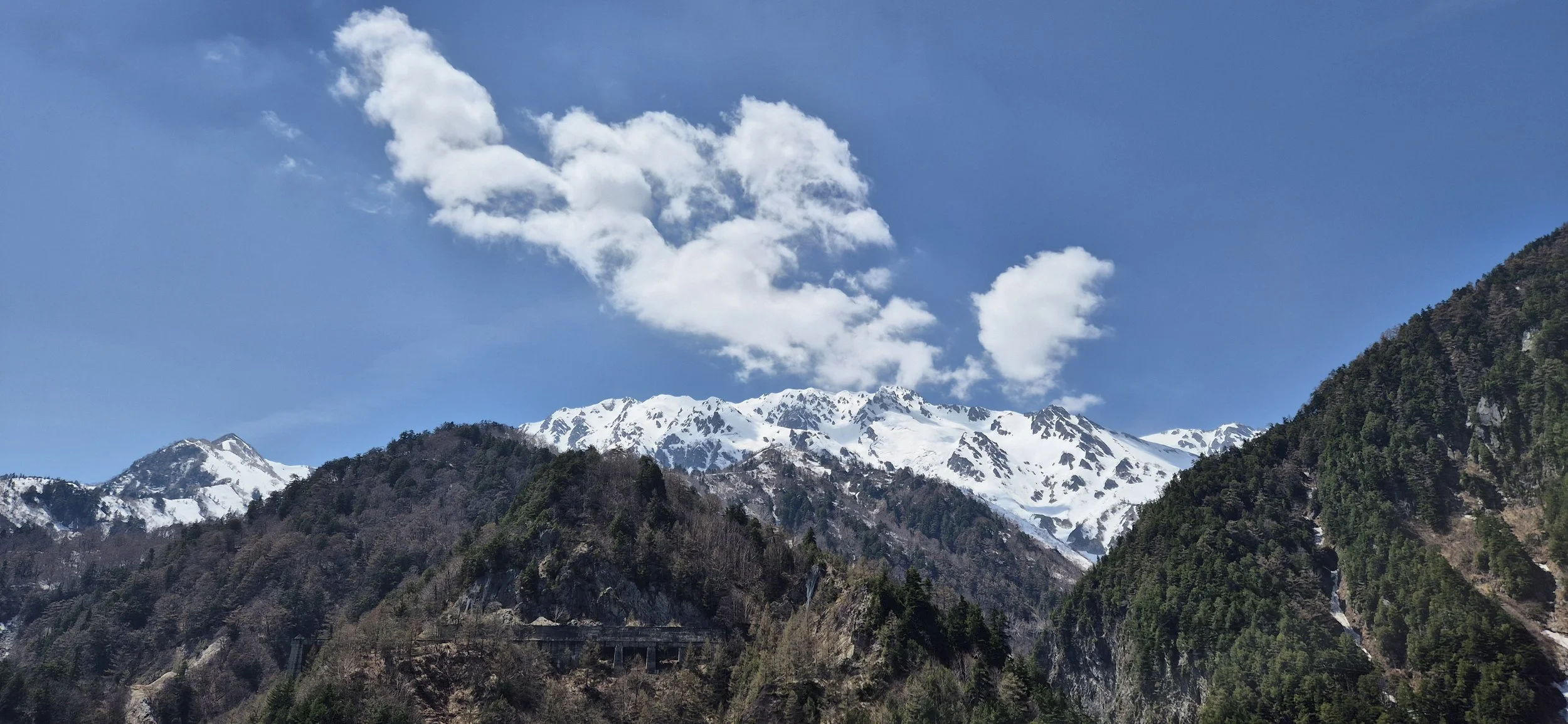
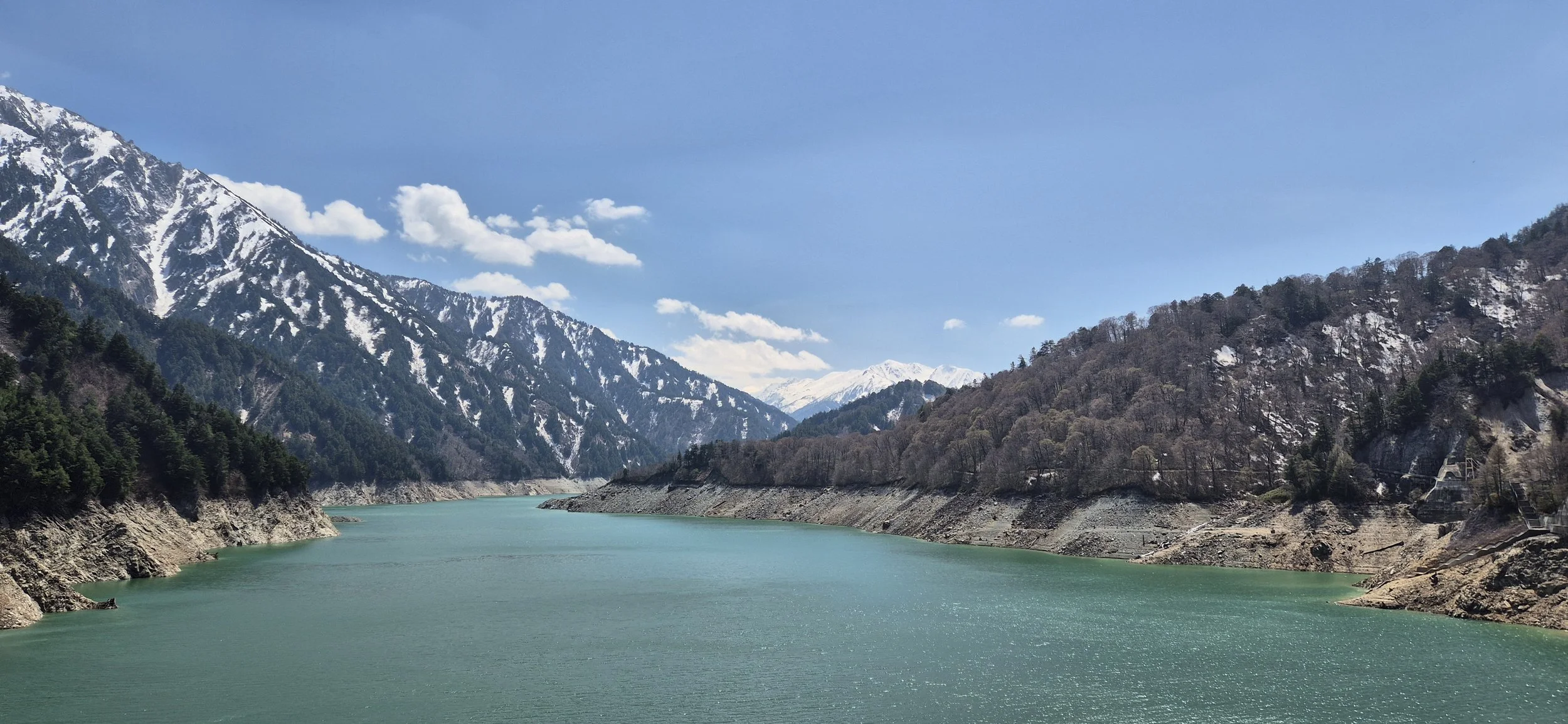
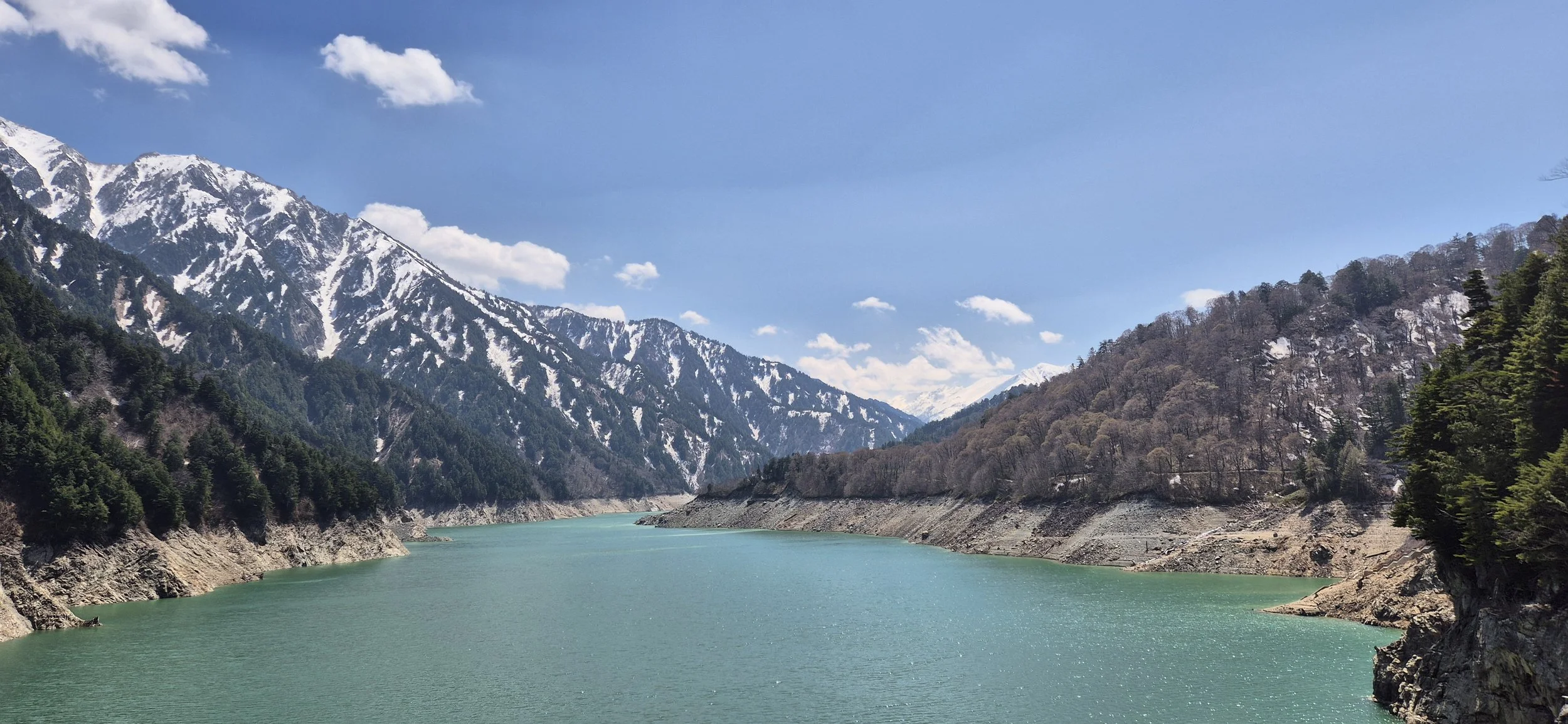
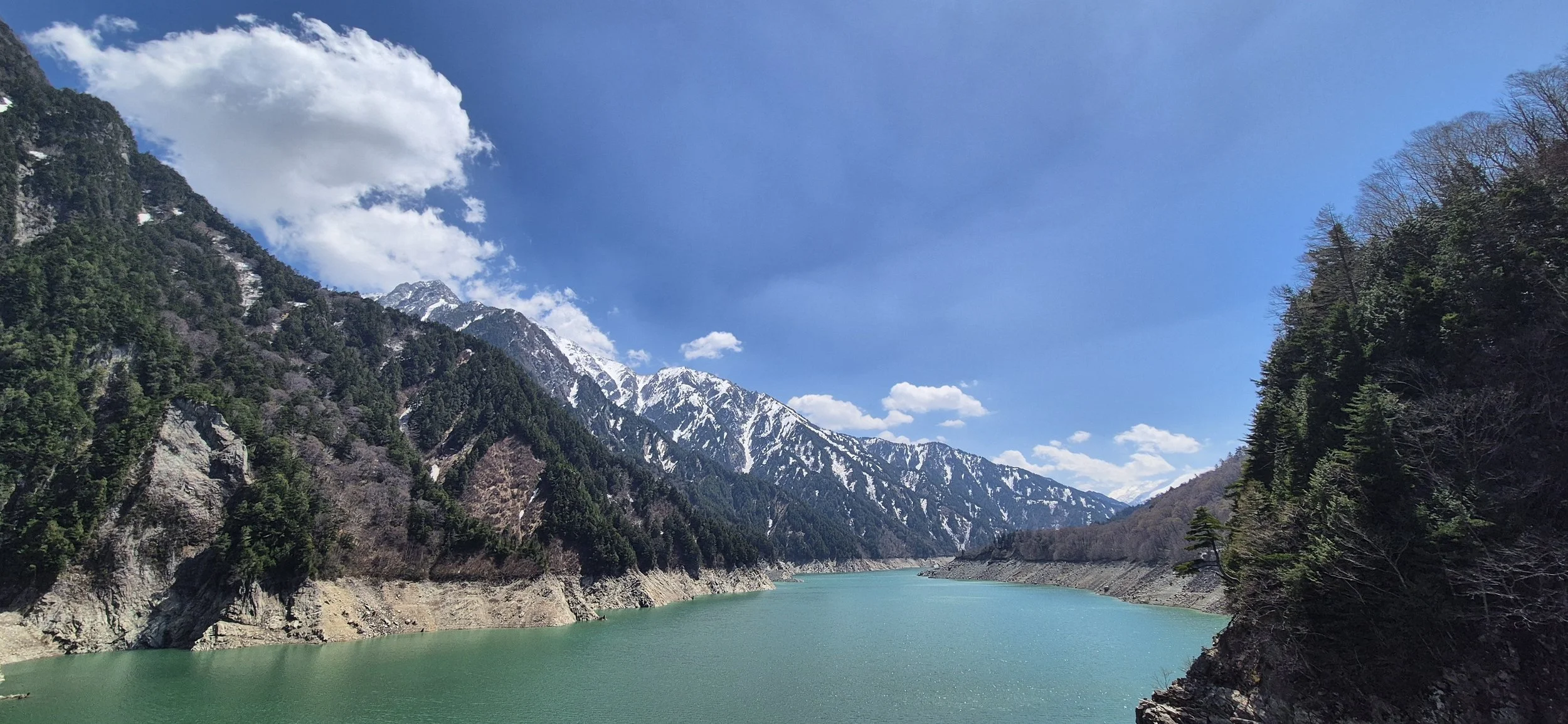
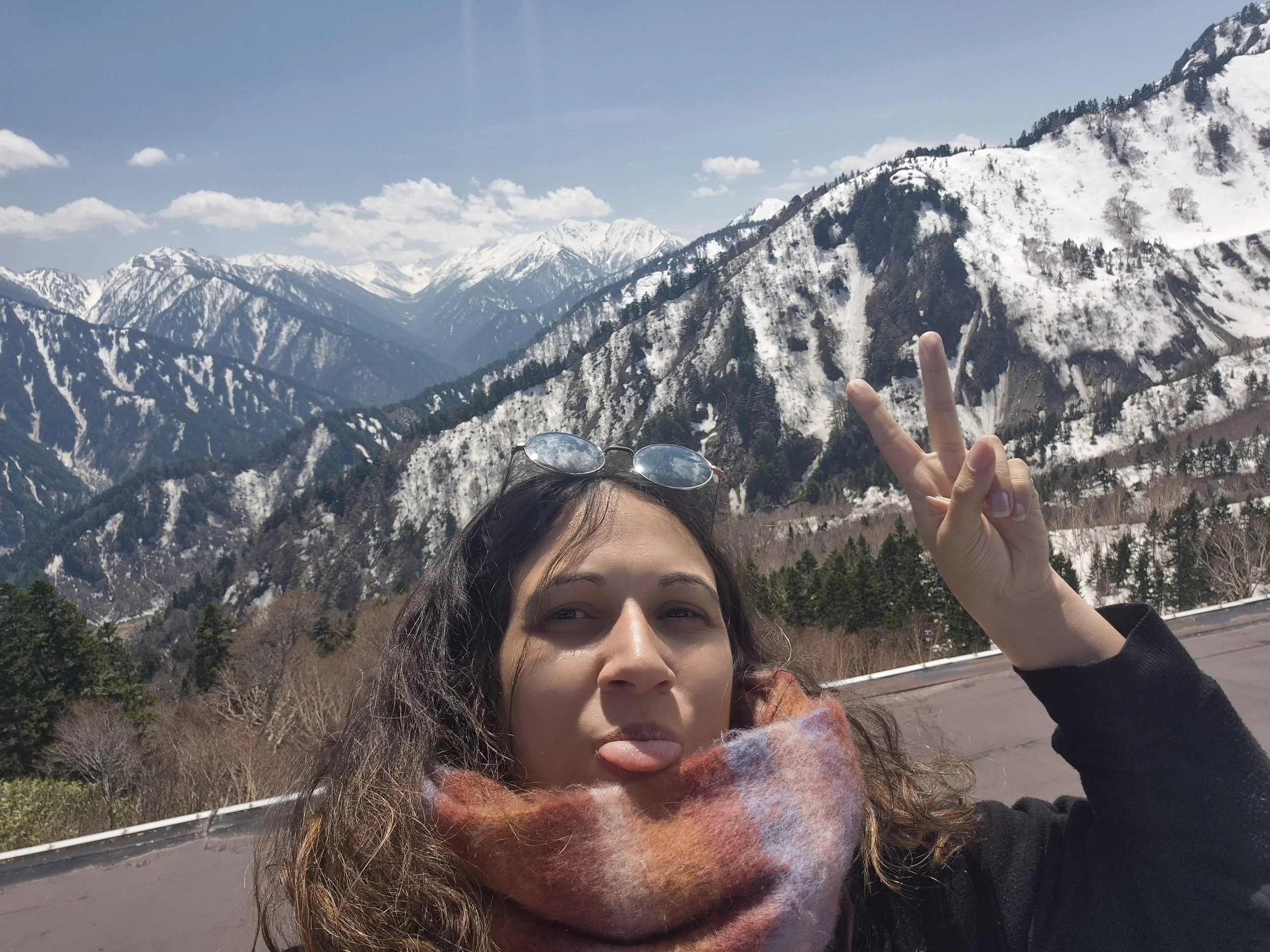
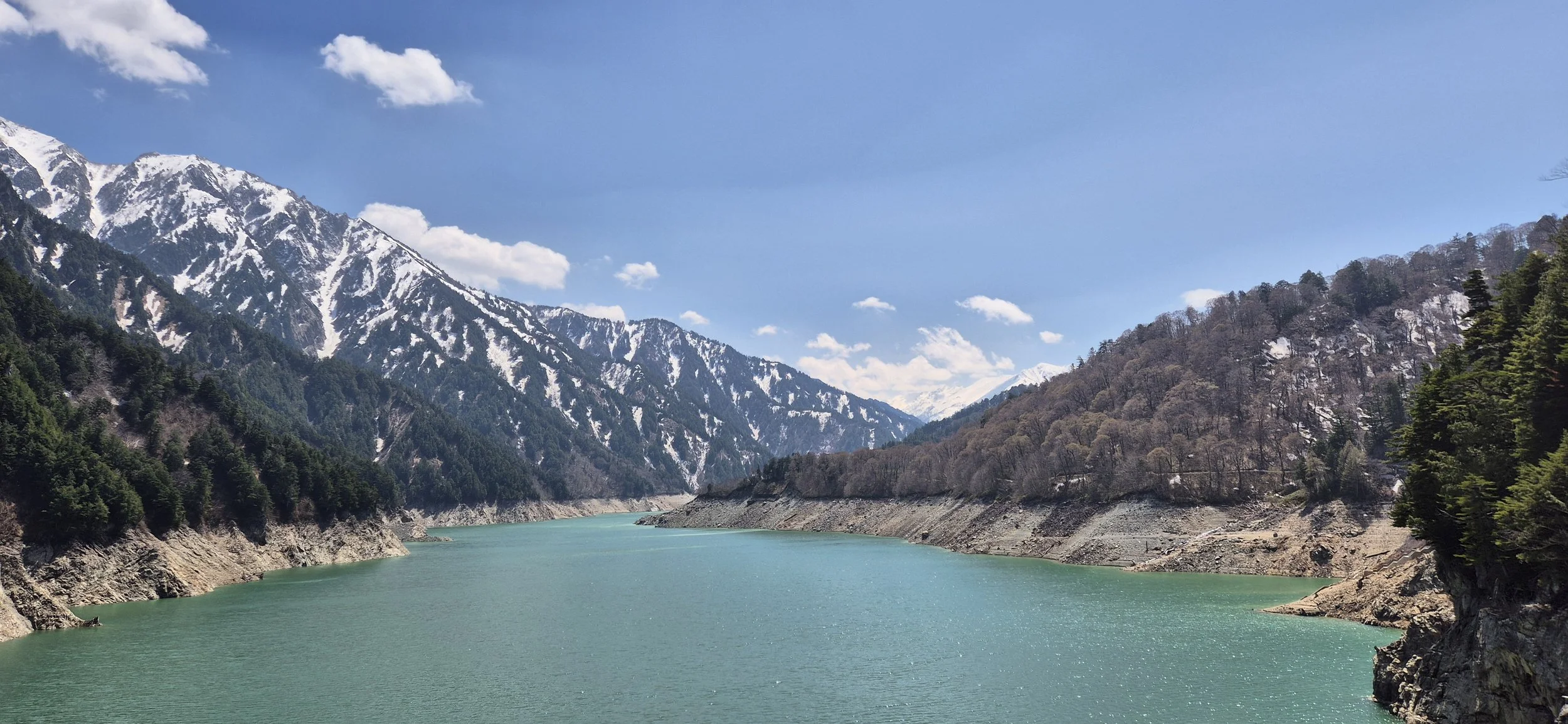
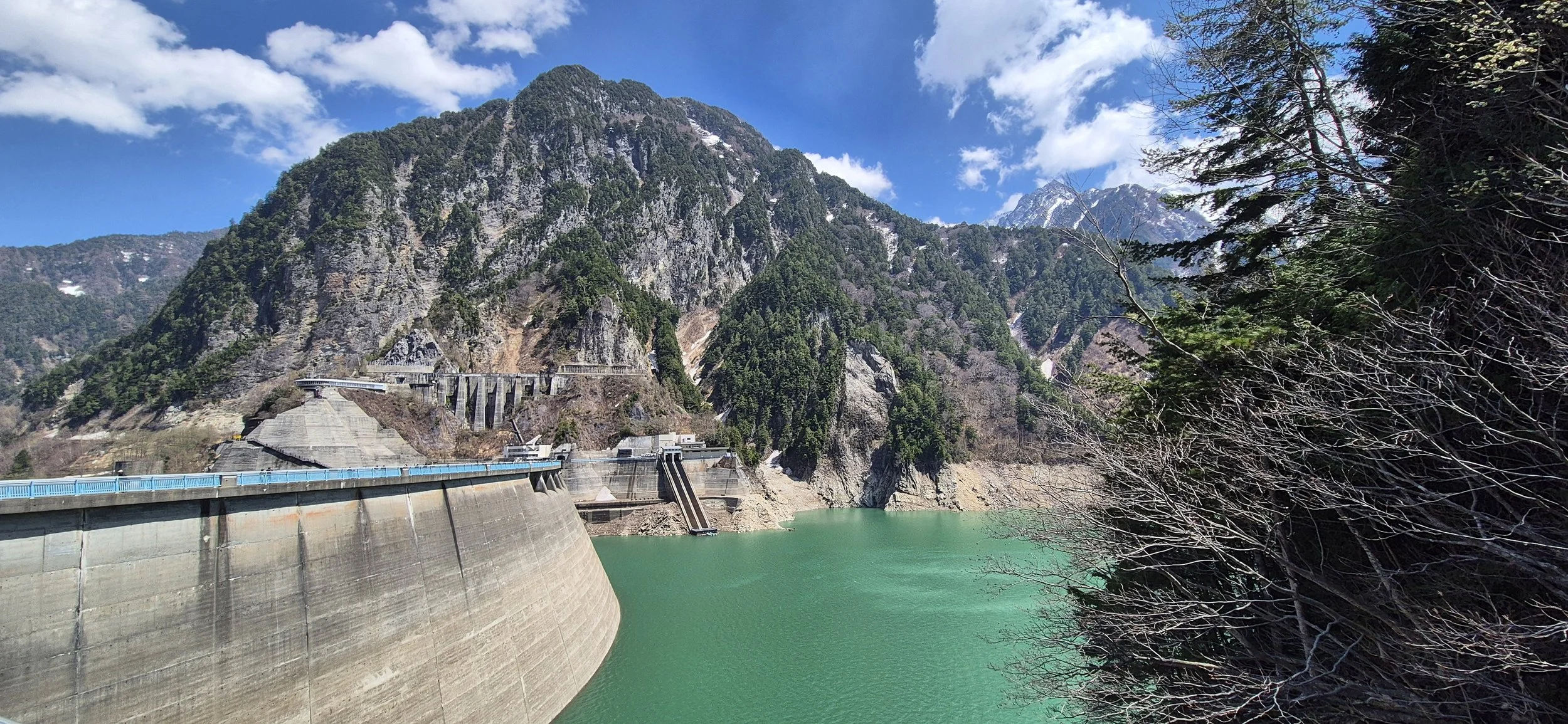
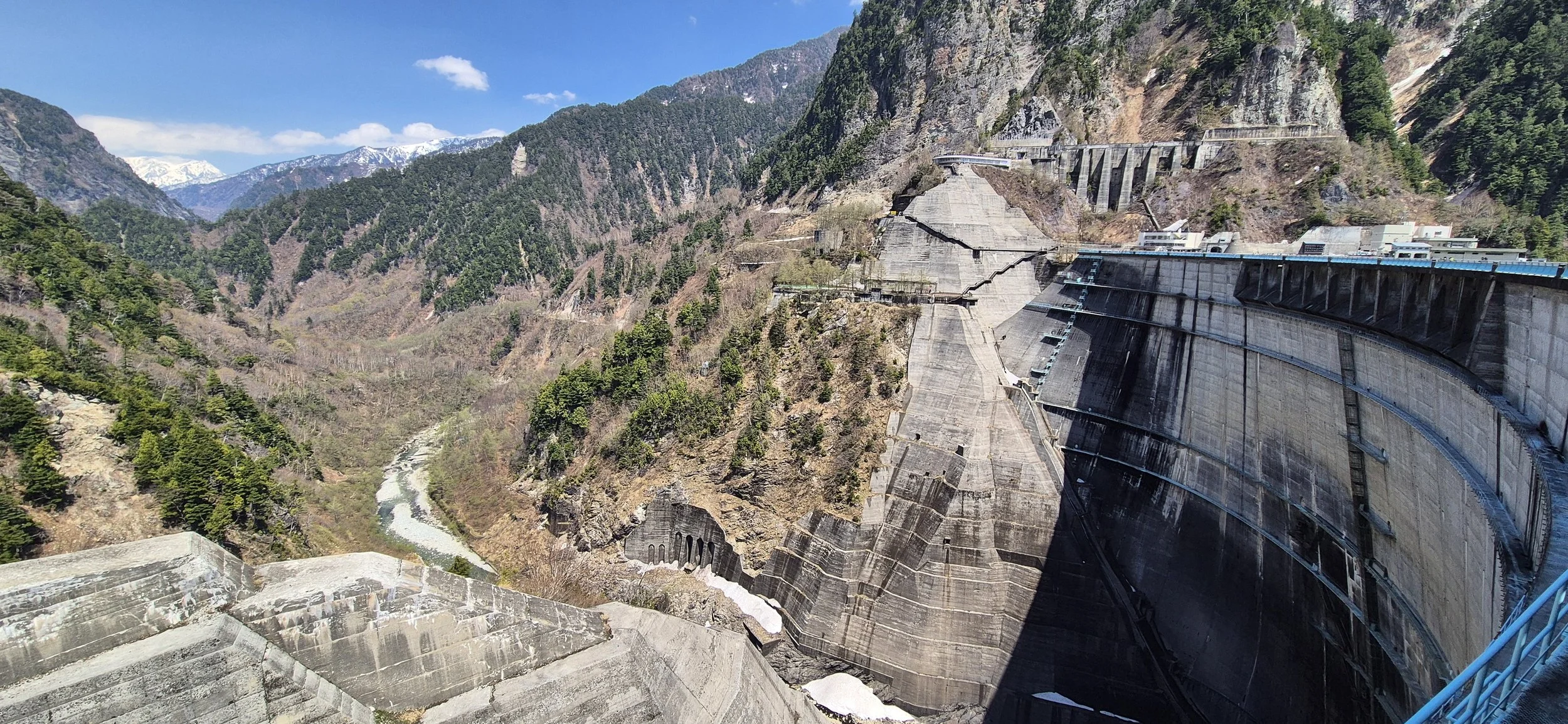
The dam is an arch structure and is supported by two wing-shaped dams. Visitors can walk across this to reach the other side, where the alpine route continues. The sights from this walk are breathtaking, the mountains on either side create a bowl-like effect, and the water is a beautiful blue. I visited before Golden Week during the early weeks of opening of the pass for the year, and the views were spectacular. The snow all around created beautiful images. And the dam itself is beautiful, which is a somewhat peculiar thing to say about a megastructure. The dam is one of the most popular dams for visitors, and this is partially thanks to the alpine route.
For those attuned to Japan’s most famous Kaiju, they may note the dam is very familiar to them, and that is because it has featured in many renditions of Godzilla. The Queen of the Kaiju Mothra unleashes a powerful attack, which destroys the dam during its build phase in the 1961 film. It then makes another appearance in the later film released in 1964, Ghidorah, the three-headed monster. The dam also features in the opening of the 1966 film Gamera vs Barugon. The dam comes under attack as Gamera attacks the power plant to harness its energy. The dam is seen bursting in the show after the kaiju hits it twice.
The dam is a must-see, and I recommend guests decide if they want to see the beauty of the alpine pass with the wall of snow or wait to see a beautiful rainbow where temperatures are warmer, and the pass is greener. Both seasons offer unique experiences. I had a chance to catch Kuro Nisan on my trip and took some fun images of the mascot. The shop is a must-see as it offers many dam items, dam curry bowls, dam socks and more. The pun is not lost on the merchandising team!
The curry was great, and I enjoyed having a rest after the snowy trek through Japan’s Alps. I really enjoyed seeing this megastructure, just like the drainage system in Saitama; they are well worth checking out.