The crow castle – Masumoto castle, Nagano
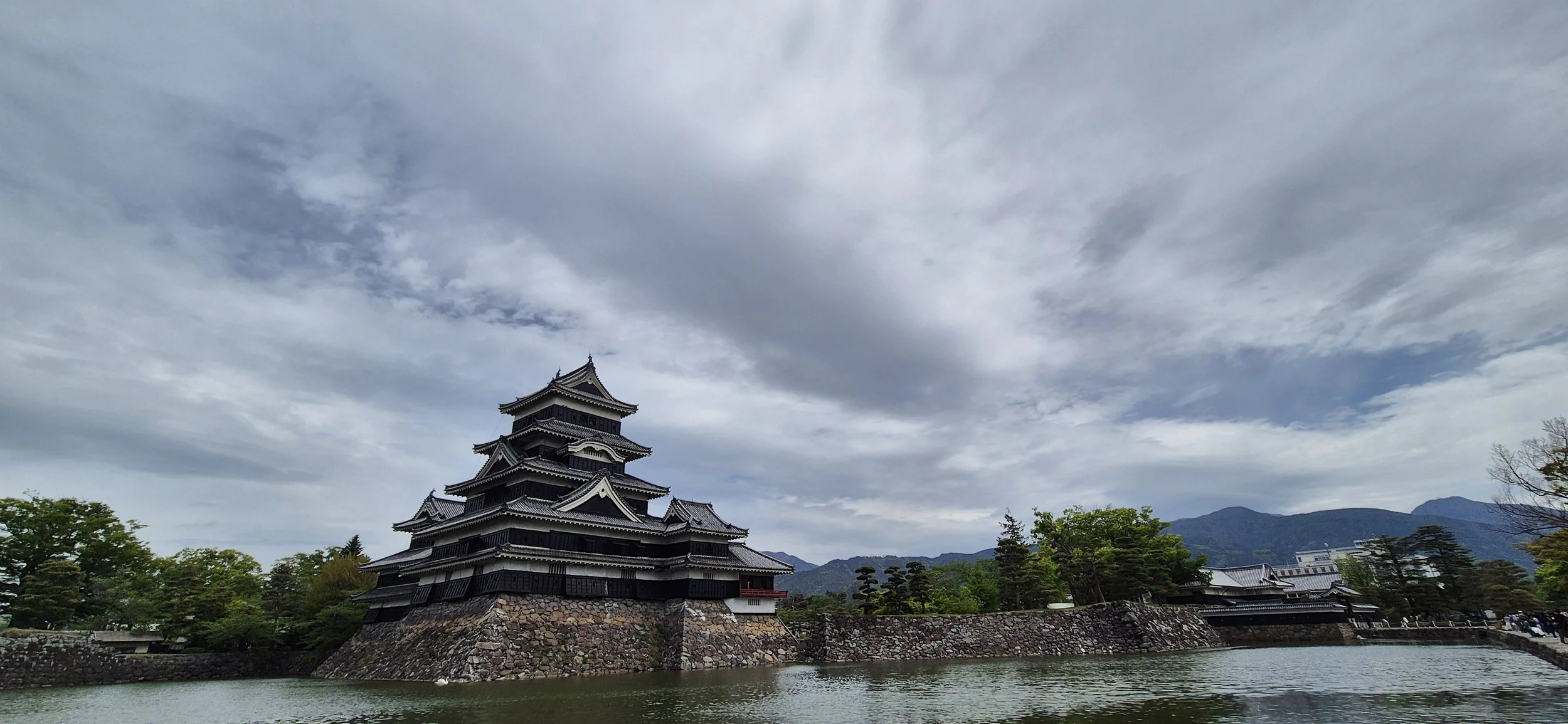
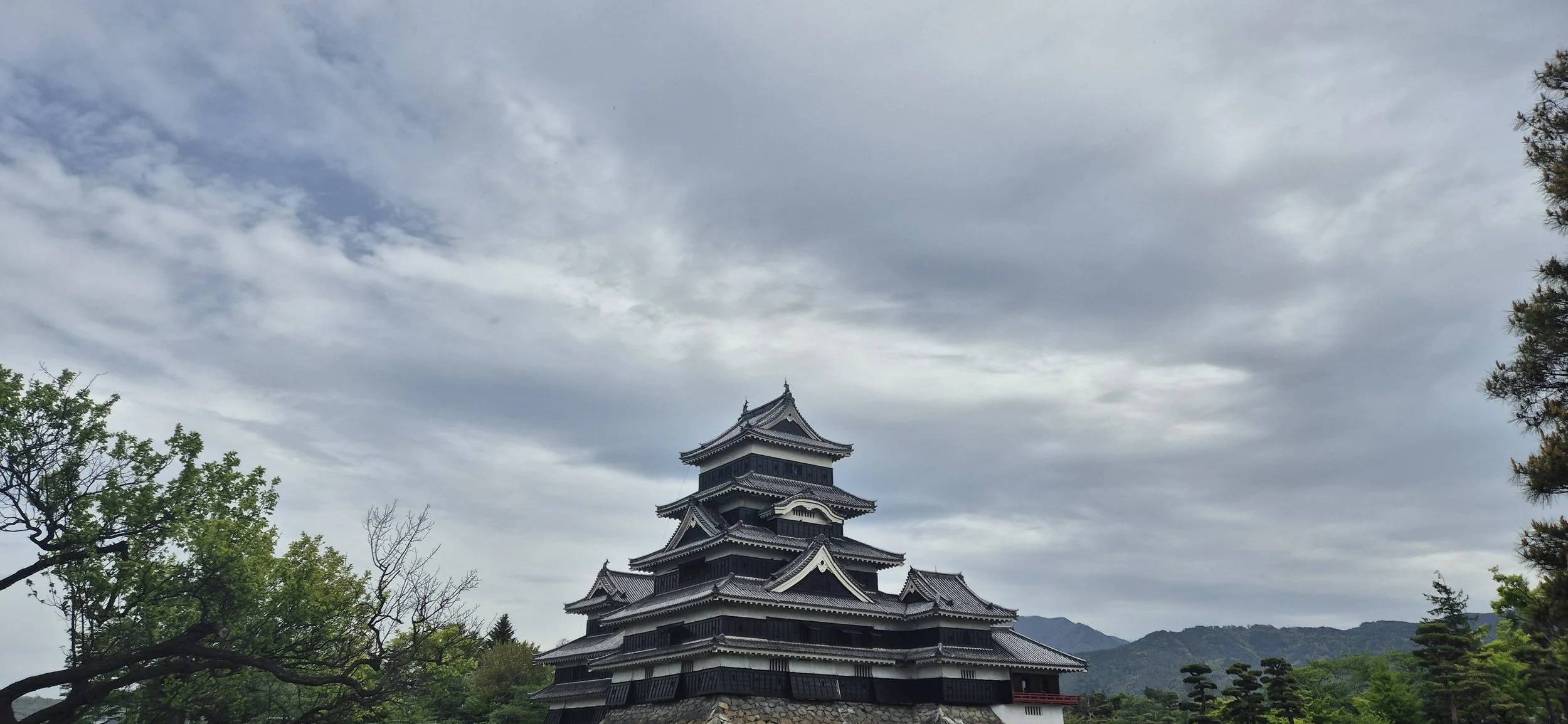
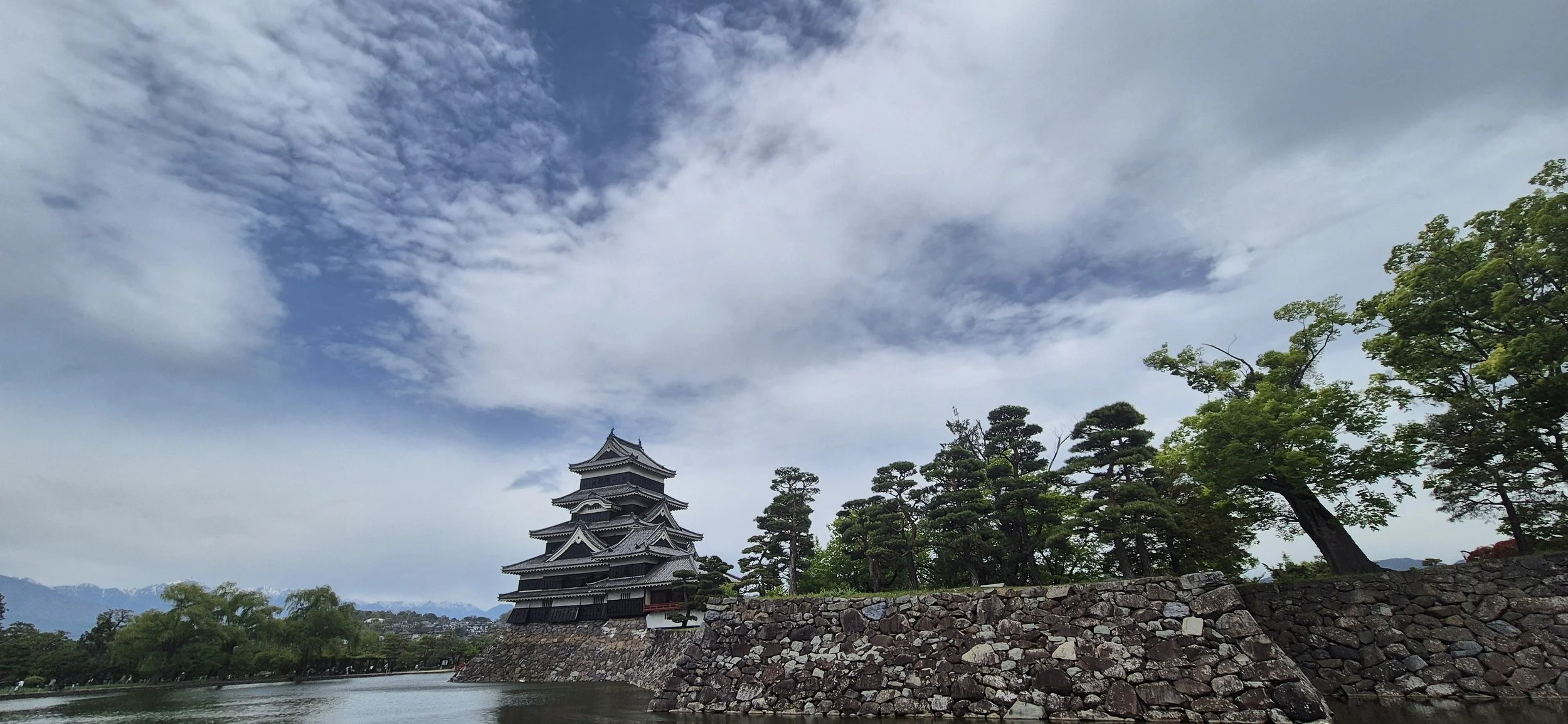
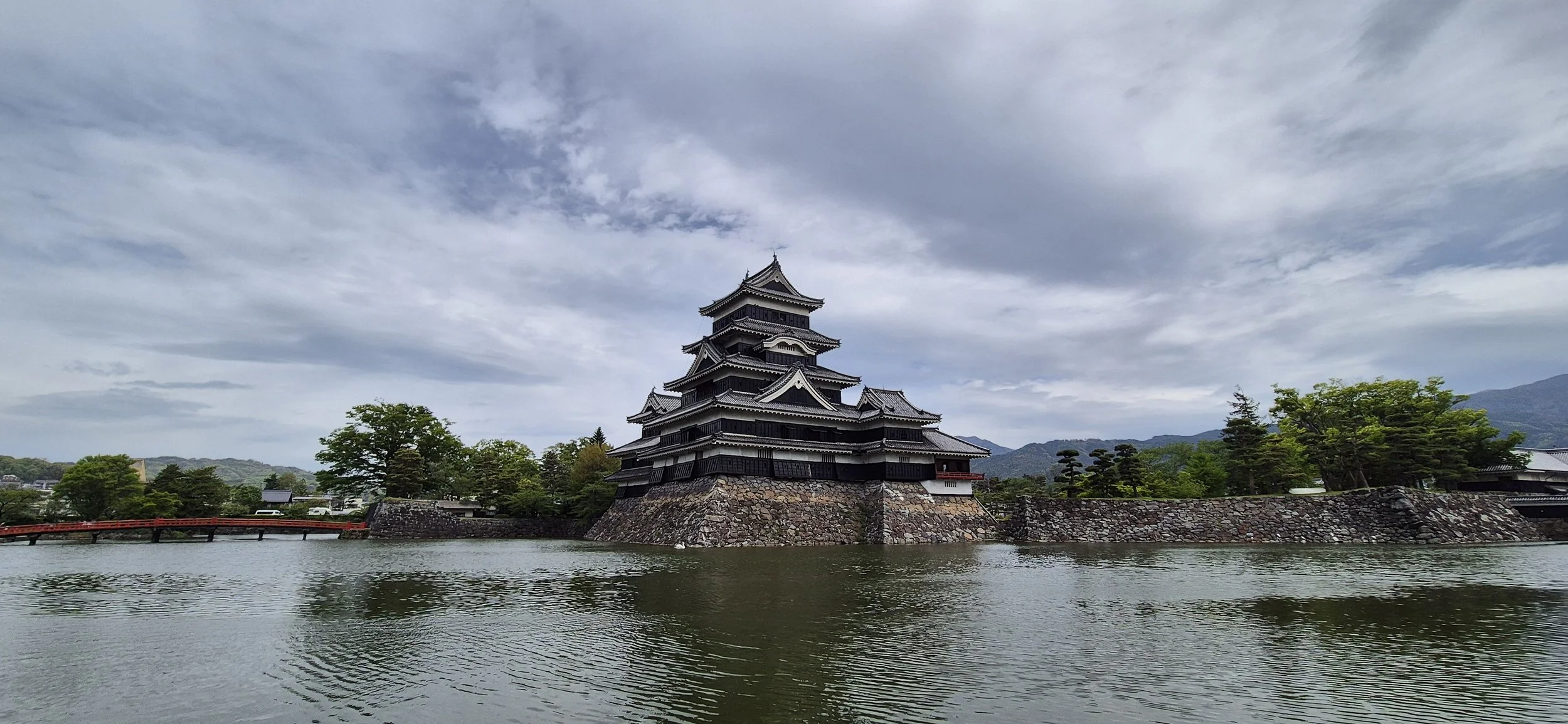
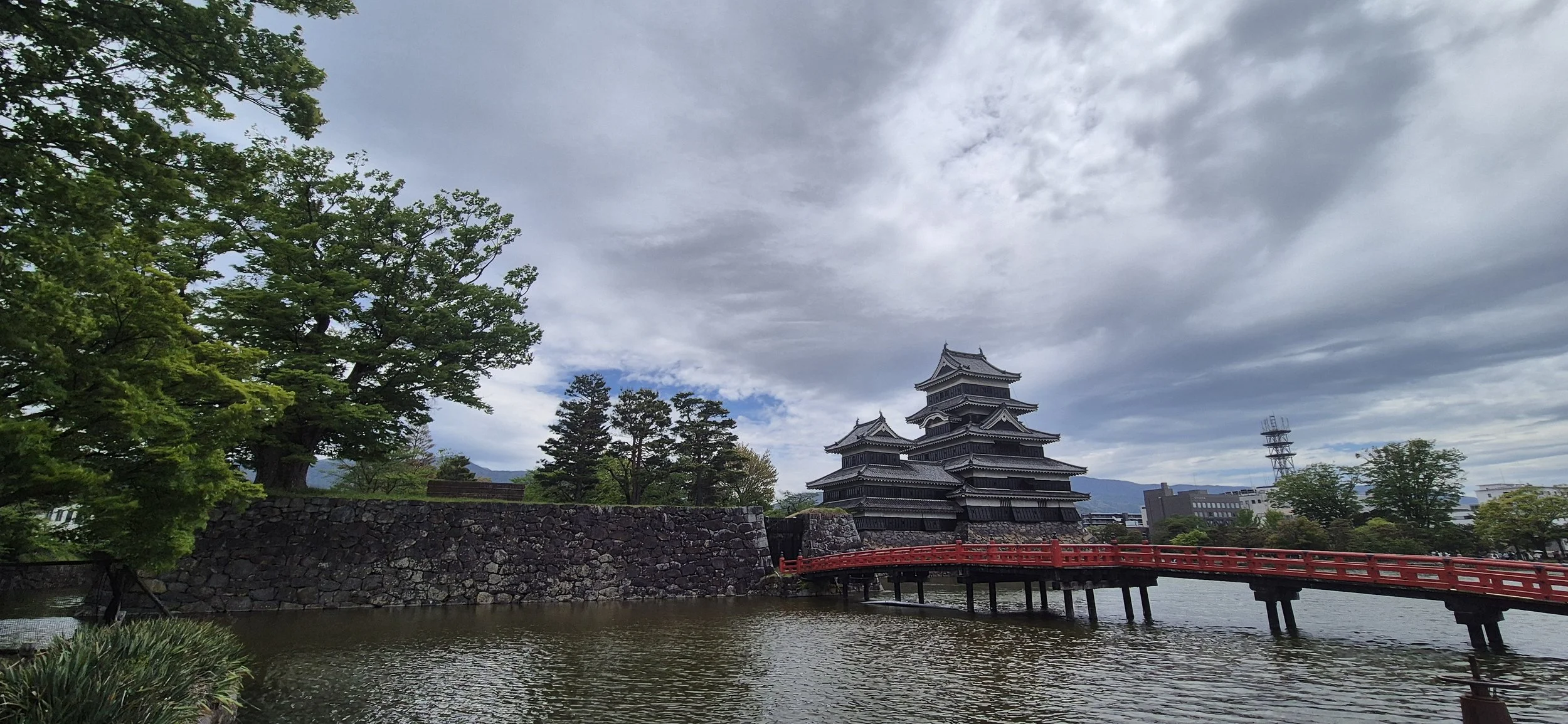
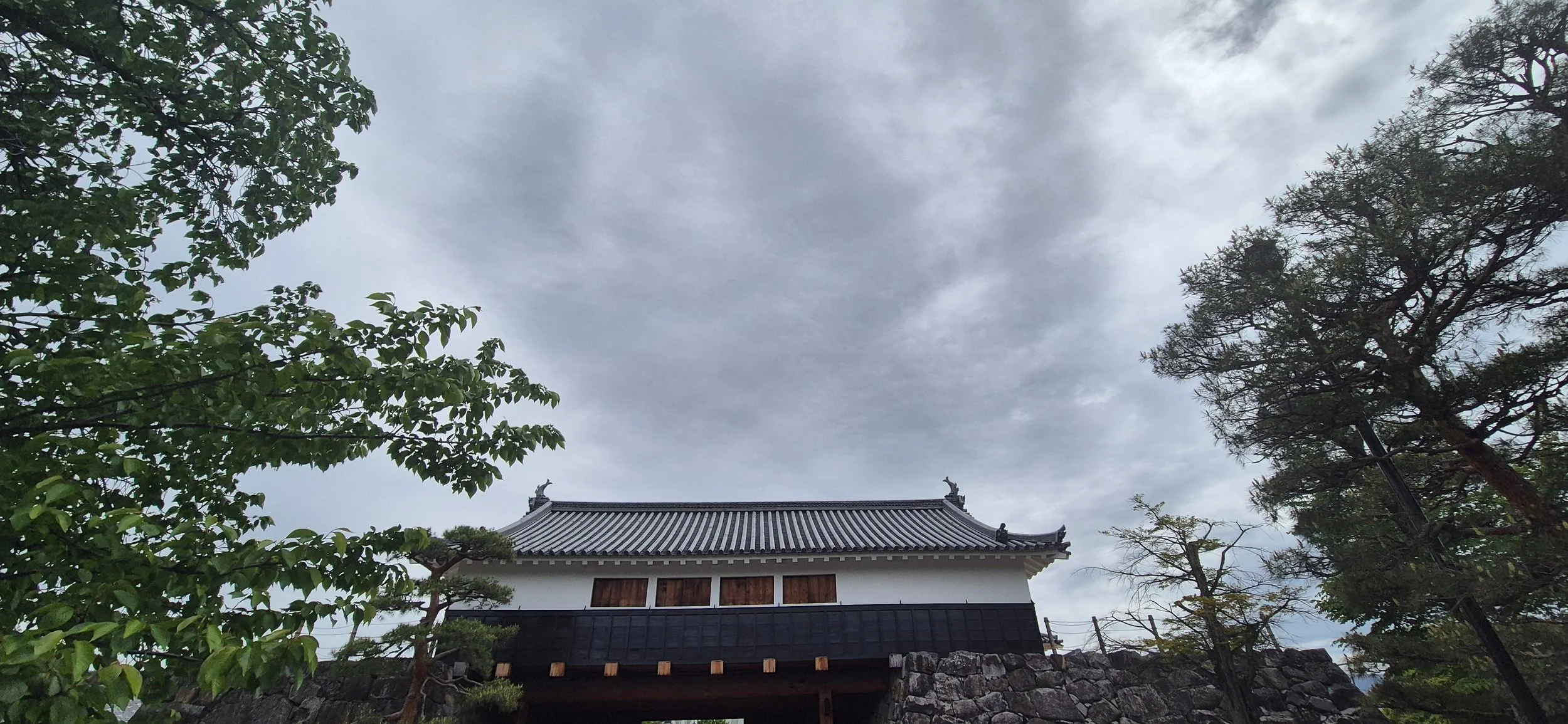
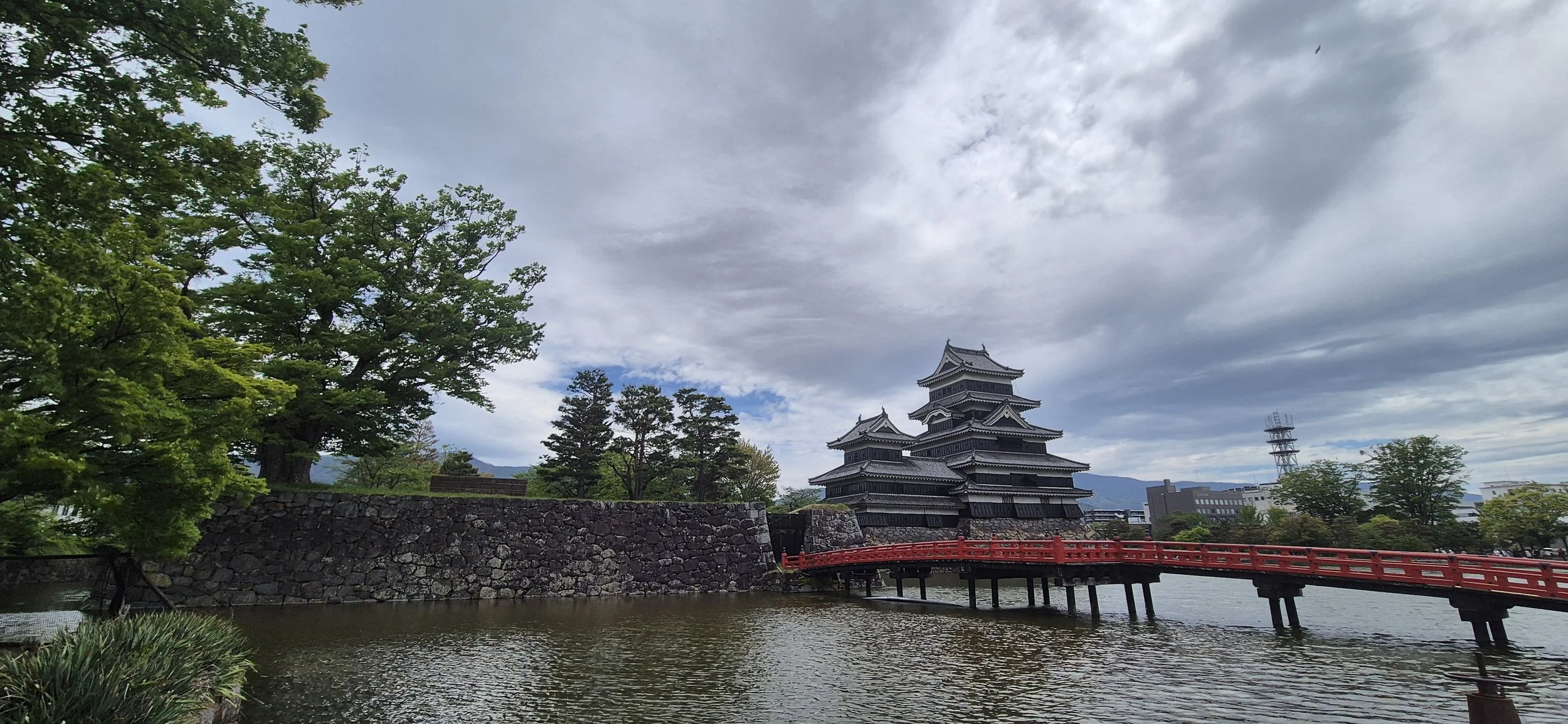
Nestled in Nagano, Matsumoto Castle stands proudly amid lush gardens, its iconic red bridge arching over the moat to create postcard-perfect scenes. Unlike most Japanese castles, Matsumoto’s striking black wooden walls set it apart, a feature born from the region’s once-cool climate that made sun-reflecting white walls unnecessary. These dark walls earned it the nickname Crow Castle, and while a few others share this look, Matsumoto is the original. Built at the height of the Matsumoto domain, it stands among Japan’s most celebrated castles, alongside Himeji. Remarkably, Matsumoto still boasts its original stonework and structure, earning it the honour of being named a national treasure. As a flatland castle, it does not perch atop a hill but relies on thick walls and a formidable outer defence of gates and barriers.
Matsumoto Castle began life under a different name, Fukashi, which is said to have been built sometime during the Eisho era, from 1504 to 1520. At the start of its life, the castle was smaller and acted more as an outpost. However, after the siege of Fukashi, it traded hands and purposes. It became a key player in the Sengoku period as Oda Nobunaga strived to unify Japan. The castle was the seat of the Takeda clan, which was eventually overpowered by Nobunaga’s forces. The castle surrendered in 1582. After the assassination of Nobunaga, the castle finally took on the name Matsumoto Castle. After this turbulent period, the castle underwent a few renovations; over the following twenty years, it took on the look we see today.
During the Meiji period, Japan saw many castles and fortresses vanish as the Government pulled down reminders of the feudal period. Matsumoto’s outlying structures were swept away or sold, and soon the castle faced the same fate. But word spread, and the community rallied together in protest. Their determination paid off, and the local government saved the castle. Even after an arson attack that threatened one of its last Edo-era buildings, Matsumoto Castle endured. When Nagano Prefecture was established, a heated debate decided that Nagano City would become the capital, leaving Matsumoto Castle to embrace a new chapter as a peaceful guardian of history. Whispers of a ghostly thief executed in the tower added a touch of mystery as the castle weathered years of neglect. Yet, thanks to a passionate local restoration effort, the castle was lovingly revived. Today, it stands not only as a cherished landmark for locals but also as a captivating destination for visitors eager to explore Japan’s past. Its beauty is undeniable, and I was lucky enough to visit at the start of Golden Week.
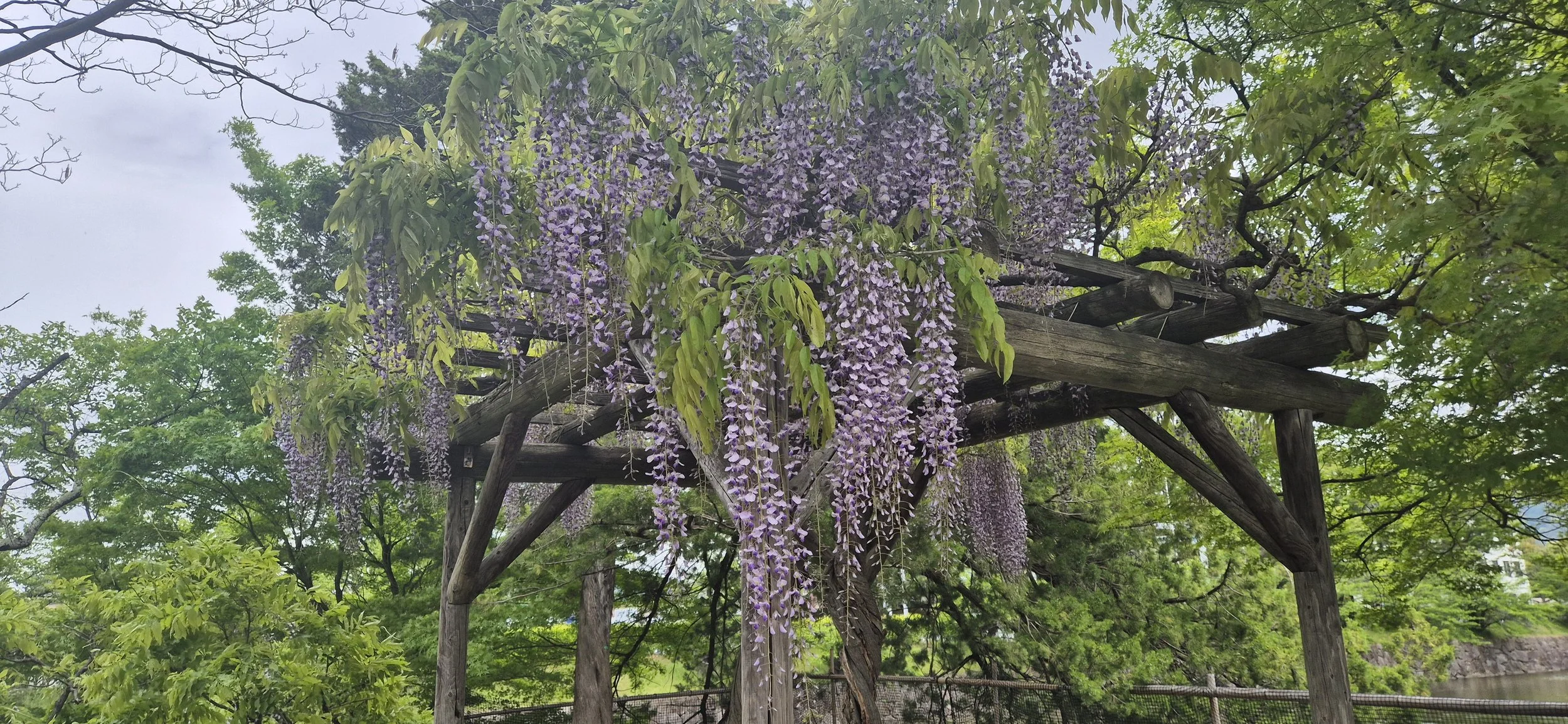
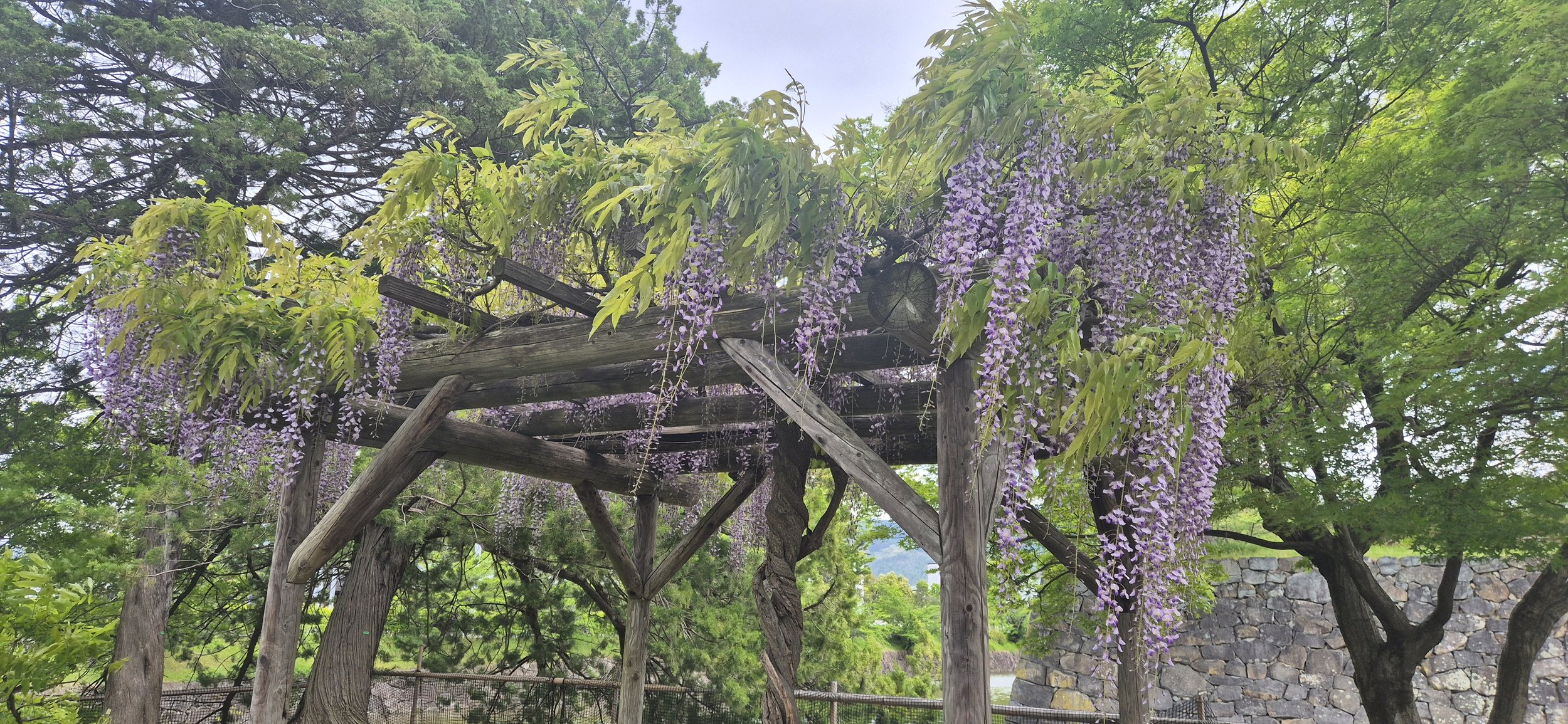
During my visit, many people were admiring the castle, which made for beautiful photographs framed by the mountains. There is a small patch of wisteria that grows in front of the castle, and in the spring, the Sakura bloom around the moat, making it a picturesque location for Japanese culture. Matsumoto is a small city which is easy to traverse. The castle is just a 12-minute walk from the main station, where you can pick up the shinkansen or local trains. For a small fee, you can look around the castle and admire the view from the top floor. Inside, there is even a gun museum showing the history of firearms and their use in the castle’s defences. Nearby, there is an old traditional street, and around the area, there are many places to shop and find local food. Matsumoto Castle is worth a visit; it is off the beaten track compared to places like Himeji, and if you visit during the week, I can imagine the area is very peaceful and quiet.
Castles in Japan are fascinating, especially to those from Europe; Japanese castles are different from the stone castles scattered around numerous countries in Europe. European castles dating from earlier periods were designed for war. They had thick walls; they were not built to win any beauty competitions. They were built for defence, and anything that would jeopardise this was left out in the planning. Japanese castles were the seat of a daimyo lord; they were designed to be lived in and often served as the final stages of any battle. The castle in Japan was the last place to fall before a surrender, whilst in the west, the castle fell first and eventually a surrender was reached.
In the West, castles were the focus of the fight; usually, the town it was protecting was within the castle walls. It was a game of who could last longer, whether the attackers would run out of men and resources first or would the city run out of food, become overrun with infection or disease or would the people revolt after months of attrition and dwindling food rations. Whichever side fell first would spell out the victor. Some castles in Europe proudly boast the never breached title, castles that are so well fortified that no army could bring them down.
For those interested in military history, a trip to Matsumoto Castle is recommended. Matsumoto Castle is one of a handful of castles which still have original features. Not only is the location beautiful, but the castle also has a lot to teach us about history and architecture. I am glad I had the chance to see the castle in person. I was limited on time and chose to see the castle overlooking the capital. The city was nice, and it feels quieter than most Japanese cities; there are a lot of green spaces, making it feel less like a city. The castle is perfect for a few hours before exploring the historical street and old castle grounds. I fully recommend Nagano be given a chance, and for those who love hiking and winter sports, Nagano will provide everything you need!