A winter wonderland – Japan in the snow
Today’s blog will explore Japan’s relationship with snow and how it embraces its snowy identity through festivals, the Olympics and incredible sights. It is no surprise that the prefectures facing the Sea of Japan often experience the most snowfall. They face north and are at the forefront of icy polar fronts, which bring heavy snow. The prefecture which receives the most snow is Aomori, which receives between 8 and 10 meters of snow. This year, it has seen heavier snowfall than usual. The government issued a warning for the area, and on February 8th, a nationwide alert was in place. A polar front hit the country, bringing with it up to 120 cms of snow within an hour in some places and even higher volumes in the usual suspect prefectures. Images circulated of a parking meter surrounded by snow in Aomori; walls of snow towered over the machine and the person attempting to use it.
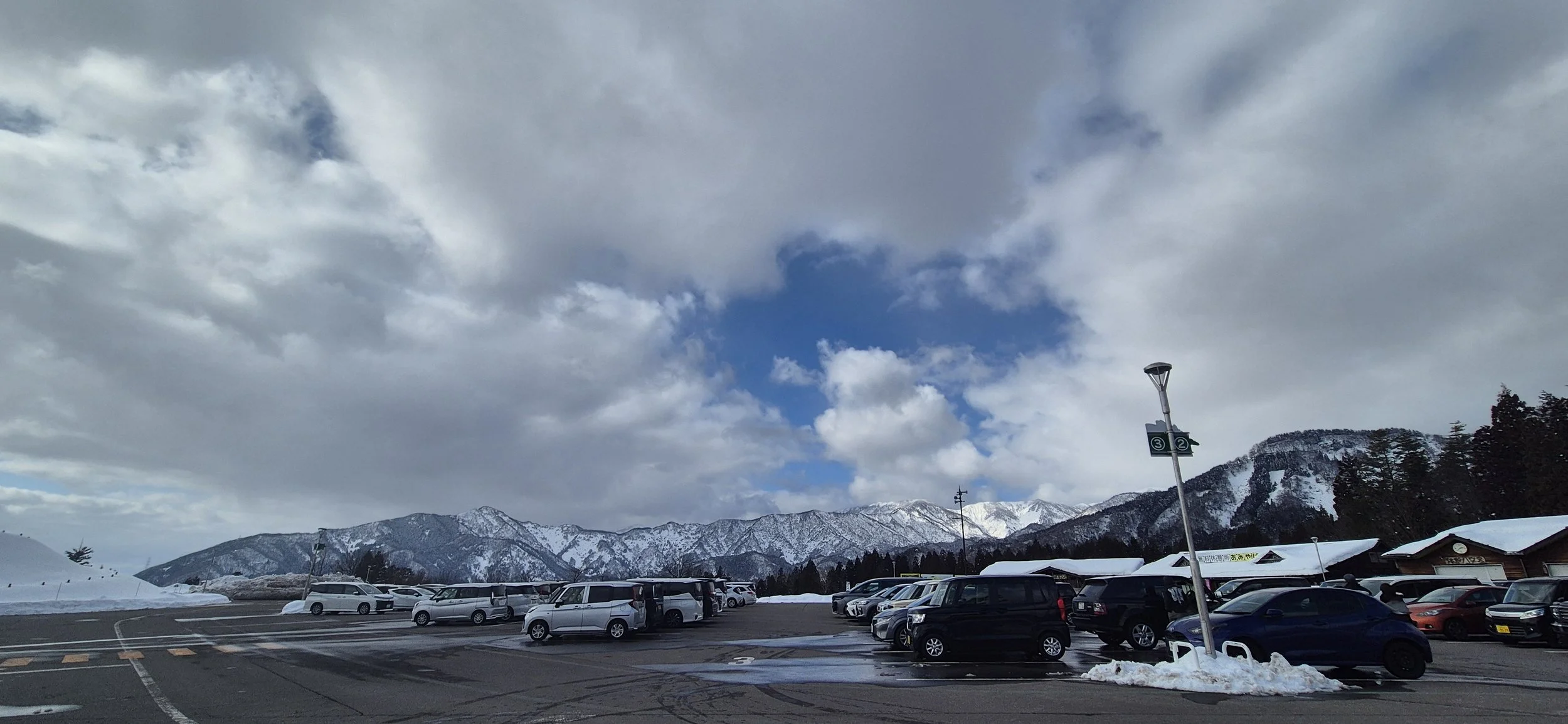
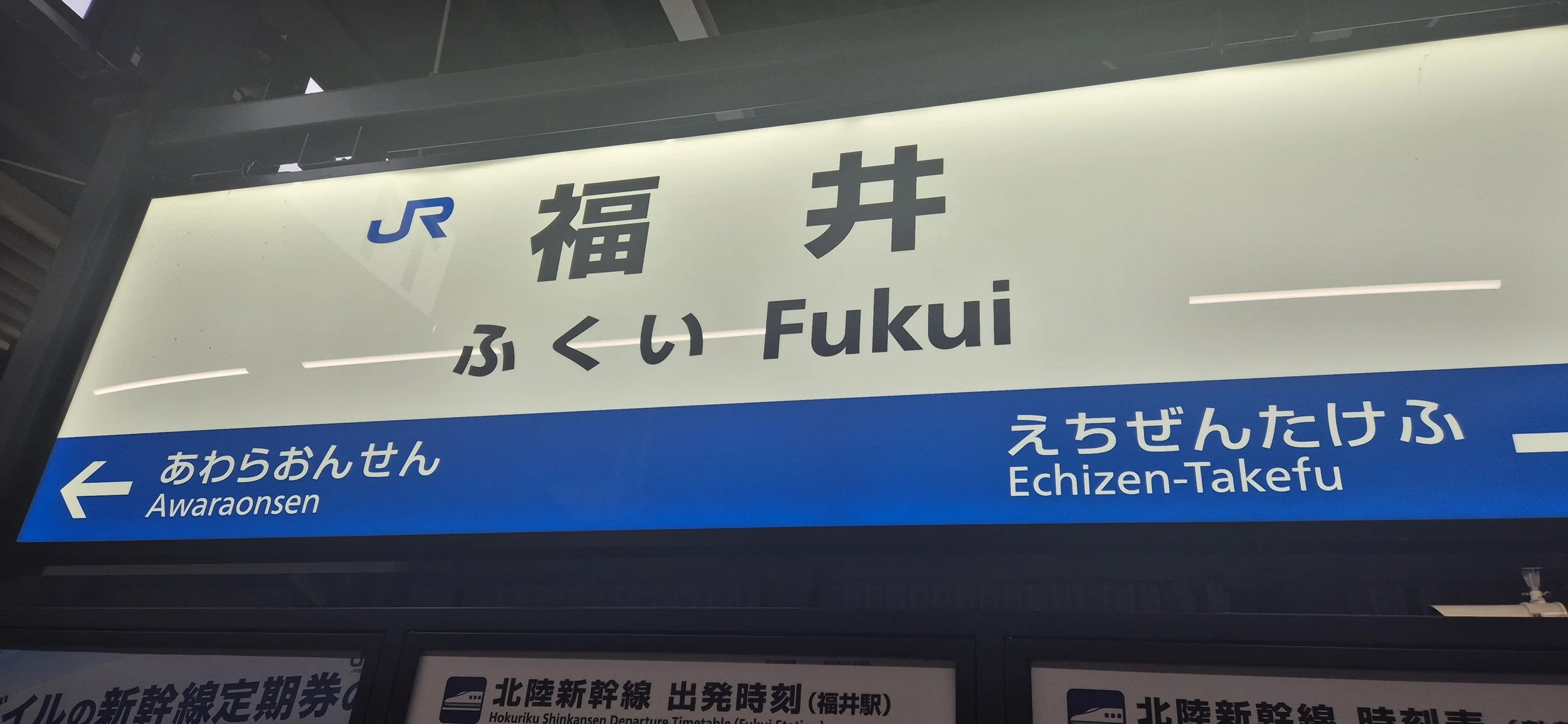
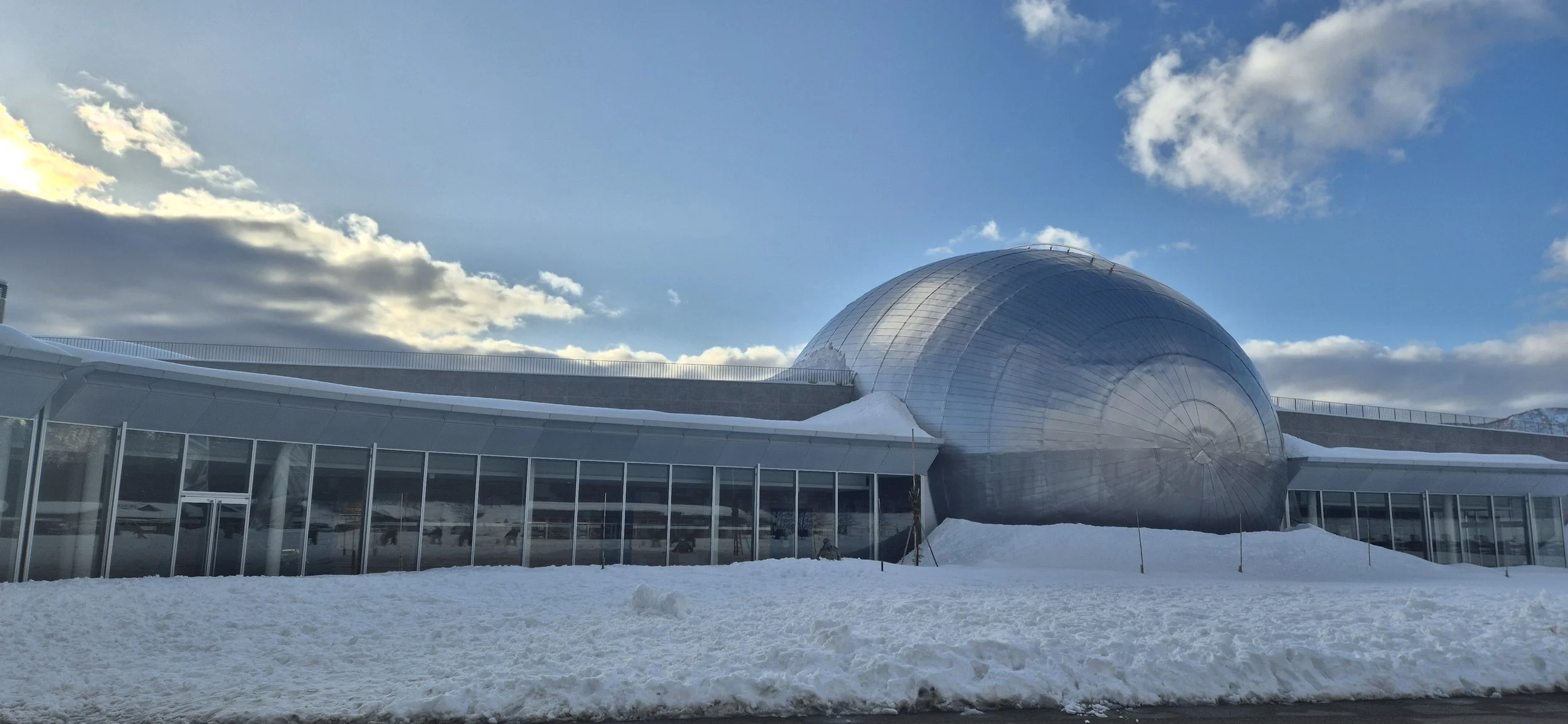
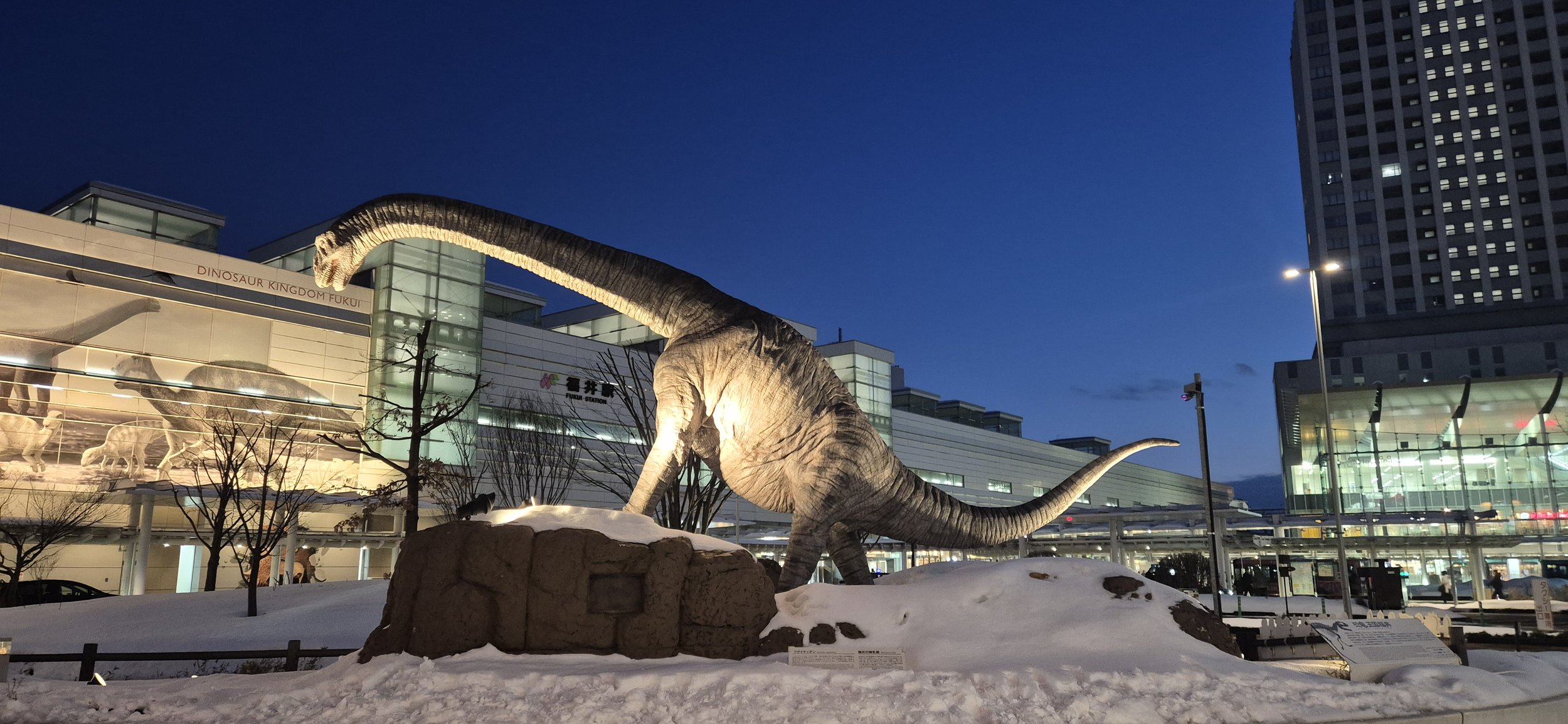
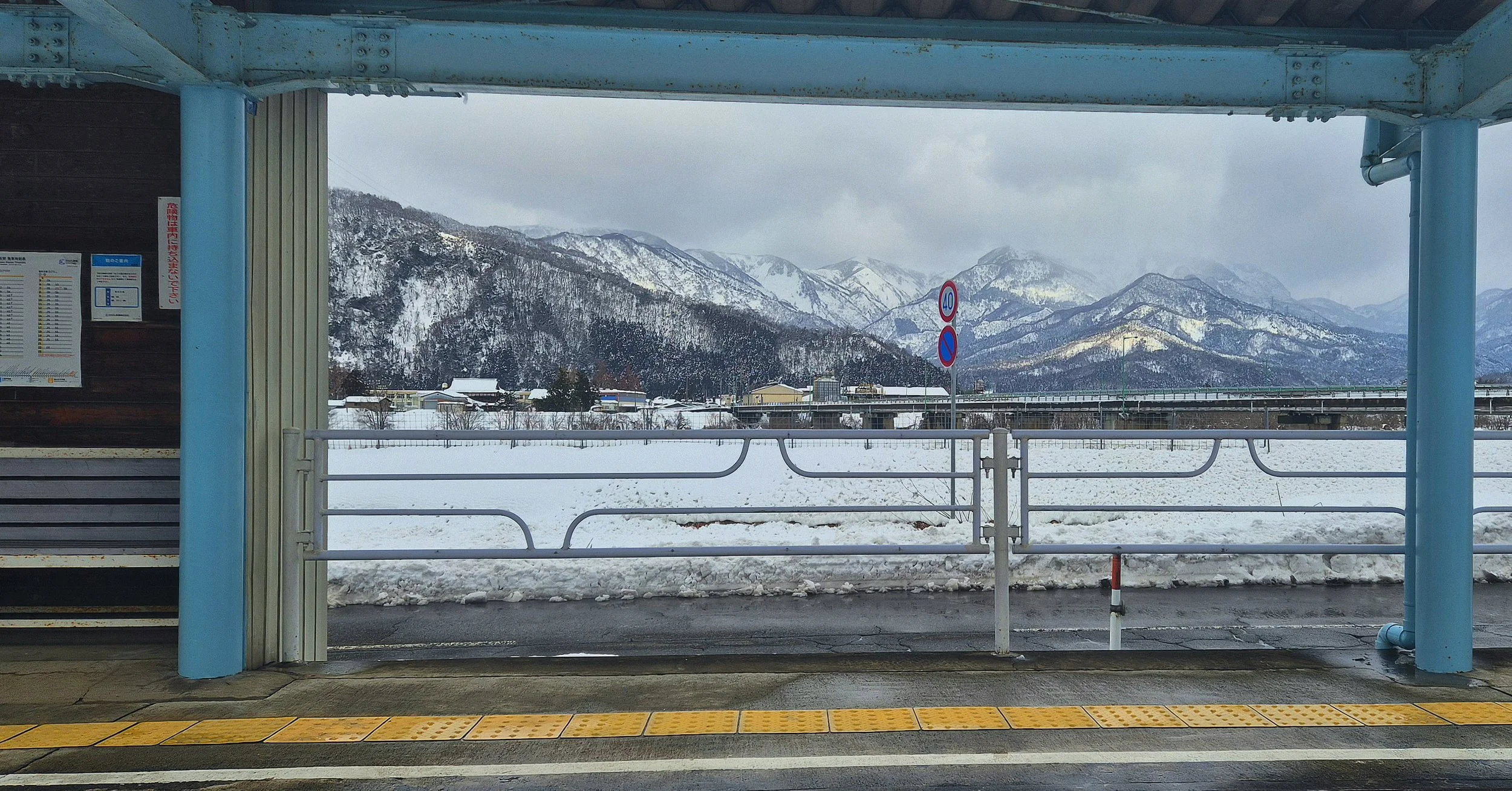
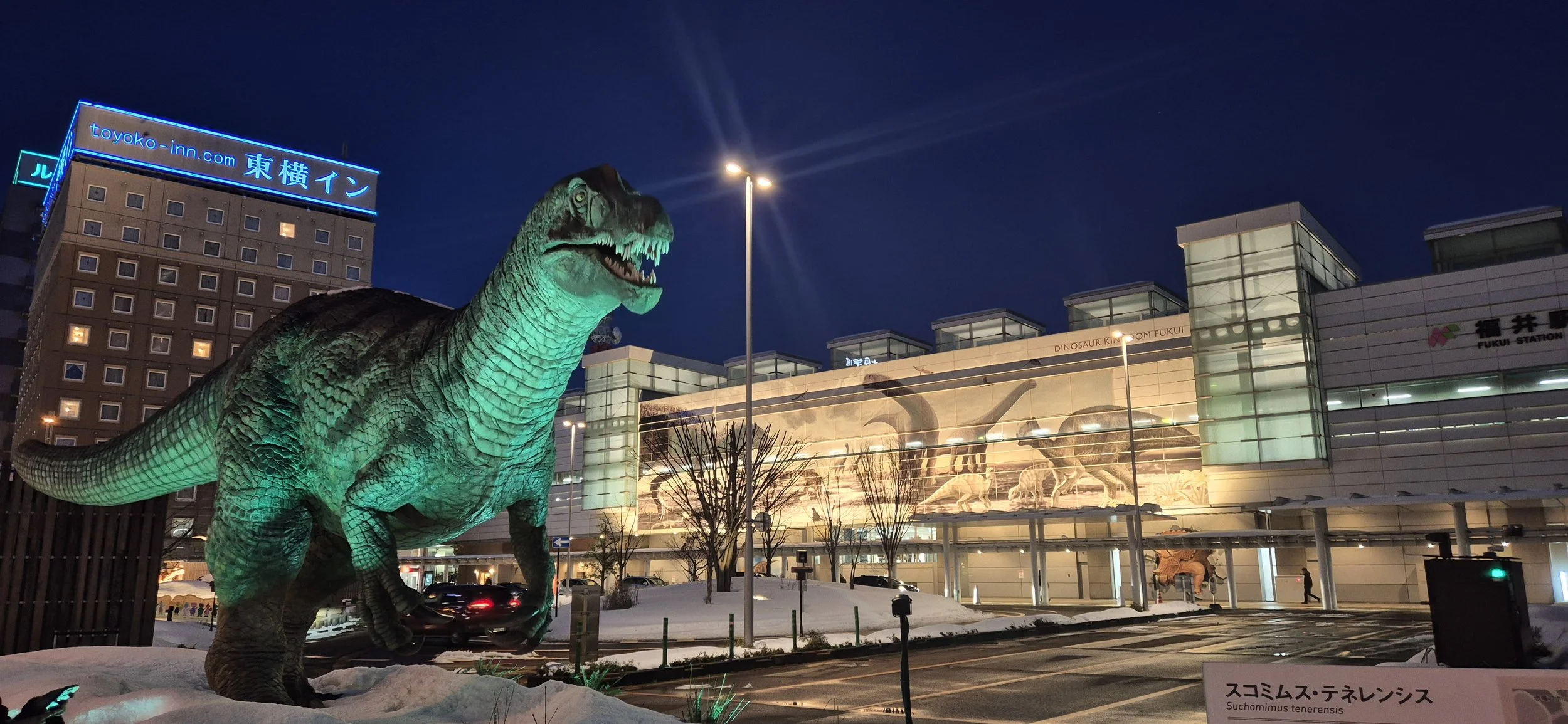
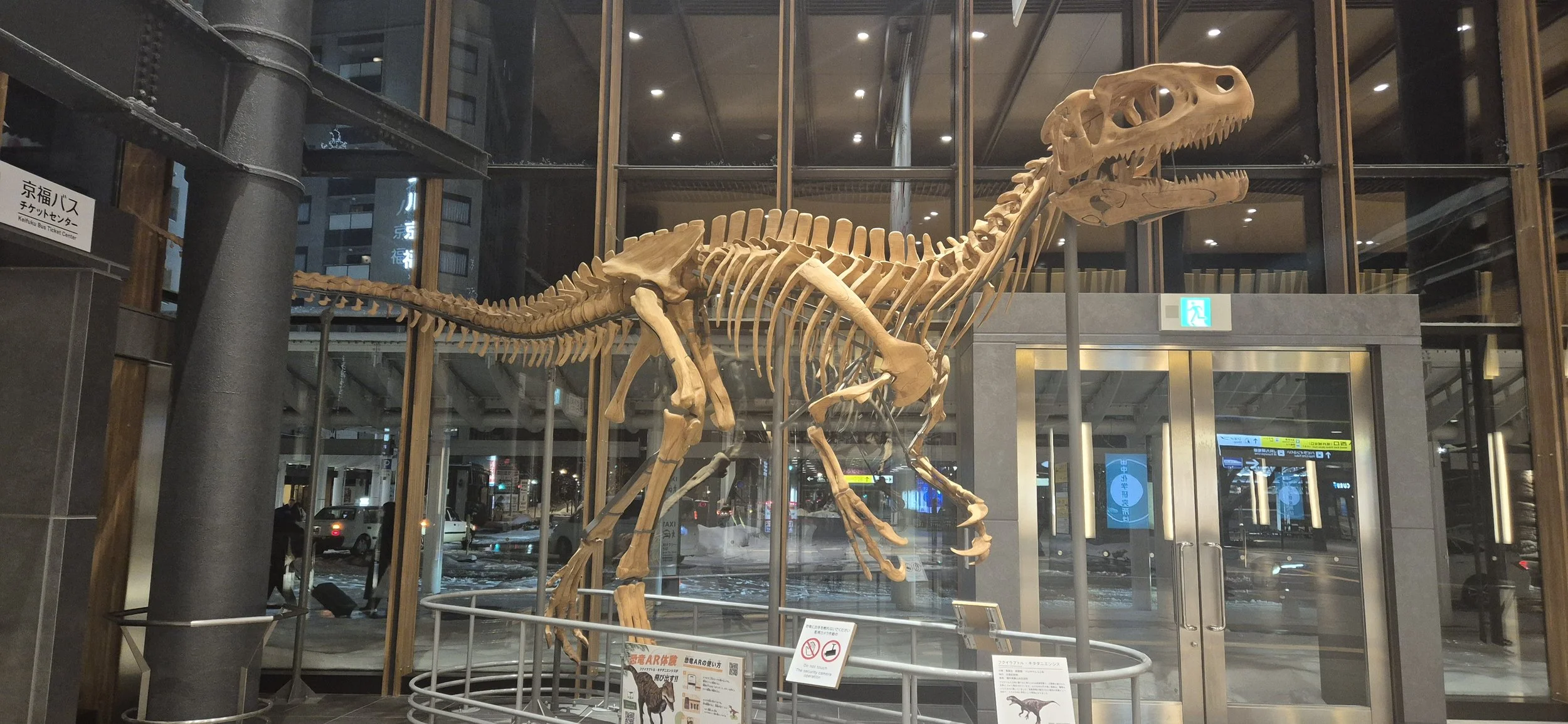
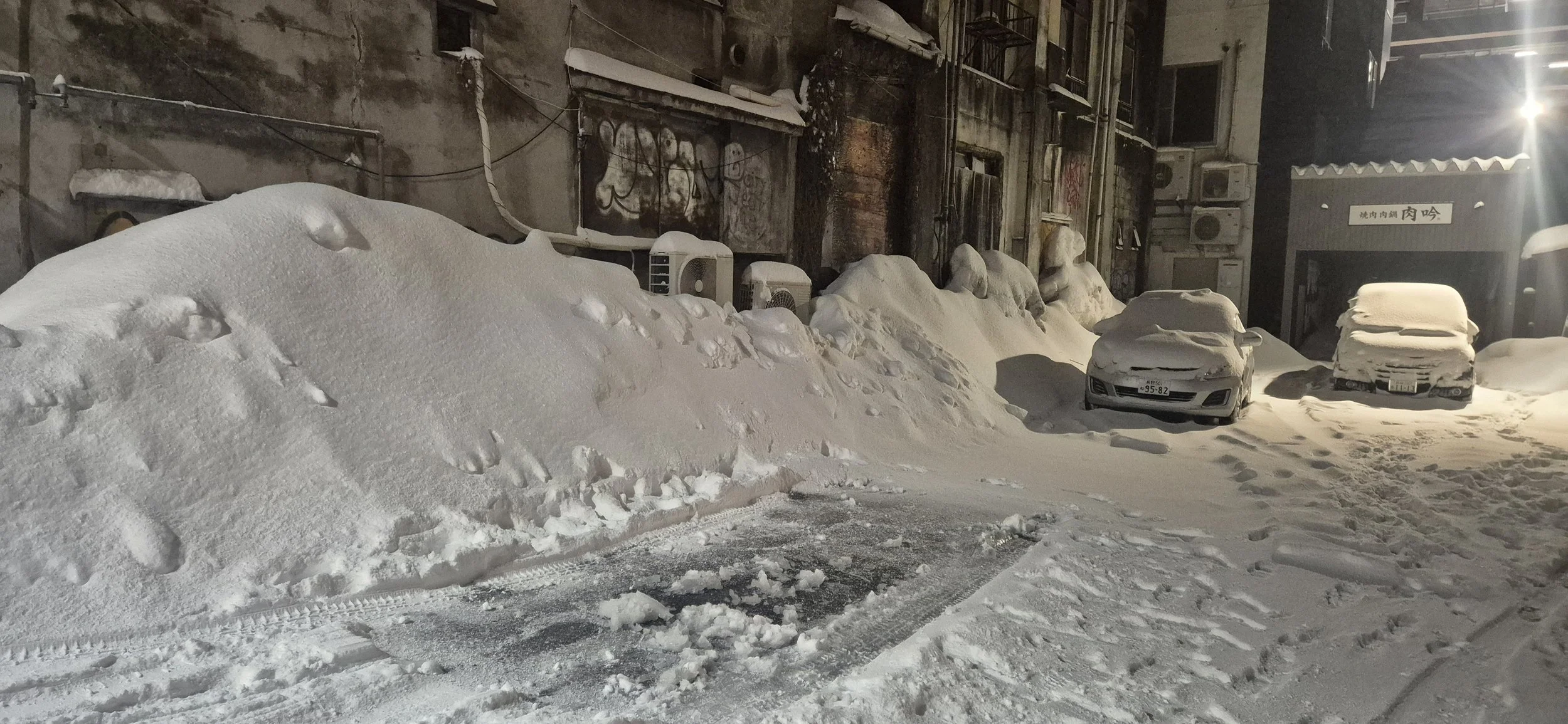
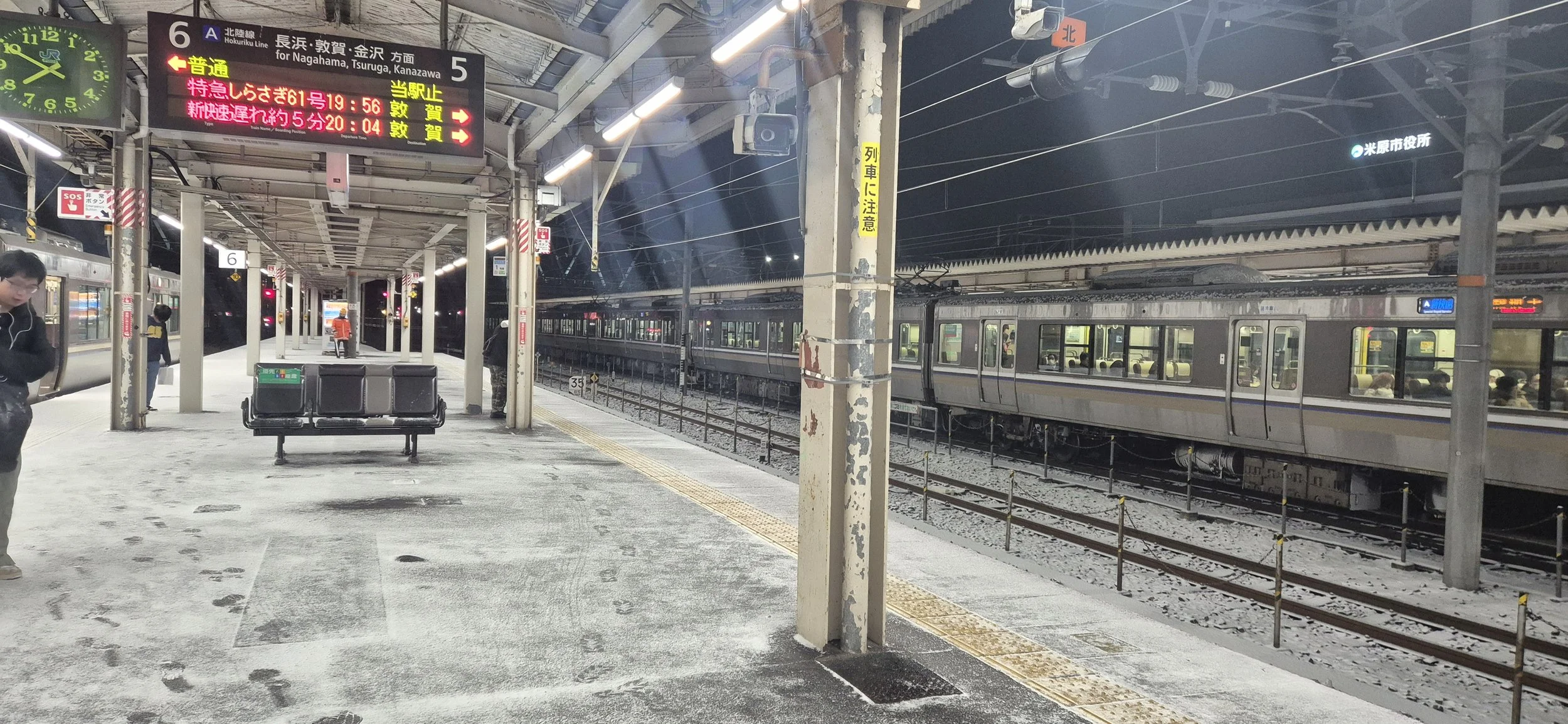
This was the day I headed to Fukui, a prefecture already known for heavy snowfall. The front brought 120 cms to the prefecture within an hour, and my trains were only delayed by 30 minutes. The city handled the excessive snowfall very efficiently and quickly. Japan’s heavier hit areas are prepared to deal with snow. Japan’s relationship with snow is an intricate one; the levels of snowfall that Aomori receives are often perilous and it has claimed over thirty lives this year. Snow is respected and celebrated in many unique ways.
The Tateyama Kurobe alpine route connects Toyama to Nagano; the road is famous for being surrounded by stunning walls of ice in the winter period. The pass is viral, and images showing great towering walls of ice enclosing the road create incredible photo opportunities. The road opens on April 15th, and the ice wall can be seen into June. In Miyagi, there are the Zao ice monsters, a forest of trees which become clad in snow and freeze, creating a surreal sight. Japan has many ice forests that can be seen in heavy snow areas, which are worth venturing out for. Many of these places can be reached via tours. However, one of these spectacles can be reached within an hour of Tokyo. Saitama prefecture has a manmade icicle forest called the Ashigakubo icicles, found in Yokoze. These can be enjoyed easily without a car or heading to the more polar locations.
The most famous snow festival in Japan is the Sapporo snow festival which takes place yearly to celebrate winter and snow. The festival is split among three sites and hosts brilliant snow sculptures and intricate ice sculptures. Every year, national and international artists clamber to sculpt impressive works in hopes of claiming the top prize. This event is free to experience; however, hotels and flights skyrocket anywhere up to 9 months prior. Visitors should commit early and book far in advance to avoid paying 100k for a hotel which usually costs 20k.
Japan prefectures which face the Sea of Japan are where most ski resorts can be found; these offer excellent powder snow and spectacular mountain views. In Saga, many high school trips are to ski resorts so students can learn skiing or snowboarding and make fun memories. Especially in Saga, where snow is not common. It is fair to say that because snow is an integral part of life in many prefectures, Japan does very well at winter sports. So much so that it does very well at the winter Olympics, I write this a day after Japan won its first-ever gold in pairs figure skating. Japan has also hosted the winter Olympics twice, once in Sapporo and the second in Nagano; the old venues can still be visited. From spine-chilling winters to melting summers, Japan experiences both extremities of temperature. Whilst reviewing forecasts before my Fukui trip, I noted temperatures on Hokkaido’s tallest mountain hitting minus 22 near its ski resort.
Winter in Japan is beautiful, and I fully recommend it be experienced at least once by enthusiasts. Each season in Japan offers new experiences, sights and flavours. So far, I have experienced Japan’s snowy side in both Hokkaido and Fukui. Winters in Japan in Kyushu are bitterly cold, but it rarely sees snow. There are only two ski resorts in Kyushu after the third in Saga closed permanently. Southern Japan experiences very little snow and is often more dominant in water sports. Meaning Japan is well-rounded, doing well in both the normal and winter Olympics. During the winter, days are shorter but not as short as in the UK, where the popular meme is a person wakes up in the dark, see the sun at lunch and will then blink for it to be dark again.
In Japan’s snowy regions, food too is shaped by the weather, and one experience that was life changing for me was the first time I had soup curry in Hokkaido. The dish is perfect for winter, where temperatures struggle to climb above 0 in the day. This dish has a kick and is not for the faint-hearted. Thankfully, spice levels can be adjusted to suit your tastes; however, scales vary by establishment and with-it being Hokkaido’s local dish places selling it are numerous. Just because level 5 destroyed your stomach at one place, it does not mean the 5 at another will be the same. Soup curry became one of my favourite Japanese dishes, and every month or so, I take a trip to Fukuoka to enjoy it.
In these wintery prefectures, warming foods provide comfort and a respite from the cold. It tastes different and provides a new experience when you are snowed in. In Fukui I enjoyed yakiniku a cuisine I have had numerous times but after a long walk in the snow the food tasted different and the vibe of the meal was cosier. Warm foods such as ramen and consommé are more comforting and perfect for warming cold hands and bodies. Whilst in Hokkaido I enjoyed warm consommé and croquettes which are the perfect size to double as a hand warmer.
Contrary to one’s natural response to crave hot foods in the winter in Japan it is very common to see ice cream sales increase during the winter. Cold foods are often enjoyed during the snow as they encourage the bodies core temperature to rise to combat the cold food being consumed.
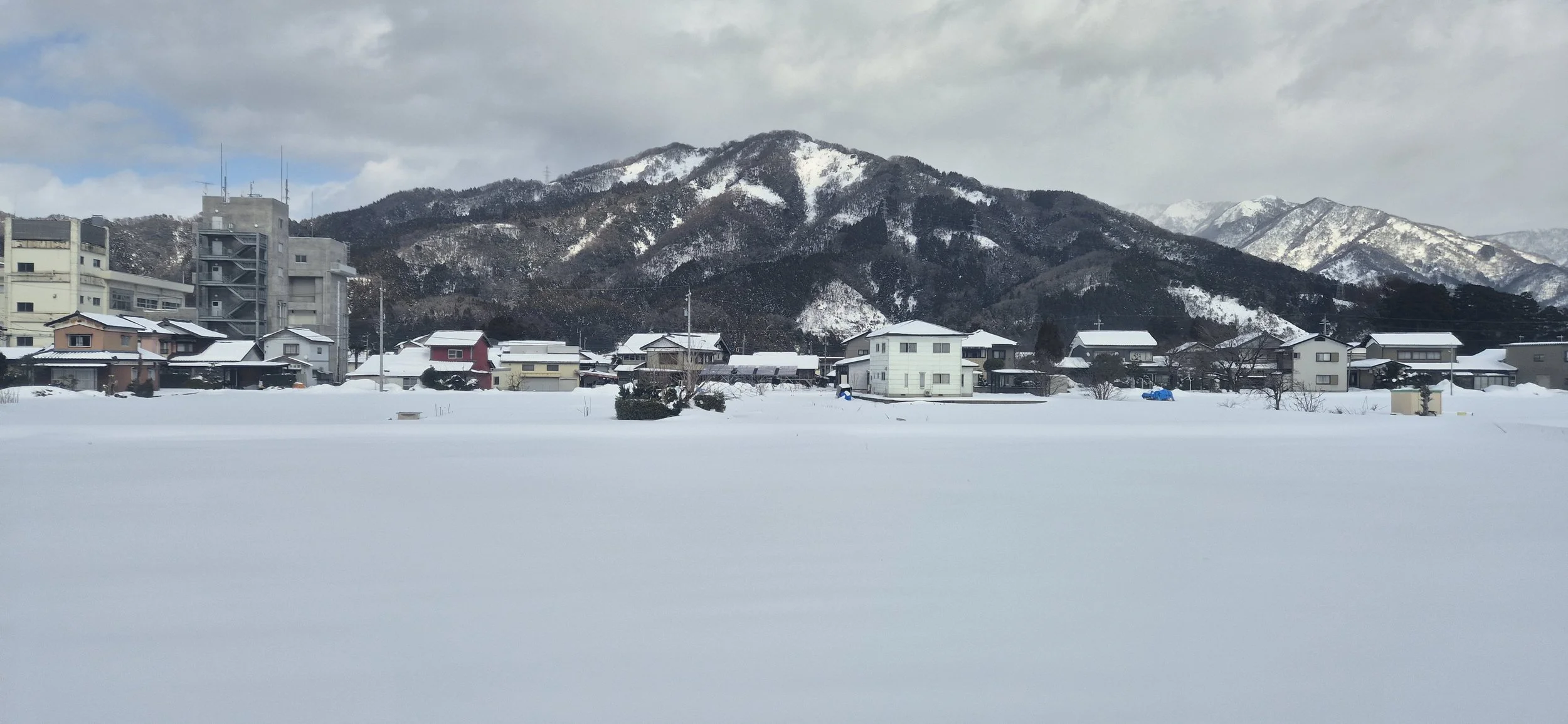
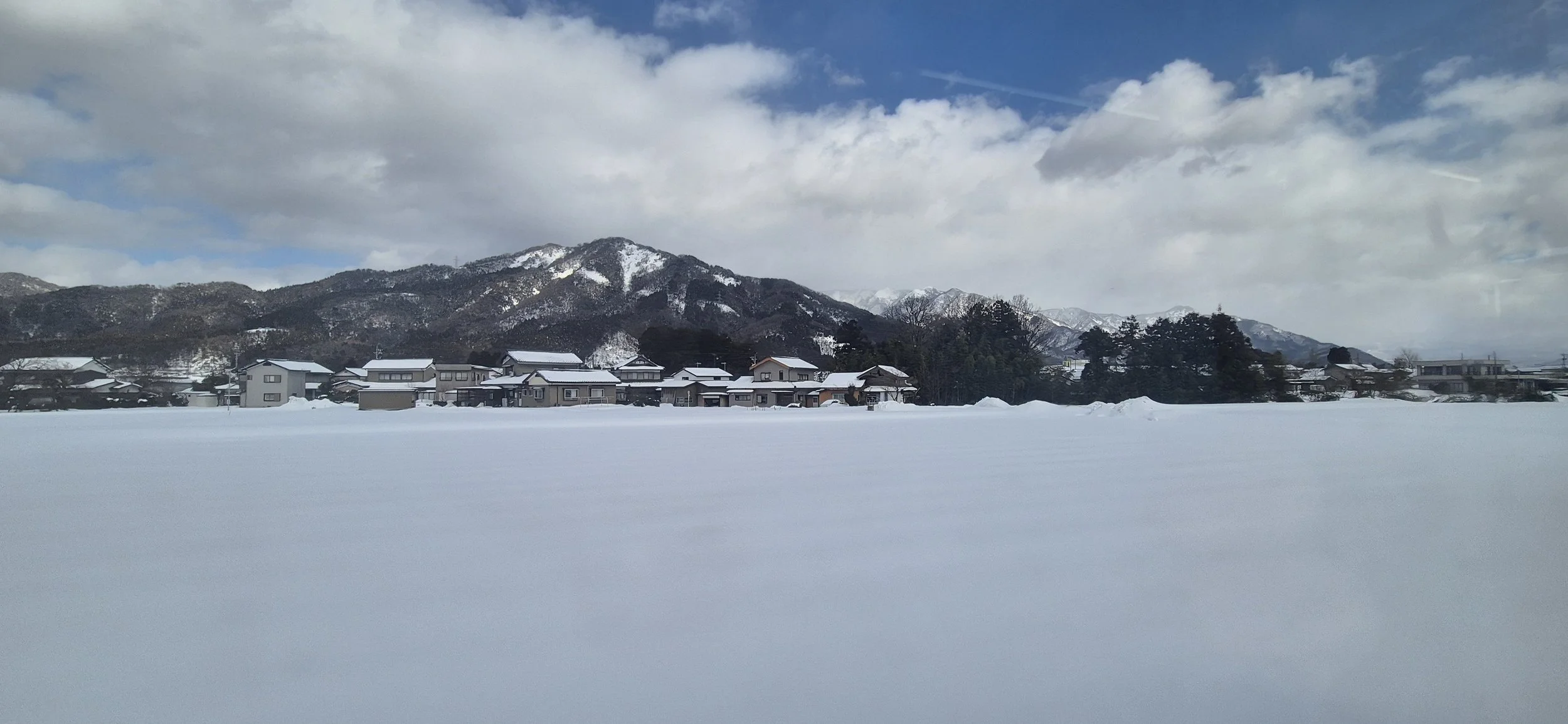
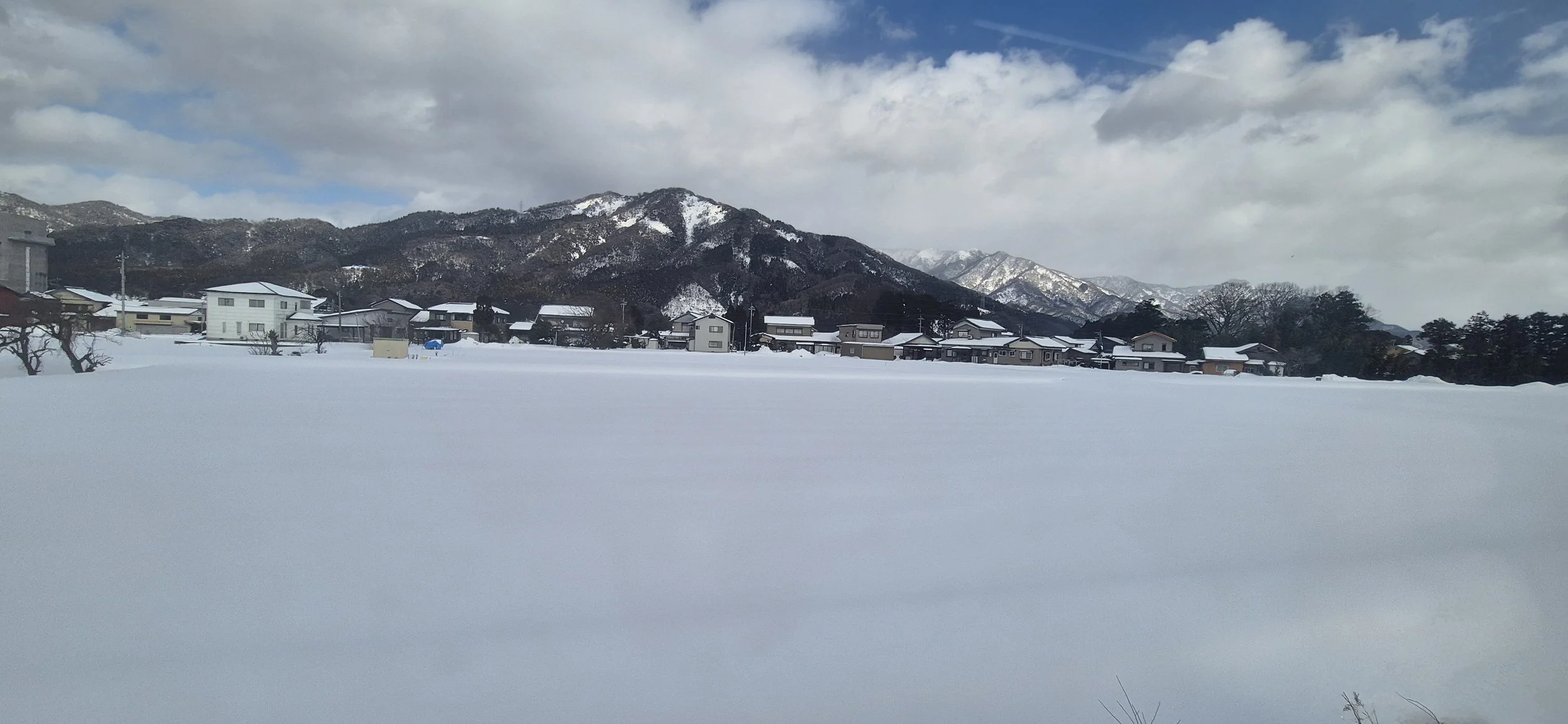
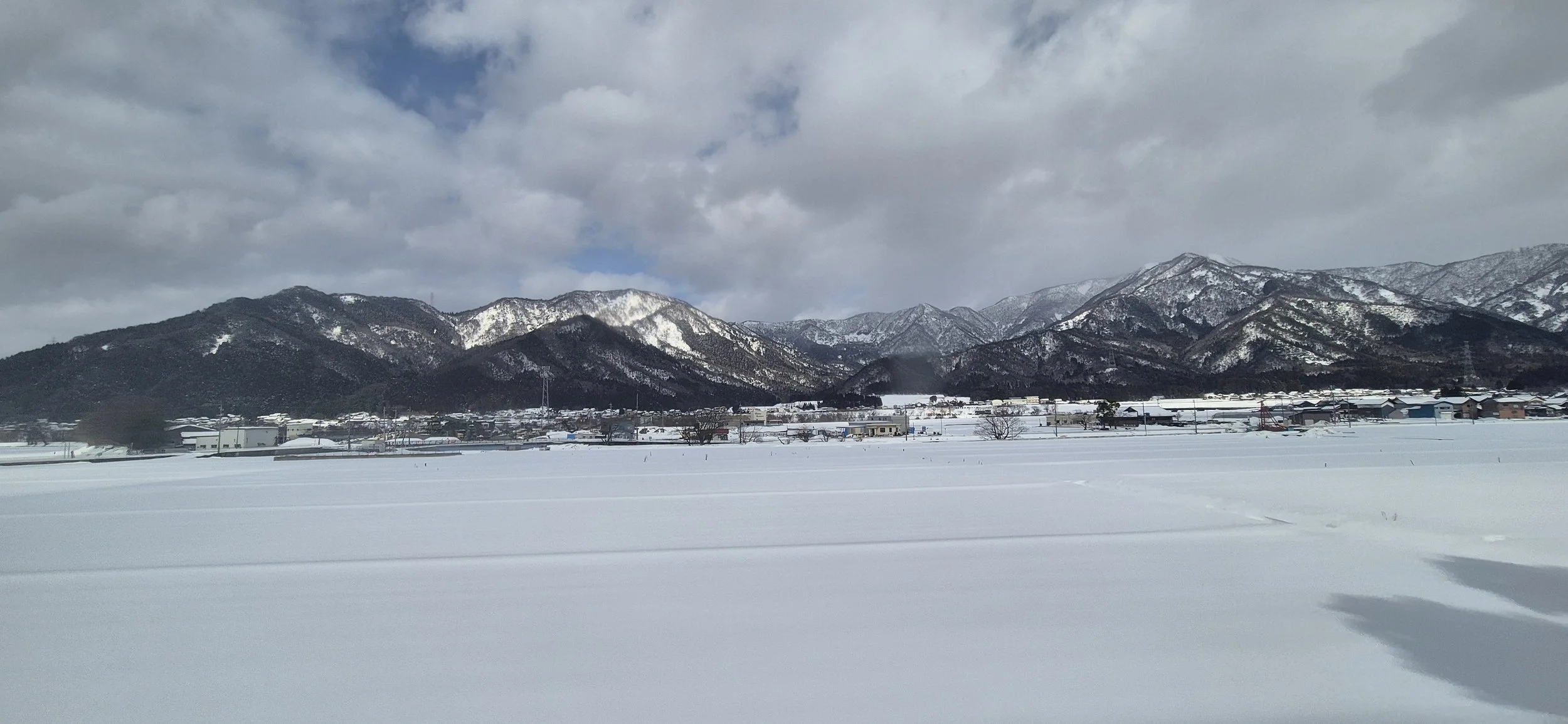
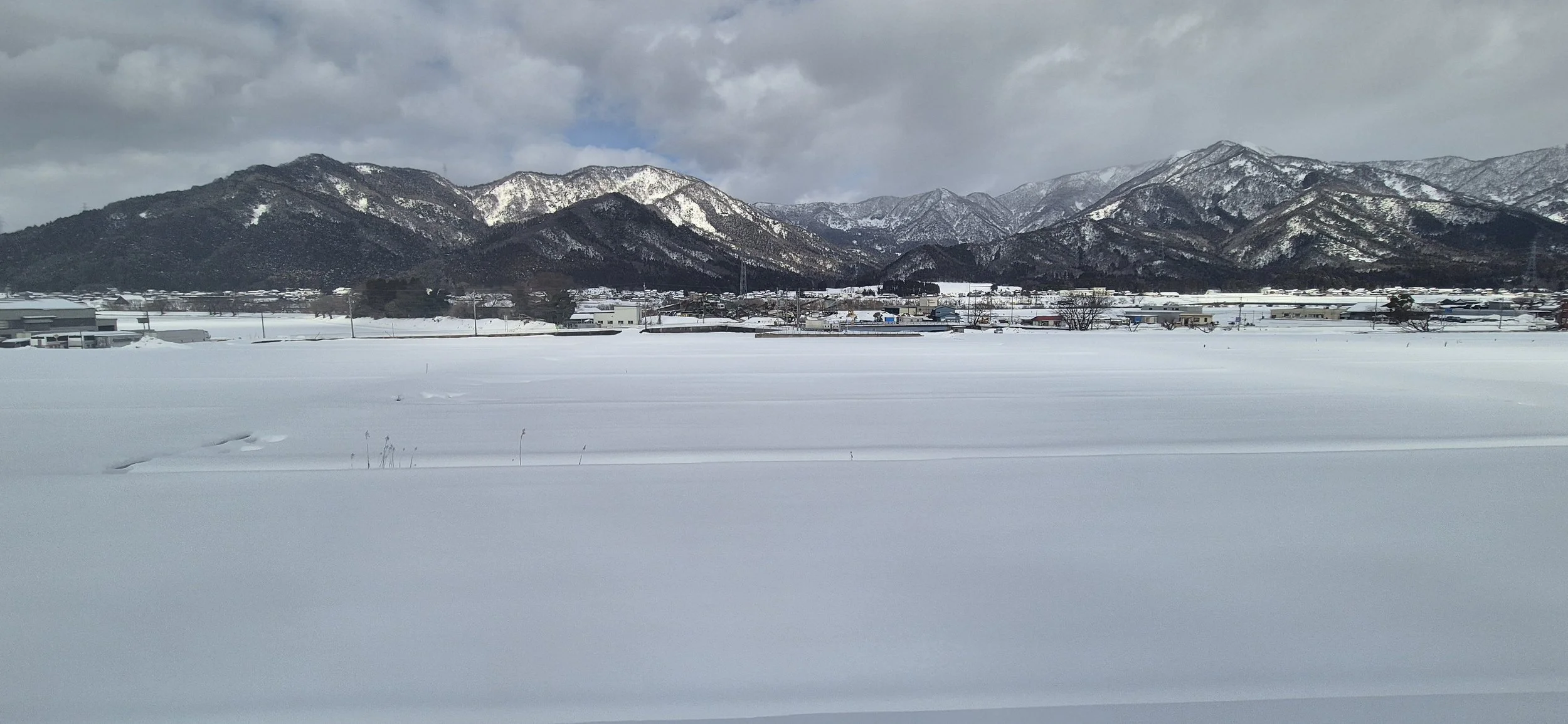
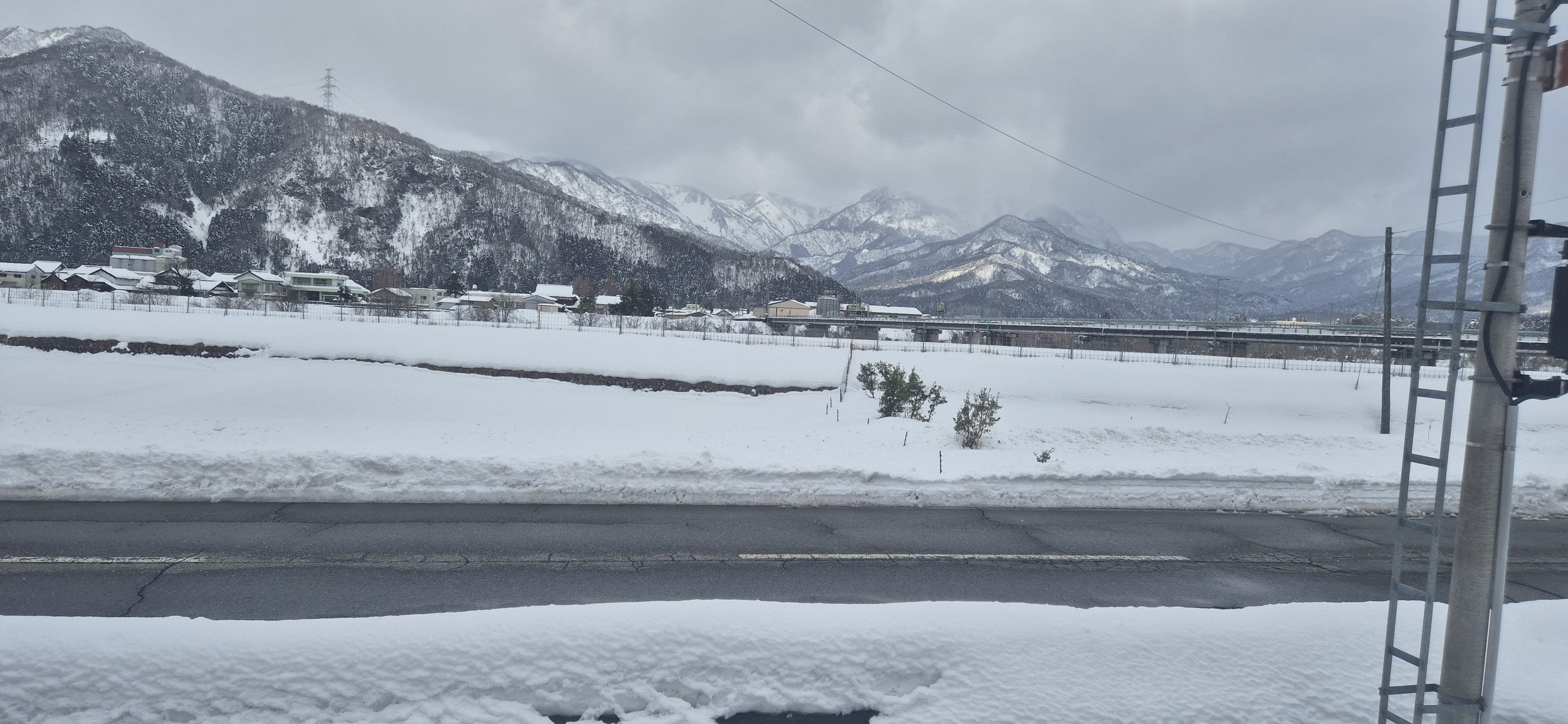
Asides this Japan simply looks beautiful covered in snow from picturesque protect villages such as Shirakawa-go to its stunning mountain ranges covered in snow. Exploring Japan in the snow is an entirely different experience, and you will come to appreciate how warm public transport can be. In Fukui I took some local trains and was treated to long train rides in rural areas I could see fields and fields of pure untouched snow. Houses were covered in a thick blanket, and only major roads were clear. The scenery was mystical. I believe I enjoyed my trip even more because of the snow. The snow created a magical landscape where tall mountains overlooked a vast sea of untouched snow. Icicles hung down from signs and roofs and people were bundled up. Along the coast, the snow stretched out alongside the sea, a sea of white would turn into a sea of dark murky blue.
Japan’s relationship with snow is one of respect and admiration. It is part of the culture of Japan and the festivals that celebrate it are a must see. I hope at the very least this blog has been informative and inspires you to look at some wintery Japan images whilst you relax with a hot drink warming your hands.