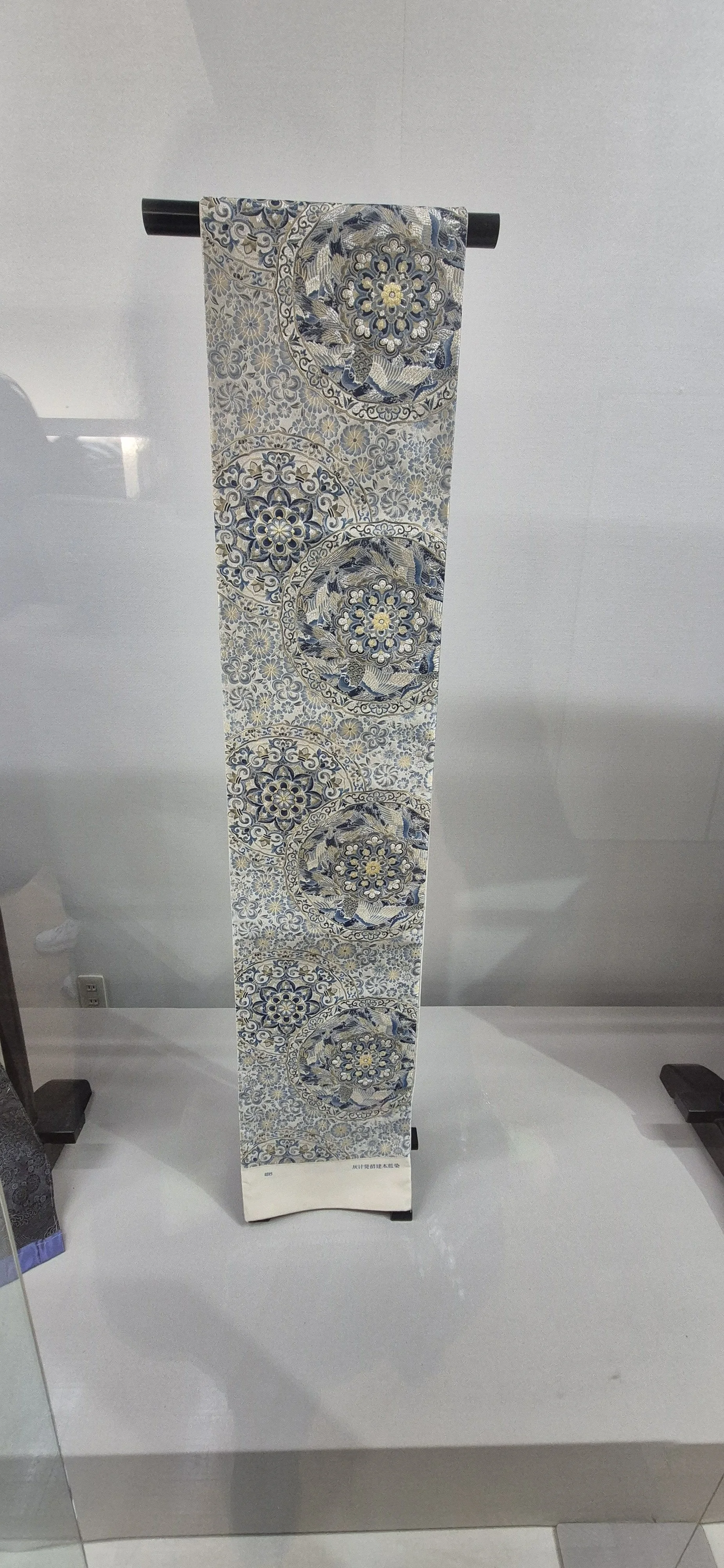
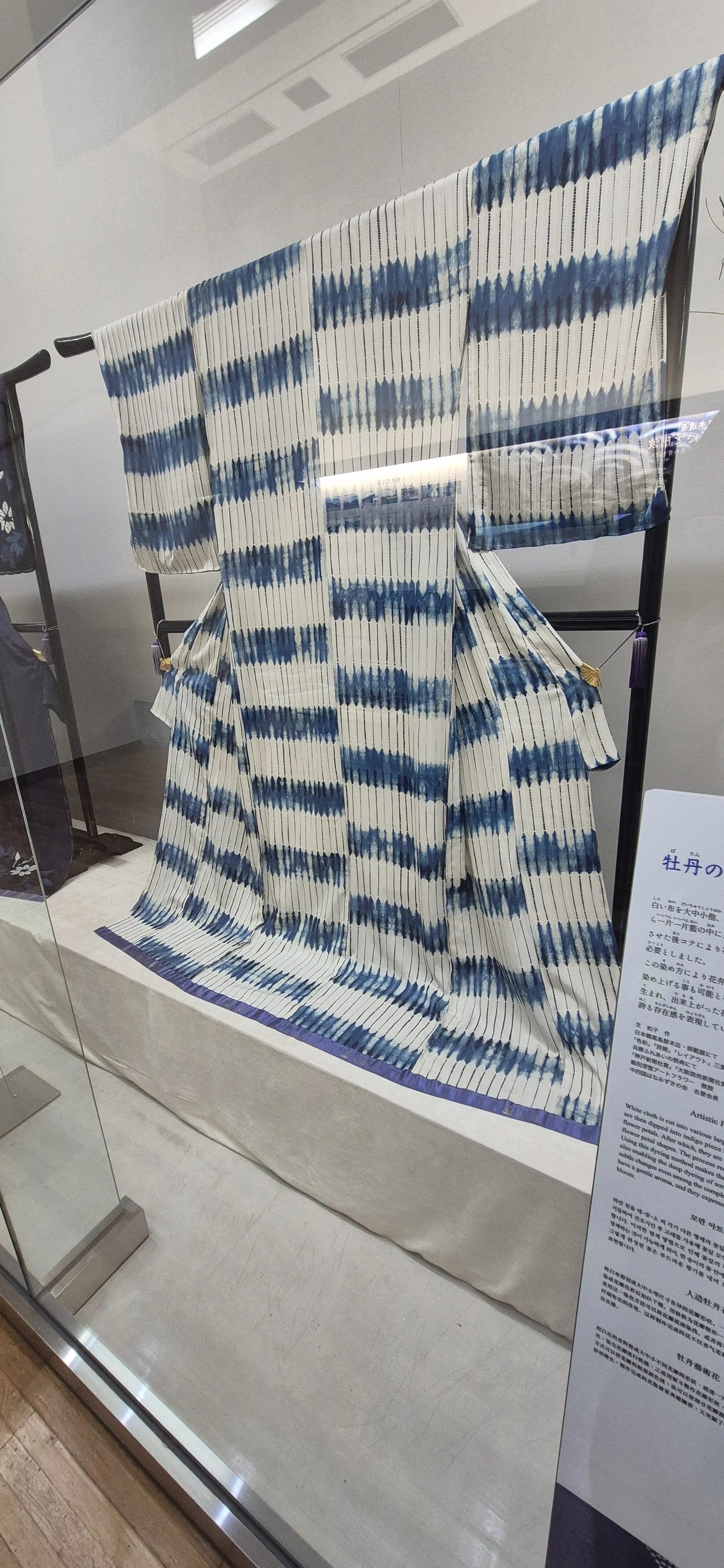
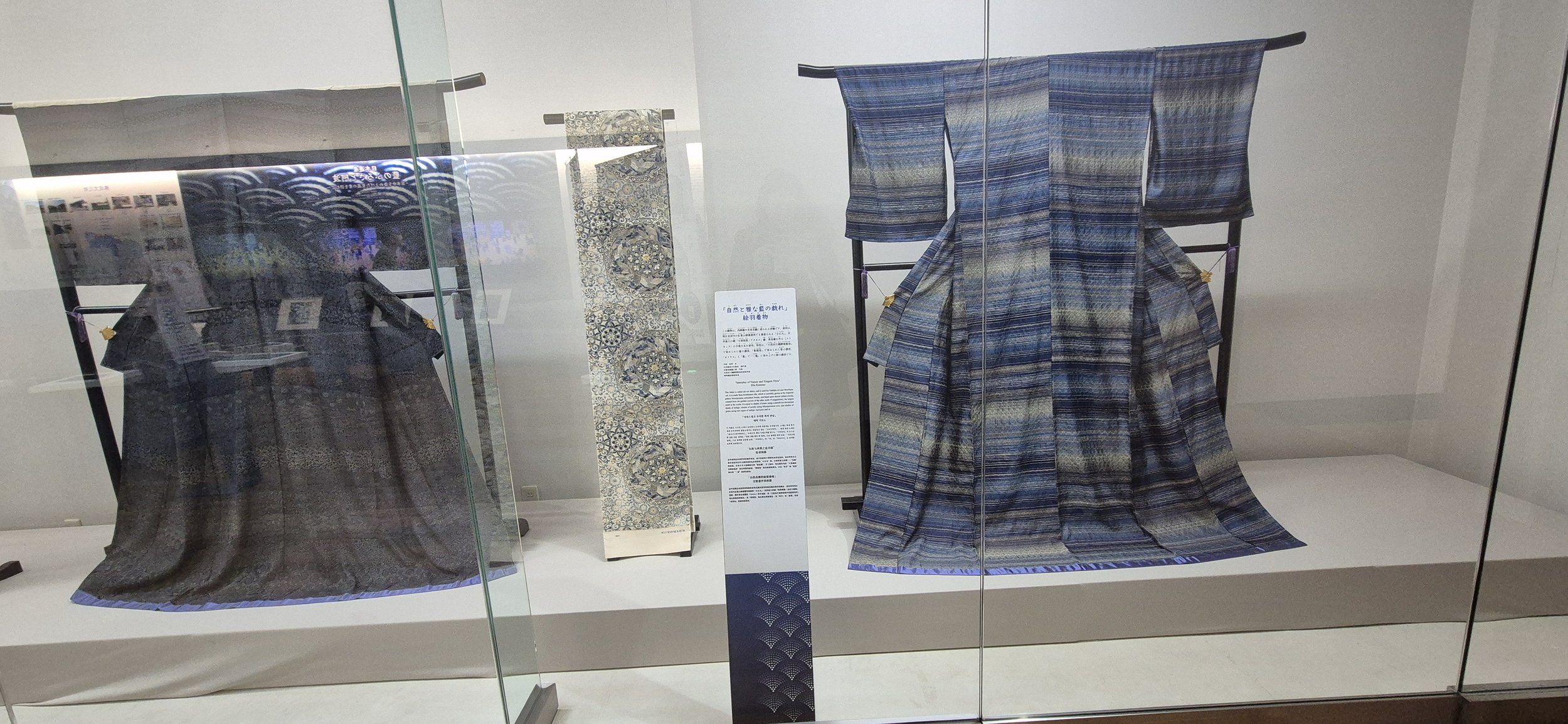
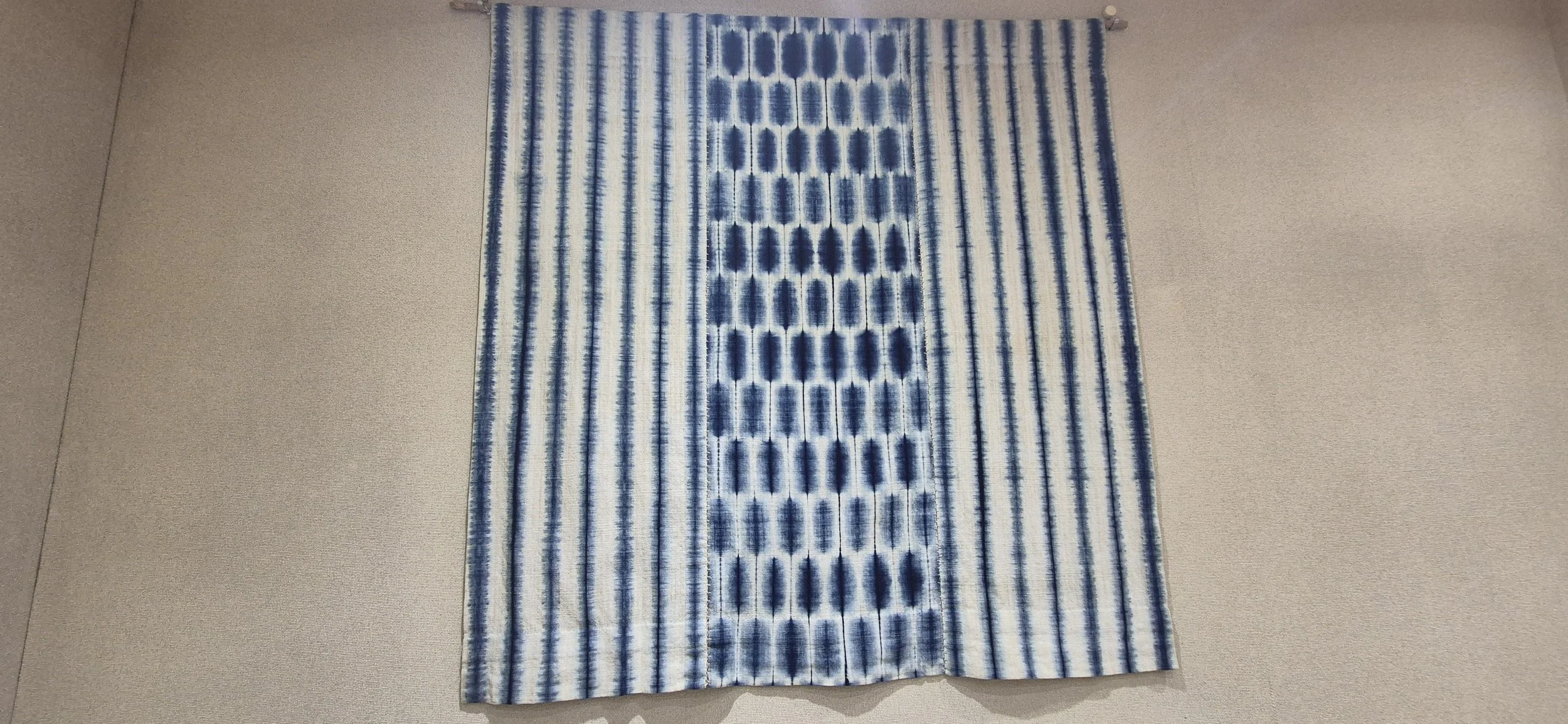
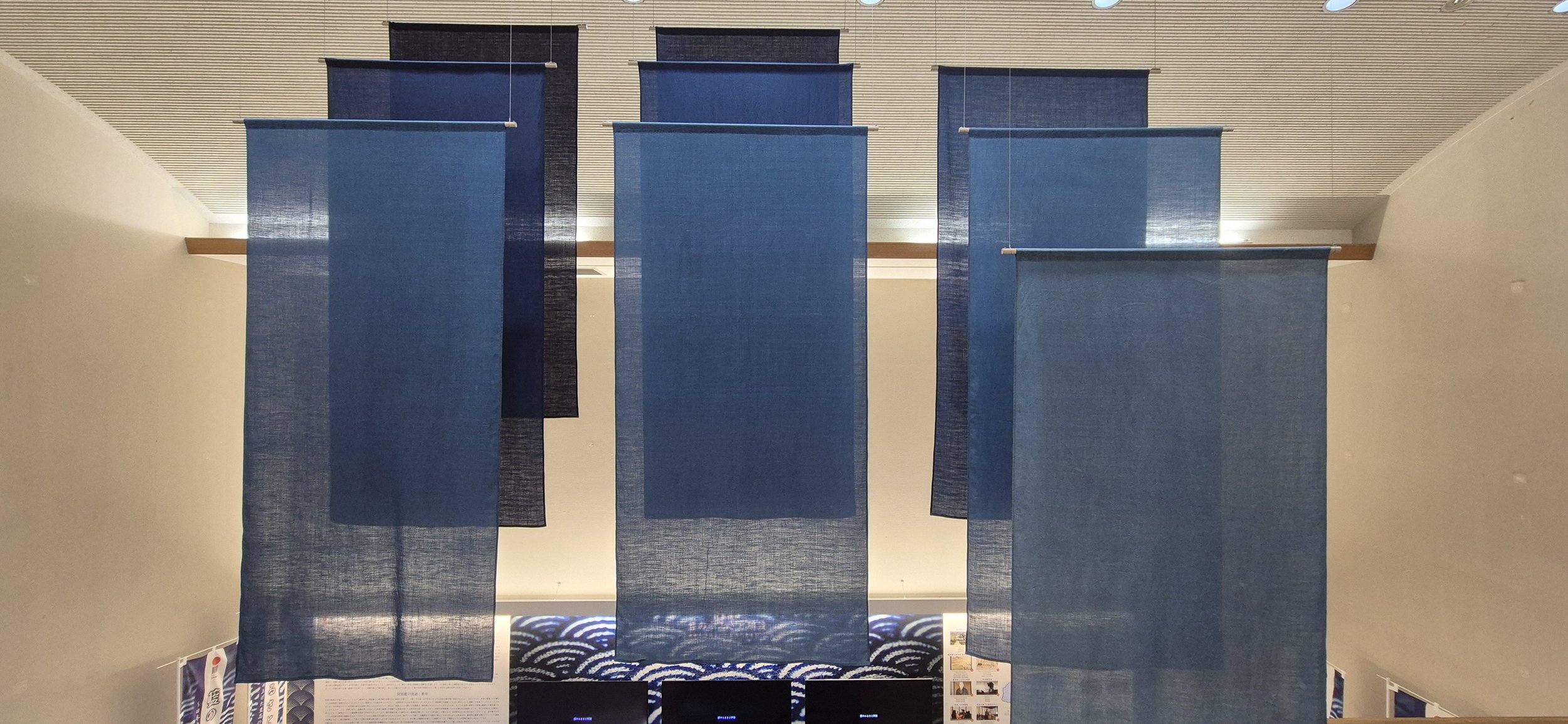
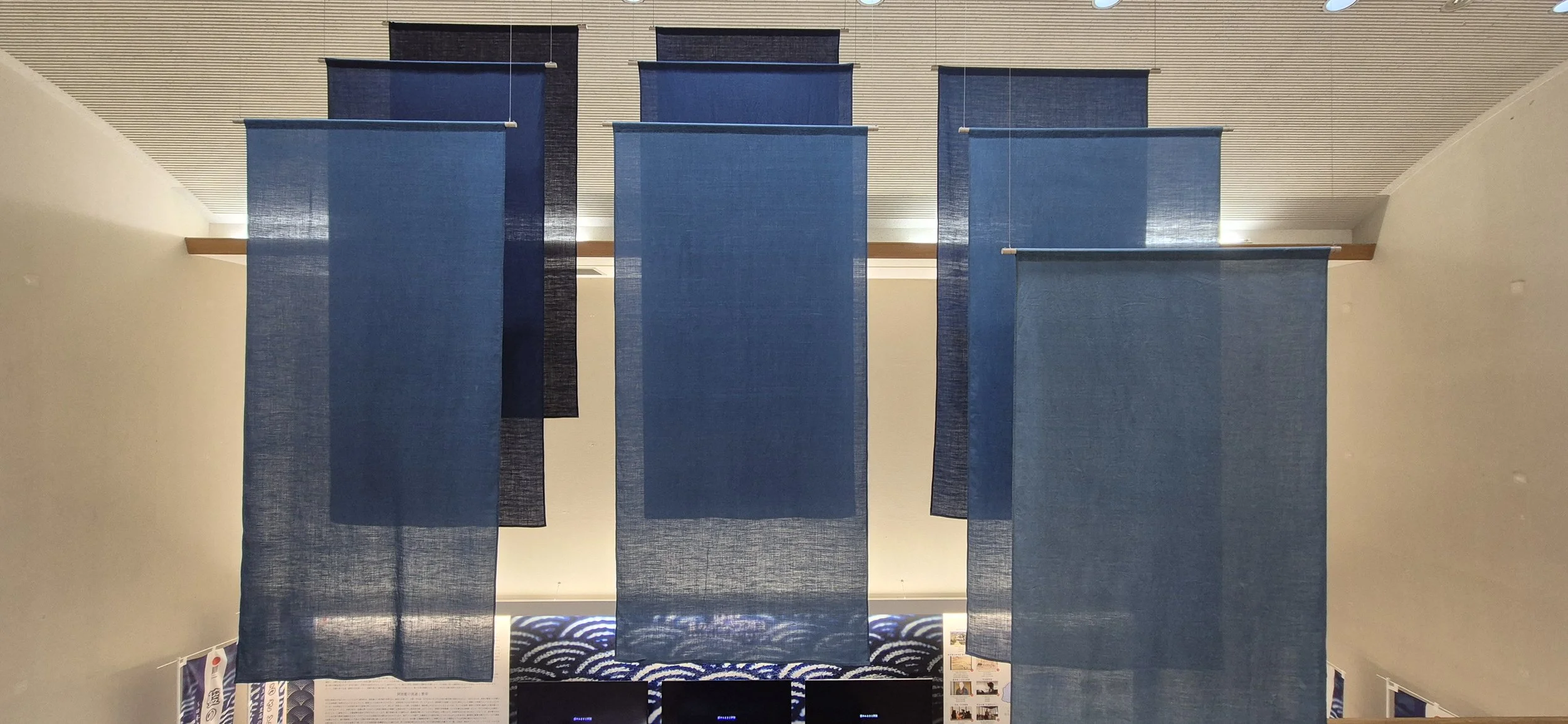
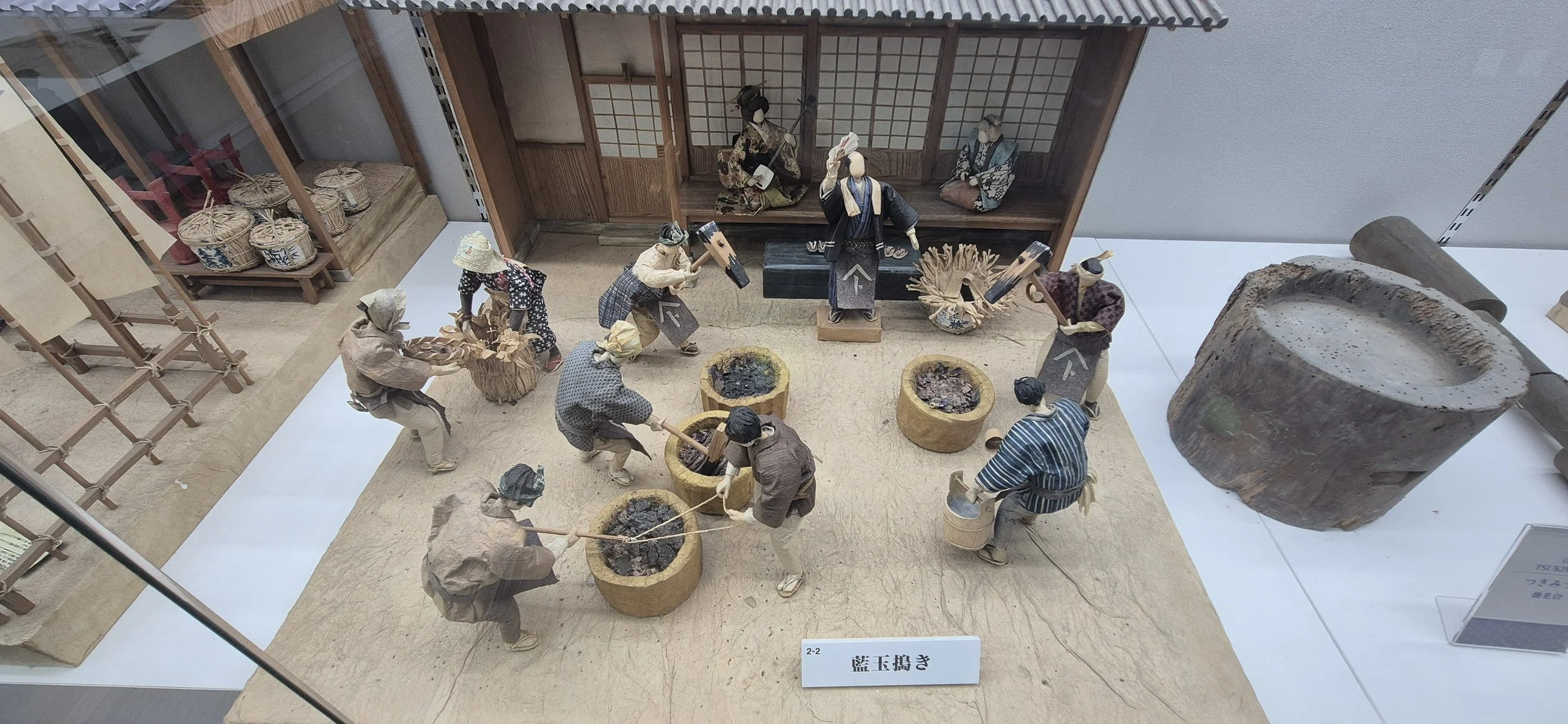
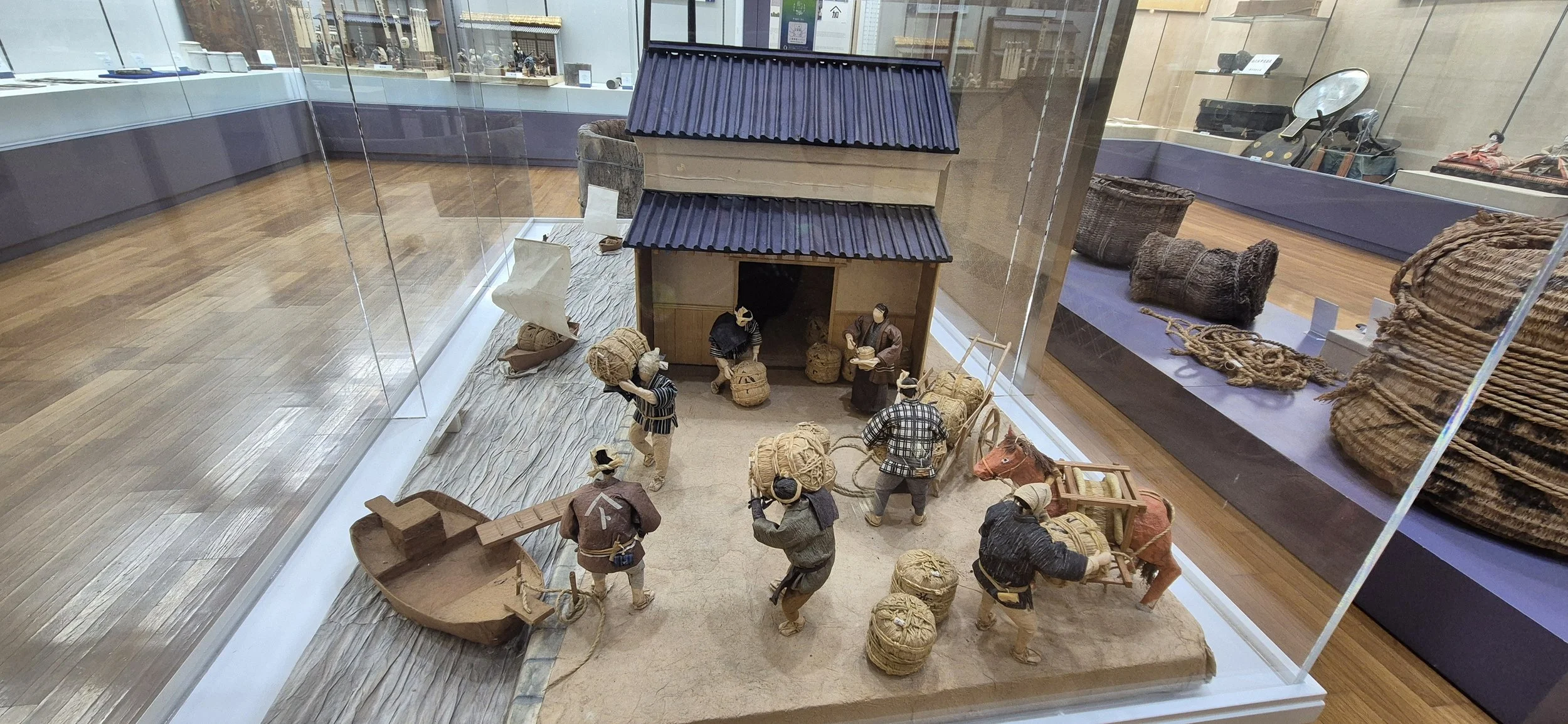
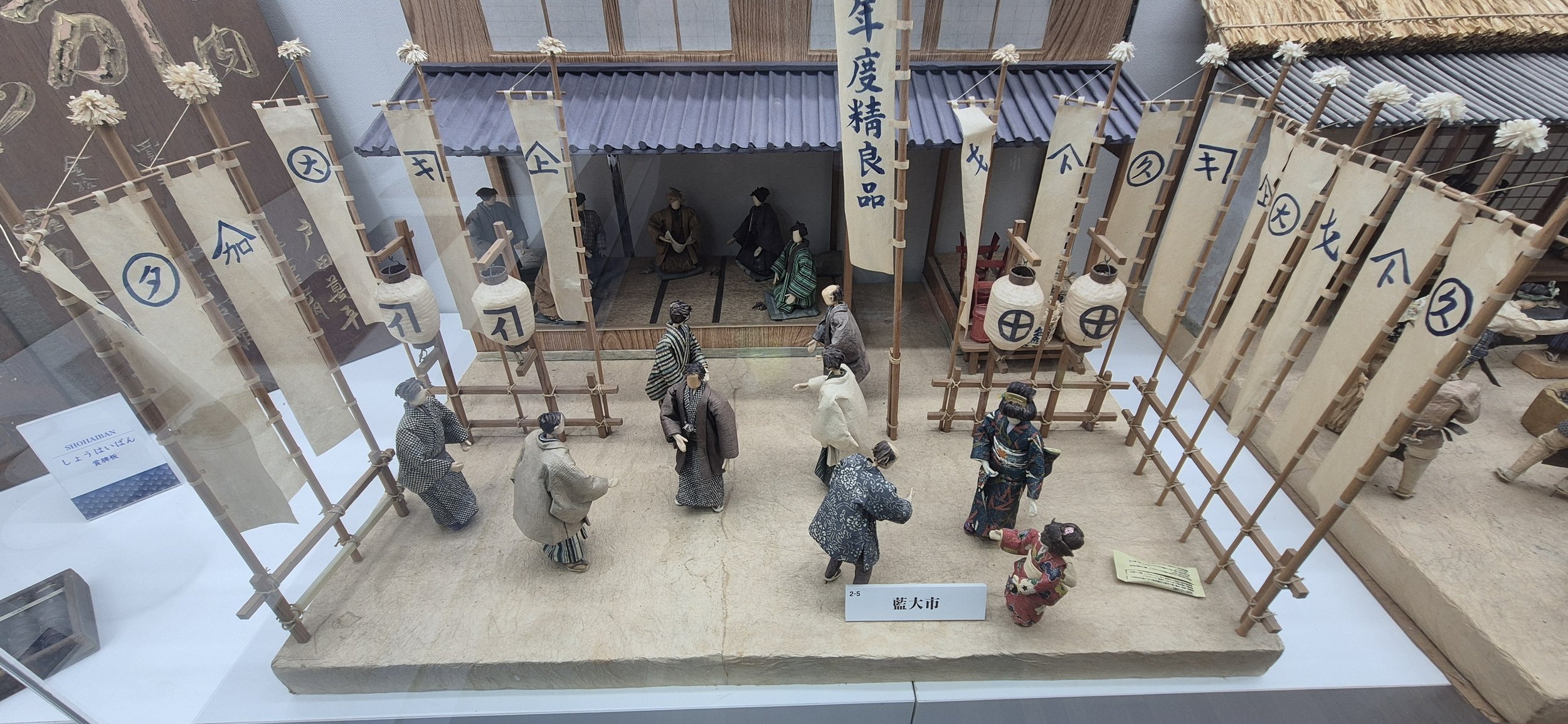
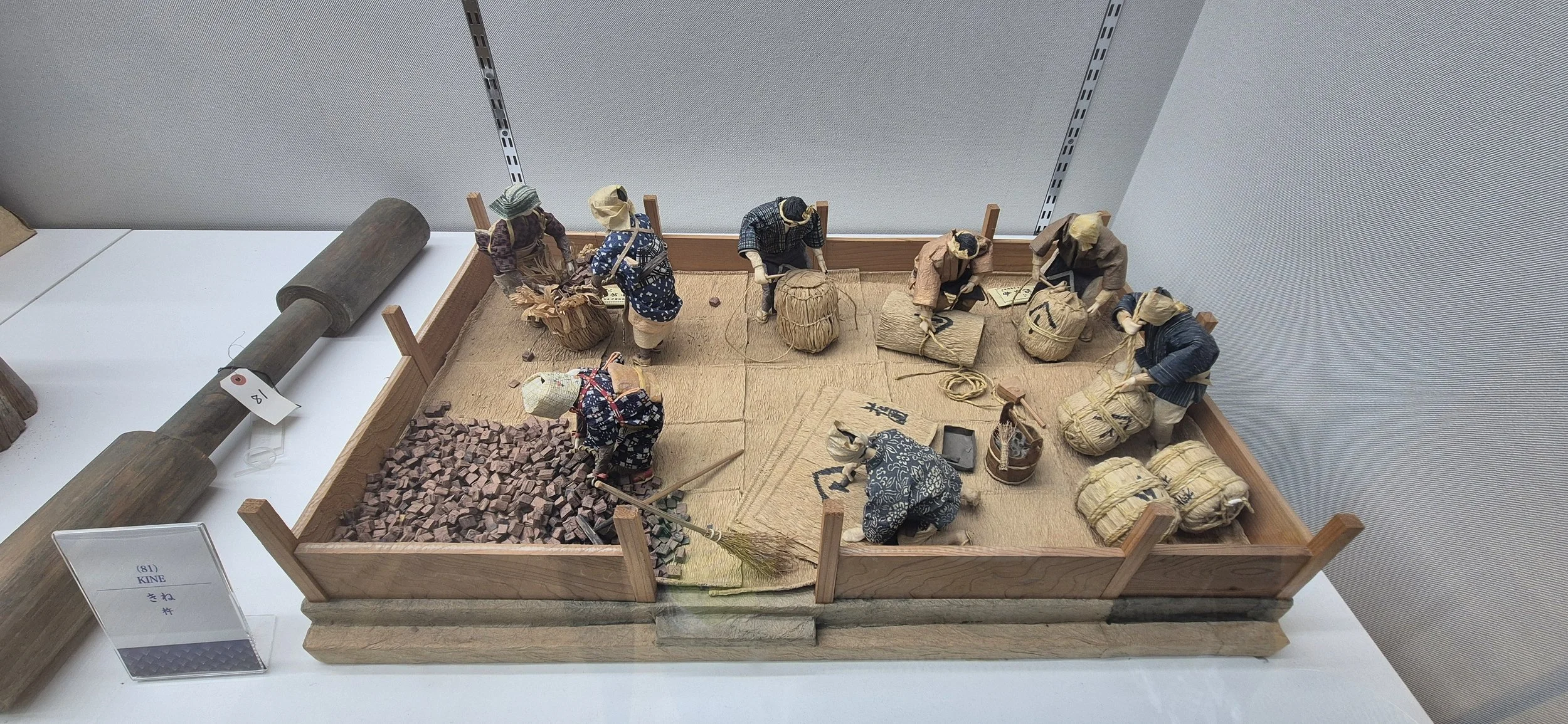
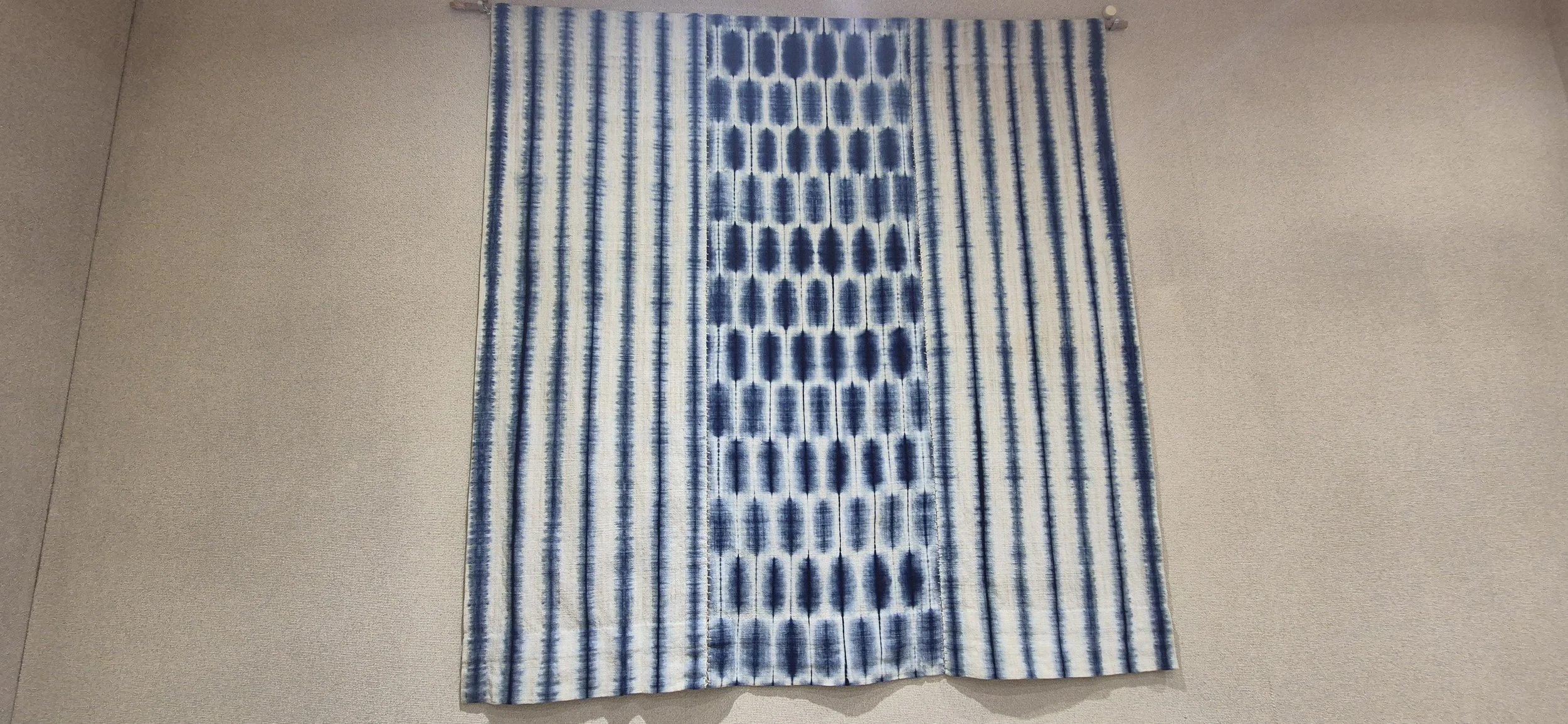
Known as Awa-Ai, Awa being Tokushima’s old name, indigo production flourished for around 250 years from 1603-1868. Yoshino river is an integral player in Tokushima’s flourishing indigo industry the river is prone to flooding which keeps the land very fertile and perfect for agriculture. The famous Japan blue was harvested here and grew into a very rewarding industry for the prefecture. It was then shipped across the country making the sellers very wealthy. Over 500,000 kgs of indigo was grown a year and Japan blue became cultural heritage. Japan blue was used in many ways from dyes for kimono and fabrics, inks, glazes and pigments in paint. Thus, giving life to many artefacts and cultural pieces from the past, it is easy to see why it was recognised as a cultural protected heritage.
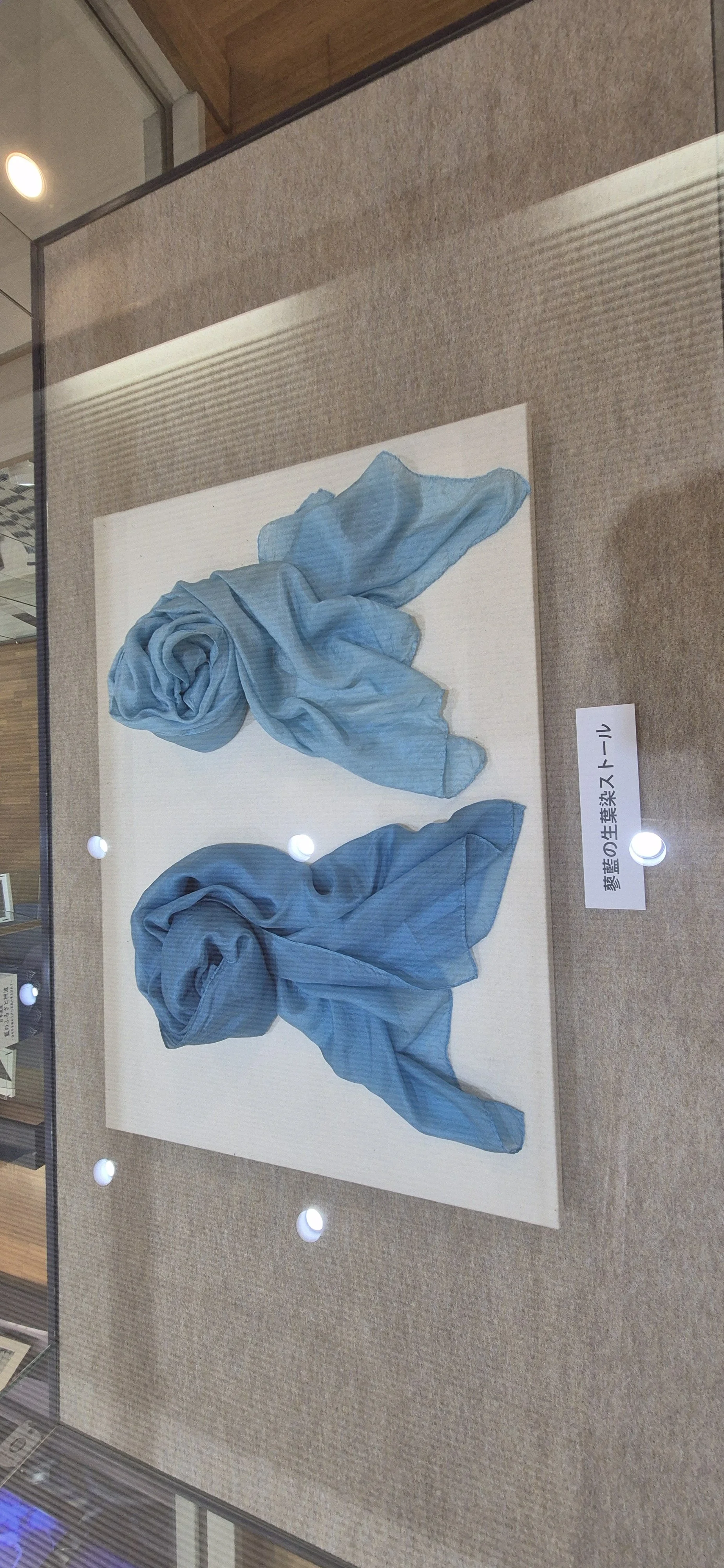
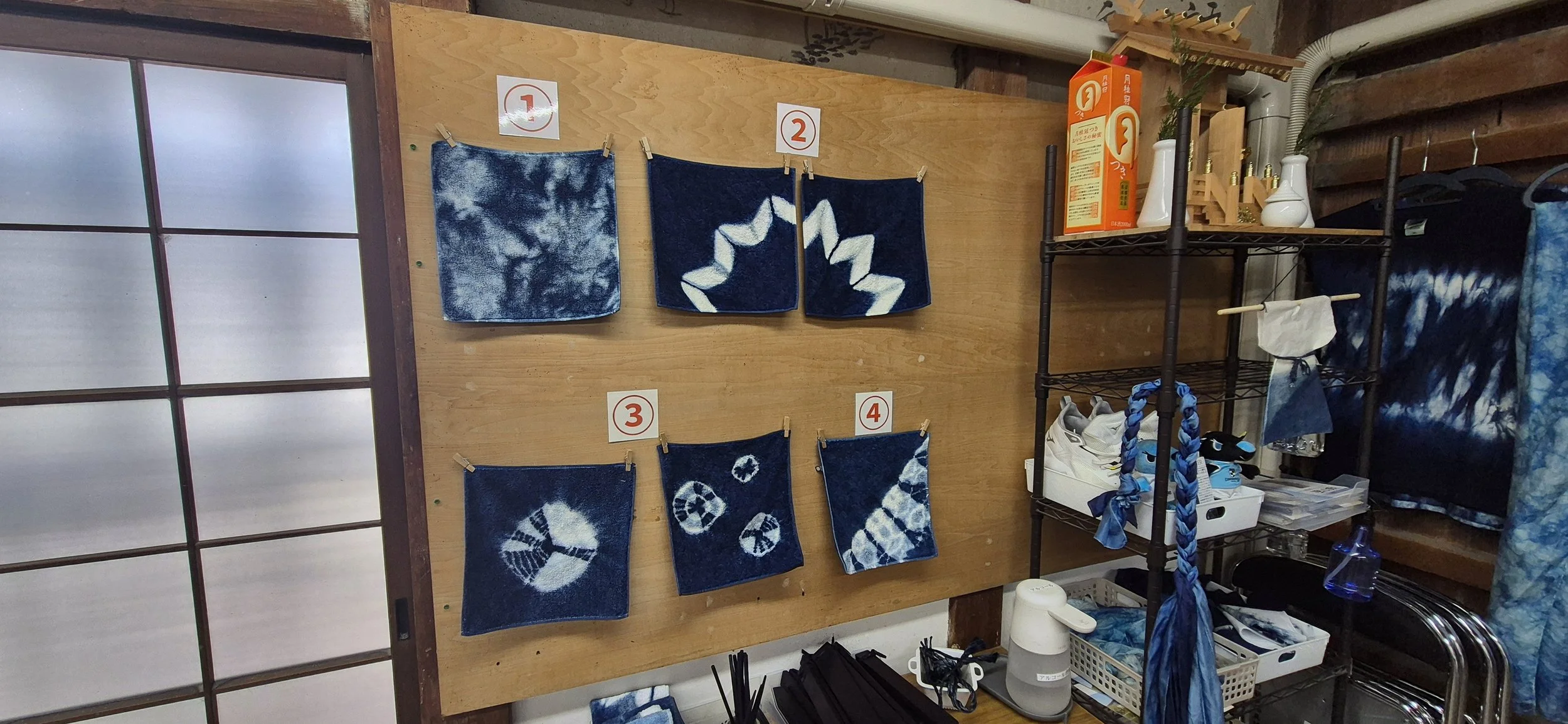
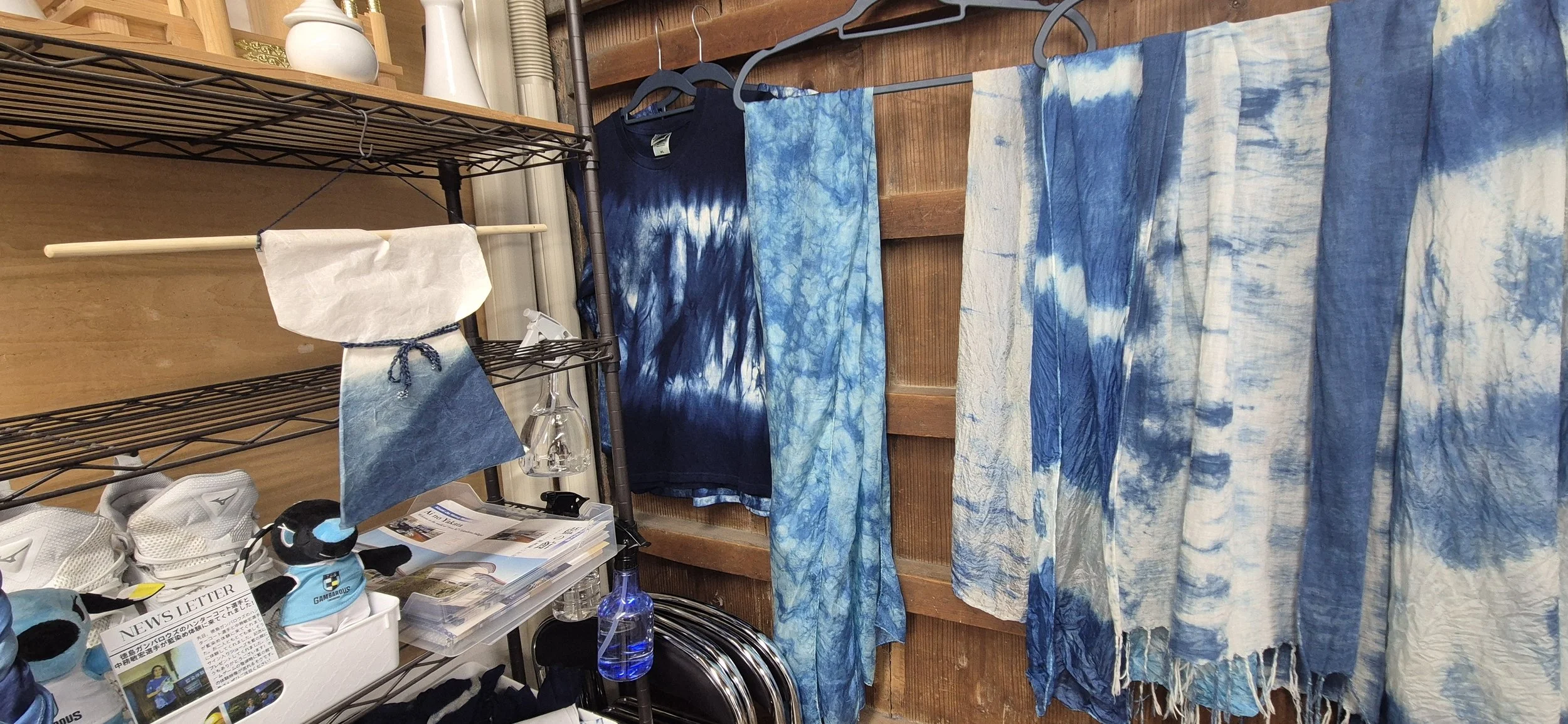
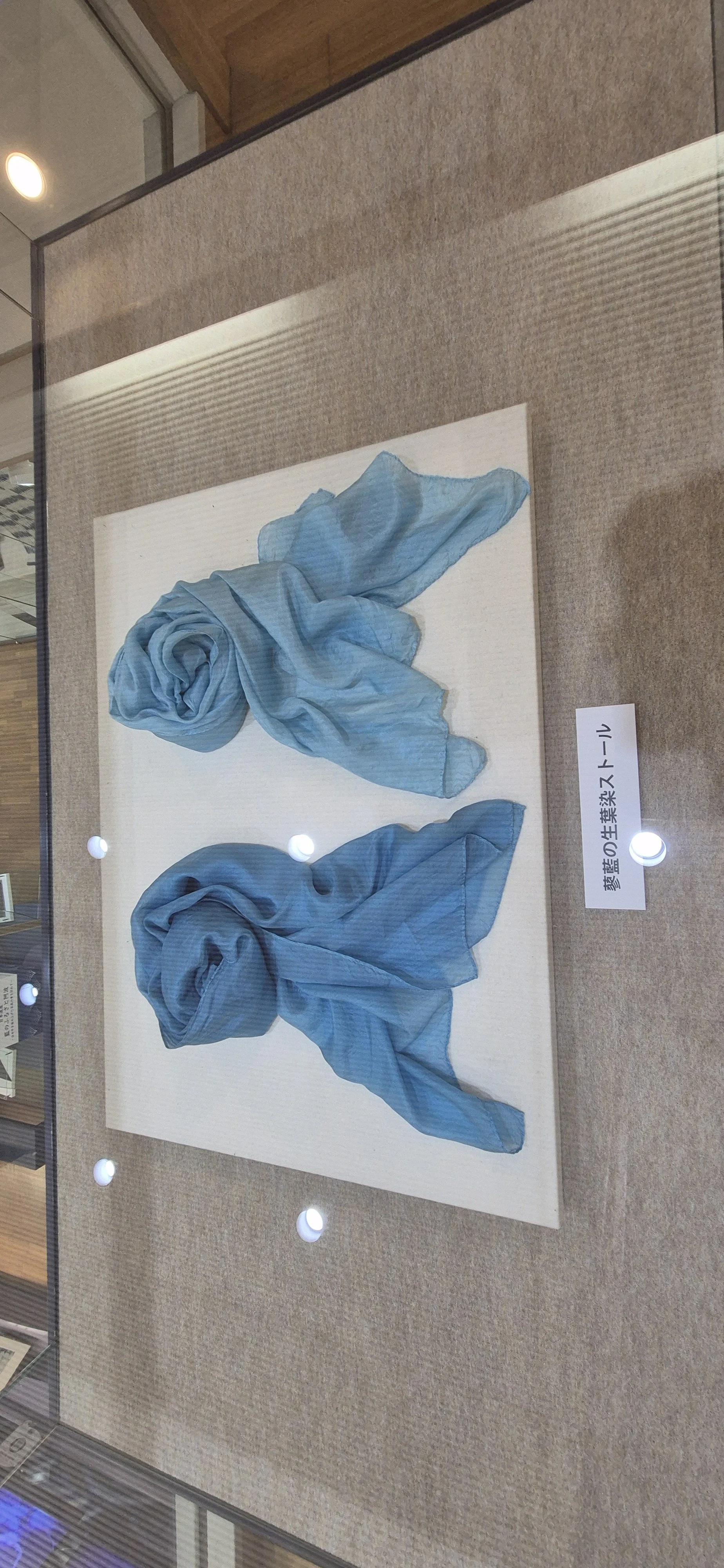
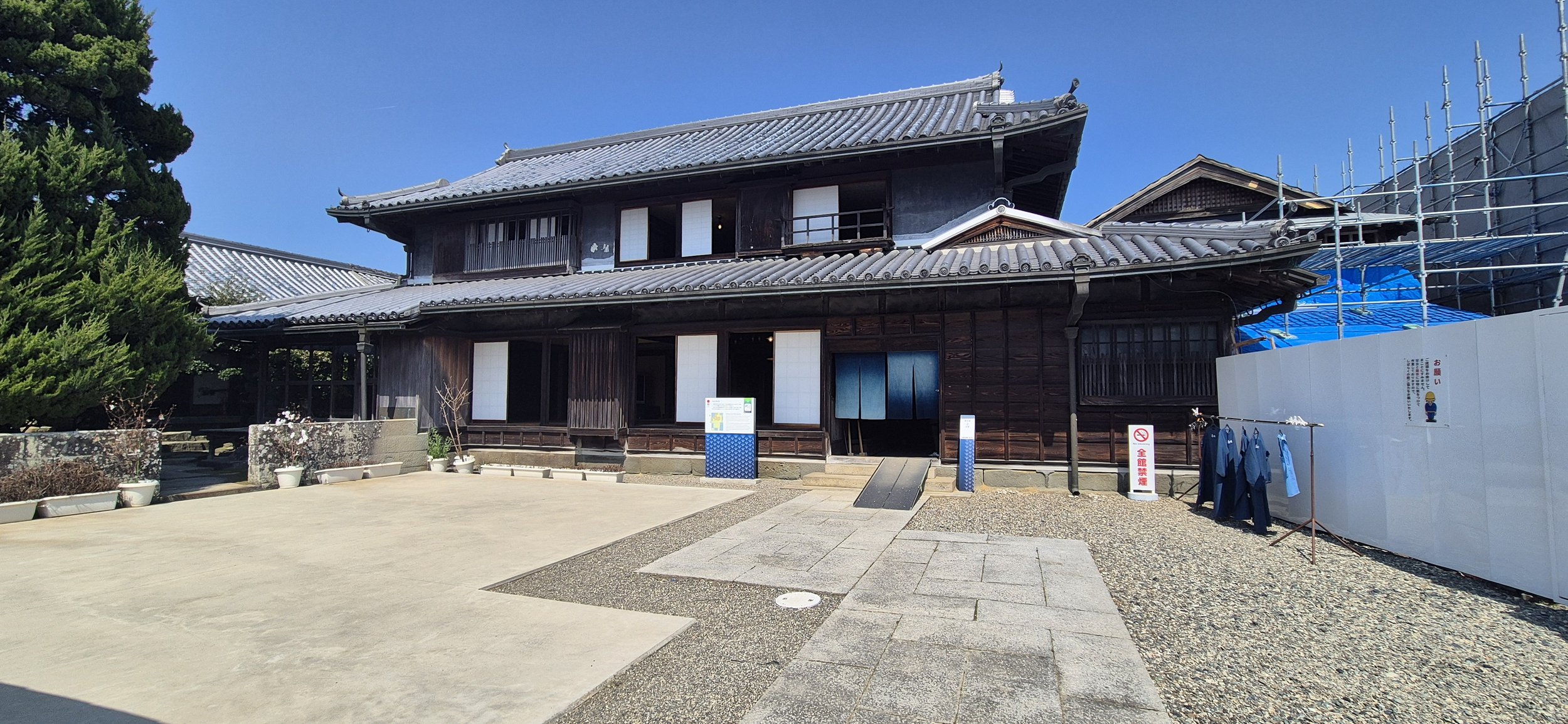
Japan blue declined over the more recent years however recently a boom in popularity has seen Japan blue used in more specialised and high-end market designs. All of which sell for a pretty impressive sum. Japan blue is now considered designer and luxury. For those visiting the prefecture you can learn all about Tokushima’s blue past and even try your own hand at dying your own souvenir at Ainoyakata. The museum is within a beautiful historical complex which belonged to a renowned indigo family. The family invested in the museum to keep the tradition alive and allow visitors to try their hands at the technique. You can choose from a handkerchief, scarfs in different fabrics, shawls and some other smaller items each making a unique personal souvenir from Tokushima.
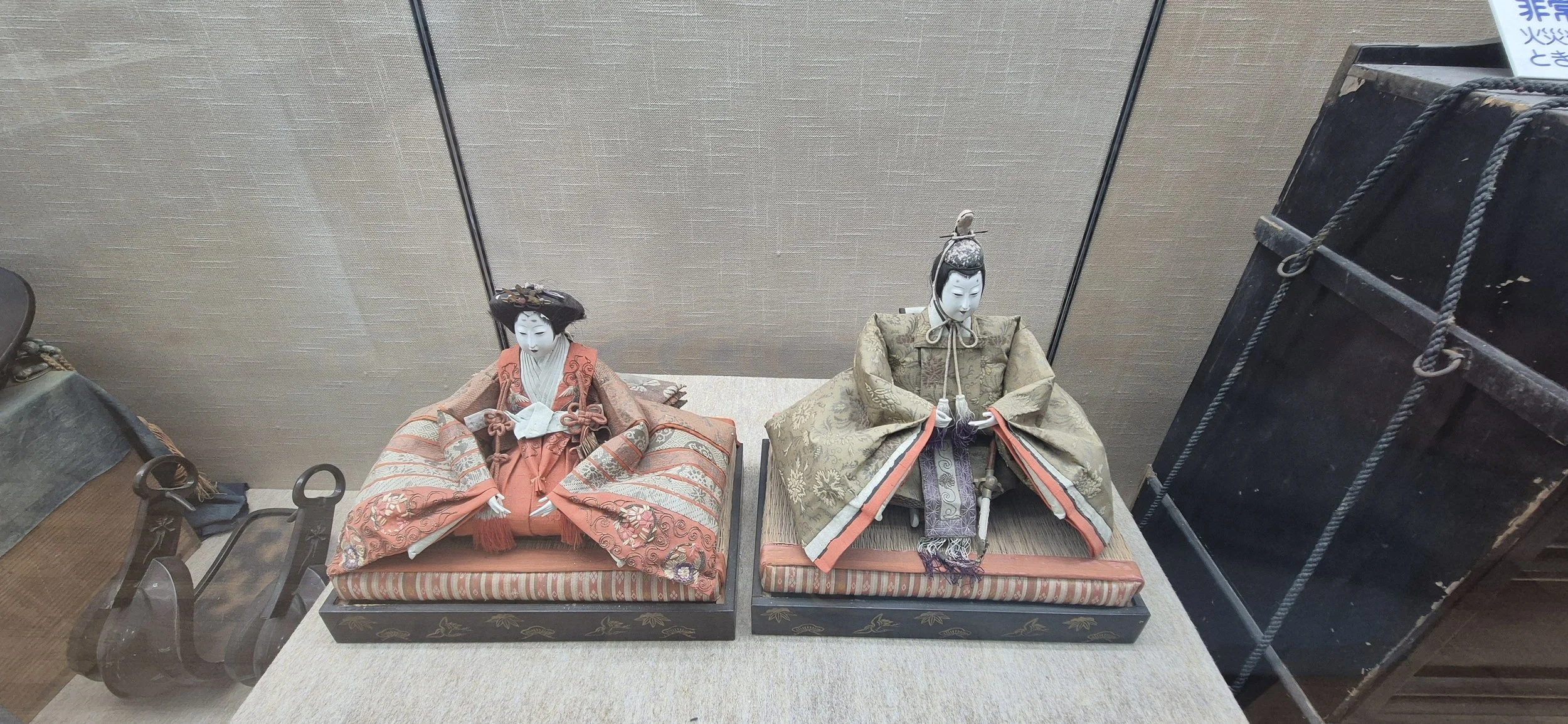
I would recommend leaving at least three hours for the experience and to see the museum at a good pace. The museum is small, but it is on two floors with a video too explaining the history and examples of indigo uses. The whole experience was very enjoyable the building complex is stunning, and you can explore the old traditional Japanese buildings if you remove your shoes. The museum was a cross between an art museum and a history museum which I found very appealing it was very visual.
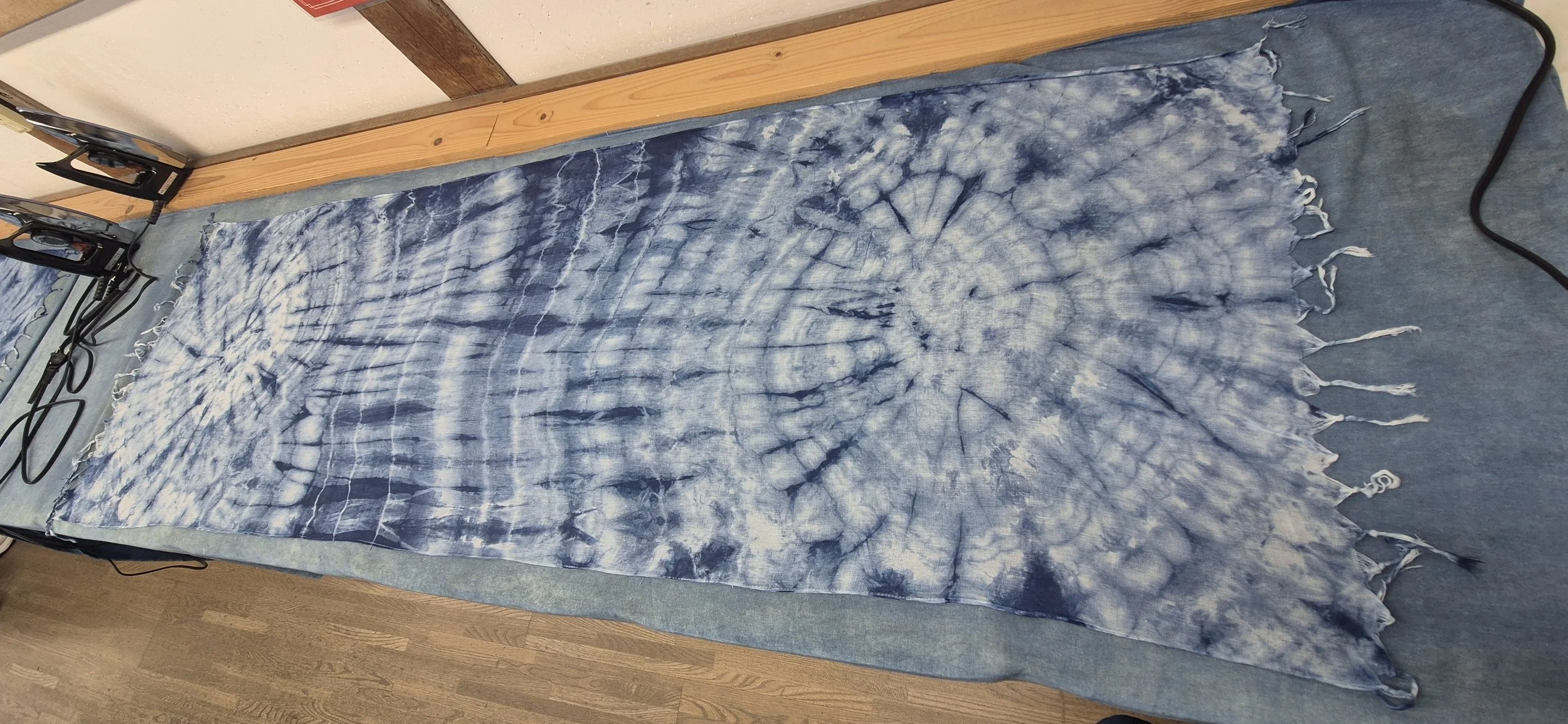
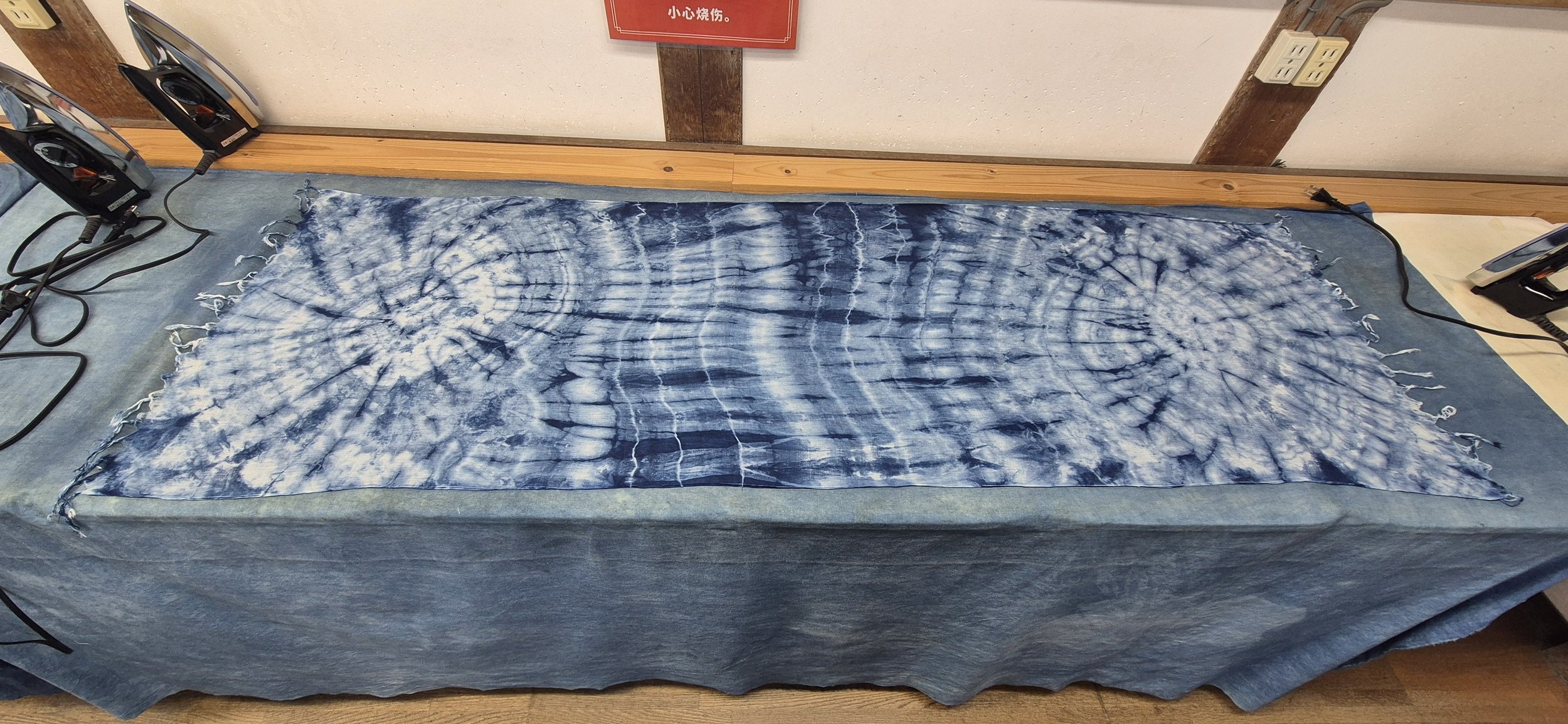
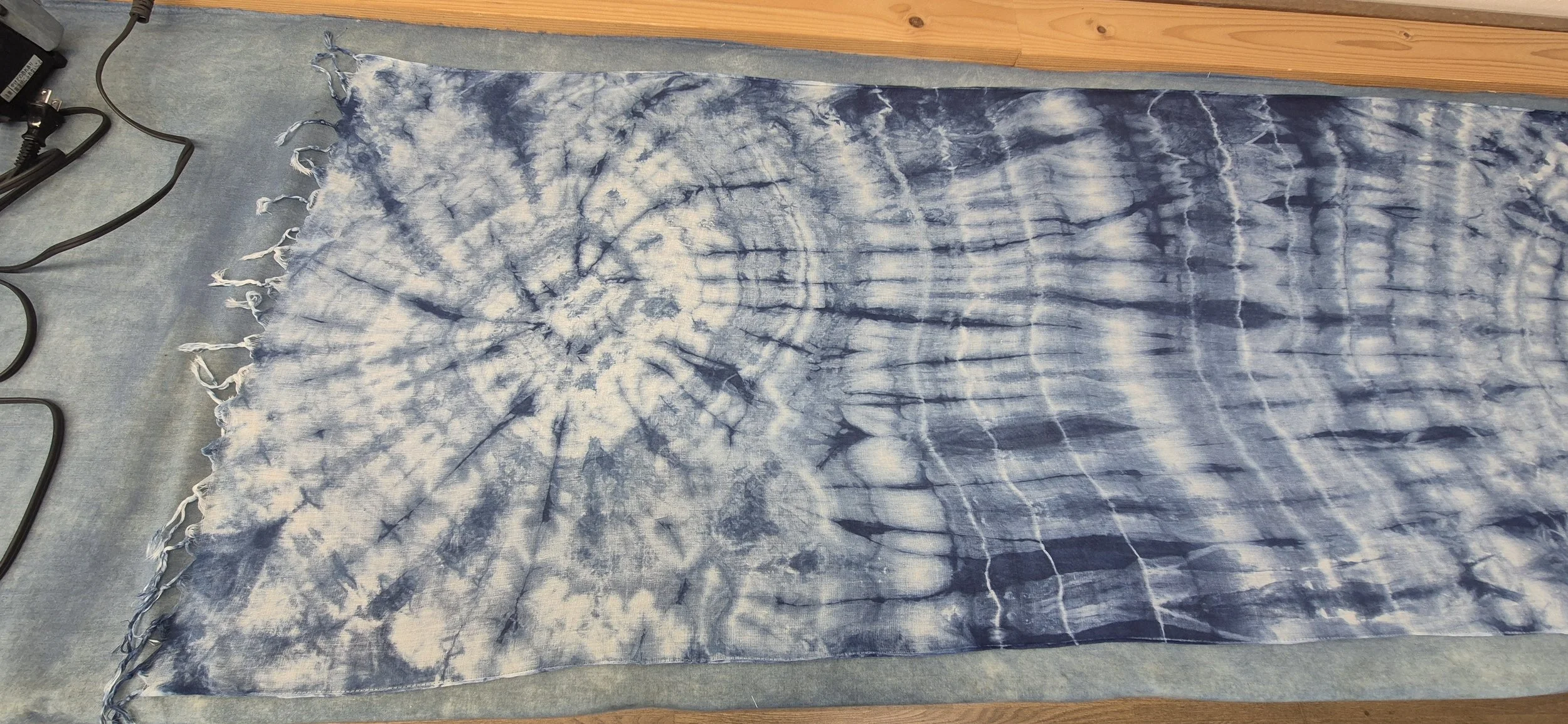
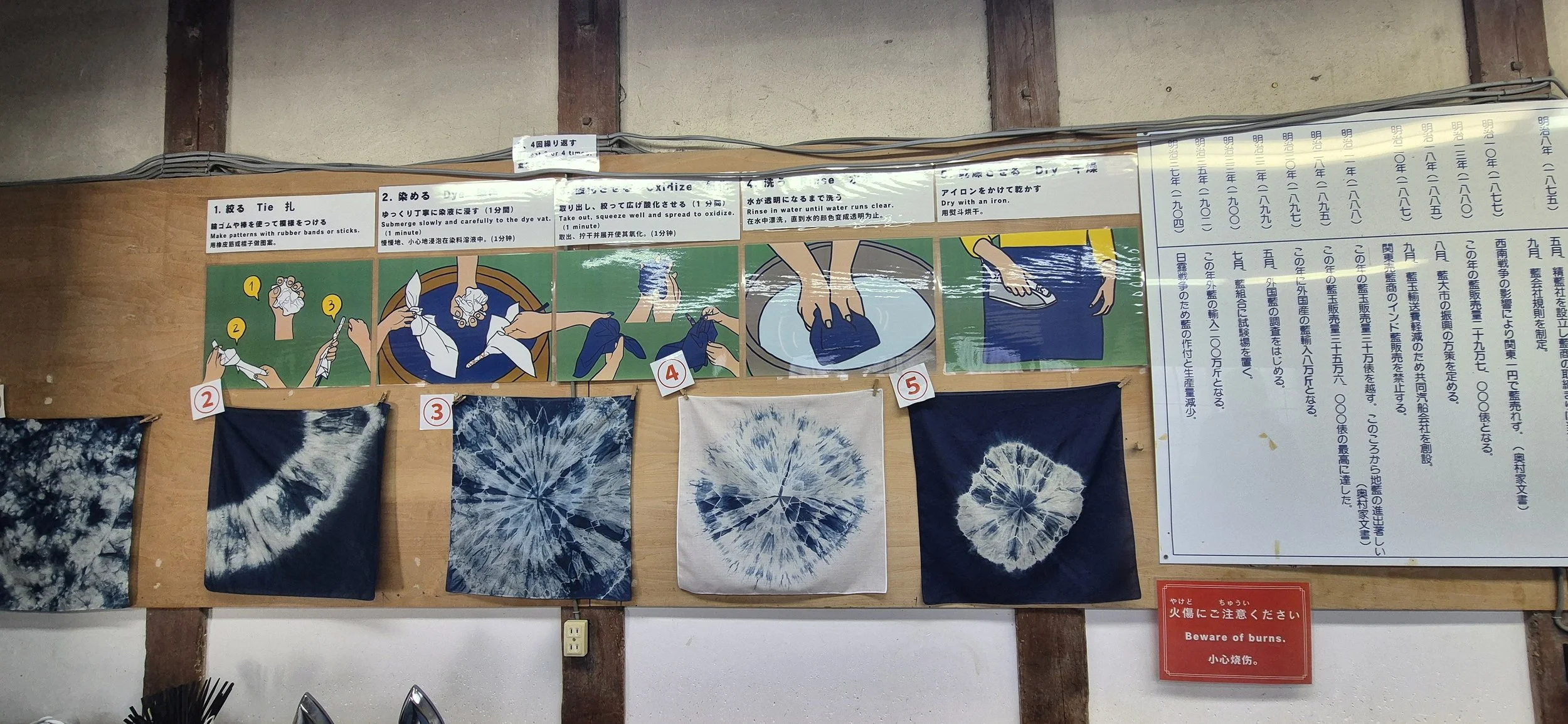
The museum is slightly further out of the city but there are some buses in the area with a small walk to reach it. I recommend that the museum be added to any Tokushima list as it shows a lot of cultural and traditional history and allows for a hands-on experience. Japan blue is now considered high-end so being able to make your own piece for a good price is a must do opportunity. I chose to make a scarf for 3500 yen which included the step-by-step guide to help you. The handkerchief and smaller items start from as little as 1000. I also learnt a lot about dye methods which is fascinating to me as a cosplayer who has experience in dye methods. The process was very simple, and no two pieces ever come out the same. The temperature and even dye batch always produce just slightly different results. For those who are not good with strong smells a small heads up that the dye room will have a smell. For me it was not too bad as I have used traditional dyes before, and I am used to the smell that comes with dyeing.
My guide spoke English and was very kind and the process was very fun; I was in suspense the whole time as you won’t know the results until its washed and ironed. I was very happy with my results and chose to create two whirlpools with swirls and lines to mimic the Naruto whirlpools I had seen the day prior. The colour blue is also my favourite and the beautiful blue gradients that Japan blue creates are stunning. From pale baby blues to very dark near black navy. It all depends on how many times the product its submerged. The product is brought out to react to the oxygen, and it allows it to develop better.
All in all, this is one experience you do not want to miss out on. The experience is easy to follow and produces beautiful results. I really enjoyed learning about the history and the process and maybe I will use what I have learned in a future project. If you plan to visit Tokushima, be sure to hit up the museum and dive into the past of Tokushima coloured in a beautiful shade of blue.